
 Anjar Salim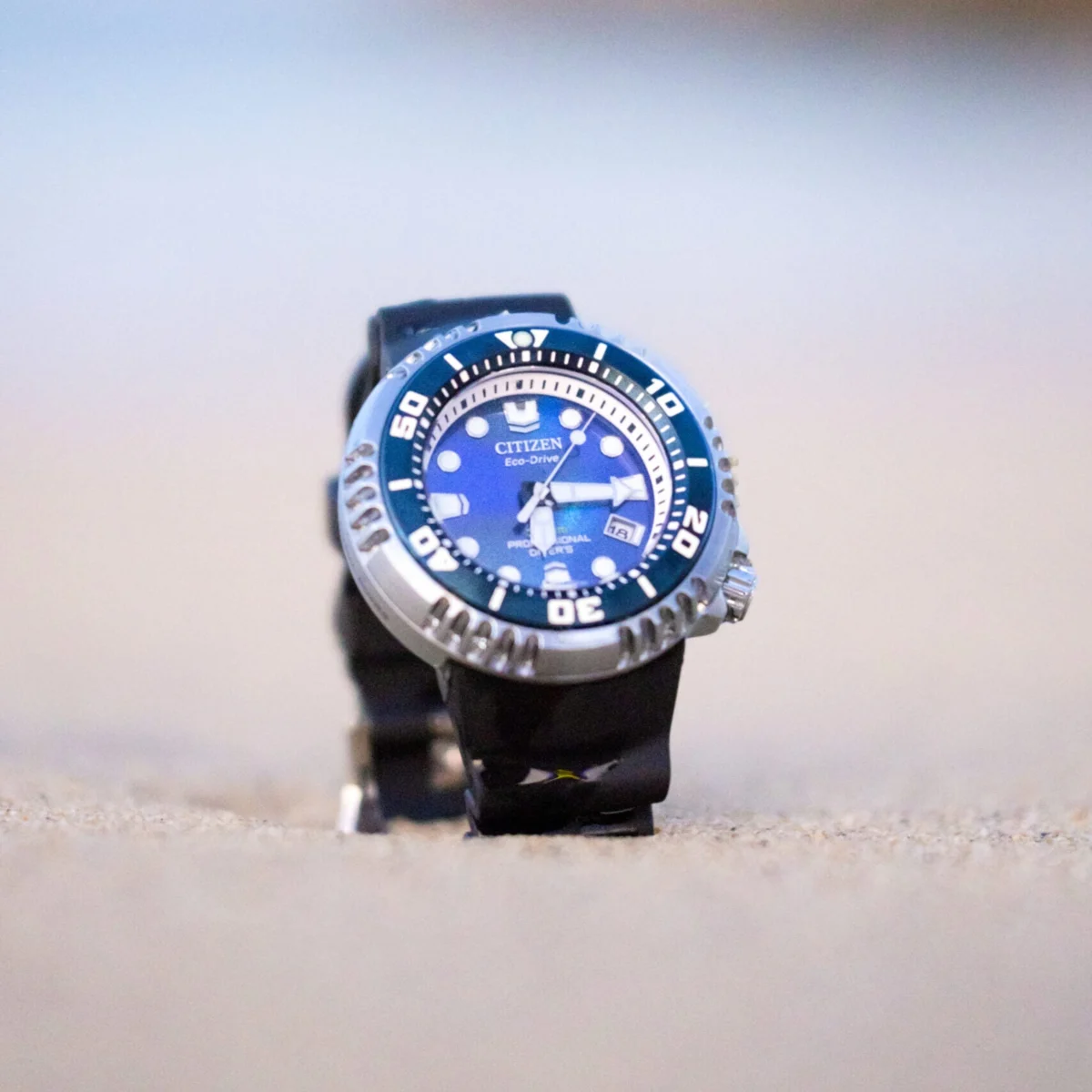
The landscape of global horology underwent a fundamental shift in 1976, a year that marked the debut of the world’s first light-powered analog watch. Developed by Citizen, this technology, which would eventually be branded as Eco-Drive, challenged the prevailing logic of the "Quartz Revolution" by addressing the environmental and logistical drawbacks of disposable batteries. As of April 2026, Citizen celebrates half a century of this proprietary technology, an achievement that stands as a rare example of a 20th-century innovation that remains not only relevant but superior to many modern alternatives in terms of sustainability and maintenance-free operation. While the broader consumer electronics industry has trended toward data-heavy wearables and planned obsolescence, Citizen’s trajectory has remained centered on the refinement of light-as-fuel, effectively bridging the gap between traditional craftsmanship and high-tech environmental stewardship.
The Genesis of Light-Powered Timekeeping: A Response to Global Crisis
To understand the significance of Eco-Drive, one must examine the socio-economic climate of the early 1970s. The 1973 oil crisis served as a global wake-up call, exposing the fragility of energy supply chains and prompting industries to explore renewable alternatives. Concurrently, the watchmaking world was in the throes of the "Quartz Crisis," a period where traditional mechanical movements were being rapidly replaced by highly accurate, battery-powered quartz oscillators. While quartz movements offered unprecedented precision, they introduced a new problem: the environmental toll of millions of discarded silver-oxide batteries.
Citizen’s engineers recognized that the convenience of quartz was offset by the necessity of frequent battery replacements, which often compromised the water resistance of the watch cases during servicing and contributed to chemical waste. In 1974, the company produced its first prototype solar-powered watch, leading to the commercial release of the Crystron Solar Cell in 1976. This timepiece featured four solar panels integrated into the dial, a design that was revolutionary for its time but necessitated a specific aesthetic that Citizen would spend the next several decades evolving. The goal was clear: create a watch that never needed a battery change, powered by a source of energy that was both infinite and free.
A Chronology of Technological Evolution (1976–2026)
The development of Eco-Drive has been defined by a relentless pursuit of efficiency and "invisibility." In the early years, solar cells were prominent and required significant surface area, often dictating the design of the watch face. However, by the mid-1980s, Citizen had achieved significant breakthroughs in thin-film technology and energy storage.
In 1986, the company introduced a model capable of an eight-day power reserve, a feat that allowed the watch to continue running even if kept in total darkness for over a week. By 1995, the technology was officially branded "Eco-Drive" in the United States, signaling a shift toward a broader environmental message. By this stage, the power reserve had been extended to six months.
The 21st century saw the integration of Eco-Drive with other high-precision technologies. In 2011, Citizen launched the Eco-Drive Satellite Wave, the world’s first light-powered watch to sync with GPS satellites to provide the exact time anywhere on Earth. The most recent milestone occurred in 2023 with the introduction of the Eco-Drive 365 movement. This caliber demonstrated the pinnacle of energy management, allowing a watch to run for a full year on a single charge. Some specialized models equipped with sophisticated power-save functions can now remain dormant but functional for up to seven years in total darkness, resuming the correct time the moment they are exposed to light.
Quantifying the Environmental Impact: Data and Sustainability
The environmental argument for Eco-Drive is supported by staggering figures. Citizen estimates that since the inception of the technology, it has prevented more than 100 million batteries from entering landfills. Considering the heavy metals and toxic chemicals—such as mercury, lead, and cadmium—found in traditional watch batteries, this represents a significant reduction in the potential for soil and groundwater contamination.
Beyond the product itself, Citizen has aligned its corporate operations with global sustainability goals. The company is a member of the Leather Working Group (LWG), ensuring that the leather used in its straps is sourced from tanneries that meet strict environmental compliance and energy-consumption standards. Furthermore, Citizen’s "Better Starts Now" philosophy has manifested in partnerships with organizations like 1% for the Planet, American Forests, and Unite to Light. These collaborations focus on reforestation and providing solar-powered light to energy-impoverished communities, mirroring the core technology of the watches themselves.
Industry analysts note that Citizen’s approach to sustainability is "passive," meaning it does not require the consumer to change their behavior to be eco-friendly. Unlike smartwatches that require daily or weekly charging from a grid often powered by fossil fuels, an Eco-Drive watch harvests energy from any light source—including low-intensity artificial light in an office or a coffee shop—thereby maintaining a net-zero operational carbon footprint for the duration of its life.
Engineering Excellence: Beyond the Power Source
While the light-powering mechanism is the hallmark of the brand, the 2026 lineup demonstrates that Citizen has not compromised on traditional horological complications. The Promaster series, in particular, showcases the brand’s ability to engineer for extreme environments.
The Promaster Sea Collection
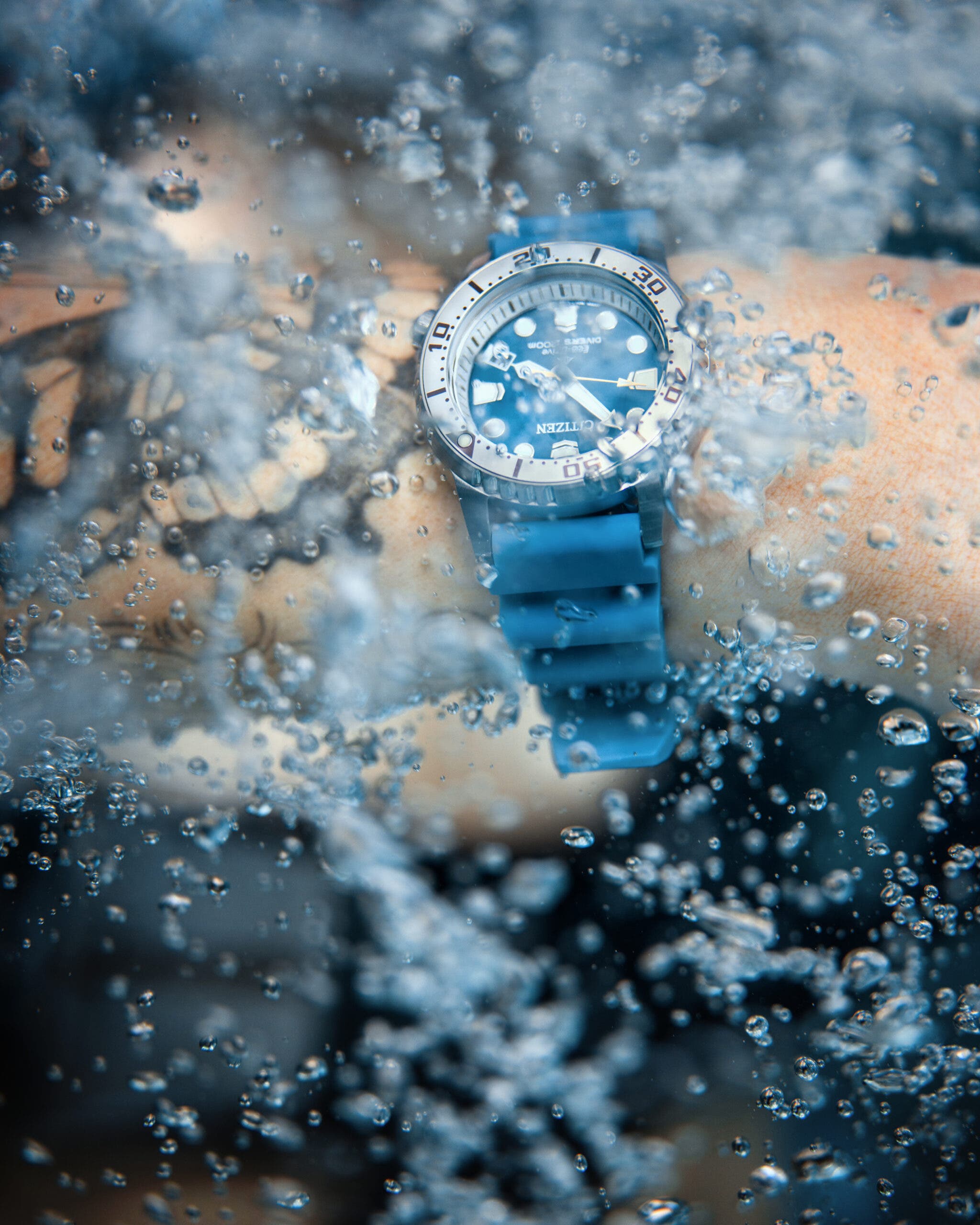
The Promaster Sea line is built to ISO 6425 standards, the international benchmark for professional dive watches. These timepieces must withstand immense pressure, magnetic interference, and thermal shock. A notable example is the Promaster 1000M Professional Diver, which utilizes a helium-escape valve and a "saturated-diving" construction. For professional divers, the reliability of Eco-Drive is a safety feature; the elimination of a battery change means the factory-sealed case remains intact, ensuring the integrity of the water-resistant seals for years.

Precision and Connectivity
For the global traveler, Citizen’s Atomic Timekeeping and Satellite Wave GPS technologies provide a margin of error that is virtually non-existent. Atomic Timekeeping, which syncs with radio signals from atomic clocks in North America, Europe, China, and Japan, boasts an accuracy of one second every 100,000 years. This level of precision, powered entirely by light, represents a synergy of physics and electronics that few other manufacturers have replicated at scale.
Market Reception and the "Unobtrusive" Consumer Experience
Surveys conducted by Citizen and independent market researchers consistently indicate that Eco-Drive technology is the primary driver for consumer acquisition. In an era of "appigue" and the constant need to recharge mobile devices, the "set it and forget it" nature of Eco-Drive appeals to a demographic that values reliability over fleeting digital features.
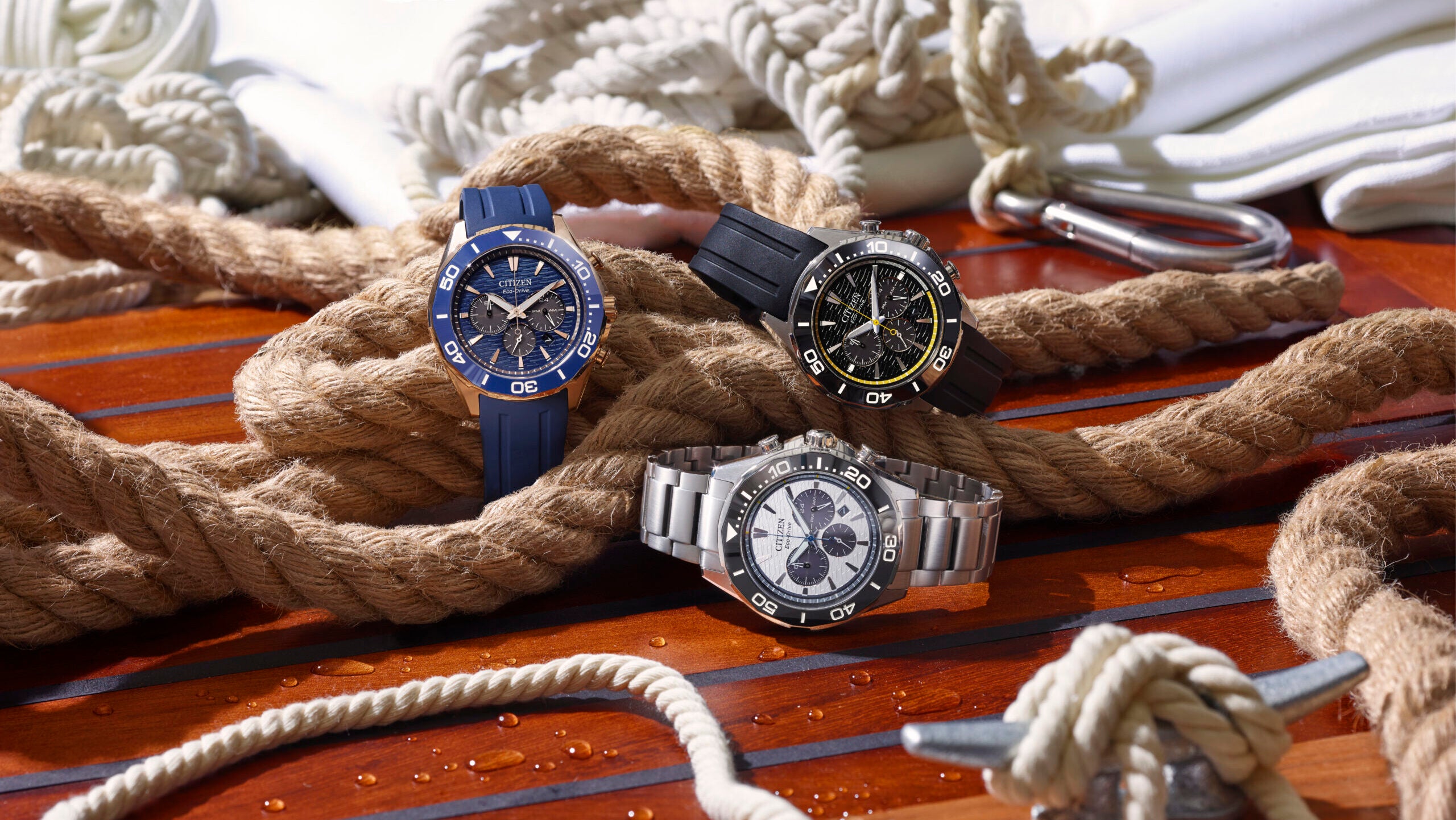
Consumer feedback highlights that the most impressive aspect of modern Eco-Drive watches is their aesthetic normalcy. Early solar watches were easily identifiable by their translucent or grid-like dials. Today, Citizen utilizes highly transparent materials and advanced light-trapping techniques that allow for opaque, sunray, or even textured dials that show no outward sign of the solar cells beneath. This allows the technology to be integrated into everything from the Sport Luxury collection to the elegant, minimalist Citizen L series, which often incorporates sustainable materials like lab-grown diamonds and straps made from recycled textiles.
Broader Implications for the Future of Horology
As the watch industry moves further into the 21st century, the success of Eco-Drive serves as a case study in sustainable industrial design. It proves that technological advancement does not have to come at the cost of the environment or product longevity. While mechanical watches are often praised for their heirloom quality, Eco-Drive offers a modern alternative: a high-precision electronic instrument that can last for decades without a single piece of disposable waste.

The 50-year milestone of Eco-Drive is more than a corporate anniversary; it is a validation of a vision set in motion during the energy crisis of the 1970s. As global regulations on electronic waste and battery disposal tighten, the horological industry may find itself looking to Citizen’s 1976 breakthrough as the blueprint for the future. By focusing on the most fundamental and abundant energy source in the universe, Citizen has ensured that as long as there is light, their watches—and the legacy of Eco-Drive—will continue to move forward.




 Chandra Hamzah
 Tatiana Tantri Indah Sari
 Budi Mulyono
 Lukman Taruna Persada Ramadan