
 Anjar Salim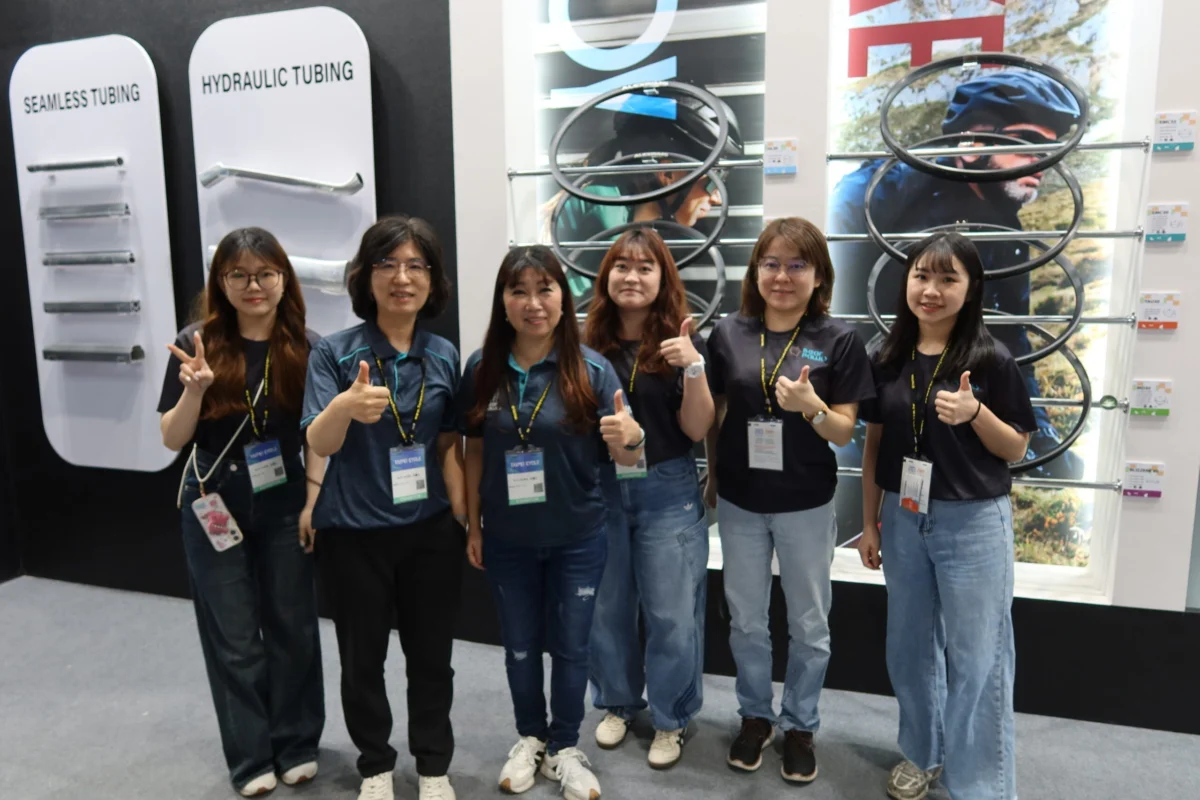
The global cycling industry, long characterized by a demographic profile heavily skewed toward male participation in both its consumer base and corporate leadership, is undergoing a profound structural transformation. At the center of this evolution is the Taipei Cycle Show, one of the world’s most influential trade exhibitions, where the focus has increasingly shifted from purely mechanical innovation to the diverse human capital driving the sector forward. As the 2024 and 2026 iterations of the show have demonstrated, women are no longer peripheral figures in the cycling world; they are now leading factory teams, spearheading engineering departments, and managing the complex global supply chains that sustain the multi-billion-dollar industry.
For decades, the visible architecture of cycling—comprising retail spaces, mechanical workshops, competitive racing circuits, and digital platforms like Strava—has been dominated by men. However, data from the Taipei Cycle Show suggests a significant shift in the "key players" who move and shape the industry. The emergence of female leaders in prominent Taiwanese manufacturing firms, which produce a vast majority of the world’s high-end bicycles, signals a departure from traditional gender roles in industrial engineering and international trade.
The Strategic Importance of the Taipei Cycle Show
To understand the impact of these female leaders, one must first recognize the significance of the Taipei Cycle Show. Established as a cornerstone of the Asian "bicycle kingdom," the event serves as a primary barometer for future trends in materials science, e-bike integration, and manufacturing logistics. Taiwan remains the global hub for high-end bicycle production, with its exports reaching nearly every major market in the West and across Asia.
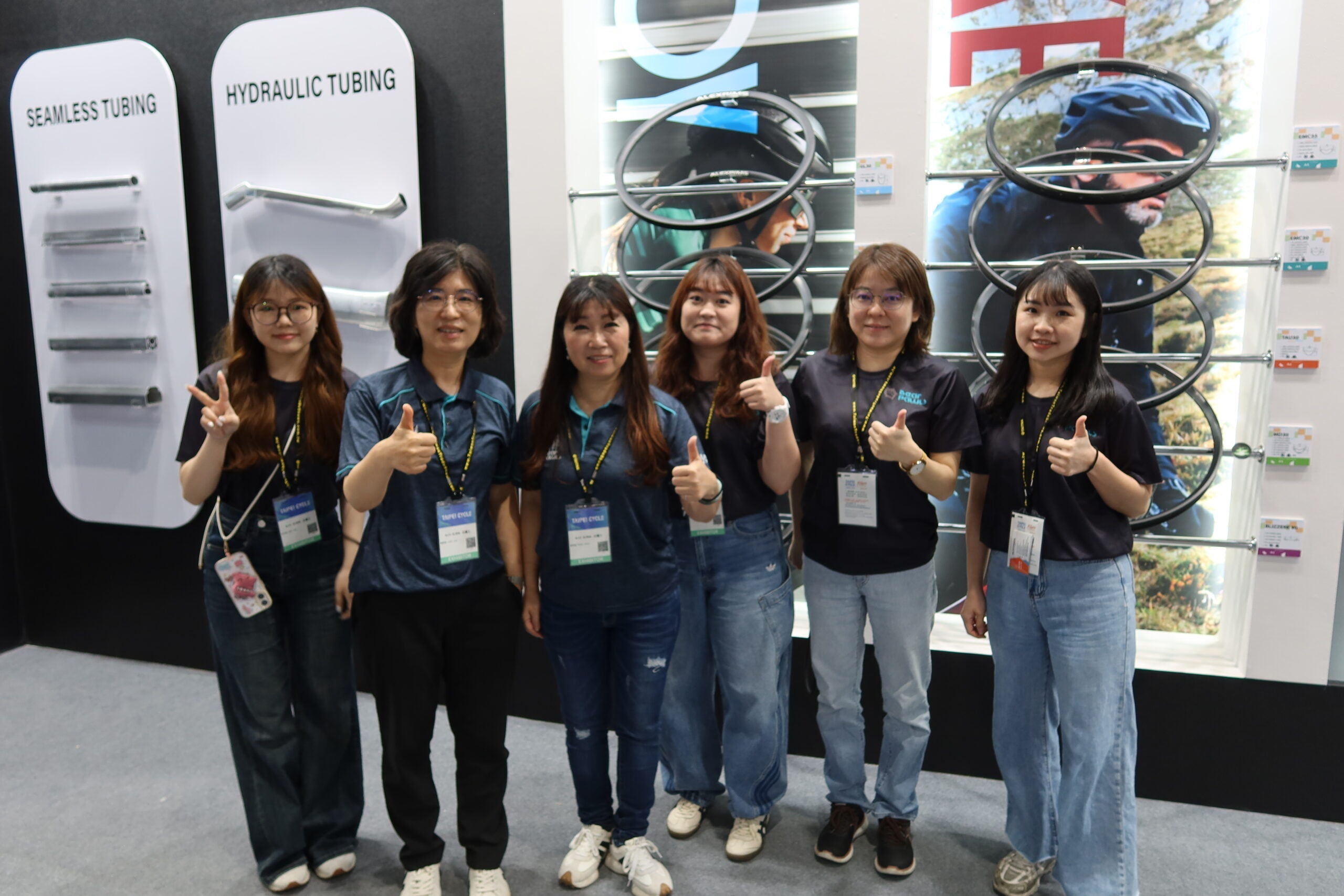
In recent years, the show has transitioned from a display of hardware to a forum for discussing the socio-economic shifts within the trade. The presence of women in technical roles—answering complex schematics questions at booths and overseeing the production of frames and components—highlights a shift in how talent is cultivated within the "Big Three" manufacturing regions: Taiwan, China, and Southeast Asia.
A Chronology of Progress: Three Decades of Evolution
The trajectory of women in the industry is best illustrated through the professional histories of those who have navigated its ranks over several decades. The evolution from the early 1990s to the present day reveals a steady dismantling of barriers.
The 1990s: Entry and Assistance
In the early 1990s, female participation was largely confined to administrative and sales support roles. Penny Tseng, currently a senior manager at Alex Rims, entered the industry during this era. Reflecting on her 30-year tenure, she notes that during her first years in sales, approximately 95% of the product managers she encountered were men. At this time, women were frequently excluded from technical discussions and product development cycles, serving instead as the interface between the factory and the client without having a significant say in the engineering process.
The 2000s: Technical Integration
By the mid-2000s, the rise of specialized manufacturing processes, such as the precision welding of titanium and high-end aluminum, required a more diverse workforce. Emily Yu of Ora Engineering joined the sector during this period, starting her career in a warehouse environment. Her path—moving from the warehouse floor to sales and eventually into a leadership role—typifies the "bottom-up" technical education many women in the industry pursued. This decade saw women beginning to bridge the gap between logistics and engineering, asking the necessary questions of factory technicians to master the manufacturing process.
The 2010s to Present: Leadership and Specialized Design
The last decade has seen the most rapid acceleration of female leadership, particularly with the rise of brands like Liv, a subsidiary of the Giant Group. Szu Chen, a product marketing assistant manager with nearly 10 years at Giant/Liv, represents the modern era where women are not just managing the industry but are actively designing products for their own demographic. The establishment of Liv as the global leader in women-specific cycling equipment marked a turning point, moving the industry away from "unisex" designs that often failed to account for female physiology.
Supporting Data: The Economic Power of Women in Cycling
The shift in leadership is supported by compelling market data. According to industry reports, the global bicycle market was valued at approximately $70 billion in 2023, with a projected compound annual growth rate (CAGR) of 5% through 2030. Within this growth, the female consumer segment has shown resilience and expansion, particularly in the e-bike and gravel categories.
Data from organizations like the Outdoor Industry Association indicates that while male riders still outnumber females, the gap is closing in key markets such as the United States and Germany. In Taiwan, the manufacturing sector has responded to this by diversifying its internal teams. At Ora Engineering, for example, women now comprise nearly 30% of the workforce, with a female Vice President leading the company. This internal diversity is directly linked to a firm’s ability to innovate for a broader global market.
Profiles in Leadership: Insights from the Factory Floor
The contributions of Szu Chen, Penny Tseng, and Emily Yu provide a roadmap for the future of the industry. Their experiences highlight both the progress made and the challenges that remain.
Szu Chen (Giant/Liv)
Chen’s career trajectory—moving from components to bike marketing and eventually into the high-growth e-bike sector—illustrates the versatility required in modern manufacturing. She emphasizes that while the industry remains male-dominated, the existence of dedicated brands like Liv provides a platform for women to influence design. "If you don’t speak for women, nobody will notice women’s needs," Chen stated, highlighting the necessity of female advocacy in product development meetings where male perspectives remain the majority.
Penny Tseng (Alex Rims)
As a leader at Alex Rims, a company currently pioneering 32-inch wheel technology, Tseng brings three decades of experience to the table. She notes that while the gender balance in sales has flipped—now being predominantly female—the engineering sector still lags. Tseng identifies "product knowledge" as the primary equalizer. Her ability to navigate the technical complexities of rim manufacturing has allowed her to maintain a leadership position for over 30 years, despite the traditional view that technical expertise was a male-only domain.
Emily Yu (Ora Engineering)
Yu’s 18-year journey at Ora Engineering is a testament to the importance of "patience and persistence." By physically being present on the factory floor every day and learning every process from the ground up, she gained the respect of her male engineering colleagues. Her role now involves managing international sales and marketing for some of the most sophisticated frames in the industry, proving that a deep understanding of the manufacturing process is the most effective tool for career advancement.
Analysis of Implications: Engineering for the Future
The influx of women into leadership and technical roles has tangible implications for the final product found in bike shops worldwide. For years, "women’s bikes" were often just smaller versions of men’s frames with different aesthetic finishes—a trend derisively known in the industry as "shrink it and pink it."
With women like Chen and Yu in decision-making positions, the industry has moved toward data-driven geometry. This involves analyzing thousands of body dimension data points to create frames that account for differences in torso length, pelvic width, and reach. Furthermore, the rise of female perspectives in marketing has shifted the narrative from "participation" to "performance," recognizing that female cyclists require the same high-level technical specifications as their male counterparts.
Broader Impact and Industry Outlook
The transformation observed at the Taipei Cycle Show is indicative of a broader trend in global manufacturing. As supply chains become more complex and the demand for sustainable, high-tech transportation grows, the cycling industry cannot afford to ignore 50% of the talent pool.
The "invisible" women behind the bikes—those managing the factories in Taiwan, China, and Cambodia—are increasingly becoming the face of the industry. Their presence at international trade shows provides a necessary counterpoint to the male-centric history of the sport. While challenges regarding "voice" and technical representation persist, the precedent set by 30-year veterans like Penny Tseng and 18-year experts like Emily Yu suggests a permanent shift in the industry’s foundation.
Looking ahead to future exhibitions, industry analysts expect to see an even greater integration of women in the R&D (Research and Development) sectors. As e-bikes continue to dominate the market, the intersection of software engineering and mechanical design will offer new entry points for female professionals. The Taipei Cycle Show will undoubtedly remain the primary stage where this demographic shift is measured, marking the transition of the cycling industry into a more inclusive and technically diverse era.




 Chandra Hamzah
 Tatiana Tantri Indah Sari
 Budi Mulyono
 Lukman Taruna Persada Ramadan