
 Budi Mulyono
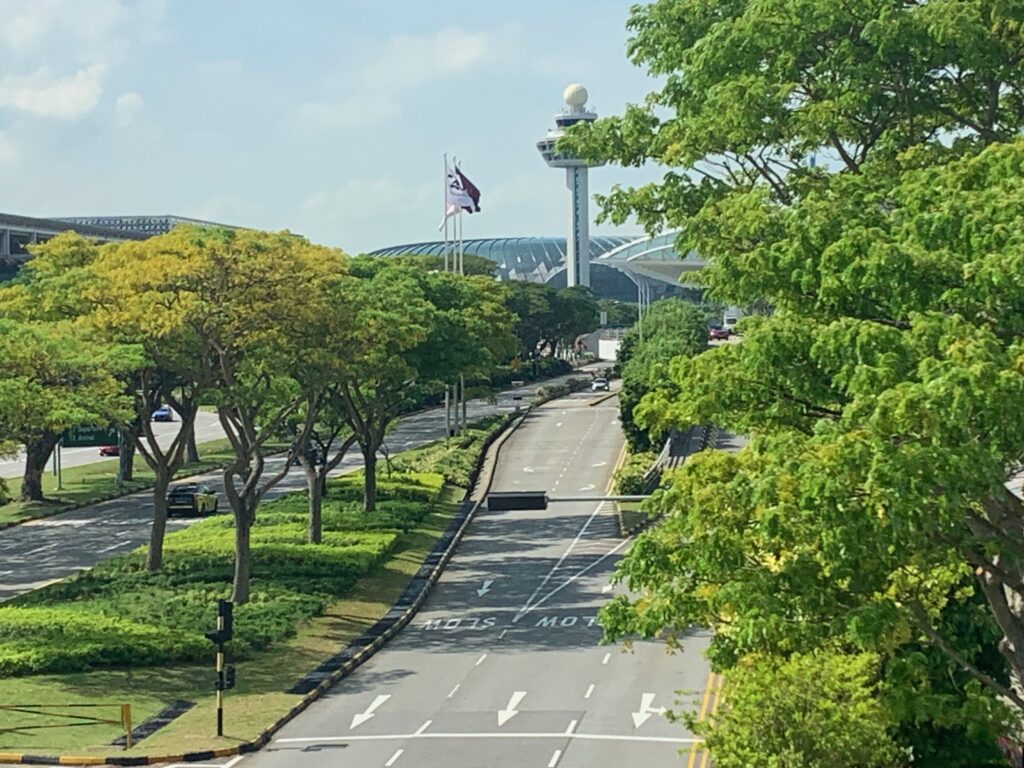
Singapore Changi Airport (SIN) continues to solidify its position as a preeminent global aviation hub, managing an annual capacity of approximately 90 million passengers through a sophisticated network of four operational terminals and the Jewel Changi complex. As a primary gateway to Southeast Asia, the airport serves as a critical transit point for international travelers moving between Australia, Asia, Europe, and the Americas. Renowned for its operational efficiency, Changi has consistently secured top honors in global airport rankings, frequently cited alongside Doha’s Hamad International and Tokyo’s Haneda for its seamless integration of technology, logistics, and passenger comfort.
Operational Framework and Terminal Logistics
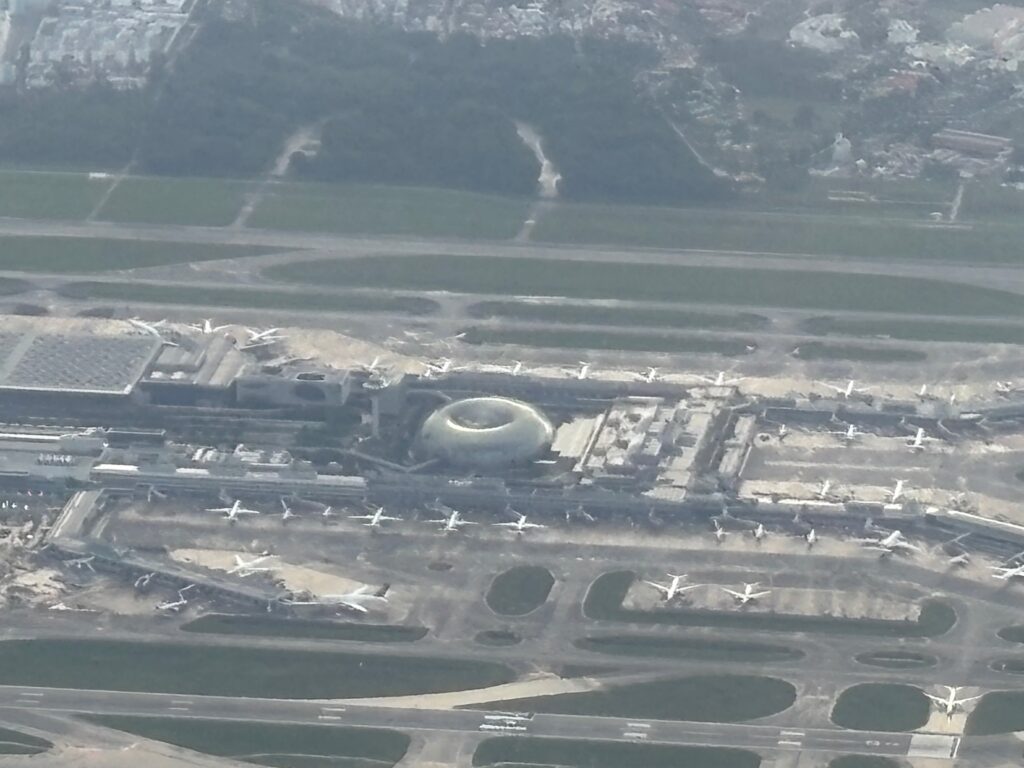
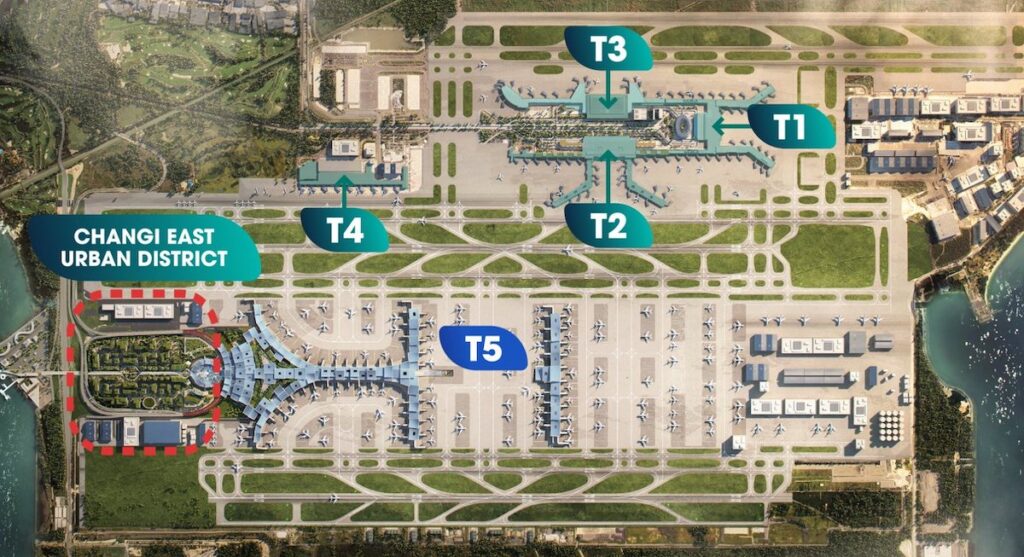
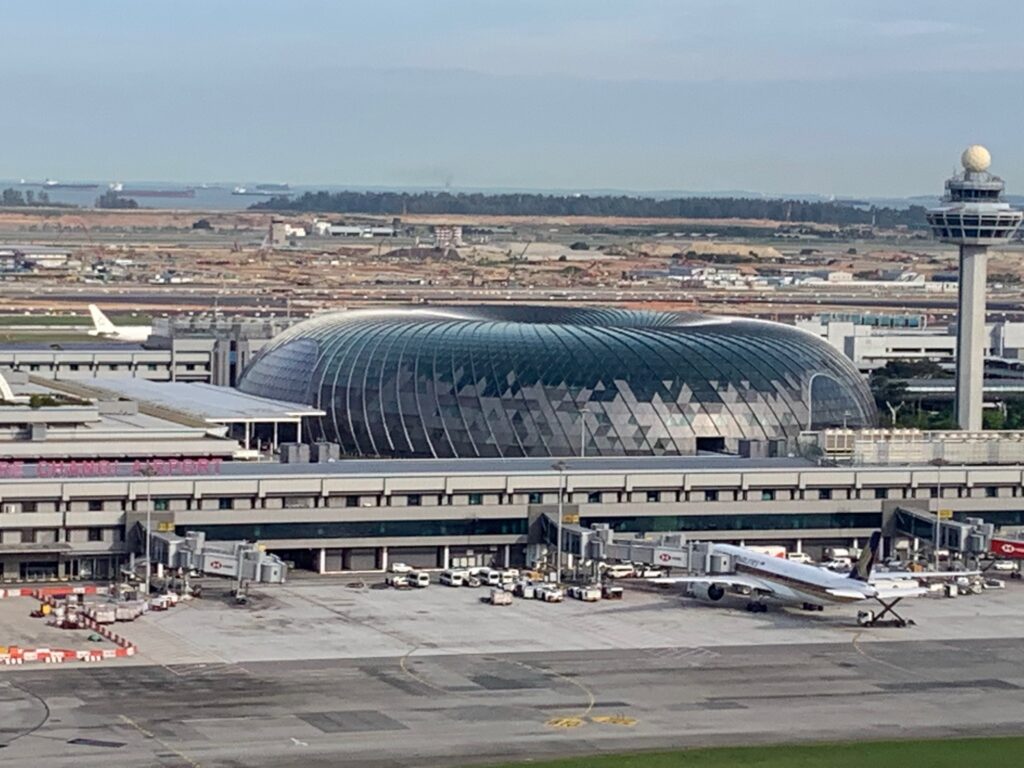
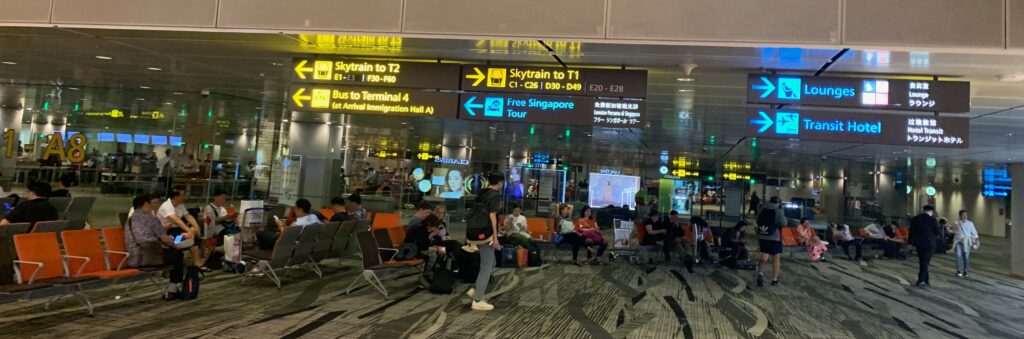
The physical layout of Changi Airport is designed for high-volume throughput while maintaining intuitive navigation. Terminals 1, 2, and 3 are configured in a "U" shape, facilitating easier transit via the automated Skytrain system and interconnected pedestrian walkways. Terminal 1, the facility’s original structure, serves as a primary base for the Oneworld alliance and various Star Alliance carriers. Terminal 2, which recently underwent an extensive multi-year renovation, focuses on Southeast Asian routes for Singapore Airlines. Terminal 3, characterized by its 2008 architectural design featuring butterfly skylights, manages the majority of long-haul flights to Europe and North America.
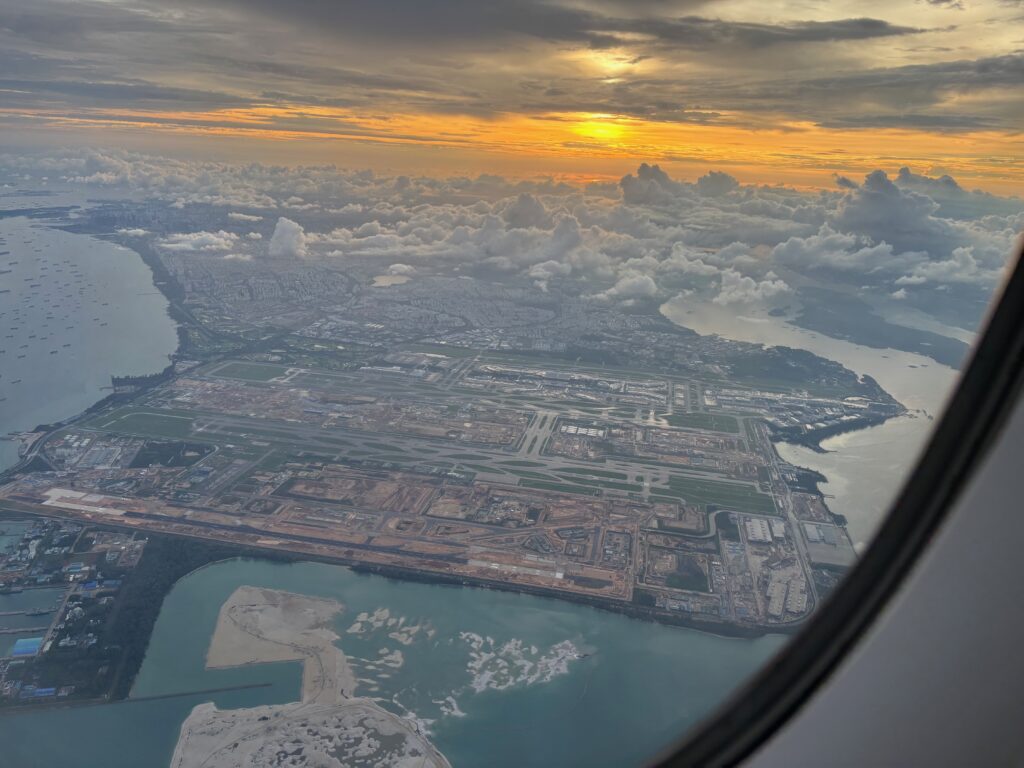
In contrast, Terminal 4 operates as a standalone facility located at a distance from the main cluster. It serves as a testing ground for "Fast and Seamless Travel" (FAST) technology, utilizing end-to-end self-service options for check-in and boarding. While Terminal 4 offers high technical efficiency, its geographical separation requires shuttle bus transfers, distinguishing it from the rail-linked connectivity of the primary terminals. To accommodate future growth, Singapore has commenced the development of Terminal 5, which is projected to handle an additional 50 million passengers annually upon its completion in the mid-2030s.

Historical Evolution and Expansion Timeline
The development of Changi Airport reflects Singapore’s broader economic strategy to position itself as a "Global City." The airport’s timeline is marked by consistent expansion:
- 1981: Terminal 1 opens, replacing Paya Lebar Airport to meet growing civil aviation demands.
- 1990: Terminal 2 commences operations, doubling the airport’s capacity.
- 2002: The Changi Airport MRT station opens, linking the hub to the national rail network.
- 2008: Terminal 3 is inaugurated, introducing advanced environmental controls and expanded retail space.
- 2017: Terminal 4 opens, pioneering biometric and automated passenger processing.
- 2019: The Jewel Changi Airport complex opens, a S$1.7 billion project designed to attract both travelers and local residents.
- 2023: Completion of Terminal 2’s expansion, adding 21,000 square meters to the facility.
Digital Transformation of Immigration and Customs
Singapore has transitioned toward a fully automated immigration system, prioritizing biometric authentication over traditional manual processing. A mandatory component of this system is the SG Arrival Card (SGAC). This digital entry form replaces the traditional paper-based disembarkation card and must be submitted via the Immigration and Checkpoints Authority (ICA) website or mobile application within three days prior to arrival.
The immigration halls utilize automated gates that capture facial and iris data, significantly reducing wait times. However, strict customs regulations remain a focal point of the arrival process. Singapore maintains a zero-tolerance policy regarding certain prohibited items, including chewing tobacco, electronic cigarettes (vapes), and shisha. Travelers carrying controlled goods or cash exceeding SGD 20,000 are legally required to utilize the "Red Channel" for declaration. Failure to comply with these regulations can result in significant fines or prosecution, reflecting the nation’s stringent internal security and health policies.
Transit Logistics and International Connectivity
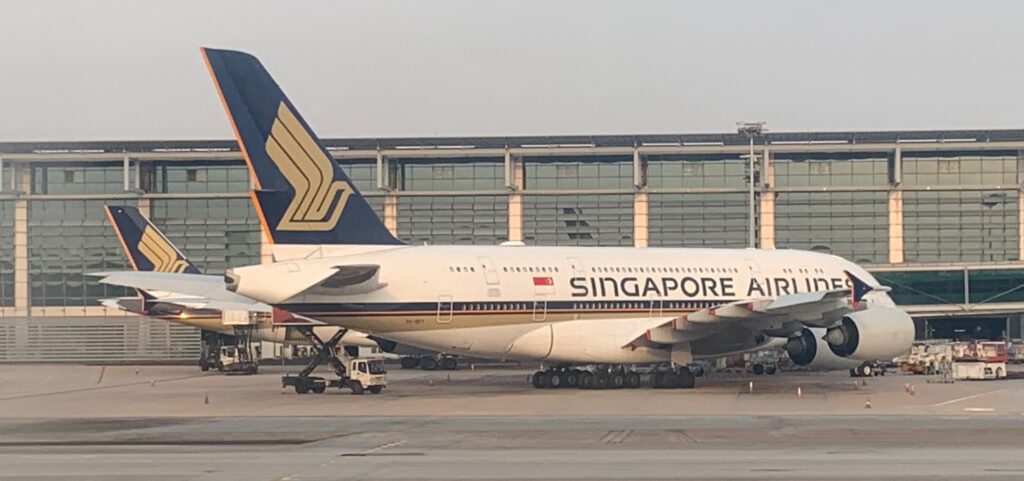
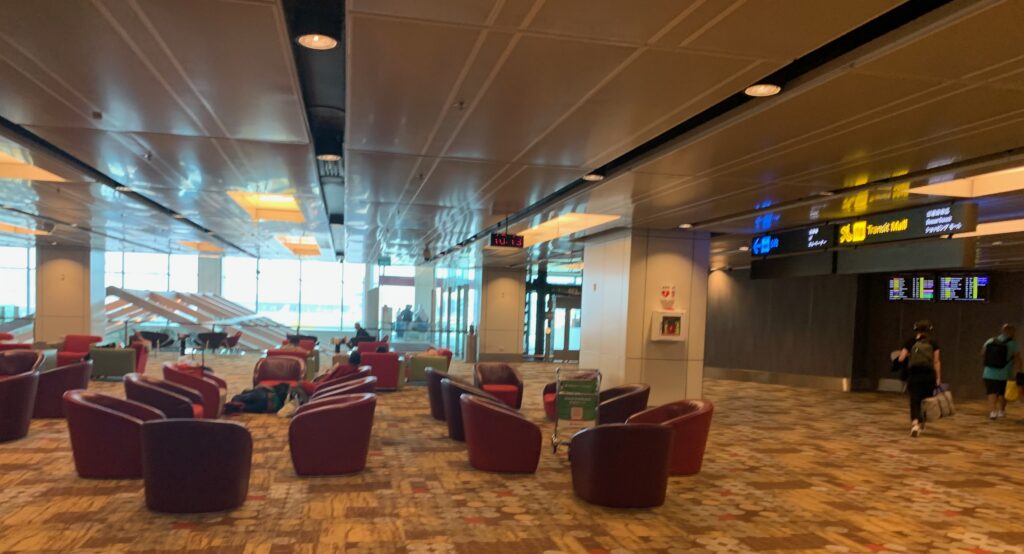
Approximately one-third of Changi’s passenger traffic consists of transit travelers. The airport’s infrastructure is specifically optimized for these connections, particularly for those flying with the national carrier, Singapore Airlines, and its low-cost subsidiary, Scoot. Transit passengers are categorized into three primary scenarios: those with through-checked baggage, those requiring transfer desk assistance for separate tickets, and those planning to clear immigration for a short-term stay.
For passengers with layovers exceeding six hours, the Changi Airport Group, in collaboration with Singapore Airlines and the Singapore Tourism Board, offers free 2.5-hour city tours. These excursions provide a brief overview of the city’s heritage districts and the Marina Bay area, serving as a strategic "teaser" to encourage future long-term tourism.
The Jewel Changi: Blurring Landside and Airside Boundaries
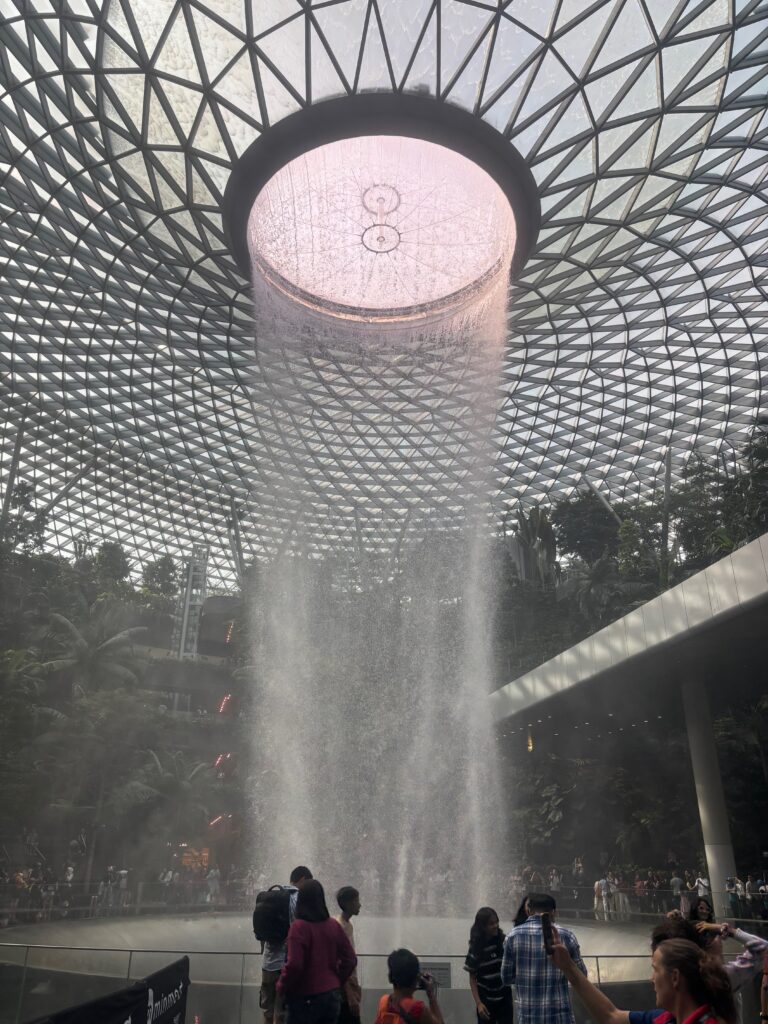
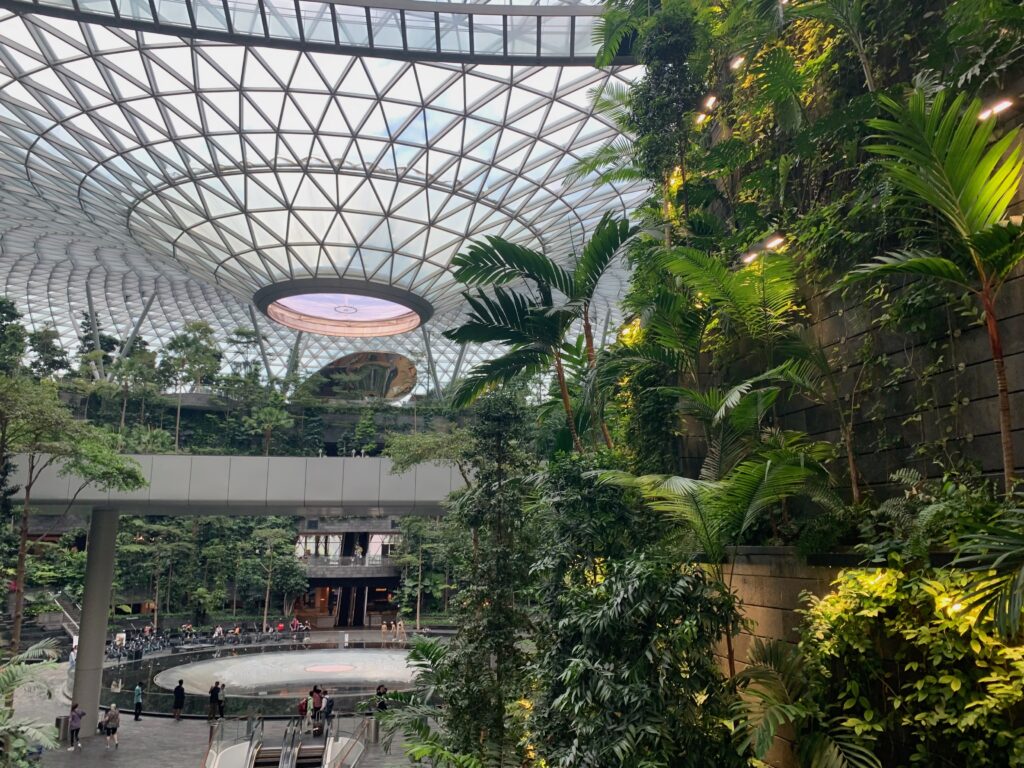
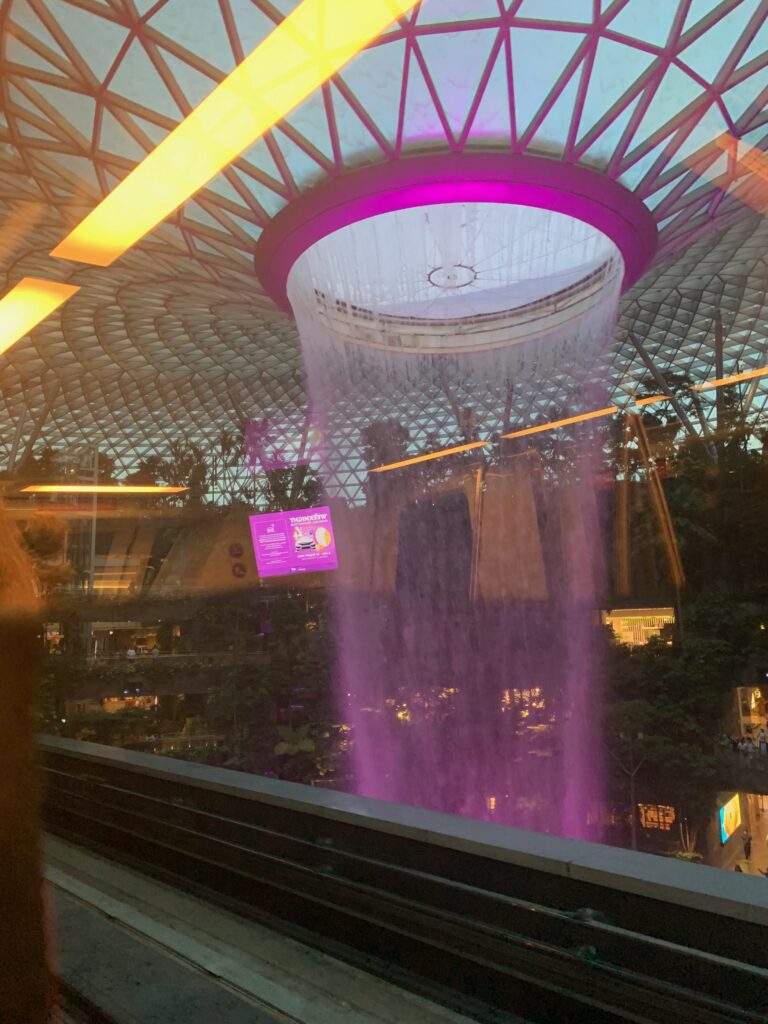
The 2019 opening of Jewel Changi Airport redefined the traditional airport model by creating a multi-use destination that combines aviation facilities with retail and nature. Located landside—meaning transit passengers must clear immigration to enter—the complex features the HSBC Rain Vortex, the world’s tallest indoor waterfall at 40 meters.
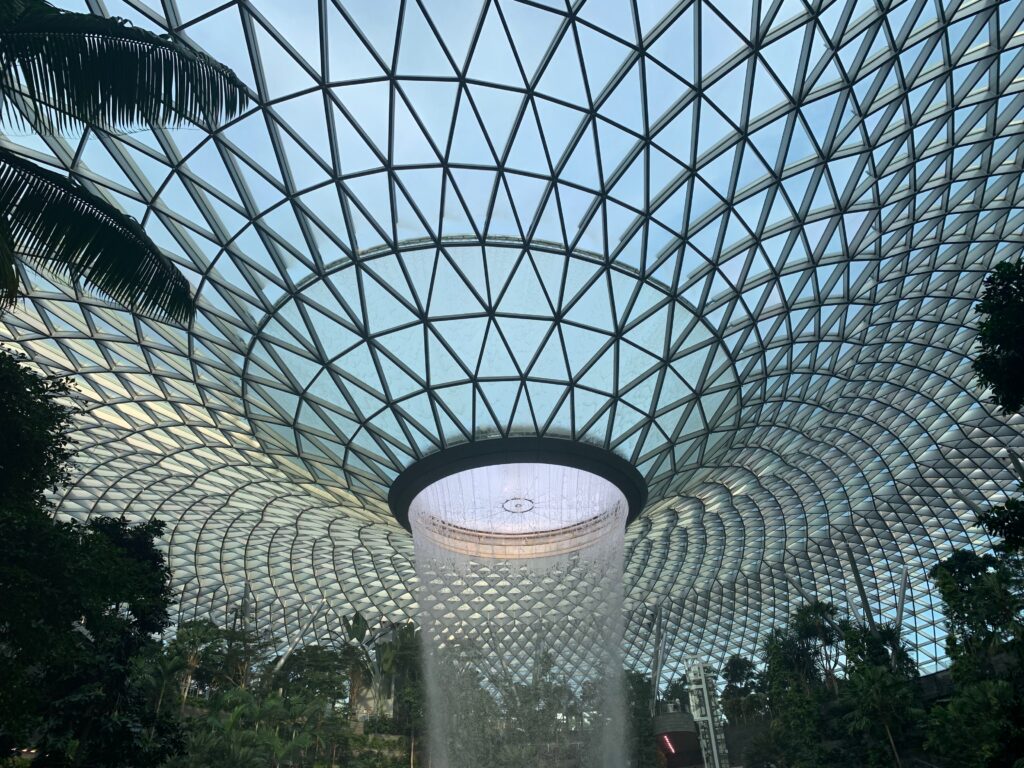
Jewel serves as a strategic bridge between Terminals 1, 2, and 3. While it offers hundreds of retail and dining outlets, its primary function for travelers is the Early Check-in Lounge, allowing passengers to drop luggage hours before their flight and explore the facility unencumbered. This integration of lifestyle and logistics is a core component of Singapore’s "Air City" concept, aimed at maximizing non-aeronautical revenue.

Passenger Wellness and Specialized Amenities
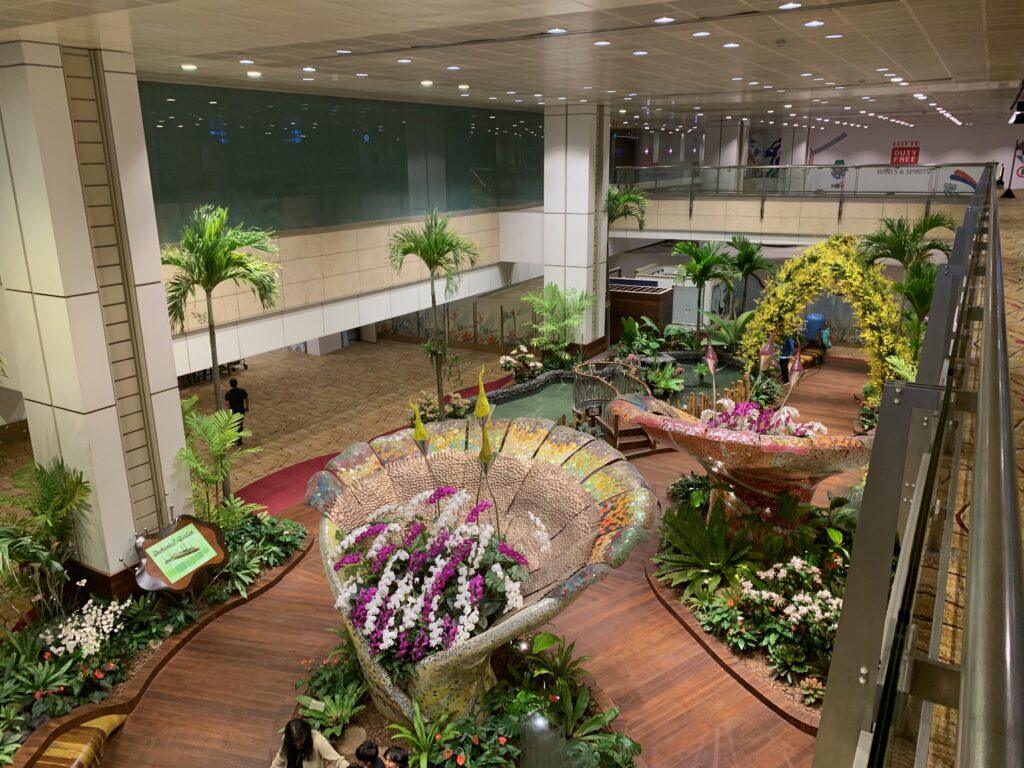
Changi is distinguished by its commitment to passenger wellness, offering amenities rarely found in international hubs. Terminal 1 houses a rooftop swimming pool and jacuzzi within the Aerotel Transit Hotel, accessible to all passengers for a fee. This facility allows travelers to exercise and recuperate between long-haul flights in an outdoor environment.
Each terminal features themed gardens designed to mitigate the stresses of travel:

- Terminal 1: The Cactus Garden, featuring over 100 species of cacti and succulents.
- Terminal 2: The "Wonderfall," a four-story digital waterfall, and the Sunflower Garden.
- Terminal 3: The world’s first airport Butterfly Garden, home to over 1,000 tropical butterflies.
- Terminal 4: The Heritage Zone, showcasing Peranakan architecture and digital theater.
For rest, the airport provides designated "Snooze Lounges" with ergonomic recliners, free of charge. These are supplemented by pay-per-use Ambassador Transit Lounges and airline-specific facilities such as the KrisFlyer Gold Lounges. Furthermore, free 24-hour movie theaters in Terminals 2 and 3 provide entertainment for passengers during extended transits.
Ground Transportation and Urban Access
Connectivity between the airport and the central business district (CBD) is maintained through three primary modes of transport:
- Mass Rapid Transit (MRT): The airport station connects to the East-West Line. Passengers typically transfer at Tanah Merah station to reach the city center. A secondary connection via the Downtown Line is available at Expo station.
- Ride-Hailing and Taxis: While Uber does not operate in Singapore, Grab and Gojek are the dominant ride-hailing platforms. Taxis are available 24 hours a day at designated stands, with fares to the city center ranging from SGD 25 to SGD 45, inclusive of airport surcharges.
- Public Bus Network: Basement bus bays provide access to local routes, requiring exact change or a contactless payment card.
Strategic Outlook and Economic Significance
The continued expansion of Changi Airport is vital to Singapore’s economy, as the aviation sector contributes approximately 5% to the national GDP and supports nearly 200,000 jobs. The upcoming Terminal 5 project is not merely an expansion of capacity but a strategic move to ensure Singapore remains competitive against emerging hubs in the Middle East and elsewhere in Asia.
The airport’s management has emphasized sustainability in its future plans, aiming to halve its 2018 carbon emission levels by 2030. This includes the implementation of solar energy, water recycling systems, and the transition to sustainable aviation fuel (SAF). As global travel patterns evolve, Changi’s ability to balance technological automation with high-touch passenger amenities will likely remain the benchmark for the international aviation industry.
For the modern traveler, Changi represents a shift from the airport as a utilitarian transit point to a destination in its own right. Its success lies in the meticulous attention to logistical detail—from the speed of baggage claim to the climate control of its terminals—ensuring that even as it processes nearly 100 million people, the individual passenger experience remains efficient and predictable.



 Anjar Salim
 Chandra Hamzah
 Tatiana Tantri Indah Sari
 Lukman Taruna Persada Ramadan
