
 Anjar Salim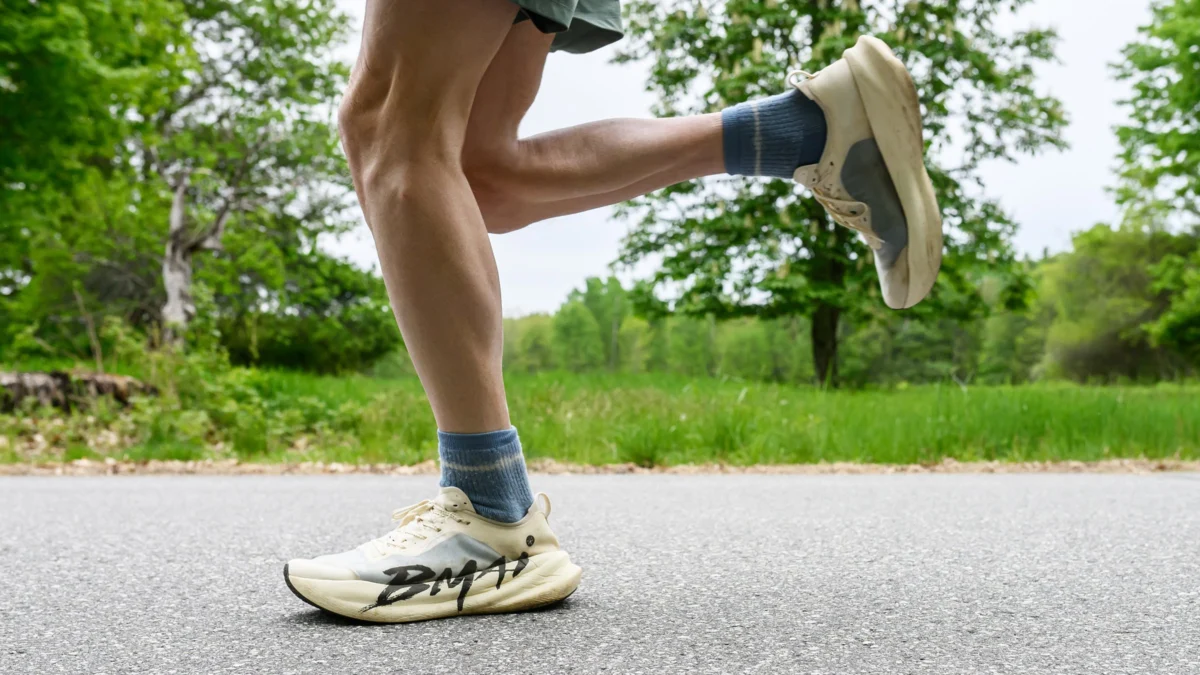
The global athletic footwear industry is currently witnessing a paradigm shift as Chinese domestic brands transition from being the world’s primary manufacturers to becoming its most aggressive innovators. Once relegated to the fringes of enthusiast forums on Reddit and niche YouTube channels, brands such as Li-Ning, Anta, 361 Degrees, and Qiaodan are now challenging the market dominance of established Western giants like Nike, Adidas, and Saucony. This emergence is driven by a unique confluence of high-performance materials, disruptive pricing models, and a massive domestic running boom within China that has forced a rapid evolution in shoe technology.
As of mid-2026, the retail landscape for running shoes in the West has seen prices for "super trainers" and carbon-plated racers climb toward the $200 to $250 range. In contrast, Chinese manufacturers are leveraging direct-to-consumer (DTC) models and local supply chain efficiencies to offer comparable technology—including advanced supercritical foams and durable carbon plates—at a fraction of the cost. Industry analysts note that what began as a search for value has evolved into a legitimate performance movement, as independent testing confirms that these "Red Runners" often match or exceed the durability and energy return of their more expensive Western counterparts.
The Economic Engine: DTC Models and Price Disruption
The primary driver behind the sudden visibility of Chinese running shoes is an economic model that prioritizes high volume and rapid inventory turnover. According to Lei Yu, a sports industry consultant specializing in the bridge between Chinese manufacturing and U.S. markets, the competitive landscape in China is exceptionally cut-throat. Unlike the Western model, where a shoe might maintain its manufacturer’s suggested retail price (MSRP) for a full year, Chinese brands often apply deep discounts shortly after launch.
"The official retail price in the Chinese market is frequently a placeholder," Yu explains. "It is common to see a 30 percent reduction almost immediately after the initial release, followed by further cuts to clear inventory for the next production cycle."
This rapid cycle is supported by a direct-to-consumer infrastructure. By bypassing traditional retail middlemen and selling through platforms like AliExpress, Taobao, and increasingly, dedicated U.S.-facing sites, these brands can offer a plated racing shoe featuring modern PEBA (Polyether Block Amide) or A-TPU (Aliphatic Thermoplastic Polyurethane) foam for approximately $50 to $90 USD. Even when including international shipping and tariffs, the cost to the consumer remains significantly lower than the $160 to $180 price point typical of entry-level performance trainers in the United States.
Technological Innovation: The Foam and Outsole Revolution
The perception of Chinese footwear as mere "clones" of Western designs has been debunked by the introduction of proprietary materials that often reach the market ahead of Western iterations. A significant portion of the world’s high-end midsole foam is produced in Chinese factories; local brands have leveraged this proximity to integrate "super foams" into their mid-tier and daily training models.
One of the most notable technological advantages found in recent Chinese models is the use of Casting Polyurethane (CPU) for outsoles. While most Western brands utilize various forms of blown rubber or carbon rubber, CPU is prized for being both lighter and significantly more durable. In longitudinal testing covering over 1,000 miles across various terrains, Chinese models utilizing CPU outsoles have demonstrated superior traction and wear resistance, particularly on wet roads and synthetic tracks.
Furthermore, the Chinese market has specialized in "go-fast" shoes. Because profit margins are thinner on basic daily trainers, brands have focused their research and development on plated racers and "super trainers." This has resulted in a market where even "normal" everyday shoes often feature carbon or nylon plates, intended to provide the energy return usually reserved for elite race-day footwear.
Domestic Demand: The Catalyst for Growth
The rapid advancement of these brands is fueled by an unprecedented "running boom" within mainland China. The scale of participation in Chinese distance running has reached levels that dwarf Western equivalents. For instance, the 2026 Wuxi Marathon recently reported that nearly 500,000 individuals applied for just 35,000 available race slots.
This massive, data-hungry consumer base demands constant innovation. Domestic brands respond by shortening production cycles, often releasing updated iterations of popular models every six to nine months. This "fast-fashion" approach to performance footwear ensures that the latest advancements in geometry and material science are in the hands of consumers much faster than the traditional 18-to-24-month development cycles favored by legacy Western brands.
Navigating the Global Marketplace: Logistics and Sizing
For the international consumer, acquiring these shoes remains a process that requires more diligence than a standard retail transaction. The primary hubs for purchase are AliExpress and Taobao. While AliExpress offers a more user-friendly experience for Westerners, Taobao often requires the use of third-party proxies or specialized shipping apps due to its Chinese-language interface.
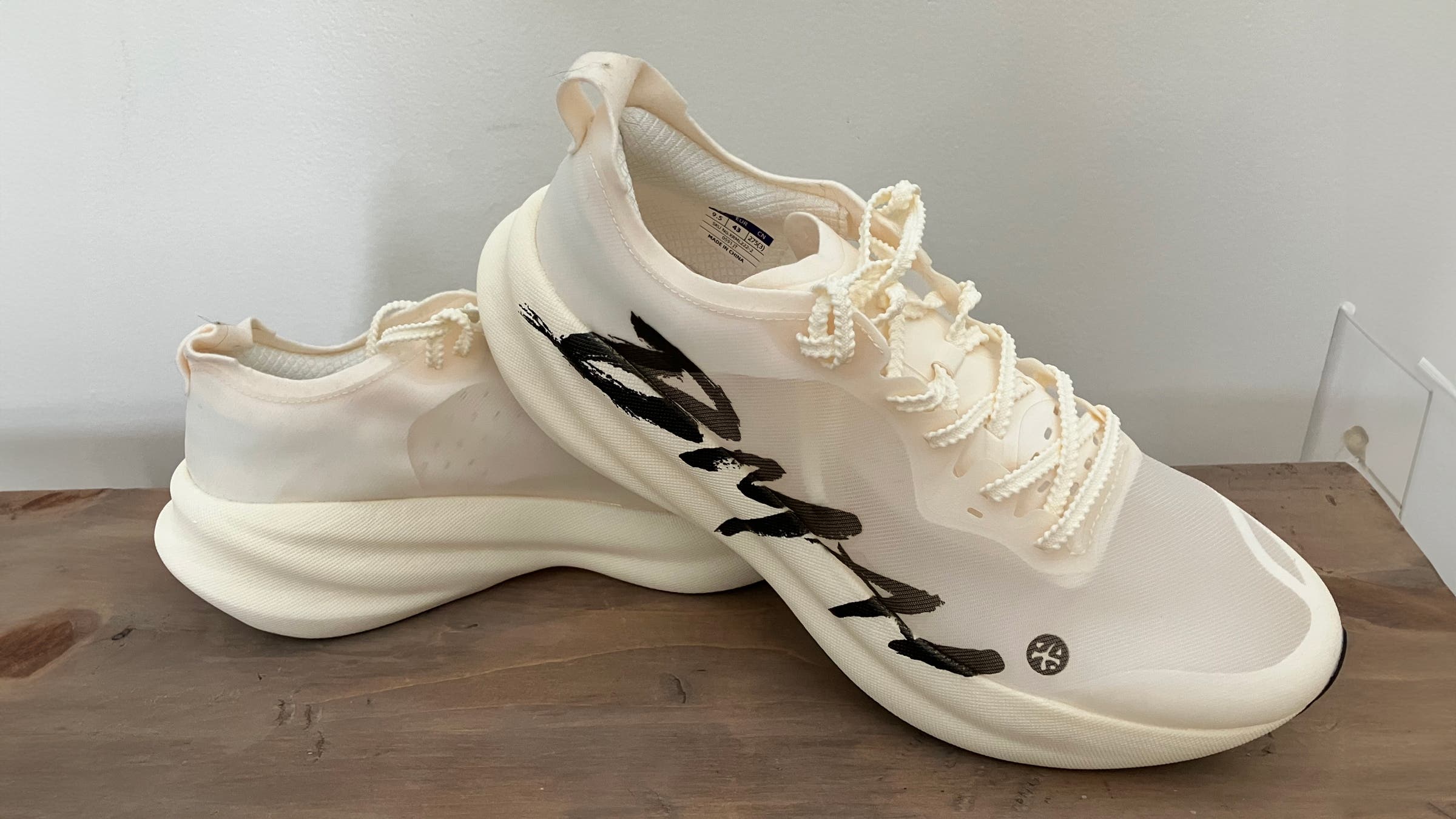
Logistics remain a hurdle for those accustomed to rapid delivery. Shipping times from China to North America typically range from 11 to 25 days. However, the market is beginning to mature; brands like Anta and 361 Degrees have established U.S.-specific commerce sites, and niche importers like Supwell have begun stocking popular models like the Dynafish Xiaonian for domestic five-day delivery.
Sizing also presents a challenge. Chinese brands primarily size their footwear in centimeters, with U.S. and U.K. conversions often being approximations that vary between manufacturers. Industry experts recommend that buyers measure their foot length in centimeters and match it directly to the manufacturer’s CM scale rather than relying on their usual U.S. size to avoid common fitting discrepancies.
Analysis of Key Performance Models
The current market features several standout models that illustrate the diversity and capability of Chinese footwear engineering:
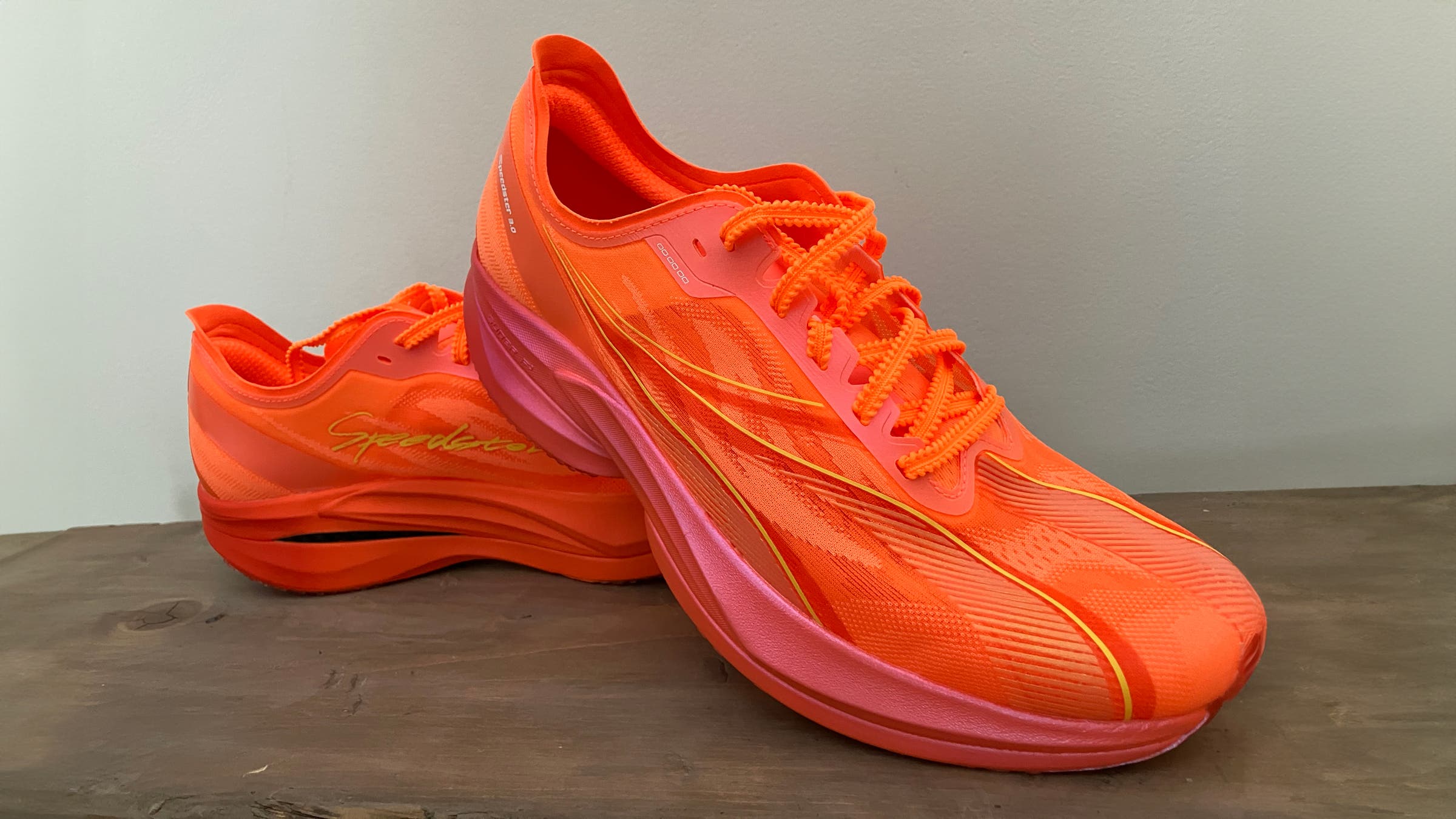
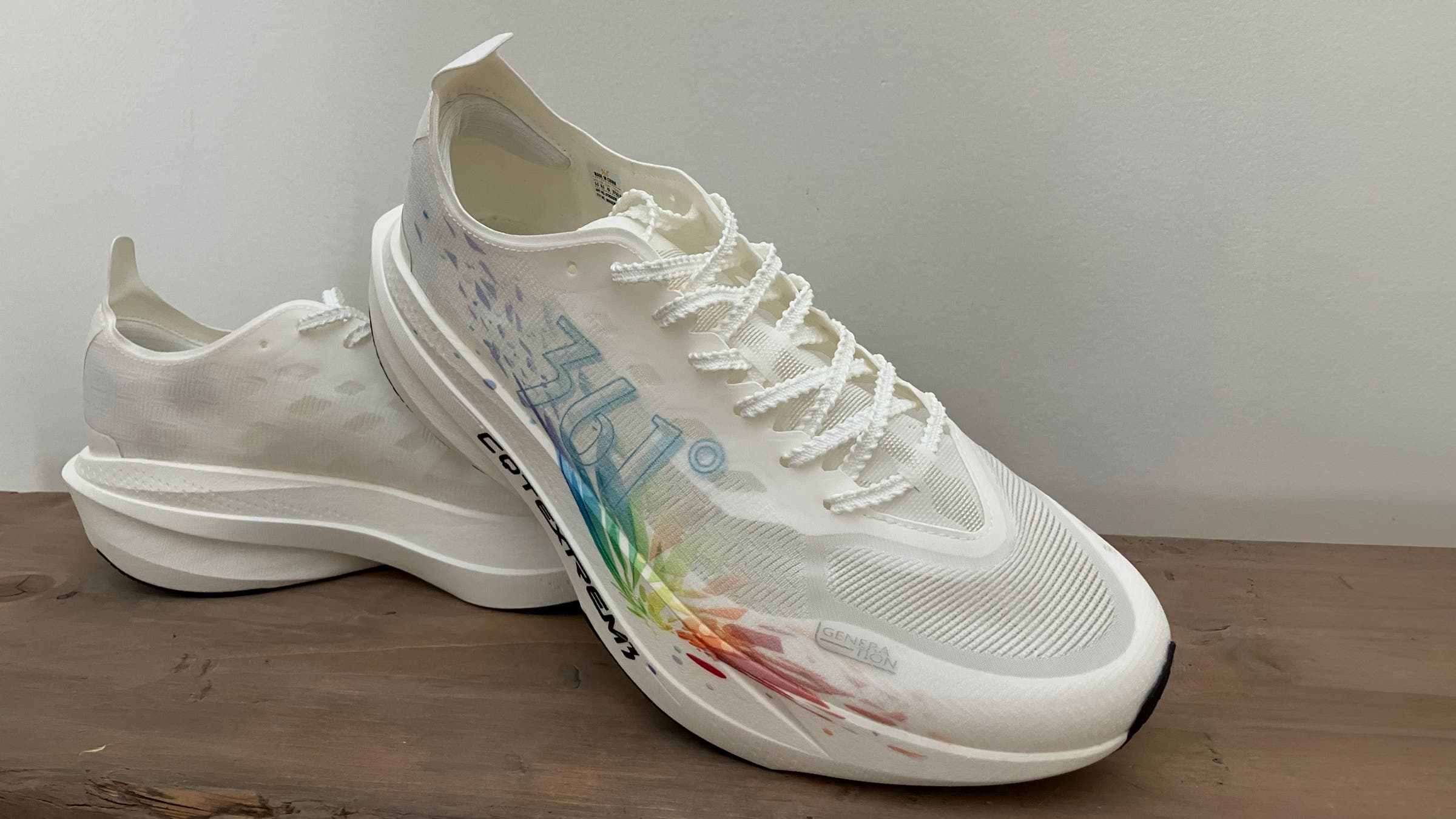
1. The Versatile Performance Trainer: 361 Degrees Miro Nude ST
Positioned as a training companion to elite racers, the Miro Nude ST utilizes TPEE foam and a midfoot shank. It has been noted for its stability and performance across various paces, from recovery runs to marathon-pace workouts. Its midsole foam is produced in the same facilities that supply major Western brands, yet it is often available at a lower price point while offering superior traction.
2. The Lightweight Luxury: Dynafish Xiaonian
A non-plated model that has gained a "cult" following, the Xiaonian is frequently compared to the Asics Superblast. Weighing approximately 7.1 ounces with a 41mm heel stack, it provides a high-volume TPEE midsole that offers a more accommodating ride than many aggressive super shoes, making it a preferred choice for high-mileage marathon training.
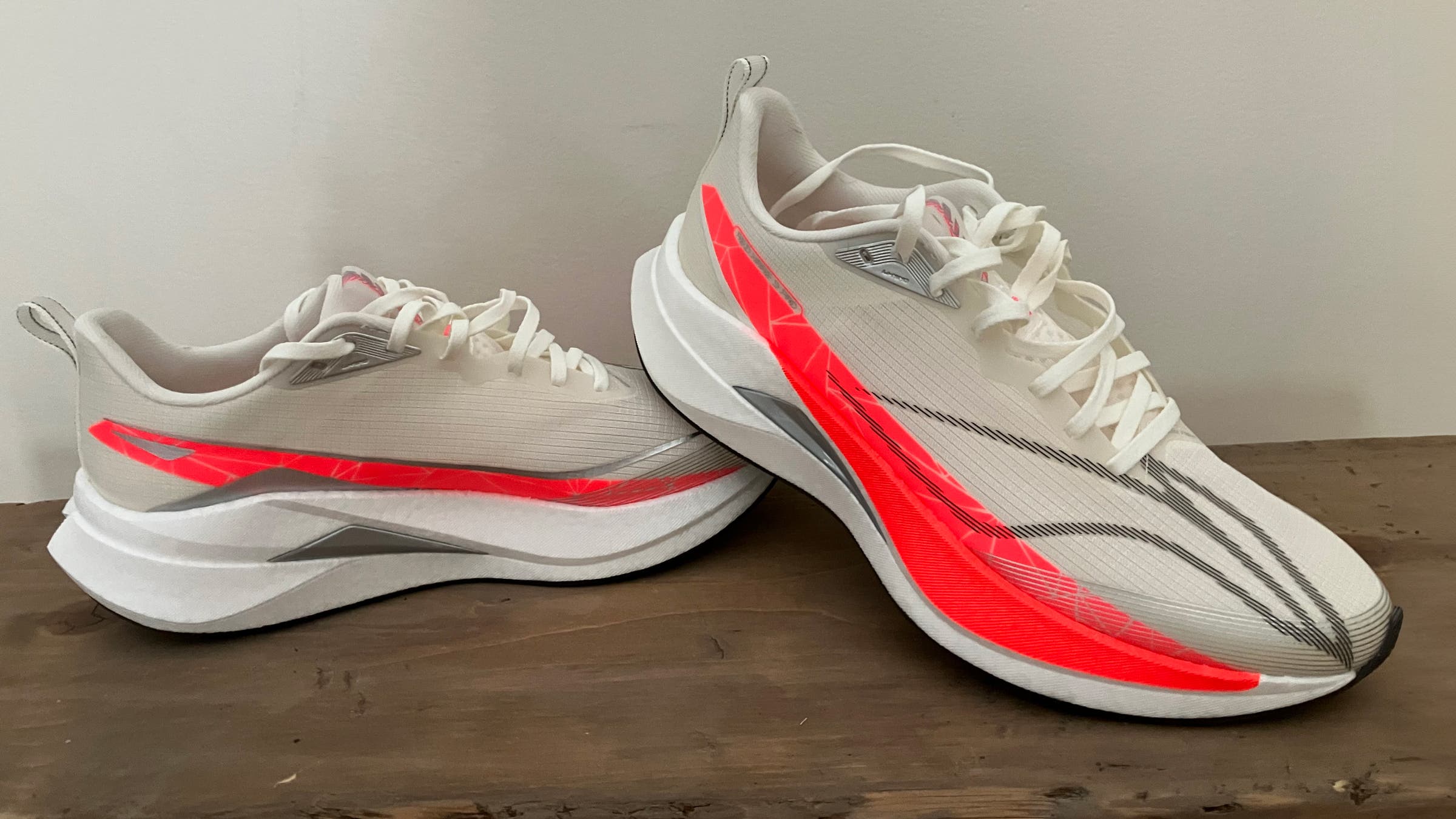
3. The Value Benchmark: Li-Ning Red Hare Pro 9
Retailing for approximately $90 USD, the Red Hare Pro 9 is often cited as the Chinese equivalent to the Saucony Endorphin Speed. It features a beaded A-TPU midsole and a flexible plate, providing a balance of cushioning and responsiveness that makes it a "one-shoe" solution for runners on a budget.
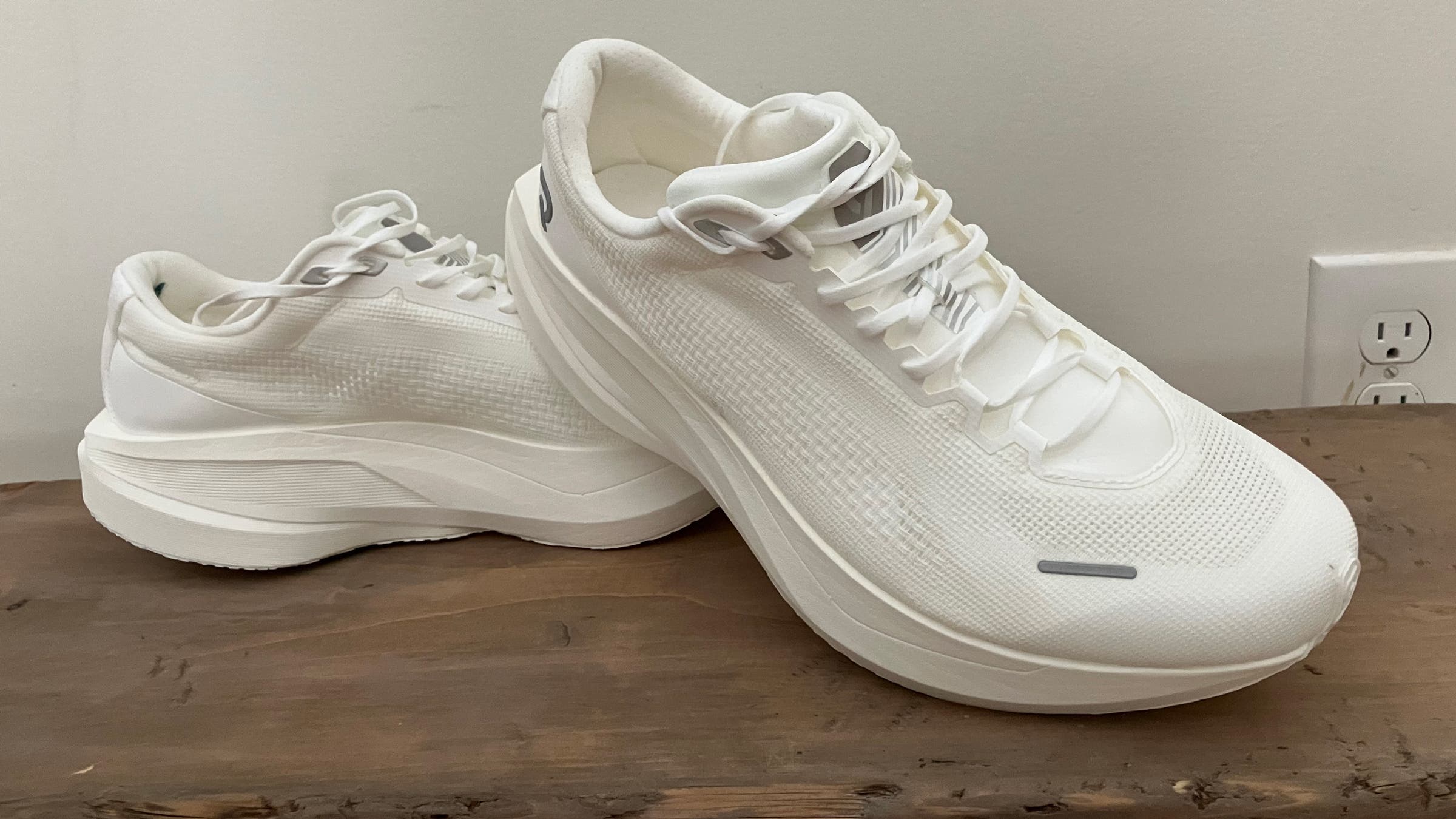
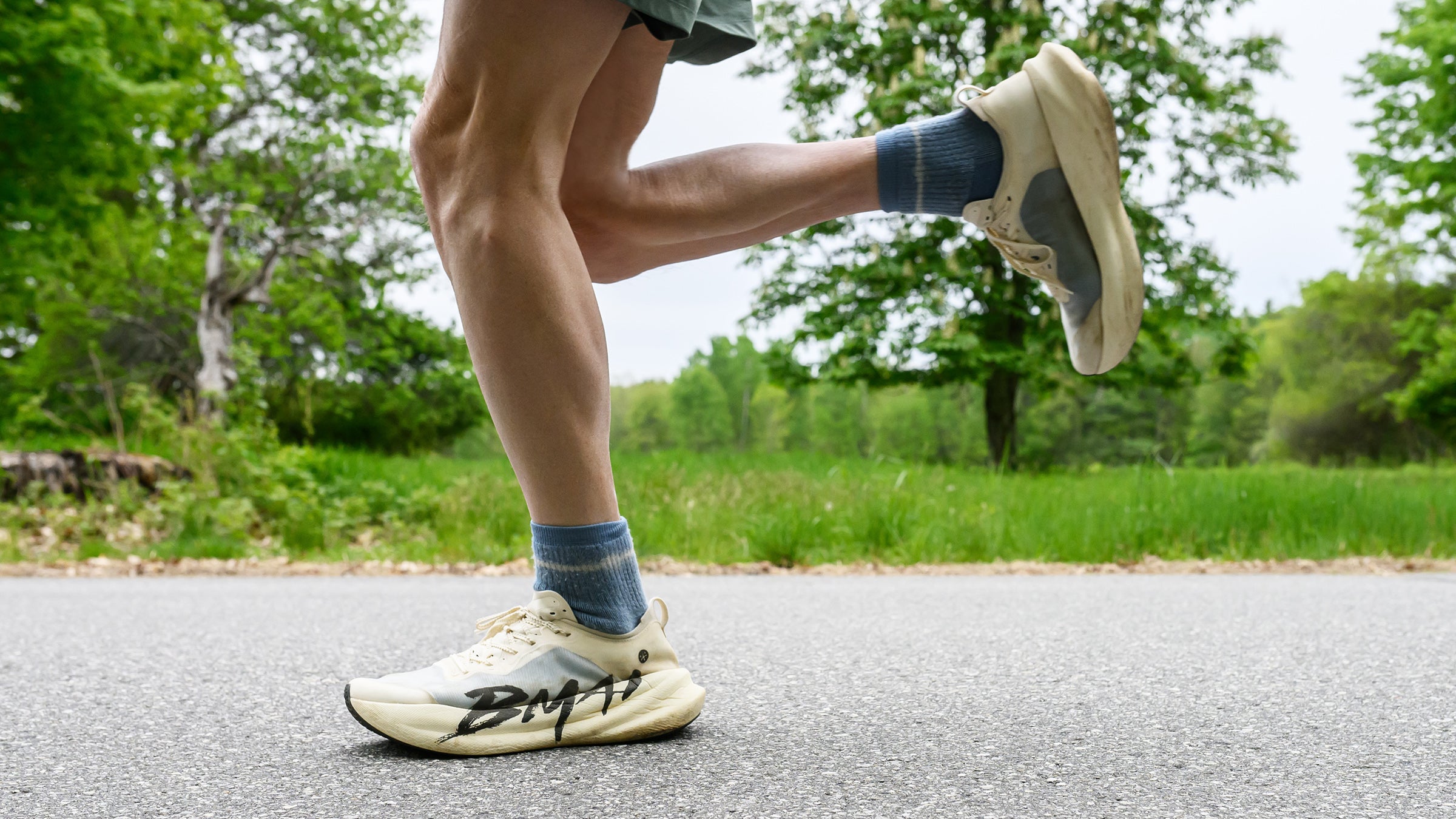
4. The Aggressive Racer: BMAI Jingtan 3.0 Turbo
Utilizing a PEBA midsole and a full carbon plate, the Jingtan 3.0 Turbo represents the pinnacle of Chinese racing technology. Despite its high-performance specs, it maintains a smooth ride at slower paces, a trait often missing from Western "pinnacle" racers like the Nike Vaporfly.
5. The Recovery Tool: Xtep Qingyun 2.0
While heavier than its counterparts at 10.9 ounces, the Qingyun 2.0 utilizes a beaded A-TPU foam tuned specifically for impact protection. It serves as a testament to the market’s broadening scope, moving beyond just speed to address the needs of recovery and injury prevention.
Broader Implications for the Footwear Industry
The rise of Chinese running brands represents a significant disruption to the established hierarchy of the athletic industry. For decades, Western brands maintained a "moat" through marketing spend and perceived technological superiority. However, the democratization of supercritical foam technology and the transparency provided by global social media have eroded these barriers.
The success of these brands suggests that the $200 price floor for performance running shoes is artificial. As more runners experience the durability and "pop" of $80 Chinese trainers, Western brands may face increasing pressure to justify their premium pricing or risk losing significant market share to the DTC powerhouses of the East.
Furthermore, this shift is forcing a change in how performance is measured. With Chinese brands prioritizing durability—evidenced by the widespread use of CPU outsoles—the "disposable" nature of some Western super shoes (which often lose their performance characteristics after 200 miles) is coming under increased scrutiny.
Conclusion
The "moment" Chinese running shoes are currently enjoying is not a fleeting trend but the result of a decade of industrial scaling and domestic passion for the sport. For the savvy consumer, these brands offer a gateway to elite-level technology without the elite-level price tag. As delivery windows shrink and sizing charts become more standardized, the presence of Li-Ning, Anta, and their contemporaries on the starting lines of major world marathons is expected to become as common as the legacy brands they are currently out-pacing.




 Chandra Hamzah
 Tatiana Tantri Indah Sari
 Budi Mulyono
 Lukman Taruna Persada Ramadan