
 Diana Nuri Rohmawati
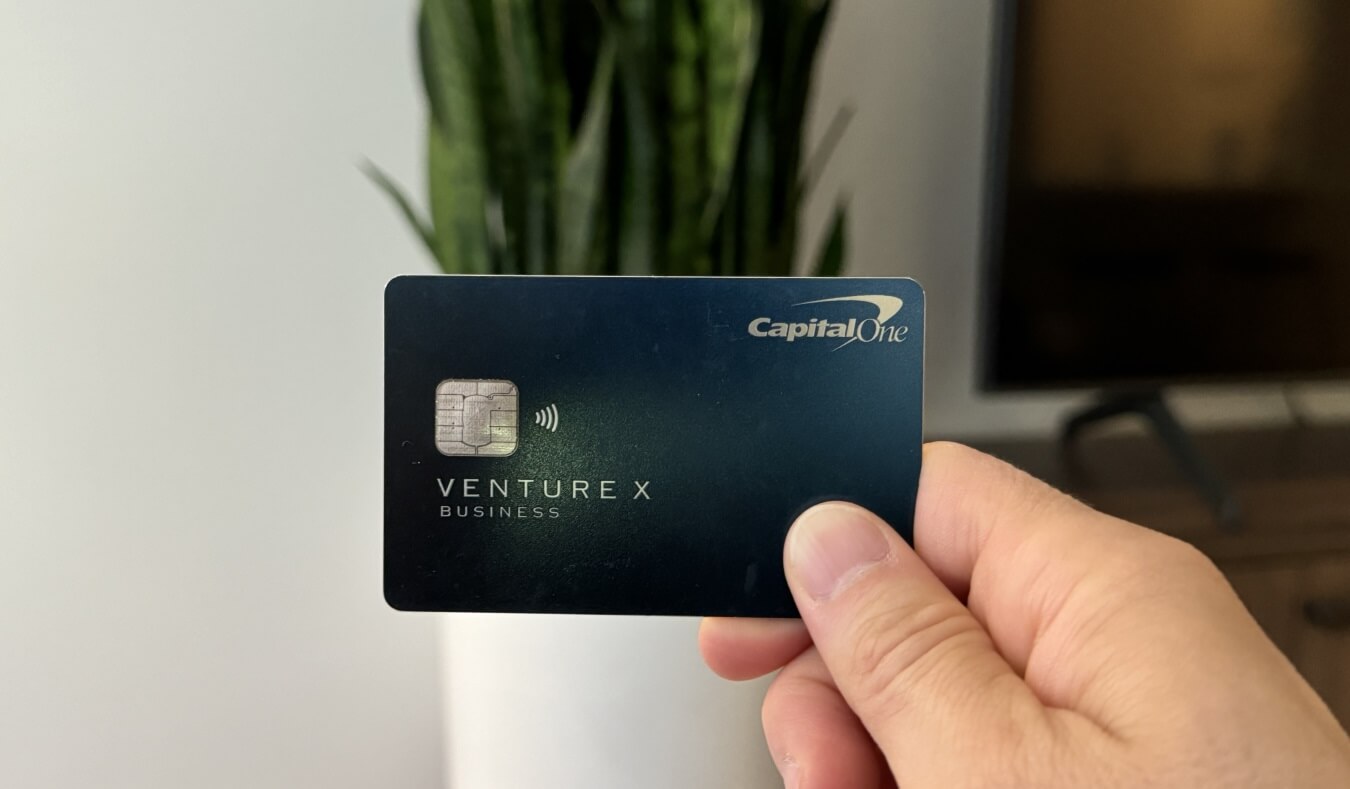
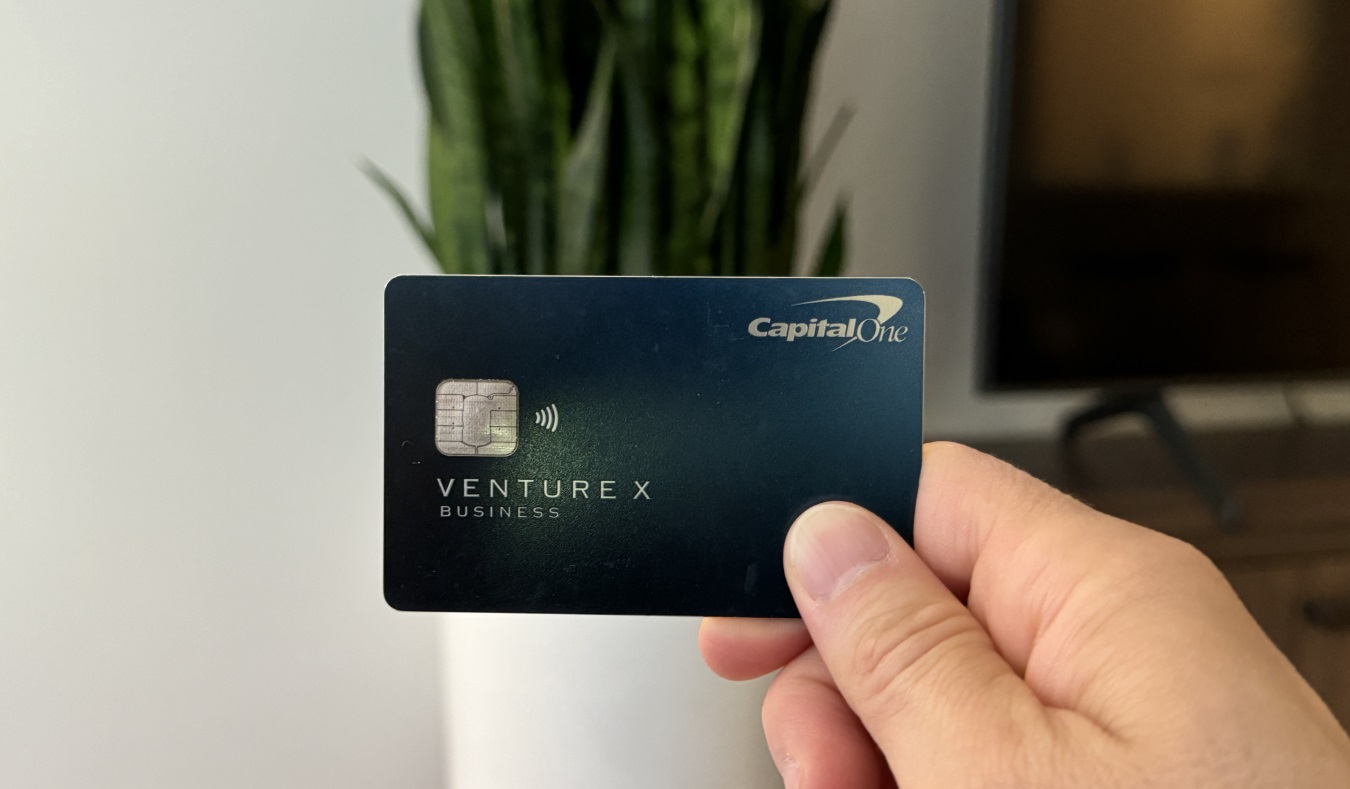
The Capital One Venture X Business credit card has emerged as a significant disruptor in the premium commercial lending sector, offering a suite of travel-centric benefits designed to compete directly with established players like American Express and JPMorgan Chase. As small and medium-sized enterprises (SMEs) increasingly seek to optimize operational expenditures, the financial services industry has seen a pivot toward high-value, high-annual-fee products that offer outsized returns on travel and lifestyle spending. The Venture X Business card, positioned as the corporate counterpart to the successful consumer Venture X card, attempts to balance a high barrier to entry with a simplified reward structure and substantial annual credits.
Evolution of the Venture Ecosystem and Market Context
Capital One’s trajectory in the credit card market has undergone a fundamental shift over the last decade. Historically recognized for its mid-tier and entry-level products, the Virginia-based bank made a decisive move into the "luxury" travel space with the launch of the personal Venture X card in late 2021. Following the positive market reception of that product, the bank introduced the Venture X Business card to capture the significant spend volumes generated by business owners.
The timing of this expansion coincided with a post-pandemic surge in business travel and a growing demand for "premiumization" in financial services. Market analysts note that business owners are often more resilient to annual fee increases than general consumers, provided the utility of the card—measured through lounge access, travel insurance, and simplified accounting—outweighs the cost. The Venture X Business enters a crowded field where the American Express Business Platinum and the Chase Ink Business Premier have long held dominance. However, by pricing the annual fee at $395, Capital One has strategically undercut its primary competitors, many of whom charge between $600 and $700 for similar premium tiers.
Technical Specifications and Financial Structure
The financial viability of the Venture X Business card is predicated on a "net-zero" or "positive-value" model for high-volume spenders. The card carries a $395 annual fee, which is standard for the premium tier but significantly lower than the $695 charged by the American Express Business Platinum. To offset this cost, the card provides several fixed-value incentives.
Chief among these is a $300 annual travel credit. This credit is applicable to bookings made through the Capital One Travel portal, covering flights, hotel stays, and car rentals. Furthermore, the card offers an "anniversary bonus" of 10,000 miles every year, beginning on the first anniversary of account opening. When redeemed for travel at a rate of one cent per mile, this bonus equates to $100 in value. From an accounting perspective, these two features combined offer $400 in annual value, effectively neutralizing the $395 fee for any business that spends at least $300 annually on travel.
The reward earning structure is characterized by its lack of complexity, a departure from the "category-chasing" models used by other banks. The card earns a flat 2x miles on all purchases, regardless of the spending category. For businesses with diverse expenses—such as inventory, shipping, and utilities—that do not fall into traditional "bonus" categories like dining or advertising, this 2x baseline provides a higher floor for rewards accumulation. Additionally, the card offers 5x miles on flights and 10x miles on hotels and rental cars when booked specifically through the Capital One Travel portal.
The Welcome Offer and Capital Requirements
A defining characteristic of the Venture X Business card is its substantial welcome offer, which is tailored for established businesses rather than solo entrepreneurs or "side hustles." While the specific number of miles offered can fluctuate based on seasonal promotions, the spending requirement remains consistently high, often requiring $30,000 or more in purchases within the first three months of account opening.
This high threshold serves as a vetting mechanism for the bank, ensuring that the cardholders are high-revenue entities capable of generating significant interchange fees. For businesses that meet this requirement, the influx of miles can facilitate multiple international business class flights or dozens of domestic hotel stays, representing thousands of dollars in "soft-cost" savings for the company’s travel budget.
Redemption Ecosystem and Transfer Partnerships
The utility of Capital One miles has evolved from a simple "purchase eraser" model to a sophisticated transfer-based system. While cardholders can redeem miles at a flat rate of one cent per mile to cover travel purchases made on the card, financial experts generally suggest that the highest value is found through transfer partners.
Capital One currently maintains partnerships with over 15 airline and hotel loyalty programs. Most of these partnerships allow for a 1:1 transfer ratio. Key partners include:
- Aeromexico Club Premier
- Air Canada Aeroplan
- Avianca LifeMiles
- British Airways Executive Club
- Cathay Pacific Asia Miles
- Emirates Skywards
- Flying Blue (Air France-KLM)
- Turkish Airlines Miles&Smiles
- Virgin Red
- Wyndham Rewards
By transferring miles to these partners, business owners can often book premium cabin international travel at a valuation of 2.0 cents per mile or higher, effectively doubling the "cash-back" equivalent of their 2x spending. However, this requires a level of engagement with loyalty program logistics that may not appeal to all business owners, some of whom prefer the simplicity of the Capital One Travel portal.
Infrastructure and Lounge Expansion
A critical component of the premium card value proposition is "ground-side" utility, specifically airport lounge access. The Venture X Business provides unlimited access to the Capital One Lounge network. Currently, Capital One has opened flagship lounges at Dallas/Fort Worth (DFW), Washington-Dulles (IAD), and Denver (DEN), with several more in development.
These proprietary lounges are designed to compete with the American Express Centurion Lounges, featuring high-end amenities such as soundproof relaxation rooms, shower suites, and curated dining. In addition to its own lounges, Capital One provides Venture X Business cardholders with a full Priority Pass Select membership, granting access to over 1,300 airport lounges and experiences globally. This dual-access strategy ensures that business travelers have options even in airports where a dedicated Capital One facility is not yet available.
Competitive Comparison and Strategic Positioning
When analyzed against its peers, the Venture X Business card occupies a middle ground between "luxury" and "utility."
- Vs. American Express Business Platinum: The Amex product offers a wider array of statement credits (Dell, Adobe, wireless service) and access to the Centurion Lounge network. However, its $695 fee and complex 1x/1.5x earning structure can be cumbersome for businesses that prefer a "one-card" solution.
- Vs. Chase Ink Business Preferred: The Chase card has a much lower annual fee ($95) and strong 3x categories, but it lacks the premium lounge access and the $300 travel credit found in the Venture X Business.
- Vs. Chase Ink Business Premier: This is perhaps the closest competitor in terms of 2x earning, but the Ink Premier is a "pay-in-full" card whose rewards cannot be transferred to travel partners, making it a cash-back product rather than a true travel rewards card.
The Venture X Business is unique in that it offers a high-end travel experience (lounges and credits) paired with the simplicity of a flat-rate earning model.
Broader Economic and Industrial Implications
The proliferation of cards like the Venture X Business reflects a broader trend in the financial industry: the "consumerization" of business products. Banks have recognized that small business owners often manage their professional and personal lives through a single lens. By offering a business card that mimics the perks of a high-end consumer card, Capital One is betting on "wallet share" dominance.
Furthermore, the emphasis on travel portals (like the Hopper-powered Capital One Travel) suggests a shift in how banks generate revenue. By incentivizing cardholders to book through their proprietary platforms via 5x and 10x multipliers, banks can capture commissions and data that would otherwise go to third-party online travel agencies (OTAs) like Expedia or Priceline.
From a credit risk perspective, the high spend requirements for the Venture X Business suggest that the industry is leaning toward "transactors"—businesses that spend heavily and pay in full—rather than "revolvers" who carry a balance. This reduces the bank’s exposure to interest rate volatility while maximizing interchange revenue.
Conclusion
The Capital One Venture X Business Credit Card represents a calculated attempt to redefine the value-to-cost ratio in the premium business rewards sector. By offering a $395 annual fee that is largely offset by annual credits and bonuses, the bank has created a low-friction entry point for SMEs. While the high initial spend requirement poses a barrier for new or smaller entities, the simplicity of 2x rewards and the depth of the transfer partner network provide a compelling case for established businesses. As the "lounge wars" and "credit wars" between major issuers continue to escalate, the Venture X Business serves as a benchmark for how banks are integrating luxury travel perks with straightforward commercial financial tools.




 Budi Mulyono
 Anjar Salim
 Chandra Hamzah
 Tatiana Tantri Indah Sari

 Lukman Taruna Persada Ramadan