
 Walid Sujud Trenggono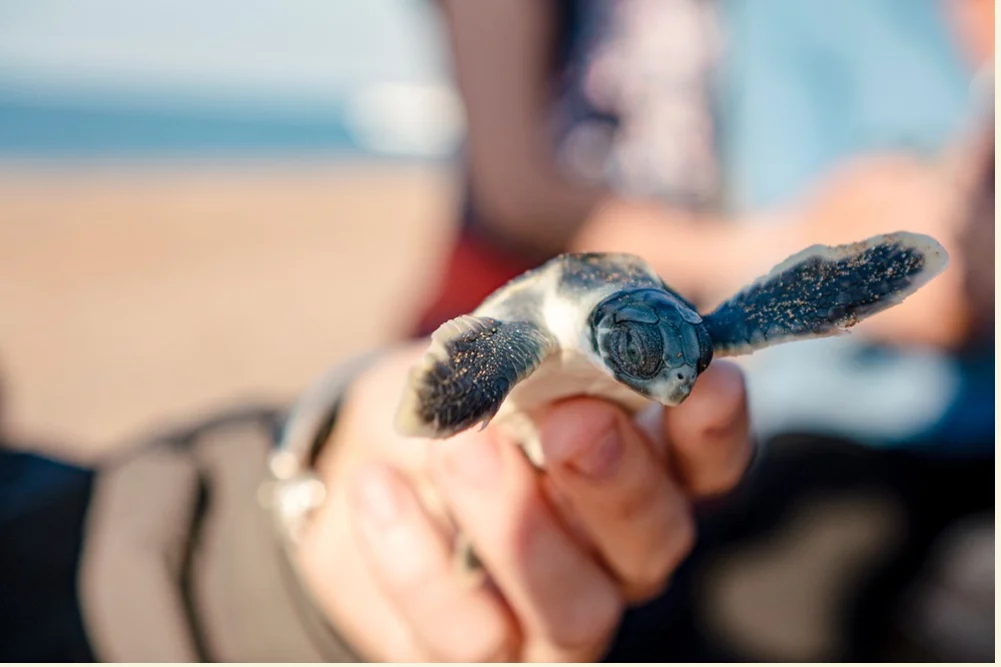
Bare Sand Island, a remote outpost situated on the edge of the Joseph Bonaparte Gulf in the Northern Territory, has emerged as a critical site for the study and preservation of the flatback turtle (Natator depressus). Unlike other sea turtle species that migrate across vast oceanic basins, the flatback is unique for being entirely endemic to the continental shelf of Australia. Despite its ecological significance, the species remains one of the least understood marine reptiles in the world, currently classified as "data deficient" by both the Northern Territory government and the International Union for Conservation of Nature (IUCN) Red List. This lack of comprehensive data has spurred a multi-decade research initiative led by AusTurtle, a volunteer-based organization dedicated to uncovering the mysteries of the flatback’s life cycle and securing its future against the escalating threats of climate change.
The research conducted on Bare Sand Island, known as Ngulbitjik to the traditional Kenbi owners, focuses on a seasonal nesting population of approximately 650 middle-aged female turtles. Every winter, coinciding with the "halcyon days" of the winter solstice, these turtles return to the island’s shores to lay their eggs. The window for nesting is narrow, typically occurring within two hours of high tide, requiring researchers to maintain a rigorous 24-hour monitoring schedule. The data collected during these midnight vigils—ranging from carapace measurements and flipper tagging to nest temperature recordings—is vital for shifting the species’ status from a scientific mystery to a conservation priority.
Biological Profile and the Mystery of Natator Depressus
The flatback turtle derives its scientific name, Natator depressus, from its characteristically flattened, low-domed shell, which distinguishes it from the more rounded carapaces of the green or loggerhead turtles. While most sea turtles undergo an oceanic phase where hatchlings disappear into the open sea for several years, flatbacks are believed to remain in the relatively shallow, turbid waters of the Australian inner shelf. However, the specifics of their movements during the 30-year period between hatching and reaching sexual maturity remain largely unknown.
Adult flatbacks can weigh up to 90 kilograms and are known for producing the largest eggs of any sea turtle species, despite having smaller clutch sizes—averaging about 50 eggs per nest. This reproductive strategy is a high-stakes gamble; scientists estimate a survival rate of only one in 1,000 hatchlings. On Bare Sand Island, the nesting process is a display of "safety in numbers," as clusters of females land simultaneously to minimize the risk of individual predation. Once ashore, the turtles exhibit a meticulous nesting behavior, often clearing multiple sites before selecting an optimal location in the dunes to excavate a deep egg chamber using their hind flippers.
The AusTurtle Research Framework and Methodology
For over 30 years, the AusTurtle team has operated a seasonal research camp on Bare Sand Island. The program is distinguished by its reliance on a diverse cohort of volunteers, including marine biology students, scientists, and "grey nomads," who commit to week-long stints of intensive field research. The camp itself is a "no-impact" site, reflecting a commitment to environmental stewardship on traditional Kenbi land. There are no permanent structures, no ground fires, and a strict policy of removing all waste, including composted materials.
The research methodology is designed to be as non-invasive as possible. Monitoring begins at midnight, with researchers using red-light headlamps to minimize disorientation for the nesting females. The team records a variety of metrics:
- Carapace Measurement: Tracking the growth and physical condition of returning females.
- Identification Tagging: Both external flipper tags and internal PIT (Passive Integrated Transponder) tags are used to identify individual turtles, allowing researchers to track nesting frequency and site fidelity.
- Temperature Monitoring: Digital loggers are placed within the nests to monitor incubation temperatures, a critical factor in determining the sex of the hatchlings.
- Hatchling Rescue: During the morning hours, researchers survey the beach for collapsed nests. Hatchlings trapped beneath the sand are rescued and held for release under the cover of darkness to protect them from diurnal predators such as birds and the island’s resident saltwater crocodile, nicknamed "Graham."
Indigenous Stewardship and the Kenbi Land Claim
The conservation efforts on Bare Sand Island are inextricably linked to the history of the Kenbi people. In 2016, after a 37-year legal battle—one of the longest-running Aboriginal land claims in Australian history—the Kenbi clan was awarded native title over the island. For the Kenbi women, the island is a sacred site, believed to contain seasonal pools of monsoonal rain that are spiritually connected to the mainland.
The intersection of traditional Indigenous practices and modern scientific conservation has created a unique management dynamic. The Kenbi people continue to visit Ngulbitjik to harvest turtle eggs, a traditional food source often consumed raw. While this may appear at odds with conservation goals, lead researcher Andrew Raith argues that the practice is sustainable and provides the community with a vested interest in the species’ survival.
"These people have been using this resource for millennia, and these sea turtles are still here," Raith noted. He emphasizes that the cultural value placed on the turtles ensures that the Kenbi people act as guardians of the habitat, preventing over-harvesting to ensure future generations have access to the resource. This model of community-based conservation highlights the importance of integrating traditional ecological knowledge with Western scientific data.
The Climate Crisis: A Dire Outlook for Northern Populations
While localized predation and harvesting are manageable factors, the overarching threat to the flatback turtle is global warming. The species is particularly vulnerable due to its temperature-dependent sex determination (TSD). The sex of a sea turtle is determined by the temperature of the sand during incubation; higher temperatures result in a higher proportion of females. As global temperatures rise, scientists fear a "feminization" of the population, where a lack of males will eventually lead to reproductive failure.
Furthermore, rising sea levels pose a physical threat to the nesting grounds. Higher tides and increased storm surges can inundate nests, drowning the developing embryos. For the flatback populations in the Northern Territory, the geography of their habitat presents a significant challenge. Unlike species that might migrate further south to cooler latitudes as the climate warms, the Northern Territory turtles are already at the northernmost extent of their range. With no cooler coastlines available to the south within their established migratory paths, they are effectively "trapped" in a warming environment.
Ecological Implications of Species Loss
The potential extinction of the flatback turtle would have far-reaching consequences for the marine ecosystem. Sea turtles are considered "indicator species," meaning their health reflects the overall health of the environment they inhabit. Andrew Raith warns that the loss of flatbacks would trigger a trophic cascade, affecting various levels of the marine food web.
"If flatbacks go, you weaken the entire ecosystem," Raith stated. "It won’t just be the turtles that disappear. It will be the invertebrates, the corals, the algae that sea turtles harvest, and their predators too." As consumers of jellyfish, sea cucumbers, and soft corals, flatbacks play a vital role in maintaining the balance of benthic communities. Their disappearance would likely lead to an overabundance of certain prey species and the degradation of the coral reef systems that surround islands like Bare Sand.
Conclusion and Future Outlook
The work being done on Bare Sand Island represents a race against time to gather the necessary data to implement effective national conservation strategies. The 2024 nesting season has seen continued participation from the public, with volunteer placements booked months in advance and eco-tourism operators like Sea Darwin providing the public with opportunities to witness the nesting process firsthand.
However, the "data deficient" status remains a significant hurdle for securing federal funding and international protections. Until the gaps in the flatback’s life history—particularly their movements at sea and their precise population trends—are filled, conservationists are working with an incomplete picture. The ongoing collaboration between AusTurtle researchers, the Kenbi traditional owners, and the broader Australian community remains the flatback turtle’s best hope for survival in an increasingly volatile climate. As the sun sets over the Joseph Bonaparte Gulf, the slow, determined lumber of the flatback turtle up the beach serves as a reminder of the resilience of the natural world, and the urgent responsibility of humans to ensure that these "halcyon days" do not become a thing of the past.




 Anjar Salim
 Chandra Hamzah
 Tatiana Tantri Indah Sari
 Budi Mulyono
 Lukman Taruna Persada Ramadan
