
 Cholid Fahmi Thalib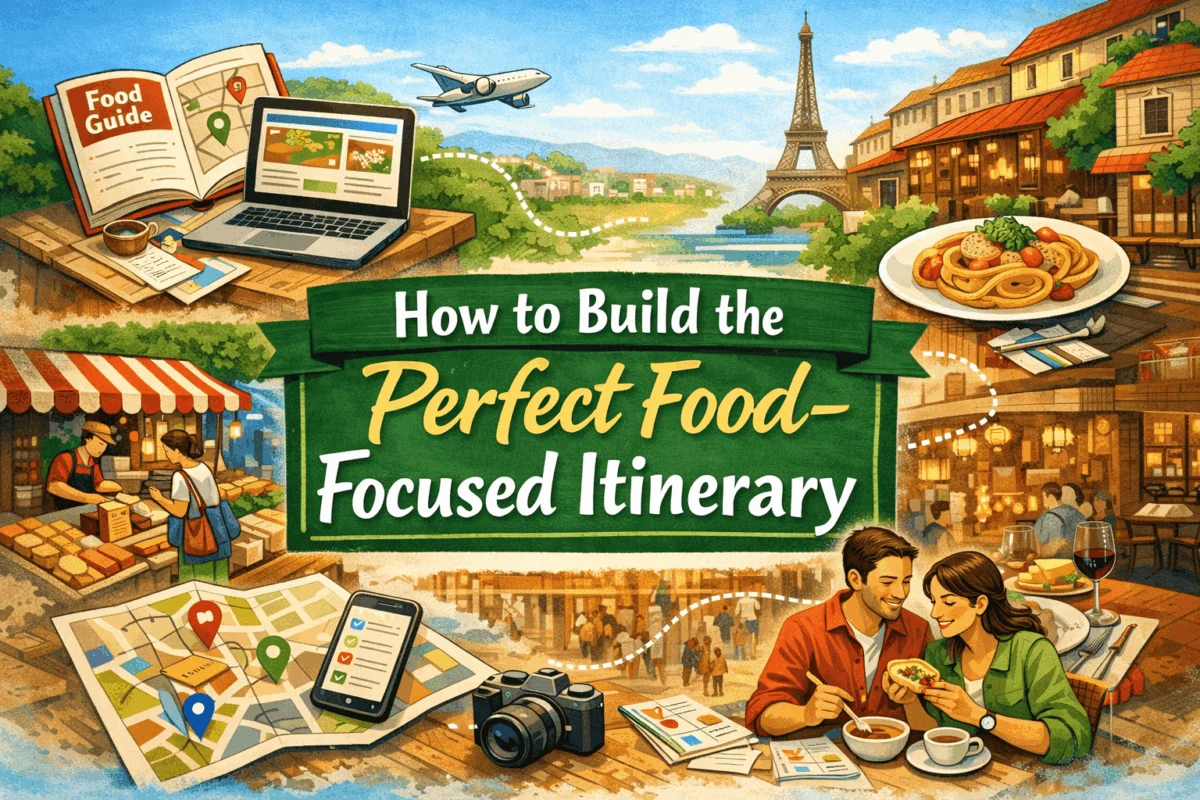
Travel, at its core, is a journey of discovery, and while the allure of iconic landmarks and breathtaking vistas is undeniable, it is often the culinary experiences that leave the most indelible mark on our memories. A meticulously planned meal, savored in an authentic setting, can offer a profound understanding of a place’s culture, traditions, and daily life, often surpassing the insights gained from hours of conventional sightseeing. By placing food at the epicenter of travel planning, individuals can forge deeper connections with local communities, optimize their time more effectively, and mitigate the stress associated with impulsive, last-minute decisions. This strategic approach allows for the deliberate design of an itinerary that mirrors a traveler’s genuine desire to experience a destination through its unique flavors, ingrained routines, and everyday gastronomic practices.
The Foundational Importance of Culinary Exploration in Travel
The notion that food is integral to the travel experience is supported by a growing body of evidence and expert opinion. According to a 2023 report by the World Food Travel Association, over 70% of travelers actively seek out local food experiences when visiting new destinations. This trend underscores a fundamental shift in how people approach travel, moving beyond passive observation to active engagement with the cultural fabric of a place. Food serves as a universal language, a direct conduit to understanding a region’s history, agricultural practices, social customs, and economic realities. The preparation, ingredients, and consumption of food are deeply intertwined with a community’s identity, and by prioritizing these aspects, travelers can unlock a richer, more nuanced appreciation of their chosen destination. This approach not only enhances personal enjoyment but also contributes to the economic sustainability of local food businesses and producers.
Strategic Planning: Researching Local Food Culture
The cornerstone of any successful culinary itinerary lies in thorough research into the local food culture. Understanding the typical eating habits of residents—what they consume, and crucially, when they consume it—is paramount. This knowledge directly informs how one can best structure their days to align with local rhythms, rather than attempting to impose an external schedule. For instance, recognizing that dinner in Madrid is a late affair, or that Florentine markets reach their zenith in the early morning, allows for a more harmonious integration into the local tempo.
To facilitate this in-depth research, travelers are encouraged to leverage a variety of resources. Local food blogs and online forums often provide candid insights and recommendations from those who live in the area. Engaging with these platforms can help identify hidden gems and authentic eateries that might be overlooked by mainstream tourist guides. Furthermore, the strategic use of tools such as Virtual Private Networks (VPNs) can unlock access to region-specific restaurant listings and culinary content that may be geo-restricted or not readily available in a traveler’s home country. This proactive approach is instrumental in sidestepping overly commercialized, tourist-centric establishments and discovering venues where quality and value genuinely reflect local expectations. This diligence not only ensures a more authentic dining experience but also supports the local economy by patronizing businesses that are deeply embedded within the community. The average traveler spends approximately 30% of their travel budget on food, highlighting the significant financial and cultural impact of these choices.
Balancing Pre-Planned Experiences with Spontaneity
While the desire to experience renowned culinary establishments and signature dishes is a natural part of gastronomic travel, filling every single meal slot with pre-booked reservations can inadvertently lead to a rigid and less enjoyable trip. A more balanced strategy involves reserving a select few key experiences – perhaps a tasting menu at a critically acclaimed restaurant, a visit to a historic café steeped in local lore, or a hands-on cooking class – and deliberately leaving interstitial periods open for flexibility.
This intentional space for serendipity allows travelers to act on spontaneous recommendations from locals, to be drawn into a bustling neighborhood eatery that catches their eye, or to stumble upon a pop-up market offering unique regional delicacies. This blend of planned immersion and unplanned discovery mitigates the pressure of a tightly controlled schedule and frequently leads to the most memorable and authentic culinary encounters, those that transcend online reviews and curated lists. This approach acknowledges that some of the most profound culinary insights are often gained through organic, unscripted interactions. A 2022 survey by travel industry analysts indicated that travelers who incorporate a degree of spontaneity into their itineraries report higher overall satisfaction levels.
Structuring Daily Itineraries Around Signature Food Experiences
To create a structured yet adaptable travel plan, it is highly effective to anchor each day around one significant culinary experience. This central focus provides a clear framework for the day’s activities without becoming overwhelming. For example, a morning might begin with an immersive visit to a vibrant local market, followed by a relaxed lunch at a nearby trattoria known for its regional specialties. The afternoon could then be dedicated to sightseeing or exploring a particular neighborhood, culminating in a pre-booked dinner reservation.
This method of "food-anchored" planning offers several practical advantages. It significantly reduces the need for unnecessary travel across a city, thus conserving energy and maximizing time. By allowing meals to dictate the flow of the day, travelers are naturally guided to explore different neighborhoods more deeply, fostering a more intimate understanding of the urban landscape and its diverse culinary offerings, rather than simply rushing between disconnected tourist attractions. This integrated approach ensures that the exploration of food and the exploration of place are inextricably linked, enriching both aspects of the travel experience. Research indicates that travelers who prioritize experiential activities, including culinary ones, tend to extend their trips by an average of 1.5 days.
Leveraging Digital Tools for Seamless Organization
In the modern travel landscape, a suite of digital tools can be invaluable for streamlining the planning process and ensuring easy access to all necessary information while on the move. Saving restaurant locations as pins on a preferred map application, consolidating all booking confirmations into a single digital folder, and maintaining a running list of dishes to try or ingredients to seek out can significantly enhance efficiency.
When all relevant information is centralized, travelers can dedicate less time to searching and managing logistics and more time to actively savoring their surroundings and the culinary discoveries at hand. This digital organization is particularly beneficial when travel plans require unexpected adjustments. For instance, a saved list of nearby cafes or markets can be quickly accessed if a planned lunch venue is unexpectedly closed. The widespread adoption of smartphones, with an estimated 95% of travelers using them for trip-related purposes, underscores the importance of these digital organizational strategies. Effective use of these tools can reduce pre-trip planning time by up to 20%.
Continuous Review and Adaptive Planning
The most dynamic and rewarding travel itineraries are those that are subject to ongoing review and adjustment. Checking in with one’s plan on a daily basis—assessing what is working well and what feels restrictive or out of sync—is crucial for maintaining a sense of flow and enjoyment. If a particularly indulgent lunch leaves one feeling overly satiated, it is sensible to opt for lighter fare or explore a different culinary niche for dinner, or even shift focus to a different neighborhood for the evening.
This process of continuous refinement ensures that the travel experience remains aligned with one’s evolving appetite, energy levels, and overall mood. It transforms the plan from a rigid set of instructions into a flexible guide that adapts to the realities of travel, fostering a more natural, organic, and ultimately, more satisfying journey. This adaptive approach recognizes that travel is a living, breathing experience, and that flexibility is key to unlocking its fullest potential. Travelers who engage in daily itinerary adjustments report a 15% higher likelihood of discovering unexpected culinary delights. The ability to pivot based on real-time experiences is often the hallmark of a truly memorable trip.
The Broader Implications: Food as a Cultural Ambassador
The deliberate integration of food into travel planning extends beyond individual enjoyment and logistical efficiency. It positions food as a powerful cultural ambassador, capable of fostering deeper understanding and appreciation between different societies. When travelers actively seek out and engage with local food traditions, they become participants in a global exchange of culture. This not only enriches their own perspective but also provides economic support for local farmers, artisans, and restaurateurs.
Furthermore, a focus on culinary tourism can encourage the preservation of traditional foodways and agricultural practices that might otherwise be threatened by globalization. By creating demand for authentic, locally sourced ingredients and traditional recipes, travelers can play a role in safeguarding culinary heritage. As the world becomes increasingly interconnected, the role of food in bridging cultural divides and promoting mutual respect cannot be overstated. The economic impact of culinary tourism is substantial, with studies indicating that food-focused travelers often spend more per trip than general tourists, contributing significantly to local economies. This growing sector is projected to continue its upward trajectory, further cementing food’s role as a vital component of global travel and cultural diplomacy.


 Chandra Hamzah
 Tatiana Tantri Indah Sari
 Budi Mulyono
 Anjar Salim

