
 Chandra Hamzah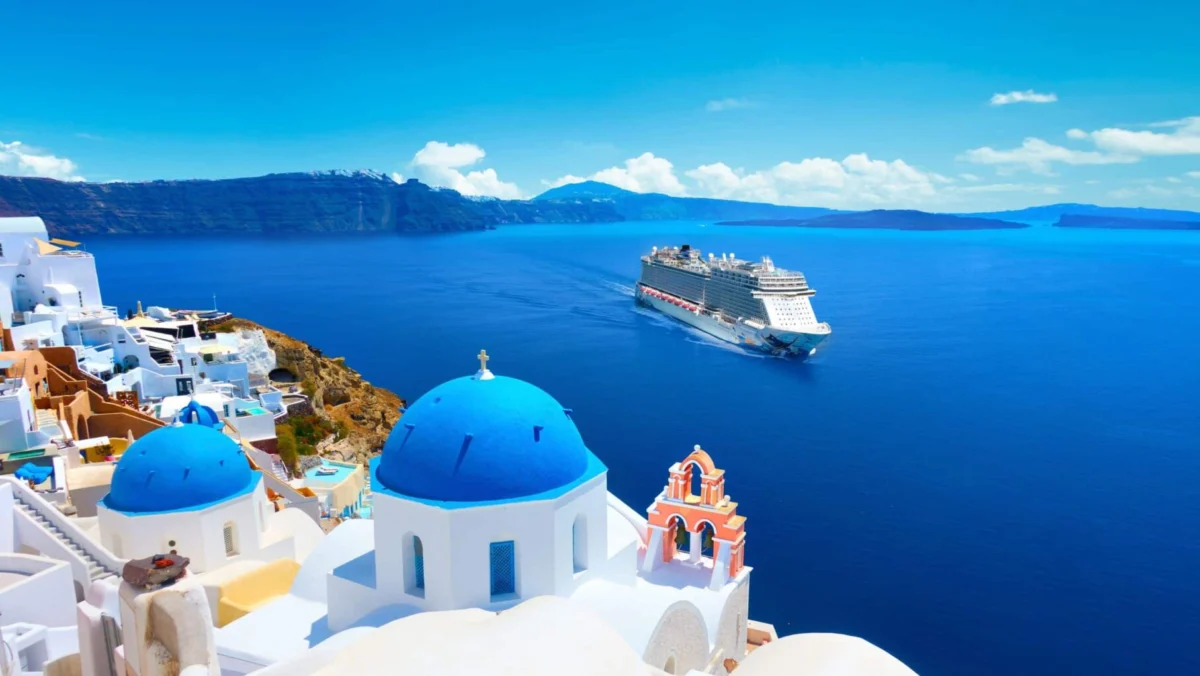
Mexico’s recent decision to halt Royal Caribbean’s ambitious "Perfect Day" project, a development poised to inject $800 million into the local economy and create numerous jobs, appears counterintuitive at first glance. This move, alongside Barcelona’s aggressive stance to double cruise tourist taxes and eventually eliminate non-turnaround calls, signals a broader trend of destinations grappling with the escalating impact of cruise tourism. From the picturesque shores of Santorini to the historic streets of Dubrovnik and the natural beauty of Alaska, cruise lines are encountering a wave of new regulations and restrictions, prompting concerns that beloved cruise itineraries, particularly in the Mediterranean, may undergo significant transformations.
The Shifting Landscape of Cruise Tourism
The cruise industry, a long-standing favorite for many travelers, including Australians, is at a critical juncture. As passenger numbers continue to climb, fueled by the allure of all-inclusive vacations and diverse destinations, a growing tension has emerged between the economic benefits cruise tourism offers and the strain it places on local communities and environments. This friction has manifested in a series of proactive measures by port cities and national governments aimed at managing the influx of large vessels and their passengers.
The rationale behind these restrictions often stems from the perception of overtourism and its tangible effects. In Barcelona, for instance, while cruise passengers constitute a relatively small percentage of the city’s total visitor numbers, their visibility and concentrated presence have led to significant public outcry. The city’s mayor has explicitly stated the intention to "discourage the arrival of cruise passengers," a policy reflected in the doubling of cruise tourist taxes, a move designed to make the city less attractive to day-tripping cruise visitors. This aggressive stance aims to recalibrate the balance, prioritizing the resident experience over the economic gains from a segment of the tourism market.
Similarly, Mexico’s cancellation of the "Perfect Day" project, despite its substantial economic promises, underscores a growing awareness of the potential downsides of large-scale cruise developments. While private cruise destinations are often touted as a means to contain cruise passengers and minimize their impact on local communities, public opposition and environmental considerations have evidently outweighed the projected investment. This decision suggests a re-evaluation of development strategies, with a greater emphasis on sustainability and community well-being.
Data Highlights Cruise Passenger Spending and Port Impacts
The Cruise Lines International Association (CLIA) consistently provides data illustrating the economic contributions of the cruise industry. These figures often highlight the substantial spending by cruise passengers in port destinations. In Australia, for example, domestic cruise passengers spent an average of AUD $504 at turnaround ports (where cruises begin or end) and AUD $195 at transit ports (where ships make a brief stop). International cruise tourists demonstrate even higher spending, averaging AUD $650 at turnaround ports and AUD $270 at transit ports. This data aims to demonstrate the significant economic ripple effect of cruise tourism, benefiting local businesses and economies.
However, the sheer volume and concentrated nature of cruise ship arrivals present unique challenges for destination management. Cruise passengers are often processed as a single, large group, making them an easily identifiable and manageable demographic for implementing new taxes or daily caps. This contrasts sharply with independent travelers arriving by air or land, whose movements are more dispersed and difficult to regulate comprehensively. This logistical ease of imposing restrictions on cruise passengers has made them a primary target for destination management strategies seeking to mitigate overtourism.
The Visual Impact and Reputation Challenge
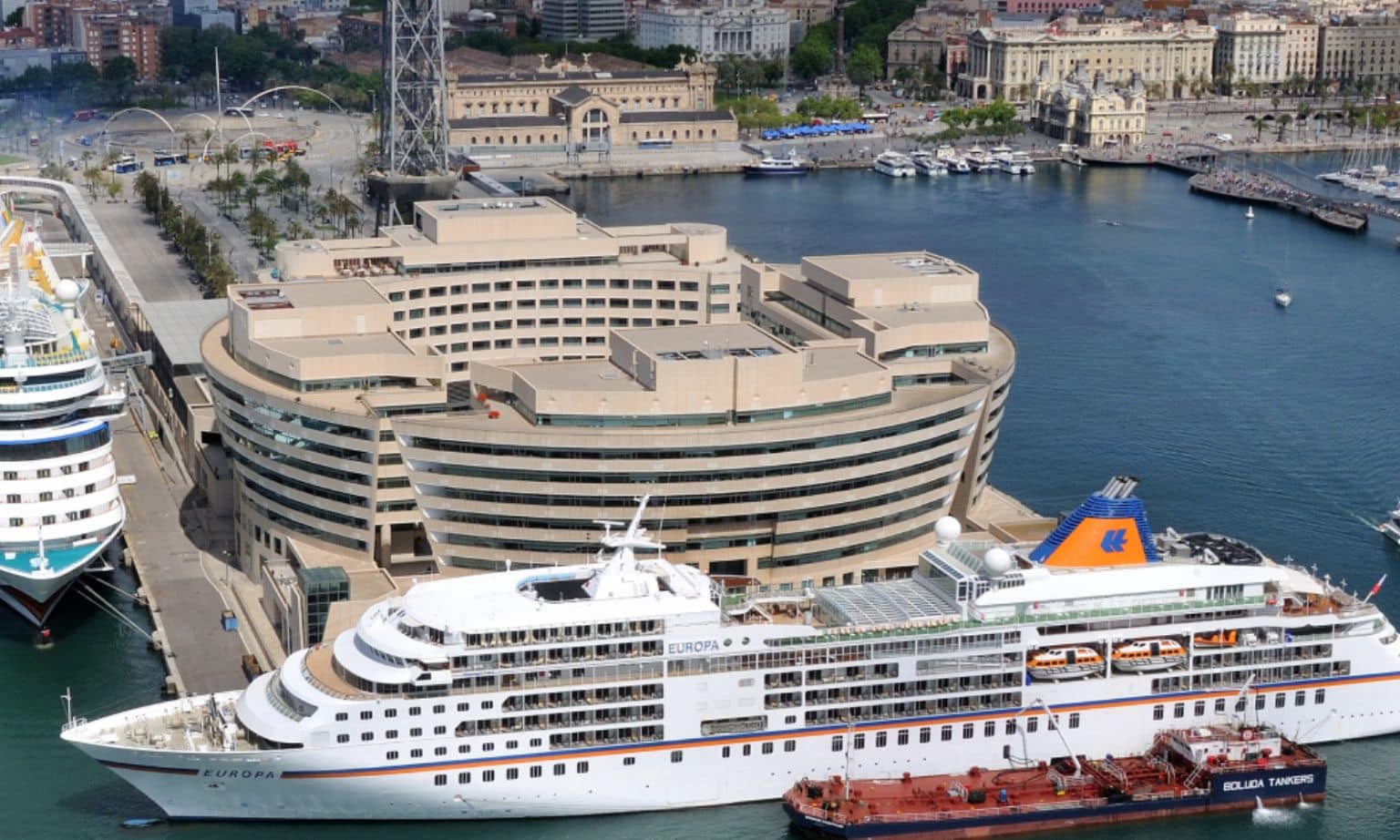
The imposing presence of large cruise ships in the heart of historic cities and pristine natural environments has also contributed to negative public perception. This visual impact makes cruise tourism an easy target for politicians facing pressure to address issues of overtourism, environmental degradation, and the preservation of local lifestyles. Even in destinations where cruise tourism represents a minor fraction of overall visitor numbers, such as Amsterdam, cruise ships have often borne the brunt of stricter regulations compared to other forms of tourism.
Furthermore, despite significant advancements in environmental technology and practices within the cruise industry, winning the "media war" against environmental activists remains a challenge. Cruise lines are investing heavily in shore power capabilities, exploring sustainable fuel alternatives, and implementing robust waste management systems. However, negative media coverage often focuses on past incidents or the inherent environmental footprint of large vessels, overshadowing the industry’s progress and commitment to sustainability.
Unpacking the Advantages of Cruise Tourism
Despite the mounting challenges, cruise tourism offers several distinct advantages that are often overlooked in the current discourse. A significant benefit is the tendency for cruise passengers to extend their stays or return to destinations they first experienced through a cruise. The initial exposure to a destination via a cruise can spark a desire for deeper exploration, leading to longer, independent trips in the future.
Cruise tourism also plays a vital role in injecting much-needed revenue into coastal towns and islands that may lack the established infrastructure for large-scale independent tourism, such as extensive hotel and restaurant facilities. These destinations can leverage cruise calls to generate tourism dollars without the immediate need for massive infrastructural development, thereby fostering economic growth in underserved areas.
Moreover, for cities grappling with the repercussions of short-term rentals like Airbnb and rising housing costs driven by overnight tourists, cruising offers a unique solution. Cruise passengers contribute to the local economy through shore excursions and onboard spending that benefits local suppliers, without directly impacting the local housing market by requiring overnight stays. This model allows for economic engagement without exacerbating the challenges of housing affordability for residents.
For major cruise operators like Royal Caribbean, the development of private destinations, such as their "Perfect Day" concept, represents an attempt to address some of these concerns. These private islands, like Perfect Day at Coco Cay in the Caribbean, serve as controlled environments where the cruise line can manage the passenger experience and minimize direct impact on local communities. However, this approach has also drawn criticism for potentially diluting the authentic cultural exchange that many travelers seek.
Destinations Implementing New Barriers to Cruise Tourism
The growing sentiment against cruise tourism is manifesting in concrete policy changes across the globe.
Mexico’s Shifting Stance
Mexico’s environmental ministry announced the cancellation of Royal Caribbean’s "Perfect Day" project for Costa Maya. This decision came after a significant social media campaign opposed to the development, highlighting a growing public awareness and engagement with the environmental and social impacts of large tourism projects. While the project was slated to open in 2027 and offer an experience similar to its Bahamian counterpart, the government’s reversal underscores a shift in priorities. In addition to this project cancellation, Mexico has also implemented new per-passenger cruise taxes, starting at US$5 and scheduled to rise to US$21 by 2028, with potential for further increases.
Barcelona’s Double Tax and Terminal Reduction
Barcelona’s decision to double its cruise passenger tax, from €4 to €8, is a clear signal of its intent to curb cruise tourism. Mayor Jaume Collboni’s candid admission of aiming to "discourage the arrival of cruise passengers" reflects a decisive move to manage the city’s tourism influx. This policy change is complemented by a reduction in the number of cruise terminals from seven to five, further signaling a strategic downsizing of the cruise industry’s presence in the city. Barcelona’s status as a pivotal European cruise hub, particularly for Mediterranean itineraries, makes these changes significant for the broader cruise market.
Alaska’s Daily Passenger Cap
In Juneau, Alaska, the first season of operations under a new daily cruise passenger cap has commenced. The limit is set at 16,000 passengers per day, with a reduced cap of 12,000 on Saturdays. This measure is intended to stabilize cruise traffic and alleviate pressure on the local population of approximately 30,000 residents. While these caps are currently modest and unlikely to drastically affect overall tourism numbers, previous proposals for stricter measures, including ship-free days, suggest that further limitations could be considered in the future.
Australia’s Increased Travel Charge
Australia, already known for its high costs and regulatory hurdles for cruise lines, has added another financial burden. The federal budget increased the Passenger Movement Charge, a tax levied on international travelers, including cruise passengers, departing Australia, from AUD $70 to AUD $80. CLIA has expressed strong disappointment, arguing that this increase further burdens travelers, disincentivizes international visitors, and negatively impacts Australia’s competitiveness in the global tourism market, particularly at a time when the country is seeking to recover lost cruise tourism to other regions.
Amsterdam’s Ambitious Phase-Out
Amsterdam has been a prominent example of a city taking decisive action against cruising. The city plans to phase out ocean cruising entirely by 2035. Current measures already include limiting ocean ship visits to 100 per year and enforcing a one-ship-per-day policy. Additionally, from next year, all ships calling at Amsterdam will be required to connect to shore power, a move aimed at reducing air pollution. Despite cruise passengers forming a small segment of Amsterdam’s total visitor numbers, the city’s clear intention to eliminate ocean cruising within a decade highlights a significant shift in its tourism strategy.
Santorini’s Strict Passenger and Fee Limits
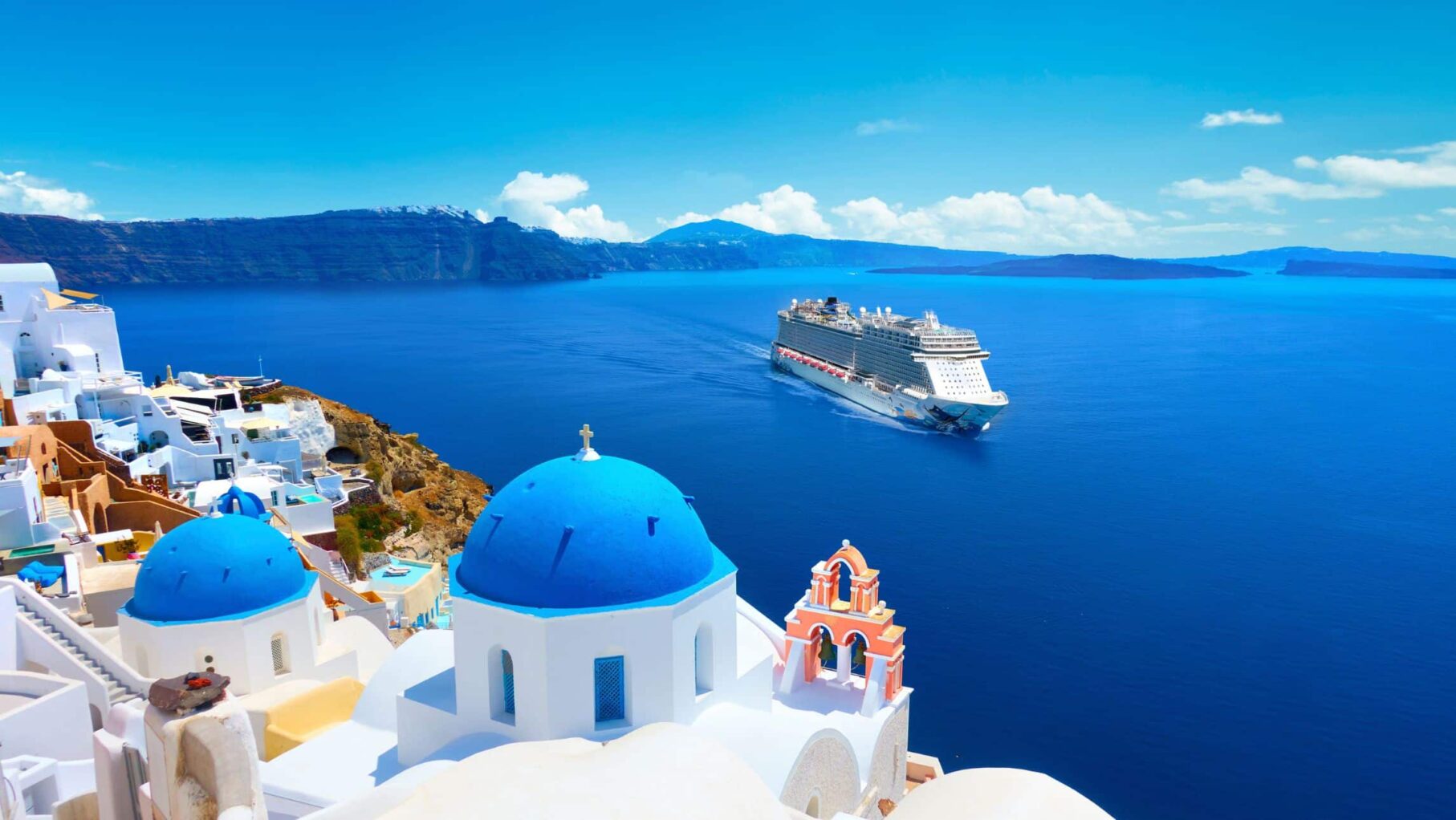
The iconic Greek island of Santorini, a destination synonymous with breathtaking views and mass tourism, has implemented a strict daily passenger cap of 8,000. This measure, alongside a new disembarkation fee of US$23 (approximately AUD $32), is expected to significantly reduce the number of cruise visitors. Changes to the embarkation and disembarkation processes are also in place, aiming to streamline operations and manage the flow of passengers more effectively.
Dubrovnik’s Capacity and Scheduling Adjustments
Dubrovnik, Croatia, another popular European cruise destination, has also introduced stricter regulations. The city now limits cruise visitors to 4,000 at any given time. Furthermore, ship arrival and departure schedules must be staggered to prevent multiple large vessels from occupying the port simultaneously. While Dubrovnik has collaborated with CLIA on these changes, their implementation is expected to have a noticeable impact on how cruise operations function in this historic coastal town.
The Path Forward: Balancing Growth and Sustainability
The growing number of destinations implementing restrictions on cruise tourism signals a critical need for a more balanced approach. While the economic benefits of cruise tourism are undeniable, the environmental and social costs cannot be ignored. The industry and destination authorities must engage in continued dialogue and collaboration to find sustainable solutions that allow cruise tourism to thrive without compromising the integrity of the destinations or the well-being of their residents. This will likely involve a combination of technological innovation, responsible capacity management, and a commitment to preserving the unique character of each port of call. The future of cruise tourism hinges on its ability to adapt to these evolving demands and demonstrate a genuine commitment to sustainable practices.



 Anjar Salim
 Tatiana Tantri Indah Sari
 Budi Mulyono
 Lukman Taruna Persada Ramadan
