
 Chandra Hamzah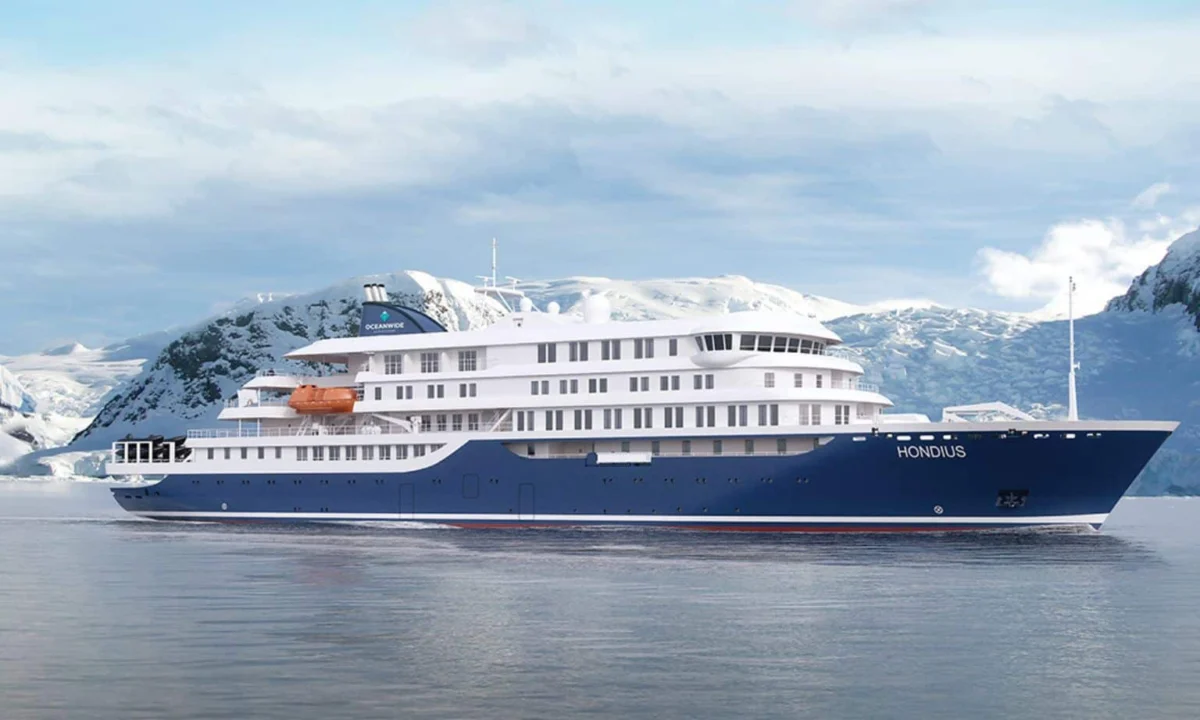
A severe outbreak of hantavirus, a potentially deadly illness transmitted by rodents, has been confirmed on the cruise ship MV Hondius, resulting in three fatalities among passengers and crew. The World Health Organization (WHO) has acknowledged the unfolding public health event, with one case definitively identified through laboratory testing and five additional individuals exhibiting suspected symptoms. The incident, which occurred during a voyage from Argentina to Cape Verde, has placed a British national in intensive care and raised concerns about the health and safety protocols on board.
The Unfolding Crisis Aboard the MV Hondius
The MV Hondius, operated by the Dutch company Oceanwide Expeditions, was en route from the shores of Argentina to the island nation of Cape Verde when the first signs of the outbreak emerged. The vessel, designed to accommodate up to 170 guests and 57 crew members, was reportedly carrying approximately 150 passengers at the time of the incident. The confirmed hantavirus case, identified in one of the ship’s crew members, has sent shockwaves through the maritime and public health communities.
Authorities in Cape Verde, where the ship is currently docked, have restricted the disembarkation of infected individuals, prioritizing containment and further investigation. This measure, while necessary for public health, has undoubtedly heightened the anxiety and uncertainty for those on board. The gravity of the situation is underscored by the fact that two of the infected individuals are crew members, raising questions about potential ongoing exposure routes and the effectiveness of onboard sanitation practices.
Understanding Hantavirus: A Potentially Fatal Threat
Hantaviruses represent a diverse group of viruses primarily carried by rodents, particularly mice and rats. Transmission to humans typically occurs through the inhalation of aerosolized virus particles present in rodent urine, droppings, or saliva. While direct contact with infected rodents or contaminated materials can also lead to infection, the airborne route is a significant concern, especially in environments where rodent presence may be difficult to fully eradicate.
The severity of hantavirus infection cannot be overstated. The mortality rate can be as high as 40 percent, making it a formidable public health challenge. The initial symptoms often mimic those of other common illnesses, including fatigue, fever, abdominal pain, and muscle aches. However, the disease can rapidly progress to a severe and life-threatening respiratory condition, characterized by pronounced shortness of breath and chest tightness. This rapid escalation of symptoms necessitates immediate medical attention and specialized care.
Timeline of Events and Official Response
While a precise timeline of the initial infections remains under investigation, the confirmation of the outbreak by the WHO indicates a developing situation that escalated to a critical point. The fact that the ship is currently in Cape Verde suggests that initial symptoms or concerns likely arose during or shortly before its arrival. The decision by Cape Verdean authorities to implement disembarkation restrictions highlights the immediate recognition of a serious health threat and the imperative to prevent potential spread.
The WHO’s involvement signifies the global coordination required to manage such an outbreak. Their statement confirms the laboratory-confirmed case and the five additional suspected cases, providing a clear picture of the scope of the immediate concern. The organization is actively engaged in supporting a public health event involving a vessel in the Atlantic Ocean, demonstrating its crucial role in international health crisis management.
The WHO’s multifaceted response includes:
- Facilitating Investigations: The organization is working to ensure comprehensive laboratory and epidemiological investigations are conducted. This includes further testing to confirm the identity of the virus and understand its genetic makeup through sequencing.
- Providing Medical Care and Support: The well-being of passengers and crew is a primary concern. Medical care and support are being provided to all affected individuals on board.
- Coordinating Medical Evacuations: In a critical development, the WHO is facilitating the medical evacuation of two symptomatic passengers. This underscores the severity of their conditions and the need for advanced medical intervention, potentially in specialized facilities.
- Public Health Risk Assessment: A full public health risk assessment is underway to determine the extent of potential exposure and the necessary containment measures for both those on board and potentially on land.
- Collaboration with Member States and Operators: The WHO is acting as a central hub, coordinating efforts between the relevant national health authorities in Cape Verde and potentially other affected countries, as well as with Oceanwide Expeditions, the operating company.
The WHO expressed gratitude for the "rapid actions and coordination" demonstrated by all parties involved, suggesting a collaborative and swift response to a developing crisis.
Broader Implications and Public Health Considerations
The hantavirus outbreak on the MV Hondius raises several important broader implications for the maritime industry and public health preparedness:
- Vulnerability of Cruise Ships: Cruise ships, with their enclosed environments and large numbers of people in close proximity, can be susceptible to the rapid spread of infectious diseases. While hantavirus is primarily rodent-borne, the close quarters on a ship can exacerbate the impact of any pathogen.
- Rodent Control in Maritime Settings: The incident highlights the critical importance of stringent and continuous rodent control measures in all maritime vessels, particularly those operating on long voyages and in diverse environments. Effective pest management is a fundamental aspect of onboard hygiene and passenger safety.
- Global Health Surveillance and Response: The WHO’s swift acknowledgement and coordination of the response demonstrate the vital role of global health surveillance systems in identifying and managing emerging health threats. Rapid information sharing and coordinated action are paramount in preventing the wider dissemination of infectious diseases.
- Traveler Health Awareness: While hantavirus is rare in many parts of the world, this incident serves as a reminder for travelers to be aware of potential health risks in different regions and to follow any health advisories issued by authorities.
- Economic and Reputational Impact: Outbreaks of this nature can have significant economic consequences for cruise lines, including operational disruptions, passenger cancellations, and reputational damage. They also place a strain on public health resources in the affected regions.
The ongoing investigations, including the sequencing of the virus, will be crucial in understanding the specific strain of hantavirus involved, its origin, and its potential transmission pathways within the ship. This information will inform future prevention strategies and public health interventions, not only for maritime travel but also for general rodent-borne disease control. The situation on the MV Hondius serves as a stark reminder of the persistent and evolving challenges posed by infectious diseases in an increasingly interconnected world.




 Anjar Salim
 Tatiana Tantri Indah Sari
 Budi Mulyono
 Lukman Taruna Persada Ramadan
