
 Tatiana Tantri Indah Sari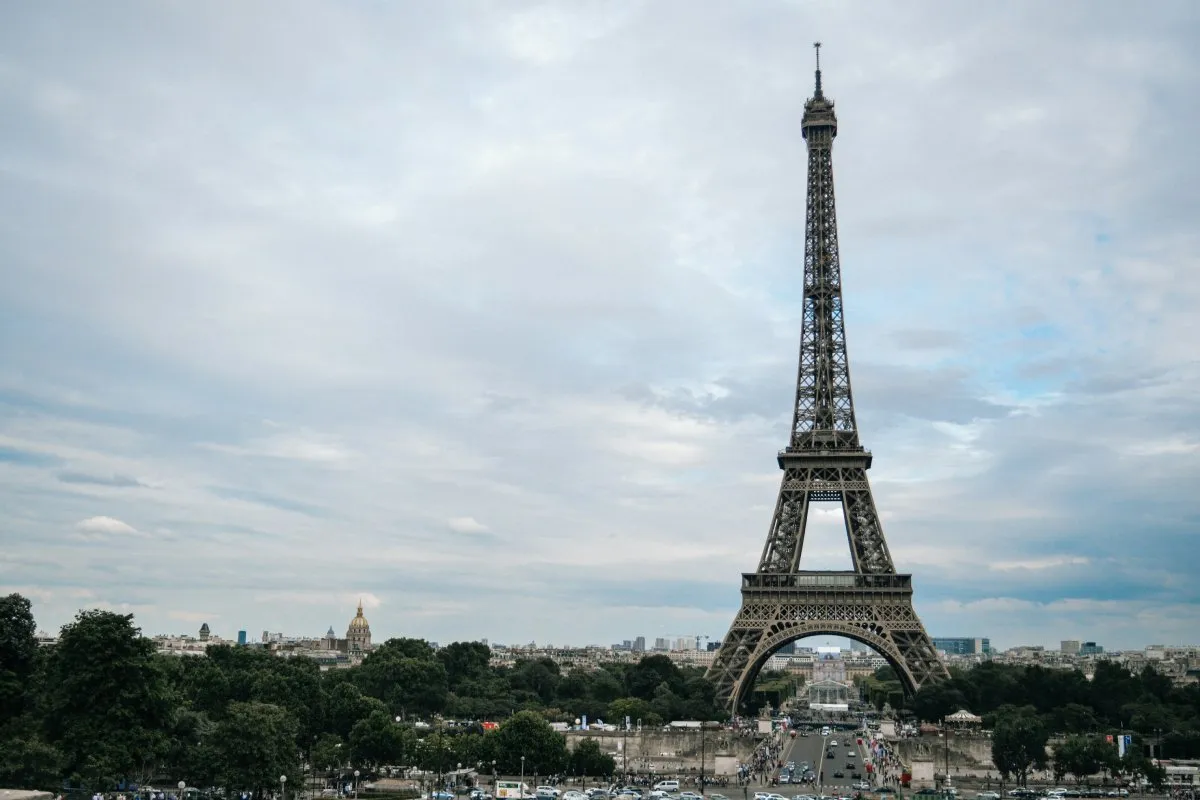
A deadly heat wave is significantly disrupting tourism across Europe, prompting widespread train cancellations, and impacting global attractions such as Paris’s iconic Eiffel Tower and England’s traditional Changing of the Guard ceremony. The unprecedented thermal event, driven by a persistent "heat dome," has triggered severe health and safety warnings across more than a dozen European nations, including France, the United Kingdom, Spain, and Italy, as the continent grapples with temperatures far exceeding seasonal averages. This severe weather phenomenon underscores a stark reality for the region, with the World Meteorological Organization (WMO) reporting that European summers are warming at roughly twice the global average rate, a trend confirmed by a 2022 report which highlighted that at least 95% of Europe experienced above-average annual temperatures in the preceding year.
The Anatomy of a Heat Dome and Europe’s Vulnerability
The current extreme weather event is largely attributed to a "heat dome," a meteorological phenomenon characterized by a persistent ridge of high pressure that traps hot air beneath it, preventing it from escaping. This high-pressure system acts like a lid, compressing the air and causing it to heat up further, leading to prolonged periods of intense heat and often stagnant air conditions. Such domes are increasingly observed globally, but Europe, with its predominantly temperate climate and often less heat-resilient infrastructure compared to perpetually hot regions, finds itself particularly vulnerable.
Scientific consensus, bolstered by numerous studies from the Intergovernmental Panel on Climate Change (IPCC) and national meteorological agencies, firmly links the increasing frequency, intensity, and duration of such heatwaves to anthropogenic climate change. The WMO’s findings are particularly alarming for Europe; a region whose temperature rise trajectory is double the global average means that its population, ecosystems, and economic sectors are exposed to more rapid and profound climatic shifts. This accelerated warming manifests not just in higher average temperatures but in more frequent and severe extreme weather events, including the heatwaves currently gripping the continent. The 2022 WMO report on the State of the Climate in Europe further detailed that the continent experienced its warmest summer on record in 2022, characterized by intense heatwaves, droughts, and wildfires, leading to an estimated 16,000 excess deaths. This year’s event appears to be following a similar, if not more severe, trajectory.
A Timeline of Escalation: From Warnings to Crisis
The current heatwave began to manifest in late spring, with pockets of unusually warm weather reported across Southern Europe. By early summer, meteorological agencies in Spain and Portugal began issuing initial heat advisories as temperatures consistently surpassed 35°C (95°F). The situation escalated rapidly in the subsequent weeks, with the high-pressure system solidifying its grip over the continent.
- Early July: National meteorological services, including Météo-France, the UK Met Office, and AEMET in Spain, started issuing widespread "orange" and "yellow" alerts, indicating significant risk to public health and infrastructure. Temperatures began consistently exceeding 38°C (100°F) in parts of Spain, Italy, and France.
- Mid-July: The heat dome intensified, pushing temperatures into record-breaking territory. Several regions in Italy, particularly Sicily and Sardinia, recorded temperatures approaching or exceeding 45°C (113°F). Spain’s Andalusia region also saw similar extremes. France activated its highest alert levels in several departments, while the UK Met Office issued its first-ever "red" extreme heat warning for parts of England, anticipating temperatures above 40°C (104°F) for the first time in recorded history.
- Late July/Early August: The peak of the heatwave saw widespread disruptions. Train operators across multiple countries announced cancellations or significant delays. Iconic tourist sites began implementing operational changes to protect visitors and staff. Public health advisories became more urgent, emphasizing hydration and avoiding outdoor activities during peak heat hours. The prolonged nature of the event began to strain emergency services and healthcare systems.
Profound Impacts on Tourism and Daily Life
The consequences of this prolonged heatwave are far-reaching, fundamentally altering the summer experience for millions of tourists and residents alike.
Iconic Attractions and Cultural Events:
The Eiffel Tower, one of the world’s most visited landmarks, has reportedly adjusted its operating hours or limited access to certain sections, particularly its open-air upper levels, during the hottest parts of the day. Similarly, the British Army’s Household Division, responsible for the Changing of the Guard ceremony at Buckingham Palace, made the unprecedented decision to cancel or significantly shorten several ceremonies to protect the health of its soldiers, horses, and the thousands of spectators who gather daily. Other major attractions, from the Colosseum in Rome to the Acropolis in Athens, have also implemented measures such as providing shaded areas, increasing water points, and advising visitors to schedule visits during cooler morning or late afternoon hours. These measures, while necessary, detract from the full visitor experience and impact revenue.
Transportation Infrastructure:
Train networks across the continent have been severely affected. High temperatures can cause railway tracks to buckle or expand, leading to speed restrictions, delays, and outright cancellations to prevent derailments. Operators like SNCF in France, Deutsche Bahn in Germany, and Network Rail in the UK have issued numerous warnings and altered schedules. For instance, reports indicate that specific high-speed lines in France have had to reduce speeds by up to 30% during peak heat. In the UK, some rail lines were closed entirely, with Network Rail citing "extreme heat" as the cause of track damage. This disruption has ripple effects, stranding travellers, impacting supply chains, and causing significant economic losses. Airlines have also reported minor delays due to runway heat limits on takeoff weight for certain flights, although this impact has been less widespread than rail disruptions.
Hospitality Sector and Outdoor Activities:
The hospitality industry, heavily reliant on summer tourism, faces a complex challenge. While hotels with air conditioning may see increased demand, many traditional establishments and smaller accommodations, particularly in older European cities, are not universally equipped for such extreme heat. Outdoor dining, a staple of European summer culture, has become less appealing or even dangerous during peak hours. Tour operators have had to cancel walking tours, cycling excursions, and boat trips. This shift impacts local businesses, from small cafes to large tour agencies, leading to a potential downturn in revenue during what is typically their busiest season. Beaches, while offering some respite, become overcrowded, and water safety becomes a concern as people seek relief.
Public Health and Agriculture:
The human toll is significant. Health authorities across Europe have issued dire warnings about the risks of heatstroke, dehydration, and exacerbation of pre-existing conditions, especially among the elderly, young children, and outdoor workers. Hospitals have reported an increase in heat-related emergencies. Data from previous heatwaves, such as the 2003 event that caused tens of thousands of deaths across Europe, serve as a grim reminder of the potential mortality impact. Beyond human health, agriculture is also under immense strain. Prolonged drought conditions, often accompanying heatwaves, threaten crop yields, livestock health, and water reserves, potentially leading to increased food prices and long-term food security concerns.
Official Responses and Mitigation Efforts
Governments and various agencies have swiftly implemented a range of measures to mitigate the immediate risks of the heatwave.
Governmental Actions:
National governments have activated emergency protocols. In France, the Ministry of Health initiated its "Canicule" plan, which includes daily monitoring of temperatures, public awareness campaigns (e.g., "stay hydrated, stay in the shade, check on vulnerable neighbors"), and the opening of "cooling rooms" in public buildings. Spain’s Ministry of Health has issued daily heat risk maps and advice, particularly for outdoor workers. The UK Health Security Agency (UKHSA) elevated its heat-health alert to Level 4 ("National Emergency"), coordinating with NHS services to ensure preparedness for increased demand. These responses often include widespread public information campaigns via television, radio, and social media, advising citizens on how to stay safe.
Infrastructure and Service Providers:
Railway companies have deployed teams to monitor tracks for buckling and to cool critical infrastructure. Some operators have even used specialized trains to spray water on tracks. Energy providers are managing increased demand for electricity due driven by air conditioning usage, working to prevent power outages. Water authorities are issuing restrictions on water usage in drought-stricken areas. Tourism boards and local authorities are collaborating with attractions and businesses to implement safety measures, such as providing free water fountains and increasing shaded areas in public spaces.
International Cooperation:
The European Centre for Medium-Range Weather Forecasts (ECMWF) and Copernicus Climate Change Service (C3S) provide crucial data and forecasts that inform national responses. The WMO continues to issue global and regional climate assessments, urging greater international cooperation on climate change mitigation and adaptation strategies.
Broader Implications and Future Outlook
The current European heatwave is not an isolated incident but rather a potent manifestation of a changing climate, carrying profound long-term implications for the continent.
Economic Ramifications:
Beyond the immediate disruption to tourism and transport, the economic costs are substantial. Reduced agricultural output, increased healthcare expenditures, diminished worker productivity due to heat stress, and the long-term investment required to upgrade infrastructure for heat resilience represent significant financial burdens. The European Union’s economy, already navigating geopolitical tensions and inflationary pressures, faces another layer of vulnerability. Estimates from previous heatwaves suggest economic losses can run into billions of euros annually.
Climate Change Adaptation and Mitigation:
This heatwave intensifies the urgent call for both climate change mitigation (reducing greenhouse gas emissions) and adaptation (adjusting to the actual or expected future climate). For Europe, this means accelerated investment in renewable energy, improved energy efficiency, and a transition away from fossil fuels. Adaptation strategies will become critical: redesigning urban spaces with more green infrastructure (parks, tree cover), implementing "cool roofs" and reflective surfaces, improving building insulation, and developing robust early warning systems for extreme weather events. Cities like Paris are already exploring concepts such as "urban cooling islands."
Societal and Behavioral Shifts:
The recurring nature of such extreme heat events may lead to fundamental shifts in European society. Summer holiday patterns might change, with tourists opting for cooler shoulder seasons or more northerly destinations. Daily routines could be re-calibrated, with siestas becoming more common in regions beyond Southern Europe, and working hours adjusted to avoid peak heat. Public awareness campaigns will need to evolve into deeply embedded societal norms around heat safety. The concept of "heat poverty" – the inability of households to afford cooling in increasingly hot conditions – could become a more pressing social issue.
Long-Term Sustainability in Tourism:
The tourism sector, a cornerstone of many European economies, faces a critical juncture. Destinations will need to invest in sustainable tourism practices that account for climate impacts. This could include promoting off-season travel, developing indoor attractions, and ensuring infrastructure is resilient to extreme weather. The perception of Europe as a prime summer destination could shift if heatwaves become the norm, necessitating a strategic re-evaluation of its global tourism branding and offerings.
The current deadly heat wave sweeping across Europe serves as a stark and immediate reminder of the continent’s vulnerability to climate change. Its broad and severe impacts on tourism, transportation, public health, and the economy underscore the pressing need for aggressive climate action and comprehensive adaptation strategies. As temperatures continue to rise, the ability of European nations to effectively manage these events will determine not only the comfort of their citizens and visitors but also the long-term resilience and prosperity of the continent.



 Anjar Salim
 Chandra Hamzah
 Budi Mulyono
 Lukman Taruna Persada Ramadan
