
 Chandra Hamzah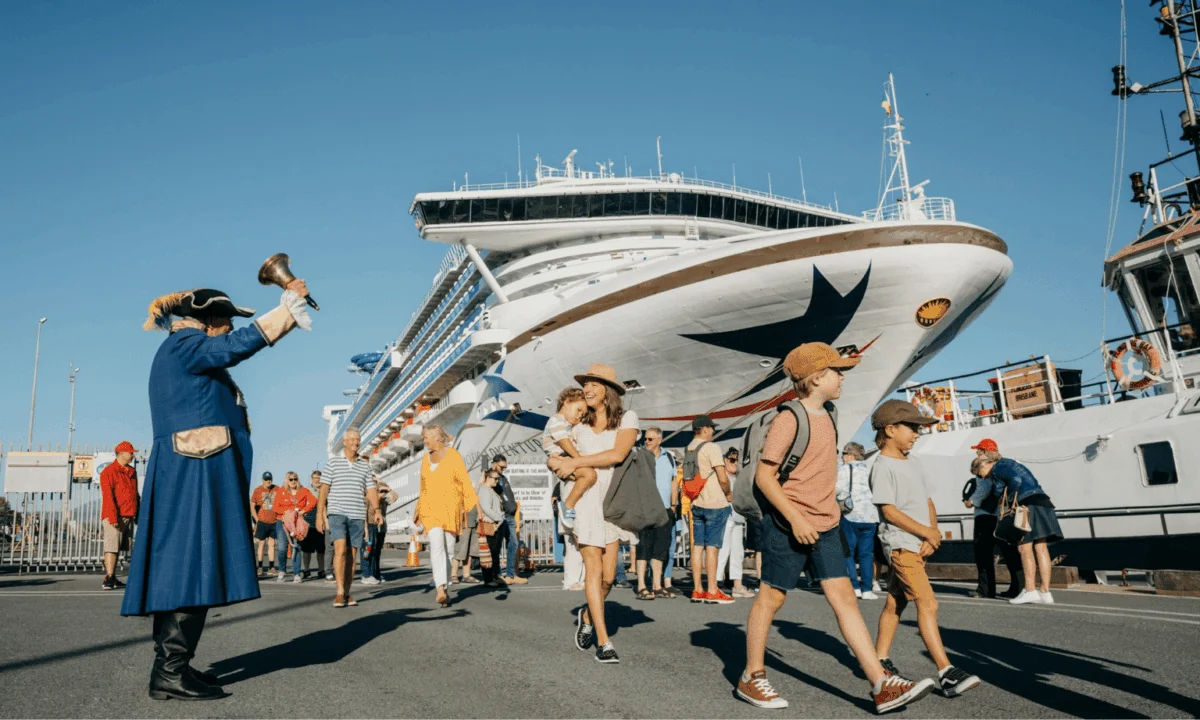
The 2025/26 cruise season has concluded in the picturesque Australian coastal town of Eden, marking another significant period of success for its burgeoning cruise tourism sector. This past season, Eden, a community with a modest population of approximately 3,000 residents, welcomed an astonishing influx of around 50,000 cruise visitors. The final call of the season was made by the Norwegian Spirit, disembarking over 2,000 passengers, with an impressive 96% choosing to explore the local attractions and amenities. This remarkable figure underscores the growing influence of cruise tourism on regional Australian destinations and highlights both the substantial economic benefits and the critical questions surrounding infrastructure, capacity, and sustainable management of such visitor numbers.
A Season of Record Numbers
Over the course of the past twelve months, Eden has experienced an unprecedented surge in cruise passenger arrivals, exceeding 50,000. For a town with a permanent population of roughly 3,400, this represents a staggering demographic shift during visiting days. The economic implications are profound, not only for Eden itself but also for the wider surrounding regions. Cruise visitors are increasingly recognized not just as temporary guests but as potential future tourists who may return for extended land-based holidays, fostering long-term economic development and investment.
Destination NSW, a key stakeholder in promoting tourism across the state, emphasizes the comprehensive economic ecosystem that cruise tourism supports. "Cruising supports the entire ecosystem of the NSW visitor economy," a spokesperson stated. "Cruise visitors don’t just stop at the port – they stay, they spend, and they often return. That’s particularly valuable for regional destinations, where cruise tourism can drive long-term visitation and local investment." This sentiment is borne out by Eden’s experience, where the consistent arrival of cruise ships translates into direct spending on local goods, services, tours, and experiences.
Navigating Challenges and Future Prospects
Despite the overwhelming success, Eden has faced its share of challenges. The town recently experienced the unfortunate situation of Royal Caribbean significantly reducing its planned visits. While this news was a setback, the overall outlook for Eden’s cruise season remains robust, with a strong pipeline of bookings for seasons to come. This resilience suggests that the town’s appeal to cruise lines and passengers is not solely dependent on any single operator.
The upcoming 2026/27 season is already shaping up to be another busy period. Eden is scheduled to welcome a diverse array of cruise ships, including the Celebrity Solstice, Grand Princess, Royal Princess, Norwegian Spirit (returning after a successful visit), Azamara Pursuit, and Noordam, among others. This continued interest from major cruise lines indicates a sustained demand for Eden as a port of call, reinforcing its position on popular itineraries.
Eden as a Model for Regional Cruise Development
Eden is increasingly seen as a benchmark for how coastal communities can successfully implement a cruising strategy to attract tourism and distribute the economic benefits of the cruise industry across Australia. The town’s proactive approach, through organizations like Cruise Eden, has been instrumental in this success. Cruise Eden operates with a dedicated team of volunteers who play a crucial role in welcoming cruise passengers, providing information, and ensuring a positive visitor experience. This community-led initiative demonstrates a strong local commitment to leveraging cruise tourism for mutual benefit.
Strategic Partnerships and Infrastructure Development
The Port Authority of NSW plays a pivotal role in fostering the growth of cruise ports in regional areas. Martin Bidgood, General Manager Cruise at the Port Authority of NSW, articulated the strategic vision for ports like Eden and Newcastle. "Port Authority’s long-term strategy to support regional communities capitalize on potential cruise markets is underpinned by our formal Memorandums of Understanding (MoU) in Eden and Newcastle," Bidgood stated.
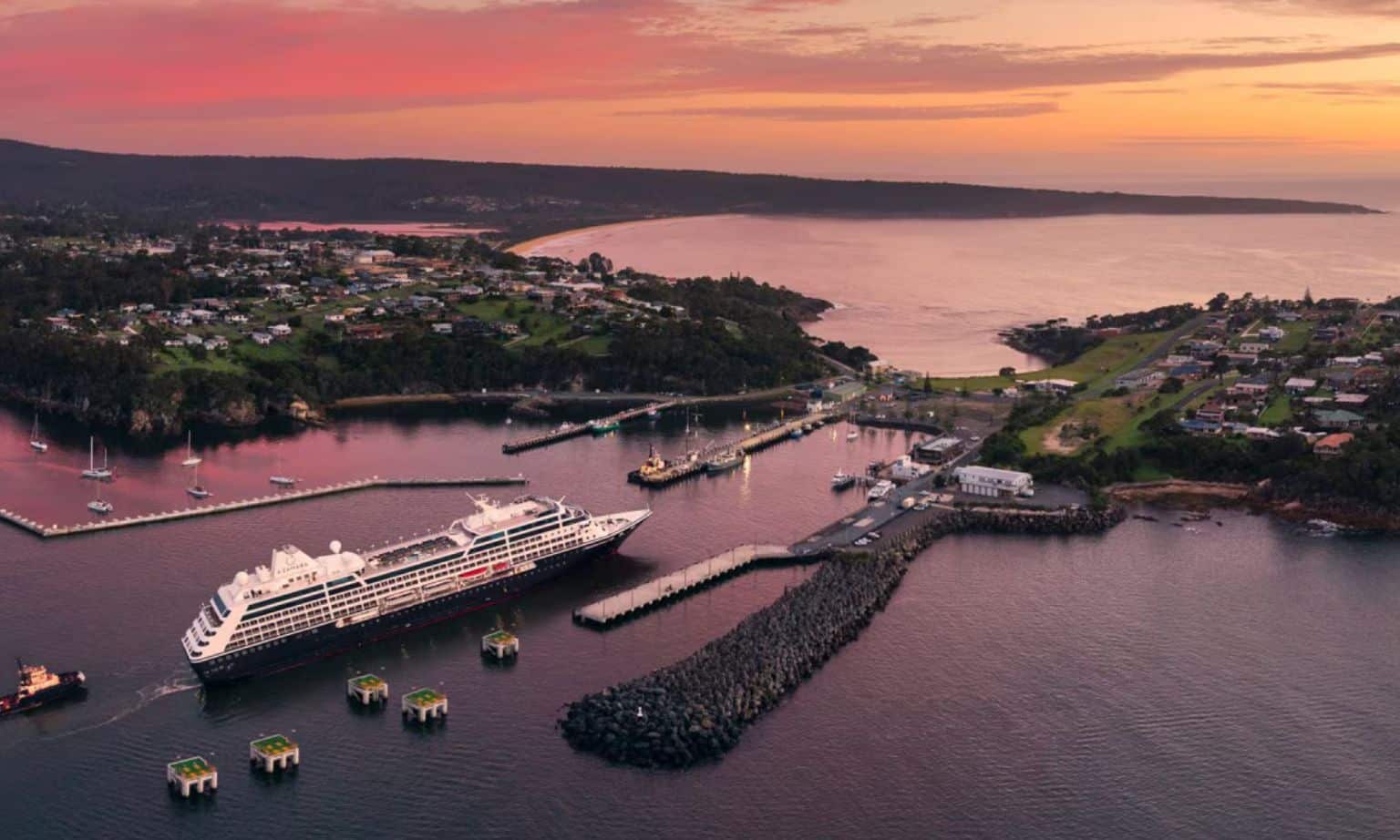
These MoUs are designed to facilitate the development of cruise-ready destinations by encouraging the creation of unique local experiences that appeal to cruise operators. The partnerships aim to enhance the overall attractiveness of these ports, leading to more frequent calls and greater economic returns.
The renewal of the Eden MoU and the establishment of a new one in Newcastle have already yielded tangible results. These initiatives have led to the development of 13 new onshore experiences in Newcastle, a remarkable eightfold increase in the number of Welcome Volunteers available to guide passengers, and targeted workshops designed to equip local businesses with the skills and knowledge necessary to cater effectively to cruise ship visitors. This collaborative approach, involving port authorities, local government, tourism bodies, and businesses, is crucial for building sustainable and thriving cruise tourism hubs.
The Economic Ripple Effect: Beyond the Port
The economic impact of cruise tourism extends far beyond direct spending at the port. Cruise passengers often seek authentic local experiences, driving demand for a wide range of services. This includes guided tours of historical sites, wildlife encounters, visits to local wineries and artisan producers, and opportunities to purchase unique souvenirs. The increased visitor numbers also benefit transportation providers, accommodation operators (for those extending their stay), and restaurants and cafes.
For a small town like Eden, the influx of thousands of visitors can provide a significant economic stimulus, particularly during shoulder seasons when other forms of tourism might be less active. This economic diversification can help to create and sustain local jobs, support small businesses, and contribute to the overall vitality of the community.
However, this growth also necessitates careful planning and investment. The infrastructure of a small town must be able to accommodate large numbers of people. This includes ensuring adequate transportation links, sufficient capacity in public facilities, and the availability of services like restrooms and information centers. The Port Authority’s strategy of working with regions to build "cruise-ready" destinations implicitly acknowledges these needs and aims to support the development required to meet them.
The Sustainability Equation: Balancing Growth and Community Well-being
While the economic benefits of cruise tourism are undeniable, it is imperative for communities like Eden to consider the long-term sustainability of this growth. This involves managing the environmental impact of increased visitor numbers, ensuring that the benefits are equitably distributed among local residents, and preserving the unique character and quality of life that attract visitors in the first place.
Key considerations for sustainable cruise tourism include:
- Environmental Management: Implementing measures to minimize waste, manage resource consumption, and protect local ecosystems. This might involve working with cruise lines to adopt eco-friendly practices and encouraging passengers to be mindful of their environmental footprint.
- Infrastructure Development: Investing in infrastructure that can support increased visitor numbers without compromising the existing community. This could involve upgrades to public transport, waste management facilities, and local amenities.
- Community Engagement: Maintaining open communication with local residents to address concerns, gather feedback, and ensure that cruise tourism initiatives are aligned with community aspirations.
- Diversification of Tourism Offerings: While cruise tourism is a significant driver, encouraging the development of other tourism sectors can create a more resilient and diversified visitor economy.
- Capacity Management: Developing strategies to manage visitor flow on high-volume days, potentially through timed excursions or pre-booked activities, to avoid overwhelming local infrastructure and services.
The success of Eden in attracting and managing cruise visitors offers valuable lessons for other regional Australian destinations looking to tap into this lucrative market. The town’s ability to leverage strategic partnerships, foster community involvement, and deliver positive visitor experiences positions it as a leader in the evolving landscape of Australian cruise tourism. As the industry continues to grow, the focus will undoubtedly remain on how to achieve this growth in a way that is both economically beneficial and environmentally and socially sustainable. The ongoing efforts by the Port Authority of NSW and local organizations like Cruise Eden suggest a commitment to this balanced approach, ensuring that the allure of coastal towns like Eden continues to captivate visitors for years to come.



 Anjar Salim
 Tatiana Tantri Indah Sari
 Budi Mulyono
 Lukman Taruna Persada Ramadan
