
 Chandra Hamzah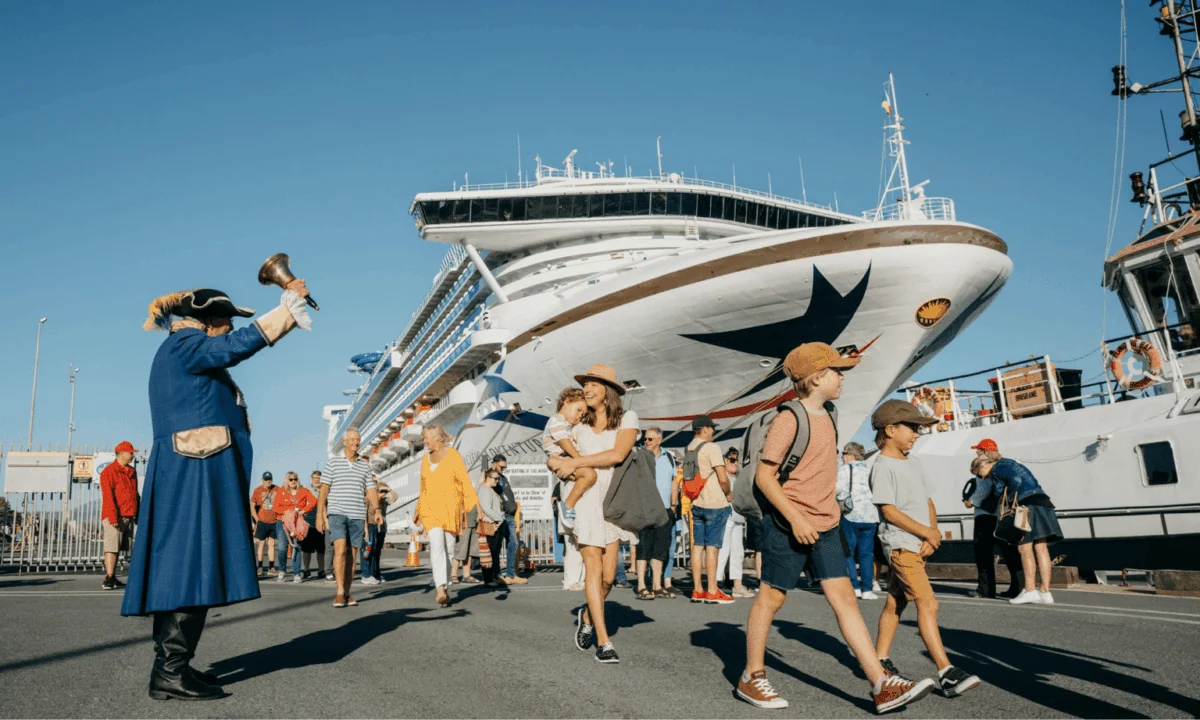
The picturesque coastal town of Eden, nestled in New South Wales, Australia, has concluded its 2025/26 cruise season, marking a period of unprecedented visitor influx. Over the past twelve months, this community of approximately 3,400 residents has welcomed a staggering 50,000 cruise passengers, a figure that underscores the significant economic impact of maritime tourism on regional Australia. The season’s grand finale was marked by the arrival of the Norwegian Spirit, which disembarked over 2,000 passengers, with an impressive 96% choosing to explore the local attractions and amenities, a testament to Eden’s growing appeal as a cruise destination.
A Surge in Maritime Tourism
The 2025/26 season saw Eden solidify its position as a thriving cruise port, demonstrating the potent ability of strategic tourism initiatives to revitalize and boost the economies of smaller Australian towns. The sheer volume of visitors – more than fifteen times the town’s permanent population – highlights the substantial economic injection cruise tourism provides. This influx not only benefits Eden directly but also extends to surrounding regions, often acting as a powerful catalyst for future land-based travel by passengers who have experienced the region’s charm firsthand.
Destination NSW, the state’s tourism and major events agency, has frequently emphasized the symbiotic relationship between cruising and the broader visitor economy. Their insights suggest that cruise passengers are not merely transient visitors; they are active participants who spend locally and frequently develop an affinity for the destinations they visit, leading to repeat engagements. This phenomenon is particularly valuable for regional areas like Eden, where cruise tourism can foster sustained visitation and encourage investment in local infrastructure and businesses.
Navigating Challenges and Charting Future Growth
Despite the overwhelming success of the recent season, Eden has faced its share of challenges. The town experienced a notable setback with Royal Caribbean’s decision to reduce its visits, a situation that, while unfortunate, has not deterred the overall positive trajectory of Eden’s cruise tourism. The resilience of the town and its commitment to enhancing the cruise passenger experience have ensured that the forecast for future seasons remains robust.
The upcoming 2026/27 cruise season is already shaping up to be another banner year, with a diverse array of cruise lines and ships scheduled to call at Eden. Notable vessels set to grace the waters include the Celebrity Solstice, Grand Princess, Royal Princess, Norwegian Spirit (making a return visit), Azamara Pursuit, and Noordam, among others. This consistent pipeline of cruise calls signals a sustained confidence from the industry in Eden’s capacity to host large numbers of passengers and deliver memorable experiences.
The Eden Model: A Blueprint for Regional Cruise Success
Eden’s success story serves as a compelling case study for how a well-executed cruising strategy can invigorate coastal communities and effectively distribute the economic benefits of the cruise industry across Australia. The town’s proactive approach, coupled with strong partnerships, has positioned it as a leader in regional cruise tourism development.
Strategic Partnerships and Infrastructure Development
The Port Authority of New South Wales plays a pivotal role in fostering the growth of cruise ports like Eden and Newcastle. Martin Bidgood, General Manager Cruise at Port Authority of NSW, highlighted the organization’s long-term strategy to empower regional communities to capitalize on cruise market potential. This strategy is firmly anchored in formal Memorandums of Understanding (MoUs) established with key destinations like Eden and Newcastle.
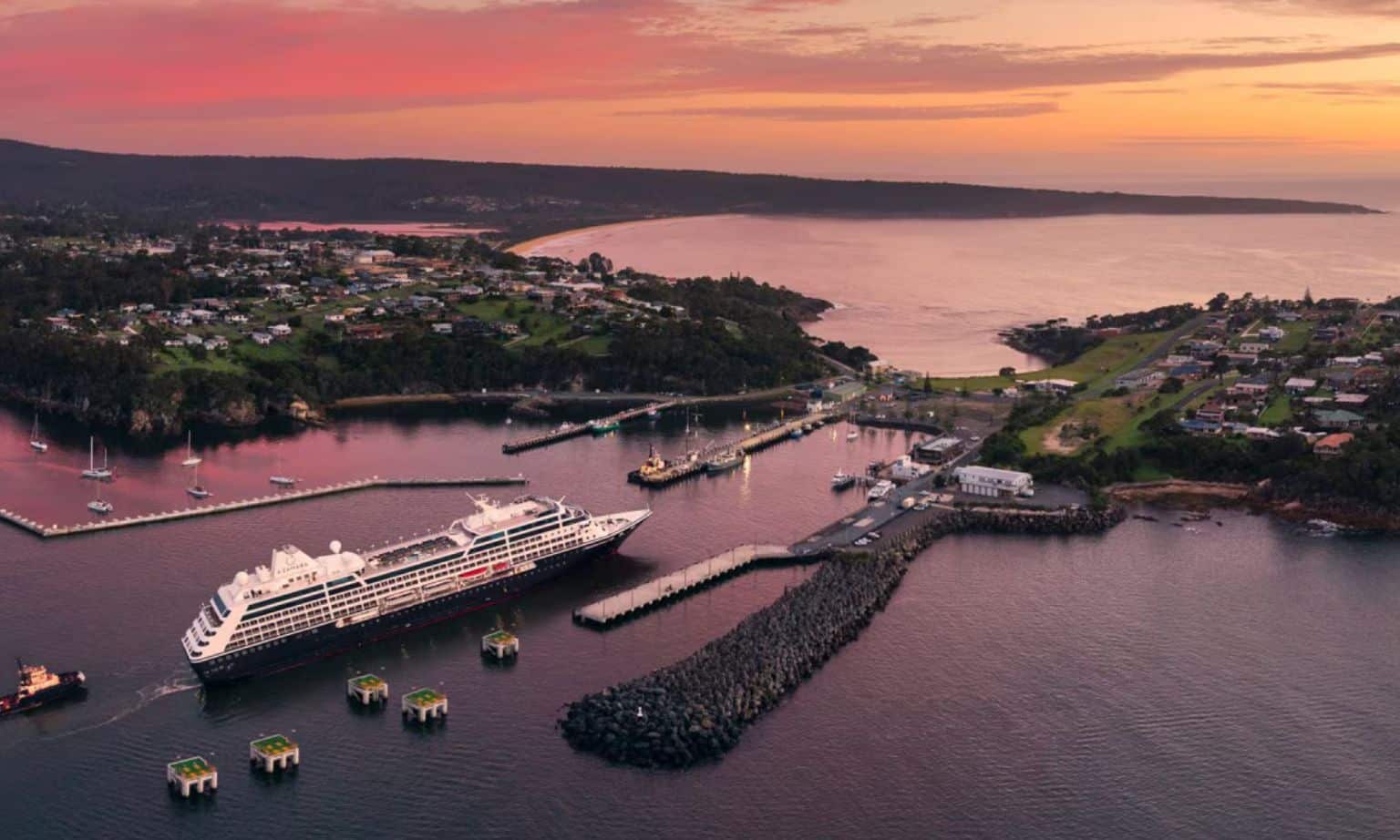
These MoUs are designed to facilitate the development of "cruise-ready" destinations. This involves collaborating with local stakeholders to curate unique, authentic experiences that appeal to cruise operators and, by extension, their passengers. The renewal of the Eden MoU, alongside a new agreement with Newcastle, has already yielded significant positive outcomes. These include the creation of thirteen new onshore experiences in Newcastle, an eightfold increase in the number of Welcome Volunteers dedicated to assisting passengers, and targeted workshops aimed at enhancing the cruise readiness of local businesses. This collaborative framework ensures that as cruise ships increase their calls, the local infrastructure and service offerings are equally prepared to meet the demand.
The Economic Ripple Effect: Beyond the Port
The economic benefits of cruise tourism in Eden extend far beyond the immediate revenue generated by passenger spending on shore excursions, retail, and dining. The increased visibility and positive experiences garnered by cruise passengers often translate into a desire for return visits for extended land-based holidays. This creates a sustained economic impact, fostering job creation and encouraging investment in a diverse range of local businesses, from accommodation providers and tour operators to artisans and restaurateurs.
Furthermore, the cruise industry’s demand for port services, including pilotage, tug assistance, and shore power, also contributes to the local economy. The presence of a regular cruise schedule can also attract investment in port infrastructure upgrades, enhancing the overall efficiency and capability of the port, which can have broader economic implications for the region.
A Welcoming Community: The Role of Volunteers
Central to Eden’s success is the dedication of its local community, particularly the not-for-profit group Cruise Eden. This organization mobilizes a team of enthusiastic volunteers who are instrumental in welcoming cruise passengers. These volunteers provide essential information, offer assistance, and create a warm and inviting atmosphere, significantly enhancing the visitor experience. Their efforts contribute to a positive perception of Eden, encouraging passengers to explore further and engage with the local culture. The increase in Welcome Volunteers, as noted by the Port Authority, directly reflects the growing emphasis on community involvement in the cruise tourism strategy.
Data and Projections: Quantifying the Impact
While specific figures for passenger spending are often proprietary to cruise lines and local tourism bodies, industry analyses consistently show substantial per-passenger spending. On average, cruise passengers can spend anywhere from $70 to over $100 per port day on shore excursions, shopping, dining, and local transportation. For a town like Eden, hosting 50,000 visitors translates into a direct economic injection of potentially $3.5 million to $5 million annually from cruise passenger spending alone. This figure does not account for the significant spending by the cruise ships themselves on provisions and services, nor the indirect economic activity generated through supply chains and job creation.
Looking ahead, the continued growth of the cruise industry in Australia, coupled with targeted regional development strategies, suggests that towns like Eden are poised for further expansion. Projections from industry bodies indicate a steady increase in cruise calls to Australian ports, with a particular emphasis on diversifying itineraries to include more regional destinations. This trend bodes well for Eden’s future cruise seasons, promising sustained economic benefits and further opportunities for community development.
Conclusion: A Sustainable Model for Coastal Tourism
Eden’s remarkable cruise season of 2025/26 serves as a powerful testament to the viability and significant economic advantages of cruise tourism for regional Australian communities. By fostering strong partnerships, investing in local experiences, and cultivating a welcoming community spirit, Eden has not only attracted tens of thousands of visitors but has also laid a robust foundation for sustainable long-term economic growth. The town’s proactive approach and the ongoing support from entities like Destination NSW and Port Authority of NSW position Eden as a shining example of how strategic tourism initiatives can unlock the potential of coastal destinations, ensuring that the benefits of global maritime travel are shared widely and effectively. The success of this small town underscores the broader narrative of regional Australia’s growing importance in the global tourism landscape.



 Budi Mulyono
 Anjar Salim
 Tatiana Tantri Indah Sari

 Lukman Taruna Persada Ramadan