
 Lukman Taruna Persada Ramadan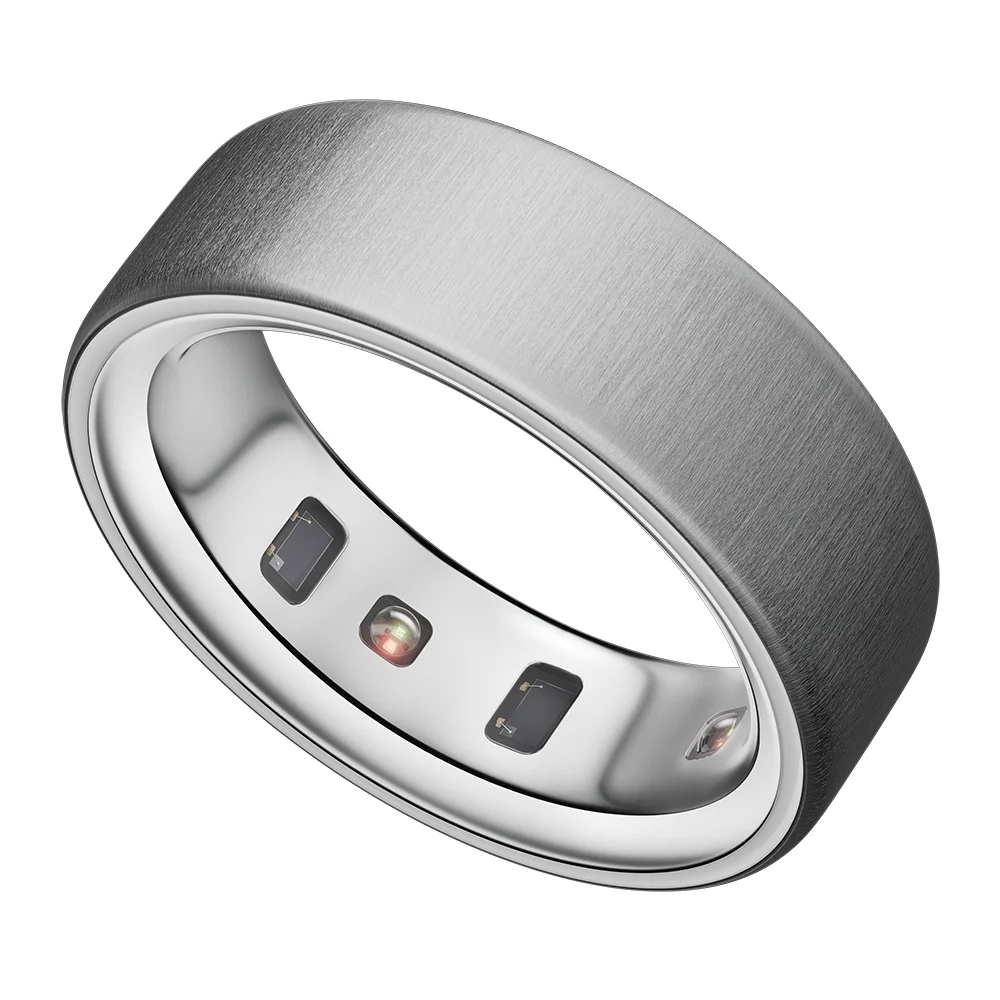
The summer season and indeed, modern living, are increasingly being enhanced by an array of smart technologies designed to optimize experiences, from capturing fleeting moments to refining personal well-being and enriching leisure activities. As consumers seek more seamless integration of digital tools into their physical lives, a new generation of devices is emerging, offering specialized functions that cater to nuanced demands, often blending cutting-edge innovation with a touch of nostalgic charm. This article explores a selection of these smart gadgets, examining their features, market context, and the broader implications they hold for how we interact with the world around us.
Tangible Memories in a Digital Age: The Polaroid Hi-Print Photo Printer
In an era saturated with digital imagery, the Polaroid Hi-Print Photo Printer offers a refreshing return to the tangible. Priced at $134.99, this compact device allows users to effortlessly transform smartphone photos into high-quality, postcard-sized physical prints. Weighing a mere 2.23 pounds and measuring 10.5 by 6.6 by 2.6 inches, its portability makes it an ideal companion for travelers, event-goers, or anyone desiring instant, shareable keepsakes.
The operation is straightforward: users select desired images within an accompanying mobile application, and the printer produces a physical photograph in just over a minute. This process taps into a growing consumer desire for "phygital" experiences – the blend of digital convenience with the physical world. While digital cameras and smartphones have revolutionized photography, leading to an unprecedented volume of stored images, many remain confined to digital archives. The Hi-Print bridges this gap, offering an immediate, physical manifestation of digital memories that can be held, displayed, or gifted.
Background and Market Context: The resurgence of instant photography, spearheaded by brands like Fujifilm Instax and the revitalized Polaroid itself, highlights a broader cultural trend. Data from market research firms consistently shows a steady demand for instant cameras and printers, even as smartphone camera technology advances. This trend is often attributed to digital fatigue, a yearning for nostalgia, and the inherent joy of holding a physical photograph. A 2023 report by Grand View Research projected the global instant camera market size to reach USD 1.5 billion by 2030, growing at a Compound Annual Growth Rate (CAGR) of 6.2 percent, underscoring the enduring appeal of immediate physical prints. The Hi-Print capitalizes on this by offering the flexibility of smartphone photography combined with the instant gratification of a physical output, appealing to both tech-savvy users and those nostalgic for analog aesthetics.
Implications and Utility: For travelers, the Hi-Print offers a unique way to document journeys, create personalized travel journals, or even offer small, memorable gifts to new acquaintances, fostering connection in an authentic way. Imagine instantly printing a shared moment with a local artisan or a new friend met on a tour, leaving a personalized memento that transcends language barriers. For social gatherings, it transforms digital moments into immediate, shareable party favors or commemorative items. This utility extends to marking special occasions like birthdays, anniversaries, or graduations, providing a more personal and lasting keepsake than a fleeting digital share. Industry analysts suggest that products like the Polaroid Hi-Print are not merely novelty items but represent a counter-trend to purely digital consumption, emphasizing personalization and the emotional value of physical objects. This strategic positioning allows it to carve out a distinct niche in the crowded photography market, appealing to those who cherish tangible memories.

Discreet Wellness Monitoring: The Oura Ring 4
The landscape of personal fitness and health tracking has undergone a significant transformation, moving beyond bulky wrist-worn devices towards more integrated and aesthetically pleasing solutions. The Oura Ring 4, starting from $349 plus a monthly subscription, exemplifies this evolution, packing cutting-edge technology into a sleek and inconspicuous finger ring. It stands as living proof that comprehensive health monitoring doesn’t require ostentatious gadgets.
Designed to sit comfortably on the finger, the Oura Ring 4 continuously tracks a multitude of physiological variables, including blood oxygen levels, heart rate, body temperature, and detailed sleep patterns across various stages (REM, deep, light). These metrics are then aggregated and analyzed by an accompanying smartphone application, providing users with long-term insights into their health, recovery, and overall well-being. The subscription model, while requiring an ongoing commitment, unlocks the most granular features, offering personalized readiness scores, detailed sleep stage analysis, and trend tracking that many users and reviewers deem well worth the cost. This ongoing service model ensures continuous software improvements, new feature rollouts, and personalized algorithmic adjustments.
Background and Market Context: The wearable technology market has expanded rapidly, with smartwatches dominating the initial wave. However, a segment of consumers has expressed a preference for more discreet devices that blend seamlessly with personal style without drawing attention. This desire has fueled the growth of "smart jewelry," where the Oura Ring has emerged as a prominent leader. Research by Statista projected the global smart wearables market to reach approximately USD 138 billion by 2029, with smart rings representing a rapidly growing niche due to their unique form factor and focus on passive data collection, especially for sleep and recovery. The Oura Ring’s design appeals to those who prioritize aesthetics and a minimalist approach to technology.
Chronology of Oura and Technological Advancement: The Oura Ring has evolved significantly since its first generation, continually refining its sensor technology, battery life, and algorithmic accuracy. Each iteration, including the Oura Ring 4, builds upon previous successes, integrating more advanced sensors for improved data capture – such as infrared LED sensors for blood oxygen (SpO2) and NTC temperature sensors for precise body temperature tracking. The accompanying app has also seen continuous enhancements, offering increasingly sophisticated analytical capabilities and user-friendly interfaces. This steady progression has cemented Oura’s reputation as a leader in discreet, health-focused wearables, often lauded for its accuracy in sleep stage detection and heart rate variability (HRV) measurement.
Implications for Health and Travel: For individuals focused on holistic health, the Oura Ring provides invaluable data for optimizing sleep, managing stress, and understanding the body’s responses to daily activities and environmental changes. Travelers, in particular, can benefit from its ability to track sleep quality and readiness scores, helping them mitigate the effects of jet lag and maintain wellness routines while on the road. The discreet nature also means it’s less prone to being snagged or damaged during physical activities compared to a smartwatch, making it ideal for adventurous pursuits. The shift towards subscription-based access for advanced features is also a broader industry trend, allowing companies to offer continuous software improvements and personalized insights, moving beyond a one-time hardware purchase. Experts in digital health suggest that such continuous monitoring devices empower individuals with actionable data, fostering proactive health management rather than reactive responses to symptoms, which is crucial for maintaining peak performance and well-being.
Mastering the Waters: Form Smart Swim 2 Pro Goggles
For fitness enthusiasts who find their rhythm in the water, the Form Smart Swim 2 Pro Goggles represent a significant leap forward in aquatic training technology. Priced at $259, these smart goggles elevate the swimming experience by integrating an augmented reality (AR) display directly into the swimmer’s field of vision. This innovative feature allows athletes to monitor crucial metrics such as time, distance, pace, stroke rate, and calories burned in real-time, without having to stop or interrupt their stroke.

The AR display provides immediate feedback, allowing swimmers to adjust their performance on the fly, a capability previously limited to professional coaching sessions with poolside monitoring. Post-workout, an accompanying smartphone application enables detailed analysis of performance over extended periods, tracking progress, identifying areas for improvement, and providing comprehensive historical data. For those seeking a more structured approach, a premium subscription unlocks advanced swim coaching features, including guided workouts, personalized training plans, and technique drills, transforming the goggles into a virtual coach tailored to individual goals and capabilities.
Background and Market Context: Swimming is widely lauded for its low-impact, full-body workout benefits, appealing to a broad demographic from competitive athletes to rehabilitation patients. However, tracking performance in water has historically been challenging compared to land-based activities. Traditional swim watches often require stopping to view data, disrupting flow and hindering continuous performance adjustments. The Form Smart Swim Goggles address this fundamental limitation, revolutionizing how swimmers interact with their performance data. The integration of AR in a practical, sport-specific application demonstrates the growing potential of this technology beyond gaming and entertainment, proving its utility in enhancing athletic performance.
Supporting Data and Expert Opinions: The global sports technology market is experiencing robust growth, with specialized fitness wearables being a key driver. Reports indicate an increasing demand for devices that provide precise, real-time data for niche sports. Professional swim coaches and sports scientists have lauded the Form Goggles for their ability to provide objective, immediate feedback, which is crucial for technique correction and motivation. "The ability to see your pace and split times without breaking rhythm is a game-changer for serious swimmers," states Dr. Anya Sharma, a sports physiologist specializing in aquatic performance. "It allows for immediate adjustments and reinforces proper pacing strategies, which can lead to significant performance gains and prevent common errors that can develop over time." This real-time data empowers swimmers to become more self-aware and proactive in their training.
Implications for Training and Accessibility: The Form Smart Swim 2 Pro Goggles democratize access to high-level coaching insights. What was once the exclusive domain of elite athletes with dedicated coaches is now available to recreational swimmers and triathletes. This makes advanced training methodologies more accessible, potentially improving public health outcomes by making swimming more engaging and goal-oriented. Furthermore, for those recovering from injuries or focusing on specific fitness goals, the detailed metrics and guided workouts offer a structured path to improvement, minimizing the risk of overtraining or improper technique. The subscription model, similar to the Oura Ring, enables continuous content updates and personalized programs, keeping the training experience fresh and tailored to individual progress, ensuring long-term engagement and measurable improvements.
The Return of Pure Sound: Sony NW-A306 Walkman MP3 Player
In an era dominated by streaming services and ubiquitous smartphones, the concept of a dedicated MP3 player might seem anachronistic. However, the Sony NW-A306 Walkman MP3 Player, priced at $399.99, is not merely a relic of the past; it represents a sophisticated response to the demands of keen audiophiles and a growing movement towards "digital minimalism" or a "smartphone detox."
Marketed for its ability to deliver the highest-quality music possible, this modern Walkman holds downloaded MP3 files on its internal storage, freeing users from reliance on network connectivity or draining smartphone battery. Crucially, it is also compatible with major streaming services like Spotify and Tidal, offering the best of both worlds: offline high-resolution audio and online accessibility for a vast library of music. Its sleek body is designed for portability, easily fitting into a bag or pocket without the distractions inherent in a multi-functional smartphone. Naturally, it features a stereo jack output for use with wired headphones, which many audiophiles prefer for their superior sound reproduction and ability to bypass internal smartphone digital-to-analog converters (DACs) and amplifiers, ensuring an uncompromised audio signal path.

Background and Market Context: The "Walkman" brand itself carries a rich legacy, synonymous with portable music since its introduction in 1979, forever changing how people consumed media on the go. While MP3 players saw a decline with the rise of smartphones, a niche market for high-resolution audio players has persisted and even grown significantly. This resurgence parallels the vinyl record revival, indicating a consumer desire for a more intentional, high-fidelity listening experience. Data from the Recording Industry Association of America (RIAA) shows a continuous growth in high-resolution audio streaming and downloads, alongside a sustained market for premium audio equipment. The Sony NW-A306 taps into this demand, offering superior audio components (like dedicated DACs and advanced amplification circuits) that significantly enhance sound quality over typical smartphone outputs, which are often compromised by space constraints and multi-purpose design.
Implications for Audiophiles and Digital Wellness: For audiophiles, the NW-A306 is a critical tool for appreciating music as intended by artists, delivering nuances and details often lost on standard devices. It supports various high-resolution audio formats, including FLAC, ALAC, and DSD, providing an immersive soundstage and dynamic range that elevates the listening experience to a studio-like quality. Beyond sound quality, the device caters to those seeking a "smartphone detox." By separating music consumption from the constant barrage of notifications and alerts on a smartphone, it allows for a more focused and meditative listening session. This aligns with broader trends in digital wellness, where individuals are consciously managing screen time and reducing digital distractions to improve mental clarity and presence. For travelers, a dedicated music player offers the benefit of extended battery life for audio playback, preserving smartphone battery for navigation, communication, and emergencies. It also mitigates the risk of losing or damaging a primary communication device during travel activities, offering a robust and reliable entertainment hub.
Statements from Industry Experts: "The re-emergence of high-fidelity portable audio players like the Sony Walkman signals a maturity in the consumer electronics market," comments audio technology analyst, Marcus Chen. "Consumers are increasingly willing to invest in specialized devices that excel in a single function, especially when that function is as emotionally resonant as music. It’s a rejection of the ‘good enough’ approach of general-purpose devices, prioritizing an uncompromised, high-quality experience for discerning listeners."
The Broader Landscape: Smart Technology for Enriched Living
The diverse array of smart technologies, from the Polaroid Hi-Print to the Sony Walkman, the Oura Ring 4, and the Form Smart Swim 2 Pro Goggles, collectively illustrates a profound shift in how technology is designed and consumed. These devices are not merely tools; they are enablers of richer, more personalized experiences, carefully crafted to integrate seamlessly into daily life while addressing specific needs and desires. This evolution reflects a deeper understanding of human behavior and aspirations, moving beyond generic functionality to specialized excellence.
Common Threads and Future Trends:
Several common threads weave through these innovations, pointing towards the future direction of smart technology:
- Specialization and Purpose-Built Design: There’s a clear move away from single-device




 Anjar Salim
 Chandra Hamzah
 Tatiana Tantri Indah Sari
 Budi Mulyono
