
 Tatiana Tantri Indah Sari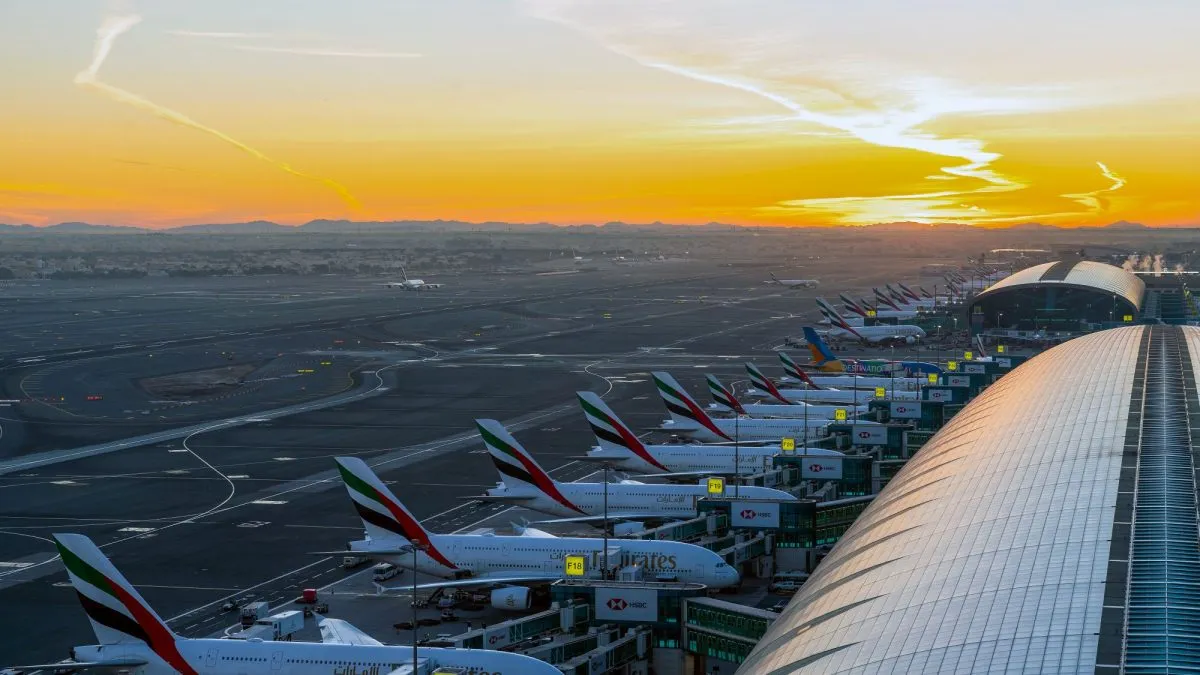
The geopolitical complexities of the Middle East and Persian Gulf region have inadvertently created a significant competitive advantage for Dubai-based carriers Emirates and flydubai, as their major European rivals remain grounded on critical routes due to an extended European Union Aviation Safety Agency (EASA) Conflict Zone Information Bulletin. This regulatory divergence has allowed the UAE airlines to consolidate their market share on lucrative Dubai-Europe corridors, leaving carriers like Lufthansa, Air France, and KLM unable to compete effectively in the interim. The current EASA directive, which was most recently extended until May 27, stipulates that European operators cannot traverse certain Gulf airspace, a restriction reinforced by the refusal of war-risk insurers to cover flights regardless of the safety assessments issued by national regulators like the UAE’s own General Civil Aviation Authority (GCAA).
The Regulatory Conundrum: EASA’s Precautionary Stance
At the heart of this operational disparity lies EASA’s stringent safety assessment. The agency views "the possibility of conflict as an unacceptable risk for airlines," a position articulated by Saj Ajmad, chief analyst at Strategic Aero Research. This proactive approach by EASA is rooted in a broader commitment to preventing aviation incidents in volatile regions, particularly in the wake of tragic events such as the accidental downing of Ukraine International Airlines Flight 752 over Iran in January 2020. That incident, which claimed 176 lives, served as a stark reminder of the catastrophic consequences of commercial aircraft operating in close proximity to active or potentially active conflict zones. Consequently, EASA has adopted a cautious stance, often issuing advisories and bulletins that prohibit or severely restrict flights over areas deemed high-risk, even if specific, immediate threats are not publicly confirmed.
The Conflict Zone Information Bulletin for the Middle East and Persian Gulf, therefore, is not merely a bureaucratic formality but a critical safety mandate designed to protect passengers and crew. While the specific coordinates and altitudes covered by the bulletin are detailed, its overarching effect is to render large swathes of airspace impassable for European-registered aircraft. This decision, though frustrating for the affected airlines, is presented by EASA as non-negotiable, prioritizing safety above commercial interests. The extension of the bulletin until late May suggests that EASA’s risk assessment has not significantly changed, indicating persistent geopolitical tensions or perceived threats in the region that warrant continued caution.
Chronology of Restrictions and Escalations
The genesis of the current EASA restrictions can be traced back to a series of escalating tensions and incidents in the Middle East. While specific dates for the initial bulletin are not always widely publicized for security reasons, the broader context includes:
- Early 2020: Following the downing of Flight PS752, numerous aviation authorities, including EASA, issued broad warnings and restrictions for flights over Iranian and Iraqi airspace. This marked a significant shift towards more comprehensive conflict zone management.
- Ongoing Regional Instability: Subsequent years have seen a continuous ebb and flow of geopolitical tensions, including drone attacks, missile strikes, and maritime incidents in the Strait of Hormuz and surrounding areas. Each spike in tension contributes to EASA’s periodic reassessments.
- Periodic Extensions: EASA regularly reviews its bulletins based on intelligence and assessments from member states. The bulletin concerning the Middle East and Persian Gulf has seen several extensions, reflecting the protracted nature of the perceived risks. The most recent extension until May 27 underscores the agency’s continued concerns regarding the operational environment.
- Impact on European Carriers: Since the initial imposition of these restrictions, European airlines have been forced to either suspend routes, implement lengthy and costly rerouting, or operate with significant limitations. This has gradually eroded their competitive edge on routes connecting Europe with key hubs in the UAE and beyond.
This evolving timeline highlights a pattern where geopolitical events directly translate into aviation policy, with immediate and tangible commercial consequences for airlines operating under different regulatory frameworks.
Market Dynamics and Competitive Shift
The direct beneficiaries of EASA’s cautionary stance are Emirates and flydubai. Both carriers, operating under the jurisdiction of the UAE’s GCAA, are not subject to EASA’s bulletin. While the GCAA also maintains rigorous safety standards and monitors regional airspace, its assessment of the risk in the specified conflict zones appears to differ, or it has implemented alternative mitigation strategies that allow its carriers to operate. This divergence in risk assessment effectively opens up a significant market opportunity for the Dubai-based airlines.
- Route Dominance: Emirates and flydubai are now largely unopposed on numerous direct routes between Dubai International (DXB) and various European cities. This includes high-demand destinations in Germany, France, the Netherlands, and other key European markets. Pre-pandemic, these routes were fiercely competitive, with Lufthansa, Air France-KLM, and British Airways often offering extensive networks and competitive pricing.
- Capacity Absorption: With European carriers either withdrawing or significantly curtailing their services, Emirates and flydubai are able to absorb a substantial portion of the passenger demand. Emirates, with its extensive fleet of wide-body aircraft (predominantly Boeing 777s and Airbus A380s), and flydubai, focusing on a robust network of Boeing 737s, possess the necessary capacity to meet this surge in demand. This translates into higher load factors and potentially stronger yields for the UAE carriers.
- Strategic Hub Advantage: Dubai International Airport, a mega-hub connecting East and West, further strengthens the position of Emirates and flydubai. Passengers from Europe looking to connect to Asia, Africa, or Oceania often choose Dubai as a transit point. With fewer direct European options, the choice naturally funnels towards the UAE airlines, enhancing Dubai’s status as a global aviation nexus.
- Data Implications (Inferred): While specific market share shifts are difficult to quantify without proprietary airline data, it is reasonable to infer a substantial gain for Emirates and flydubai. For instance, if European carriers previously accounted for 30-40% of the seat capacity on Dubai-Europe routes, a significant portion of that capacity is now being redirected. This could mean a temporary 10-15% increase in market share for the UAE carriers on affected routes, translating into millions of dollars in additional revenue. According to industry reports from before the EASA bulletin, the Dubai-Europe market accounted for millions of passengers annually, a significant portion of which is now largely served by Emirates and flydubai.
Industry Reactions and Official Stances
The situation has naturally drawn various reactions from the affected parties and aviation experts.
- EASA: The agency consistently reiterates its primary mandate: ensuring the highest level of aviation safety. A spokesperson for EASA, speaking generally on conflict zone policies, would likely state: "Our bulletins are based on thorough intelligence assessments and are designed to mitigate unacceptable risks to civil aviation. The safety of passengers and crew remains our paramount concern, and we will only modify or lift these restrictions when our assessments indicate a significant and sustained reduction in risk."
- European Carriers (Lufthansa, Air France, KLM): These airlines, while publicly adhering to EASA’s directives, privately express frustration over the competitive disadvantage. A representative from a major European airline group, speaking off the record, might lament: "We respect EASA’s safety mandate, but the operational implications are severe. We are losing significant market share and revenue on highly profitable routes. This situation not only impacts our bottom line but also our ability to serve our customers efficiently and maintain competitive pricing." Publicly, statements typically acknowledge the safety imperative while hinting at the commercial challenges: "Our priority is the safety of our passengers and crew, and we comply fully with all EASA directives. We are continuously monitoring the situation in collaboration with relevant authorities, hoping for a resolution that allows us to resume normal operations as soon as it is safe to do so."
- Emirates and flydubai: These carriers focus on their operational efficiency and commitment to meeting passenger demand. A spokesperson for Emirates might state: "We continue to operate our comprehensive network with the highest safety standards, connecting Dubai with destinations across Europe and the world. We are committed to providing seamless travel experiences for our customers and adapting to evolving market dynamics while adhering to all relevant aviation regulations." Their statements emphasize reliability and network connectivity, without directly addressing the competitive aspect.
- UAE GCAA: The UAE’s General Civil Aviation Authority maintains that its airspace and the routes used by its national carriers are safe. A GCAA official might comment: "The UAE GCAA conducts its own robust safety assessments in close coordination with international bodies and relevant intelligence agencies. We ensure that all flights operating under our jurisdiction adhere to the highest international safety standards and that any perceived risks are thoroughly mitigated." This highlights the difference in risk assessment methodology or available intelligence.
Broader Impact and Implications
The current scenario extends beyond mere airline competition, touching upon several broader implications:
- Economic Impact: For European carriers, the lost revenue from these lucrative routes represents a significant financial blow, especially as the industry continues its post-pandemic recovery. This can affect profitability, job security, and investment in new aircraft or services. For Dubai’s economy, the increased air traffic and passenger throughput bolster its tourism sector, hospitality industry, and overall economic vibrancy.
- Passenger Experience: While UAE carriers offer high-quality service, the lack of direct competition from European airlines can lead to reduced choice for passengers, potentially impacting ticket prices and flight availability over the long term. Passengers may also face longer transit times if their preferred European carrier cannot offer a direct route.
- Geopolitical Influence on Aviation: This situation underscores the profound and often immediate impact of geopolitical events on commercial aviation. It highlights how regional conflicts can create ripple effects that influence global travel patterns, regulatory frameworks, and economic competitiveness.
- The Role of War-Risk Insurers: The refusal of war-risk insurers to cover flights through restricted airspace is a critical factor. Airlines cannot operate without this coverage, regardless of a national regulator’s assessment. This demonstrates the powerful influence of the insurance industry in shaping operational decisions, acting as an additional layer of risk assessment that must be satisfied. Their assessments are purely financial, based on the probability of loss, making them inherently conservative in high-risk zones.
- Regulatory Harmonization vs. Divergence: The disparity between EASA and GCAA directives raises questions about the harmonization of aviation safety regulations in conflict zones. While each agency has its sovereign right to assess risk, significant divergences can lead to an uneven playing field. Calls for greater international cooperation and standardized risk assessment protocols might intensify to prevent similar situations in the future.
- Future Outlook: The duration of this competitive imbalance hinges entirely on EASA’s next review. Should geopolitical tensions in the Middle East subside significantly, leading to a modification or lifting of the bulletin, European carriers would likely swiftly re-enter the market. However, given the unpredictable nature of regional politics, the current advantage for Emirates and flydubai could persist, compelling European airlines to explore alternative strategies or advocate more strongly for diplomatic solutions that could de-escalate regional risks.
In conclusion, the ongoing EASA Conflict Zone Information Bulletin serves as a compelling case study in how global geopolitics directly shapes the competitive landscape of the aviation industry. While European carriers grapple with operational restrictions and financial losses, Emirates and flydubai are strategically positioned to leverage this regulatory divergence, consolidating their presence on vital Europe-Dubai routes and reinforcing Dubai’s status as a pivotal global aviation hub. The situation remains fluid, with all eyes on future EASA assessments and the broader geopolitical stability of the Middle East.



 Budi Mulyono
 Anjar Salim
 Chandra Hamzah

 Lukman Taruna Persada Ramadan