
 Chandra Hamzah
The resumption of operations on one of the world’s most crucial long-haul air travel corridors has triggered a significant drop in airfares, offering Australian travellers some of the most competitive European flight prices seen this year. Following a period of heightened geopolitical tension and subsequent airspace closures, major airlines are rapidly restoring capacity, leading to renewed competition and substantial fare reductions.
Airlines Surge Back to Pre-Conflict Schedules
Emirates, a key player on the Australia-Europe route, has confirmed that flight schedules are swiftly returning to pre-disruption levels. An Emirates spokesperson informed Cruise Passenger that the airline is actively working to restore full capacity in the coming months. "Today, we operate services across five Australian gateways, with three daily flights to Sydney, two daily flights to Melbourne, and daily services to Brisbane, Perth and Adelaide," the spokesperson stated. "We’ve restored about 85 per cent of our weekly flight frequencies between Dubai and Australia, with plans to return to our original schedule and capacity in the coming months as demand across our network continues to build, reflecting the strong and growing appetite for travel to and from Australia."
This sentiment is echoed by other major Gulf carriers, Qatar Airways and Etihad Airways, who have also largely reinstated their Australian flight frequencies. This resurgence in capacity is directly contributing to the aggressive pricing strategies now being observed.
Timeline of Disruption and Recovery
The disruption to air travel commenced in early [Month, Year, e.g., April 2024] following heightened tensions in the Middle East. As a result, several airlines, including those operating between Australia and Europe, were forced to re-route flights, avoiding Iranian and Iraqi airspace. This led to significantly longer flight times, increased operational costs, and a subsequent surge in airfares.
- Early [Month, Year]: Geopolitical events escalate, prompting advisories against transiting through specific Middle Eastern airspace.
- Mid-[Month, Year]: Airlines begin implementing flight re-routings, impacting travel times and increasing operational costs. Airfares on affected routes begin to climb sharply.
- Late [Month, Year]: Several major airlines report significant increases in flight durations and passenger complaints regarding extended travel times and higher costs. Travel advisories from national bodies, such as Australia’s Smartraveller, are updated to reflect the evolving situation.
- [Month, Year] Onwards: As regional tensions de-escalate, airspace restrictions are gradually lifted. Airlines begin the process of restoring original flight paths and increasing capacity.
- Present Day: Competition intensifies as airlines vie for market share, leading to a significant decrease in airfares for Australian travellers heading to Europe.
Data-Driven Fare Reductions and Booking Surges
The immediate impact of the eased travel advice has been a dramatic increase in bookings for Gulf carriers. Flight Centre reported a 36% surge in bookings on Emirates, Qatar Airways, and Etihad Airways in the week following the easing of Australia’s travel advisories. This surge prompted airlines to launch a new wave of fare sales, effectively driving down prices.
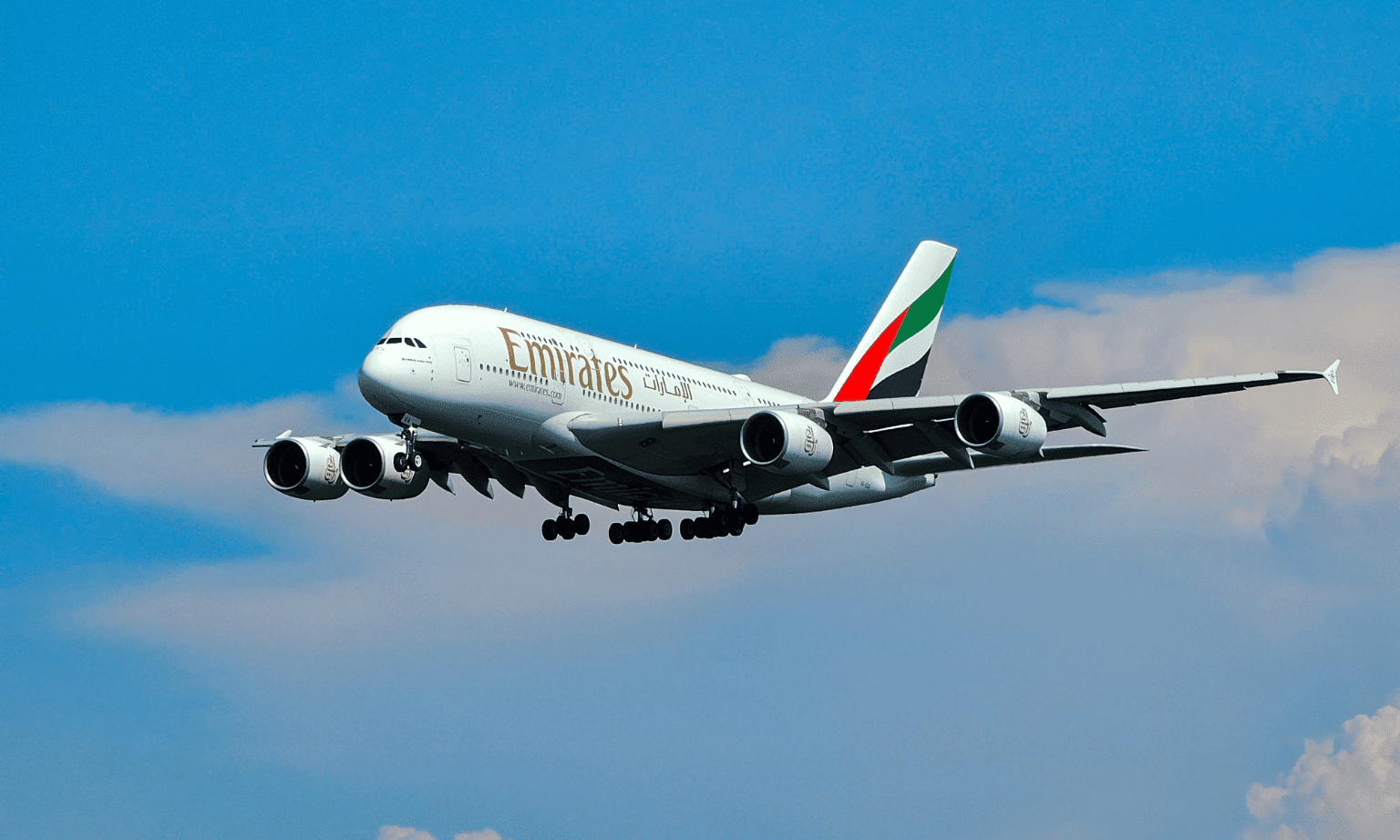
Economy return fares, which had briefly exceeded A$2,500 during the peak of the disruption, have now largely settled below the A$2,000 mark. Across the market, typical return economy fares from Australia to Europe are now ranging between A$1,700 and A$2,400 on major international carriers. However, promotional fares are consistently falling below these levels.
Specific examples highlight the extent of the price drops:
- Flights from Sydney to London are being advertised from approximately A$1,595 return.
- Melbourne to London fares have dropped to around A$1,587 return.
- Perth continues to offer some of the most competitive fares, with return flights to London available from as little as A$1,313.
- Southern European destinations are also seeing price reductions, with promotional return fares to Athens starting around A$1,580 and to Dublin approximately A$1,740.
This renewed competition has shifted the market dynamic back in favour of the Gulf airlines. During the period of heightened risk, many Australian travellers opted to avoid transiting through the Middle East, leading to increased demand and higher prices on alternative carriers such as Singapore Airlines and Cathay Pacific. With the return of confidence and the restoration of Gulf carrier schedules, these fare premiums are diminishing.
For travellers seeking value, Malaysia Airlines and Turkish Airlines continue to offer competitive fares to Europe, generally priced between A$1,500 and A$2,300 return. Among the Gulf carriers, Emirates typically advertises return economy fares via Dubai between A$1,700 and A$2,500. Qatar Airways offers similar fares through Doha, ranging from A$1,700 to A$2,400, while Etihad Airways prices return economy fares via Abu Dhabi between A$1,700 and A$2,400. The pricing among these three major Gulf carriers is now remarkably similar, with the choice often coming down to preferred transit hub, flight schedules, and loyalty program benefits rather than significant price differentials.
Analysis: The Economic Impact of Restored Routes
The reopening of Middle Eastern airspace and the subsequent return of competition have a multifaceted economic impact. For consumers, it signifies a welcome return to affordability for long-haul travel, particularly during peak European summer holiday periods. This reduction in airfares can stimulate further travel demand, benefiting not only the airlines but also the tourism and hospitality sectors in both Australia and Europe.
For the airlines themselves, the restoration of direct routes and increased capacity is crucial for profitability. The extended re-routing periods incurred higher fuel costs and reduced aircraft utilization. The current competitive landscape, while beneficial for travellers, necessitates efficient operations and strategic pricing to maintain market share and achieve revenue targets. The strong booking surges indicate a healthy underlying demand for travel, suggesting that the market is poised for a robust recovery.
Premium Travel Experiences See Price Adjustments
The easing of tensions is also reflected in the pricing of premium cabins. Premium Economy fares from Australia to Europe are now commonly available between A$3,200 and A$5,000 return. Business Class sale fares have also reappeared below A$7,000 on select routes, a significant decrease from the inflated prices seen during the disruption. Outside of sale periods, Business Class fares generally range between A$8,000 and A$12,000 return. Airlines are increasingly offering discounts on Business Class seats as additional capacity returns to the market, making premium travel more accessible.

Capacity Recovery and Lingering Cautions
While capacity is demonstrably recovering, aviation experts caution that operations have not entirely returned to pre-disruption normality. Several airlines continue to avoid specific sections of Iranian and Iraqi airspace, necessitating longer flight paths. This can still lead to extended travel times and a possibility of schedule changes or delays if security conditions shift unexpectedly.
International carriers such as Lufthansa, Air France, and British Airways have also progressively resumed services into the Gulf region. However, some continue to operate modified routings that bypass certain areas of Middle Eastern airspace. A small number of airlines have delayed the full resumption of flights to destinations deemed higher risk, pending continuous monitoring of regional security developments.
Official Advice and Traveller Preparedness
Despite the encouraging signs of recovery, authorities continue to advise travellers to remain flexible. Australia’s Smartraveller advisory highlights that the security situation across parts of the Middle East can change rapidly, and military activity may still impact commercial aviation. Airlines are prepared to reroute or cancel flights at short notice if operational conditions necessitate such measures.
Passengers are strongly advised to:
- Monitor their airline’s app or website for the latest flight status before departure.
- Allow ample additional time for connections through major Gulf hubs.
- Ensure their travel insurance policy provides adequate cover for disruption caused by conflict-related events.
- Keep airline notifications enabled to receive immediate alerts about any schedule changes.
The Road Ahead: A Competitive Landscape
The aviation industry anticipates that the recovery is well underway. While airlines are operating with caution and some extended flight paths remain in place, the return of intense competition is driving down fares and increasing seat availability. Europe is once again becoming a significantly more accessible and affordable destination for Australian travellers than it was just a few weeks ago.
For ongoing updates on airline schedules, travel advisories, and cruise news, Cruise Passenger will continue to provide comprehensive coverage. The current market conditions present a compelling opportunity for travellers to secure favourable fares for their upcoming European adventures.




 Budi Mulyono
 Anjar Salim
 Tatiana Tantri Indah Sari

 Lukman Taruna Persada Ramadan