
 Tatiana Tantri Indah Sari
The landscape of European hospitality is undergoing a quiet yet profound structural shift as independent hoteliers confront a novel and complex challenge: maintaining digital visibility in an ecosystem increasingly mediated by artificial intelligence. While travelers across the globe rapidly adopt conversational agents, generative AI assistants, and automated search tools to dream, research, and draft travel itineraries, the transition from algorithmic discovery to confirmed bookings remains remarkably narrow. For Europe’s fragmented hospitality sector—where approximately three-quarters of all properties are independent, family-run, or small-scale operations—this technological evolution threatens to exacerbate existing disadvantages against multinational hotel chains and deep-pocketed Online Travel Agencies (OTAs).
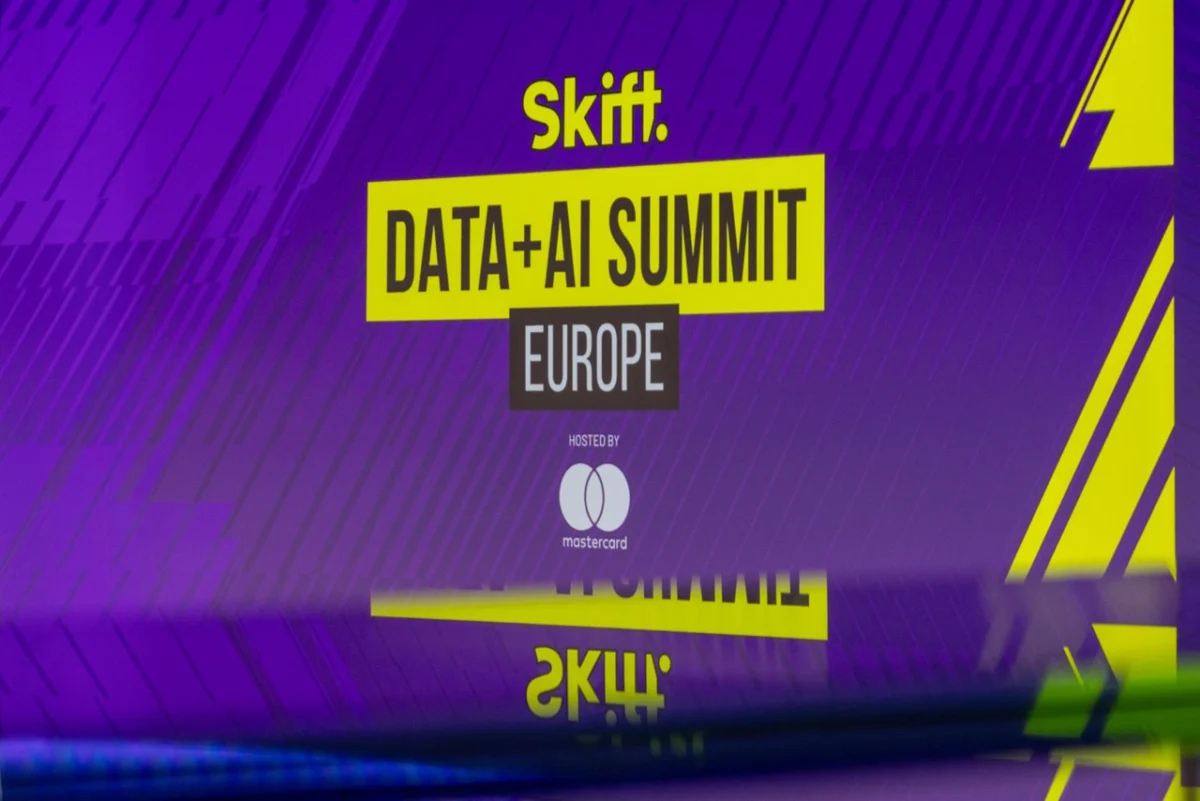
The implications of this shift took center stage last week at the Skift Data + AI Summit in London, held on October 6, 2026. Convening industry leaders, technologists, and hospitality executives, the event moved beyond speculative discussions about the theoretical capabilities of artificial intelligence. Instead, the discourse zeroed in on tangible business metrics, accountability, and the cold economic reality of return on investment. Discussions at the summit revealed a dual pressure point for European hoteliers: they must navigate consumer behavior that favors AI-driven inspiration over autonomous booking while simultaneously complying with stringent regulatory frameworks that govern digital operations within the European Union.
The Genesis of the AI Visibility Crisis
To understand the current predicament of Europe’s independent hotels, one must examine the rapid evolution of travel planning over the past several years. By 2026, consumer habits had shifted markedly away from traditional multi-tab web browsing and toward centralized AI query engines. Travelers increasingly rely on large language models and customized travel assistants to construct intricate, multi-city itineraries, compare regional cuisines, and narrow down accommodation options based on hyper-specific criteria, such as pet friendliness, architectural style, or proximity to specific historical landmarks.
However, these AI tools do not browse the internet the way a human traveler does. They rely on complex algorithms, semantic indexing, structured data schemas, and proprietary partnerships with major distribution networks to synthesize answers. Multinational hospitality brands and dominant OTAs have poured millions of dollars into optimizing their digital infrastructure, ensuring their properties are consistently referenced, recommended, and surfaced by generative search engines.
In contrast, independent hotels—often lacking dedicated digital marketing teams, advanced customer relationship management systems, or technical expertise in semantic web optimization—risk disappearing from these AI-generated recommendations entirely. If an independent boutique hotel in the heart of Provence or a family-run inn in rural Bavaria fails to structure its digital data in a way that machine-learning models can easily parse, it effectively ceases to exist in the minds of AI-empowered consumers before a reservation can even be considered.
The European Regulatory Dimension: The EU AI Act
Compounding this visibility puzzle is the unique regulatory landscape governing the European market. The implementation of the European Union Artificial Intelligence Act (EU AI Act) has introduced a formal compliance framework that dictates how companies review, govern, and deploy digital tools internally.
Unlike regions with more laissez-faire tech policies, European hoteliers must be acutely aware of data privacy, algorithmic transparency, and consumer protection laws. While large corporate chains can absorb the legal and administrative overhead required to audit their AI vendors and automated customer-facing systems, independent operators face a heavier compliance burden. The act has forced European hoteliers to formalize their internal tech stacks, demanding rigorous documentation of how guest data is handled by third-party booking engines and AI-driven chatbots.
Consequently, many independent operators have redirected their limited capital away from speculative guest-acquisition experiments in generative AI and toward operational compliance, ensuring their backend systems adhere strictly to European standards.
Operational Realities Over Autonomous Booking
Despite the anxieties surrounding visibility, empirical evidence presented at the Skift Data + AI Summit indicated that the clearest, most measurable returns on investment for hospitality AI are currently manifesting in operational efficiencies rather than direct, autonomous trip bookings.
While consumers are comfortable using AI to draft vacation plans, they remain hesitant to finalize high-value financial transactions—such as hotel bookings—solely through an autonomous chat interface. Trust, security concerns, and the desire for human reassurance mean that the final click almost always occurs on a verified, traditional booking engine.
As a result, forward-thinking independent hotels are discovering that the true value of AI lies behind the scenes. Operational applications—such as automated multilingual guest communication, predictive maintenance scheduling, dynamic housekeeping allocation, and AI-driven revenue management systems—are delivering immediate cost savings and productivity gains. By automating routine inquiries through sophisticated chatbots that integrate seamlessly with property management systems, independent hotels can reduce front-desk friction and reallocate human capital toward personalized guest hospitality.
Industry Reactions and Strategic Pivots
The disconnect between AI-driven discovery and operational execution has prompted varied reactions across the European hospitality sector. Technology vendors and digital consultants at the London summit emphasized that independent hotels can no longer afford to treat their website architecture as a static digital brochure.
Industry analysts suggest that independent properties must adopt a proactive approach to semantic search optimization. This involves implementing robust schema markup, ensuring accurate geo-location data, maintaining pristine listings across regional directories, and cultivating authentic reviews that generative AI models frequently crawl and weight in their recommendation algorithms. Furthermore, hospitality groups and regional tourism boards are increasingly stepping in to provide shared technological resources, offering smaller hoteliers access to enterprise-grade AI tools that would otherwise be financially out of reach.
However, skepticism remains. Some veteran hoteliers argue that the relentless push toward algorithmic intermediation threatens to homogenize the travel experience. They contend that the unique, unquantifiable charm of an independent hotel—its local character, personalized service, and distinct cultural identity—is difficult to translate into the cold, probabilistic language of large language models. For these operators, the challenge is not merely technical, but philosophical: how to remain visible in a machine-driven marketplace without losing the very authenticity that attracts travelers in the first place.
Broader Implications for the Global Travel Economy
The struggles faced by Europe’s independent hoteliers serve as a bellwether for the global hospitality industry. As artificial intelligence continues to reshape how humanity accesses information, the gatekeepers of digital visibility are shifting from traditional search engine optimization firms to algorithmic curators.
If independent hotels are systematically sidelined in AI-generated travel answers, the long-term consequence could be a significant consolidation of market power among major hotel conglomerates and dominant digital booking platforms. Such a shift would not only reduce consumer choice but also diminish the rich diversity of accommodation options that define the European travel experience.
As the industry moves deeper into the late 2020s, the path forward for independent hoteliers requires a delicate balancing act. They must master the technical demands of semantic visibility to ensure they are seen by AI agents, leverage operational AI to protect their profit margins, and fiercely preserve the human-centric hospitality that machines can recommend, but never truly replicate. The conversations in London made one thing abundantly clear: the future of European independent hospitality will belong to those who can successfully bridge the gap between algorithmic science and authentic art.




 Gabriela Annisa

 Lukman Taruna Persada Ramadan

 Anjar Salim

 Dwi Wanna
