
 Chandra Hamzah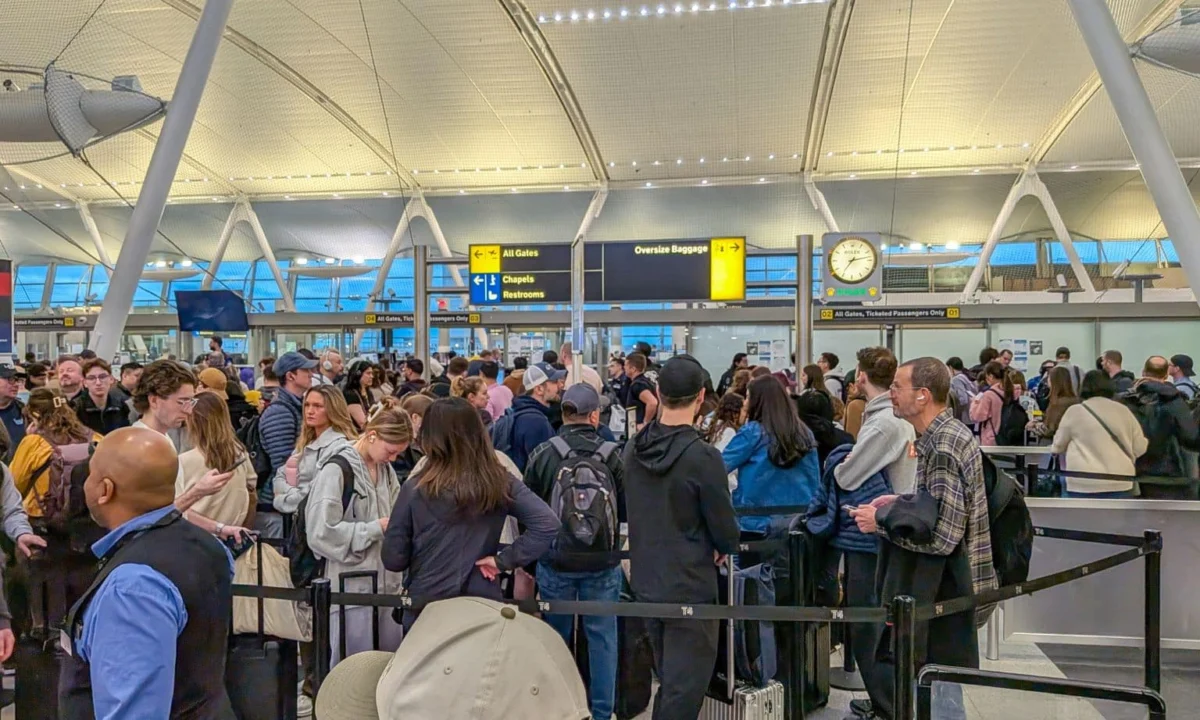
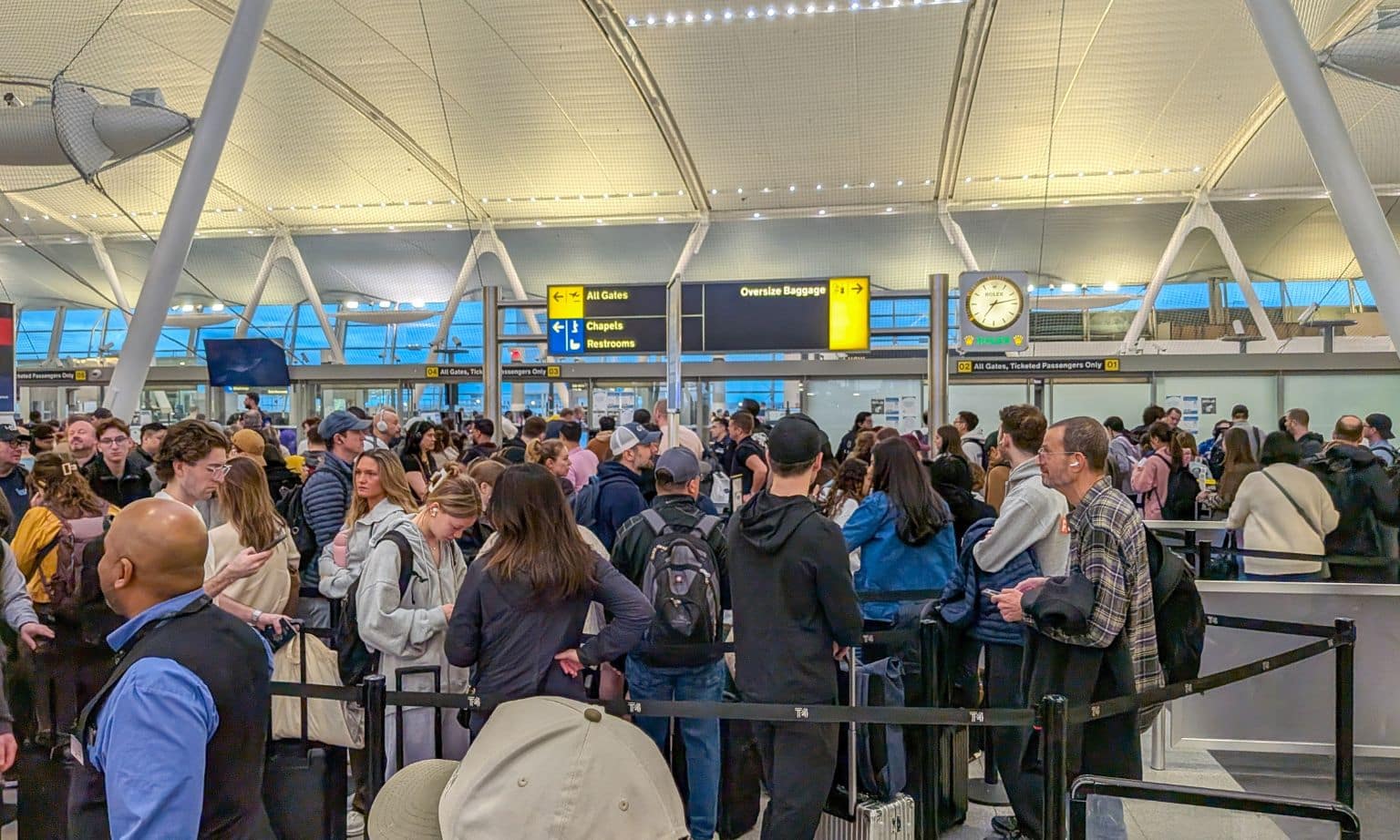
The European Union’s ambitious new Entry and Exit System (EES) has plunged major airports across the continent into a state of significant disarray, causing unprecedented delays for millions of travellers during the peak of the summer tourism season. Reports indicate that queues are stretching for hours, leading to missed flights, mounting frustration, and urgent travel advisories urging passengers to prepare for prolonged waits. This system, designed to enhance border security and streamline the tracking of non-EU visitors, has, ironically, created a substantial bottleneck at the very gateways it aims to manage.
The EES, a flagship initiative of the European Commission, mandates the collection of biometric data – including facial images and fingerprints – along with passport information from all non-EU nationals entering and exiting the Schengen Area. The stated objective is to automate border checks, create a more secure external border, and enhance the management of irregular migration. However, the phased rollout, coinciding with a surge in post-pandemic travel and exacerbated by extreme weather conditions, has revealed significant operational challenges and inadequacies in the system’s implementation.
The Genesis of the EES and its Troubled Launch
The concept of the EES has been in development for several years, with initial proposals dating back to the early 2010s. The goal was to replace the manual stamping of passports with an electronic system that would automatically record the entry and exit of travellers from third countries. This would allow for more efficient tracking of the duration of stay for visa-exempt visitors and help identify overstayers. The system is intended to apply to travellers from over 60 non-EU countries, including the UK, the United States, Canada, Australia, and New Zealand, who are permitted to enter the Schengen Area for short stays without a visa.
The EES was initially slated for implementation in 2020, but its launch has been repeatedly postponed due to technical complexities, the COVID-19 pandemic, and the need for member states to upgrade their border infrastructure and train personnel. The current rollout is a phased approach, with different airports and border crossings implementing the system at varying times. This staggered implementation, while intended to allow for adjustments, has also contributed to an uneven experience for travellers, with some facing significant delays while others, in different locations or at different times, may encounter fewer issues.
The Onslaught of Delays: A Traveller’s Nightmare
The most immediate and visible consequence of the EES implementation has been the dramatic increase in waiting times at passport control. Travellers are reporting queues of up to four to six hours at major European hubs, including popular destinations like Paris, Rome, and Madrid. This is not merely an inconvenience; it is actively disrupting travel plans. Numerous reports have surfaced of passengers missing connecting flights, arriving late for pre-booked tours and accommodations, and experiencing considerable stress and exhaustion.
The Smart Traveller service, an Australian government initiative providing travel advice, has issued a stark warning regarding the EES. Their advisory explicitly states: "The EES is currently causing delays of up to 4-6 hours in some European airports. Travellers have missed flights as a result. Take delays into account when booking your travel." This guidance underscores the severity of the situation and the need for travellers to proactively manage their expectations and itineraries.
The process itself is a significant factor in the delays. Passengers are required to interact with self-service kiosks to register their biometric data, which includes having their photograph taken and fingerprints scanned. This is followed by a manual check by border officials. While some countries are exploring the use of mobile applications to pre-register initial data, thereby potentially speeding up the process at the border, the reliance on physical kiosks and the need for official verification remain core components of the system. The sheer volume of travellers attempting to navigate these new procedures simultaneously, especially during peak season, has overwhelmed existing staffing levels and infrastructure.
Factors Exacerbating the Crisis
Several converging factors have amplified the impact of the EES rollout:
- Peak Tourism Season: The delays are occurring at the very height of Europe’s summer holiday season, when airports are already operating at maximum capacity. Millions of tourists are travelling for leisure, business, and family visits, creating a perfect storm for operational strain.
- Record Heatwaves: Many European regions are currently experiencing unprecedented heatwaves, with temperatures soaring to dangerous levels. Standing for hours in long queues, often outdoors or in poorly ventilated areas, poses significant health risks, particularly for vulnerable individuals. The advisory to "take food and water if needed" is a direct acknowledgment of these challenging conditions.
- Staffing and Training: The efficient operation of any new border system relies heavily on adequate staffing and comprehensive training. It is evident that many airports and border agencies have struggled to onboard and train sufficient personnel to manage the increased workload and complexity of the EES procedures.
- Technical Glitches: While not explicitly detailed in all reports, it is common for complex technological systems like the EES to experience initial teething problems and technical glitches that can further slow down operations.
Reactions and Calls for Action
The widespread disruption has naturally drawn criticism and calls for immediate action from various stakeholders. The travel industry, including airlines, tour operators, and travel agencies, has expressed grave concerns about the impact on their businesses and customer satisfaction. There have been reports of travel industry bodies urging EU member states to suspend or delay the full implementation of the EES until the system can operate more smoothly.
Some countries have attempted to mitigate the immediate impact. Greece, for instance, has reportedly briefly suspended the rollout of the new system to certain groups of travellers in an effort to reduce delays at its airports. However, these are often temporary measures, and a decisive, continent-wide decision to suspend or significantly alter the implementation has not yet been made. The European Commission maintains that the EES is a crucial step towards enhanced security and that the current challenges are part of an initial adjustment period.
Analysis of Implications and Future Outlook
The current situation with the EES rollout highlights a critical challenge in modern border management: balancing security objectives with the facilitation of legitimate travel. While the EES aims to improve security by creating a more robust record of traveller movements, its current implementation is severely undermining the traveller experience.
- Economic Impact: The delays and missed flights have direct economic consequences. Airlines face increased costs due to flight disruptions and potential compensation claims. Tourists may incur additional expenses for rebooked flights, accommodation, and lost vacation time. The reputational damage to European travel destinations could also have long-term economic implications.
- Traveller Confidence: The current chaos can erode traveller confidence in the efficiency and predictability of European travel. This could lead some potential visitors to reconsider their travel plans or opt for destinations with smoother entry procedures.
- Operational Improvements Needed: The current situation necessitates a rapid and robust response from EU member states and the European Commission. This includes a thorough review of staffing levels at border control points, enhanced training for border officials, and potentially a refinement of the EES technology and its user interface. The exploration of pre-arrival data submission via mobile apps, if implemented effectively and widely, could offer a significant improvement.
- Long-Term Benefits vs. Short-Term Pain: Proponents of the EES argue that the initial disruption is a necessary price to pay for enhanced long-term security and more efficient border management once the system is fully operational and optimized. However, the current scale of disruption raises questions about the adequacy of the planning and preparation for this critical phase.
Tips for Navigating the EES Challenges
In light of the ongoing disruptions, travellers planning a trip to the Schengen Area are strongly advised to adopt a proactive approach:
- Check Applicability: Verify if the EES applies to your nationality and travel purpose. While it primarily affects non-EU nationals, understanding the specifics is crucial.
- Pack Essentials: As advised by Smart Traveller, carry sufficient food and water to manage potentially long waiting times.
- Adjust Flight Schedules: If you have connecting flights, allow significantly more time between them. Consider booking flexible flight options that permit changes without hefty penalties.
- Arrive Early: Plan to arrive at the airport well in advance of your scheduled departure time, ideally several hours earlier than you normally would.
- Prepare Travel Documents: Ensure all your travel documents are readily accessible and in order.
- Communicate with Airport Staff: If you have mobility issues or health concerns that might be aggravated by prolonged standing, engage with airport support staff upon arrival. They may be able to provide assistance or alternative arrangements.
- Stay Informed: Monitor official advisories from your country’s foreign travel advice service and from the airports you will be transiting through.
The European Union’s Entry and Exit System represents a significant undertaking in border management. While its long-term goals of enhanced security are laudable, the current implementation has created a significant and, for many, a deeply frustrating travel experience. As the summer progresses, the focus will remain on how effectively EU member states and the Commission can address these operational challenges and restore a smoother passage for travellers across Europe’s borders. The coming weeks will be critical in determining whether the EES can transition from a source of chaos to a system that truly enhances both security and efficiency.




 Anjar Salim
 Tatiana Tantri Indah Sari
 Budi Mulyono
 Lukman Taruna Persada Ramadan
