
 Hendra Ismail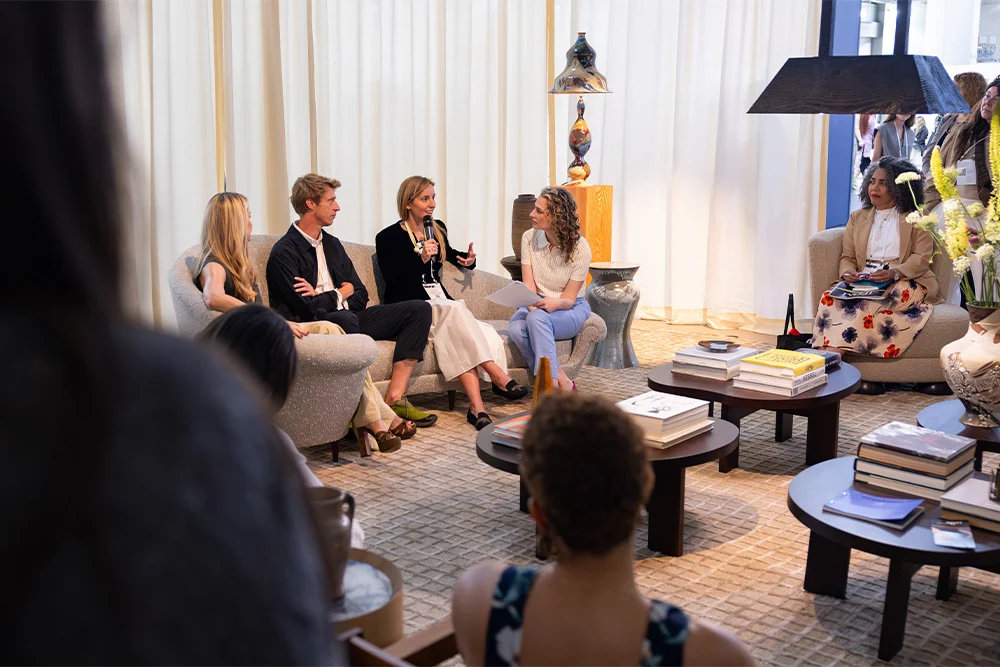
The world of architecture, design, and cultural preservation is buzzing with significant developments this week, showcasing a blend of historical reverence and forward-thinking innovation. From the hallowed halls of the Louvre Museum in Paris to the iconic landscapes of Route 66, and the burgeoning creative scene in Brooklyn, a series of high-profile projects are set to redefine public spaces and cultural experiences. In parallel, the design industry convenes for its annual showcase, highlighting emerging trends and celebrating exceptional talent.
Louvre Museum Embarks on Monumental Transformation
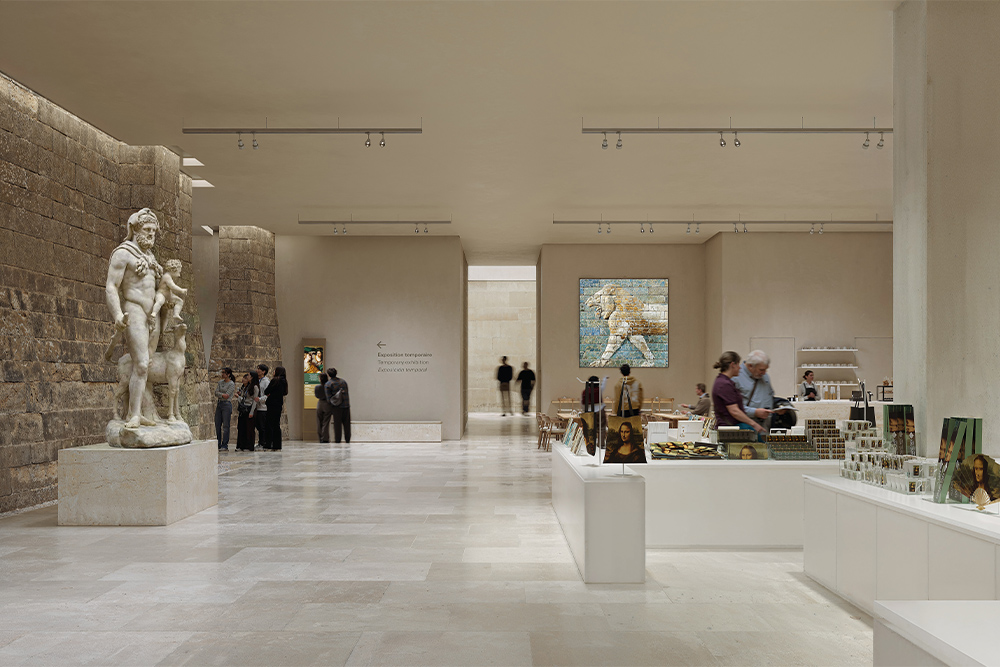
The Louvre Museum, a global beacon of art and history, has announced the winning design consortium tasked with undertaking a significant renovation and transformation of its iconic Colonnade on the eastern facade. The prestigious international design competition culminated in the selection of Selldorf Architects, STUDIOS Architecture, and BASE Paysagiste, a team poised to reimagine key aspects of the museum’s visitor experience and operational efficiency.
This ambitious undertaking, referred to as "Louvre Nouvelle Renaissance," aims to meticulously repair and revitalize the historic structure while integrating contemporary expectations for public engagement and environmental sustainability. The project’s scope extends beyond mere restoration, encompassing the creation of new visitor entrances, optimized circulation routes, and a comprehensive redevelopment of the surrounding urban landscape. These enhancements are designed to significantly improve the flow and accessibility for the museum’s millions of annual visitors, who flock to witness unparalleled collections spanning millennia.
A particularly noteworthy element of the renovation will be the integration of new relaxation areas, offering patrons moments of respite amidst their exploration of art. Furthermore, a versatile, modular temporary exhibition space is planned, providing the museum with greater flexibility in showcasing diverse and timely collections. While details are still emerging, the announcement also hints at a dedicated new space for Leonardo da Vinci’s enigmatic masterpiece, the "Mona Lisa," a move that is sure to spark considerable public interest and debate regarding its presentation and accessibility. The strategic placement and design of this new space will be crucial in managing visitor traffic and enhancing the viewing experience of one of the world’s most famous artworks.
The project’s commitment to sustainability is a critical component, aligning with global imperatives for environmental responsibility in cultural institutions. This includes the redevelopment of the esplanade, which will feature a new vegetated composition, contributing to urban biodiversity and enhancing the aesthetic appeal of the museum’s surroundings. The integration of green spaces is not only an environmental consideration but also aims to create a more welcoming and serene atmosphere for visitors.
The Louvre, established as a museum in 1793, has undergone numerous expansions and modifications throughout its history, reflecting evolving curatorial practices and architectural styles. The current renovation represents one of the most significant interventions in recent decades, building upon previous projects like I.M. Pei’s iconic Pyramid, which opened in 1989 and dramatically modernized the museum’s main entrance and underground facilities. The "Louvre Nouvelle Renaissance" project is expected to build upon this legacy of thoughtful adaptation, ensuring the museum remains a vibrant and relevant cultural institution for generations to come. A definitive construction timeline has not yet been released, but the anticipation for this transformative project is palpable within the architectural and art communities.
Studio Gang Unveils Sustainable Pavilion for Hudson Valley Shakespeare Festival
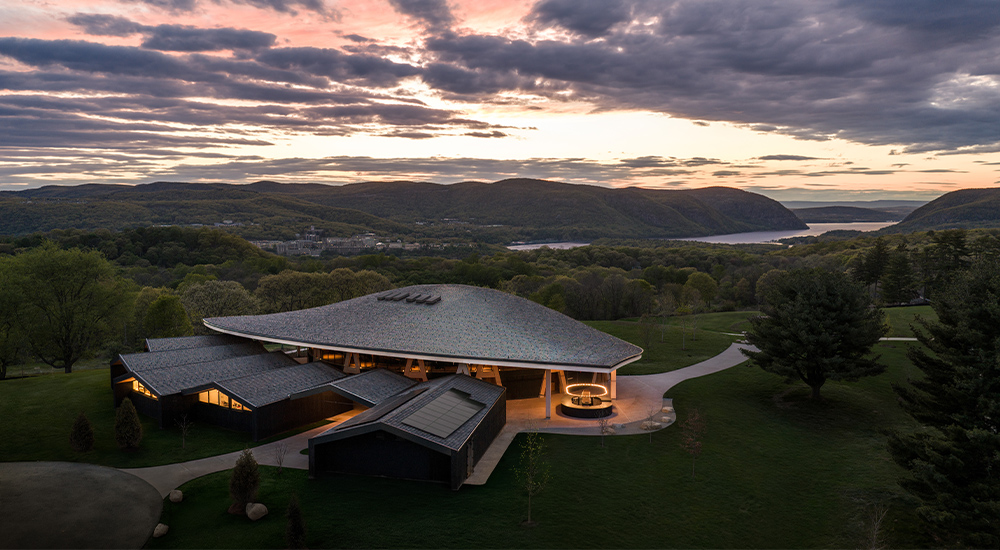
In the verdant landscapes of New York’s Hudson Valley, Studio Gang, in collaboration with landscape architect Nelson Byrd Woltz, has completed the Samuel H. Scripps Theater Center. This striking new timber structure will serve as the permanent home for the acclaimed Hudson Valley Shakespeare theater troupe in the picturesque hamlet of Garrison. The project stands as a testament to innovative sustainable design and a deep respect for its natural surroundings.
The pavilion is conceived not just as a performance venue but as an integrated part of the 98-acre campus, which is undergoing a significant ecological restoration. The land, previously a golf course, is being revitalized to reintroduce native grasses and wetlands, demonstrating a commitment to environmental stewardship. The theater’s design itself embodies this ethos, featuring rooftop solar panels and advanced rainwater harvesting systems. These elements are crucial in minimizing the building’s environmental footprint and promoting self-sufficiency.
The architectural design is characterized by its sensitive integration with the landscape, framing expansive natural vistas and drawing the surrounding beauty into the performance experience. The 451-seat main theater, encompassing 6,800 square feet, is complemented by an extensive 10,000-square-foot back-of-house area. This operational core houses essential facilities including dressing rooms, a green room, wardrobe workshops, and administrative offices, ensuring the smooth functioning of the theater company.
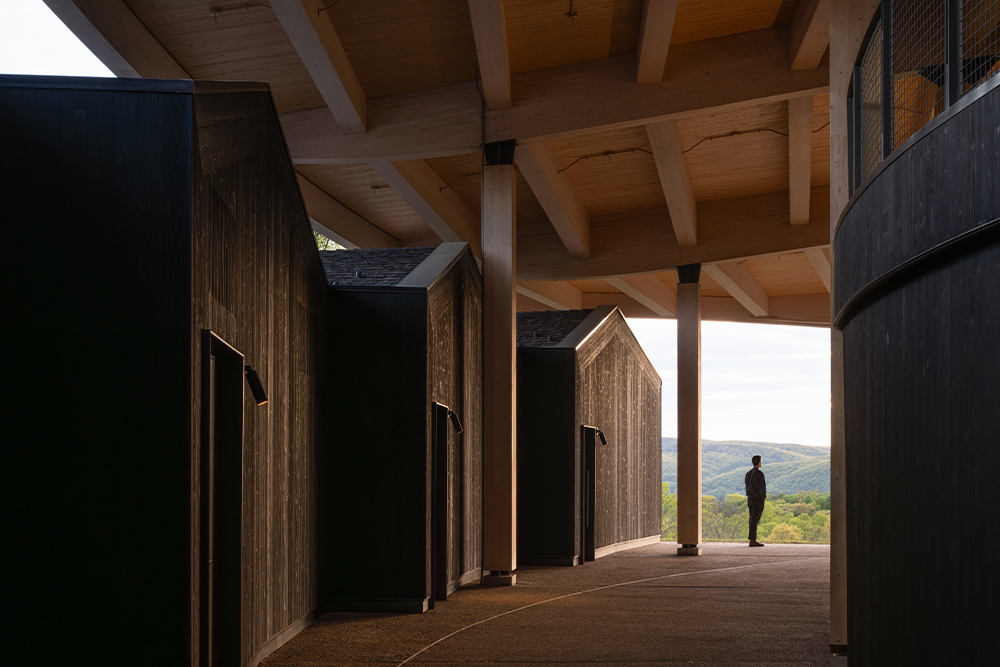
A distinctive architectural feature of the supporting structures is their cladding in yakisugi, a traditional Japanese method of wood preservation through charring. This technique not only imparts a unique aesthetic with its deep, rich color and textured surface but also provides exceptional durability and resistance to decay, pests, and fire. The charring process creates a protective layer of carbon, making the wood naturally resistant and long-lasting, thereby reducing the need for chemical treatments and contributing to the project’s sustainable credentials.
The Hudson Valley Shakespeare Festival, known for its engaging and innovative productions, has long sought a dedicated and permanent facility. The completion of the Samuel H. Scripps Theater Center marks a significant milestone for the troupe, providing them with a state-of-the-art venue that aligns with their artistic vision and environmental values. The choice of Studio Gang, renowned for its design excellence and commitment to social and environmental impact, underscores the importance of this project. The firm’s portfolio includes numerous award-winning projects that prioritize community engagement and ecological integration, such as the Aqua Tower in Chicago and the Writers Theatre in Glencoe, Illinois.
The strategic placement of the theater within the restored landscape is intended to foster a deeper connection between the audience, the performers, and the natural environment, enhancing the overall theatrical experience. The successful integration of sustainable technologies and traditional building methods signifies a forward-looking approach to cultural architecture.
Brooklyn’s Iconic Williamsburgh Savings Bank Tower to Become a Vibrant Food Hall
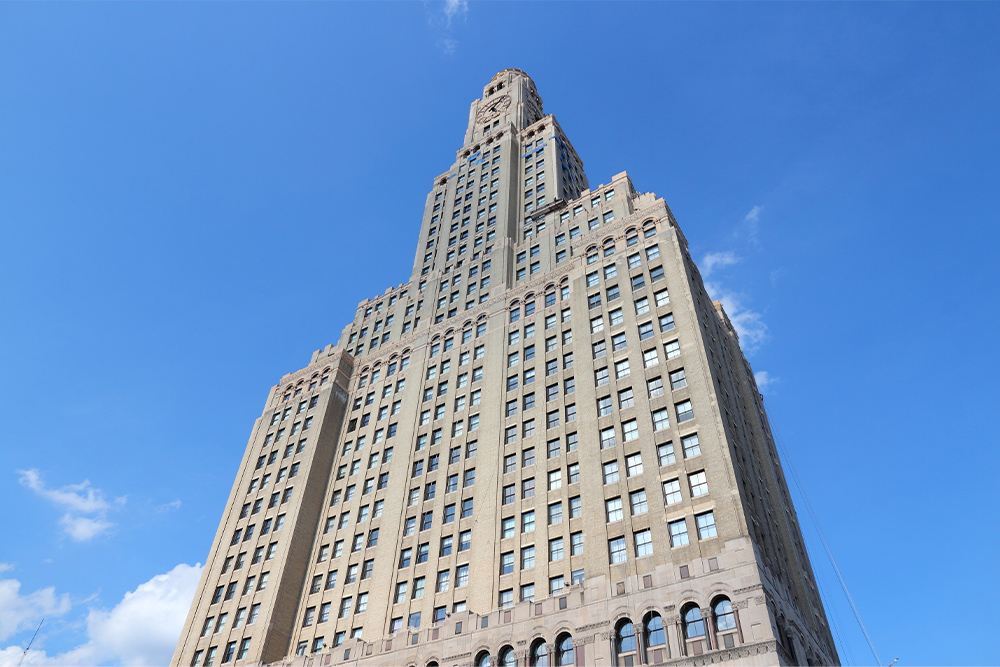
In a striking transformation of a beloved Brooklyn landmark, the Williamsburgh Savings Bank Tower at One Hanson Place in Fort Greene is slated to become a dynamic new food hall in 2027. This ambitious project, announced by Brooklyn Sports & Entertainment (BSE) in partnership with Miami-based hospitality brand Casa Tua, promises to breathe new life into the majestic Beaux-Arts building, preserving its historical grandeur while ushering in a new era of culinary and social engagement.
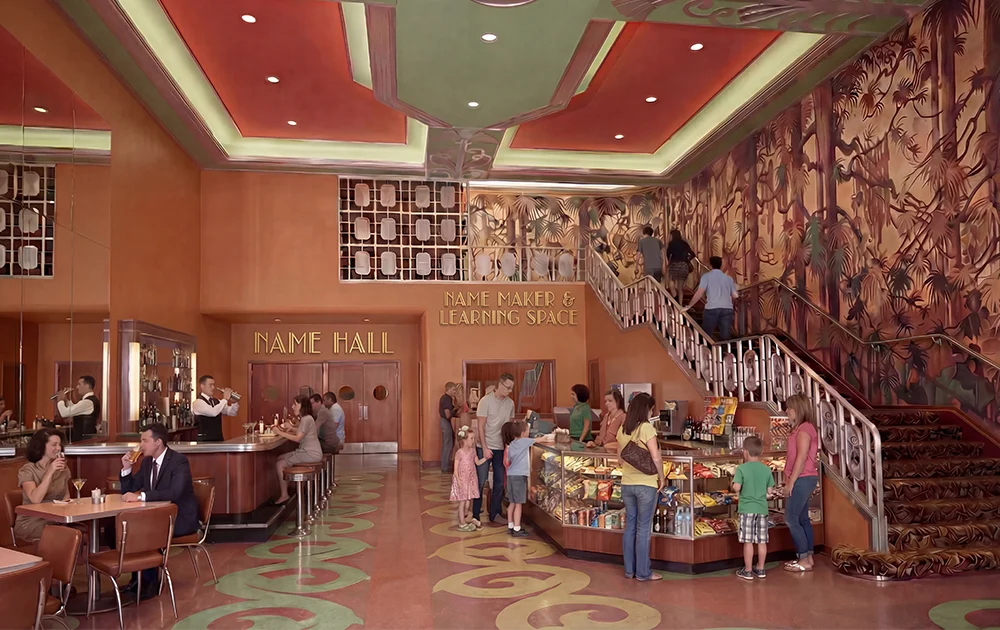
The Williamsburgh Savings Bank Tower, a prominent fixture in the Brooklyn skyline since its completion in 1929, is renowned for its opulent interiors and imposing architecture. The decision to repurpose its ground floor, mezzanine, and basement – acquired by BSE in 2024 – into a food hall represents a significant shift from its traditional financial function. Renderings of the proposed space, as featured on Secret NYC, indicate a thoughtful approach that largely preserves the historic architectural elements, integrating them with contemporary design features such as a large central bar and lounge, private dining areas, and spaces dedicated to special events. The addition of new furniture and abundant greenery is expected to soften the monumental scale of the interiors and create a more inviting atmosphere.
This development marks a significant investment in the Fort Greene neighborhood, potentially revitalizing the area and establishing One Hanson Place as a new culinary destination. The partnership with Casa Tua, known for its successful ventures in upscale dining and hospitality, suggests a focus on quality and a refined guest experience. The concept of a food hall within such a historic and architecturally significant building presents a unique opportunity to blend the appreciation of heritage with the enjoyment of diverse, high-quality food offerings.
The tower’s original purpose as a savings bank meant it was designed to inspire trust, security, and permanence. Its architectural style, characterized by its elaborate ornamentation, soaring ceilings, and grand scale, reflects the prosperity and ambition of its era. Transitioning this space into a public food hall will require a delicate balance of respecting its past while creating a functional and appealing environment for modern patrons. The addition of a central bar and lounge area, alongside private dining and event spaces, indicates a multifaceted approach that aims to cater to a variety of needs, from casual dining to more formal gatherings.
The revitalization of historic buildings into mixed-use spaces is a growing trend in urban development, offering a sustainable alternative to new construction and preserving the character of cities. The transformation of the Williamsburgh Savings Bank Tower into a food hall is a prime example of this trend, promising to become a vibrant hub for the community and a significant draw for visitors. While an architect for the specific food hall project has not yet been announced, the involvement of BSE and Casa Tua signals a commitment to a high-caliber transformation.
Mark Cline: The Artisan Revitalizing Route 66’s Monumental Icons
As the iconic U.S. Highway 66 approaches its centennial anniversary in November, a vibrant resurgence of roadside Americana is captivating travelers. Central to this renaissance is the work of Mark Cline, a sculptor whose larger-than-life fiberglass figurative sculptures, some towering up to 23 feet, have become beloved guardians along the historic route, evoking the nostalgic spirit of the Great American Roadtrip.
Cline has emerged as a pivotal figure in the recent proliferation of these eye-catching roadside attractions. Many small businesses along Route 66 commission his work, seeking unique sculptures to draw attention and celebrate the highway’s enduring legacy. His career trajectory was significantly influenced by his acquisition of a 14-foot-tall Muffler Man sculpture in the 1990s. Recognizing the potential of these iconic figures, Cline created a mold of the original, which subsequently launched his own prolific career in producing and customizing these monumental roadside figures.
His creations are characterized by their vibrant kitsch aesthetic and their ability to embody a sense of playful Americana. In a recent profile by Dwell, Cline shared anecdotes that highlight the distinctive charm and occasional dramatic fates of his sculptures. He described "Big Ron" in Springfield, Illinois, as his tallest creation, nearly 30 feet high with arms outstretched, a testament to his ability to scale these impressive figures.
Cline’s storytelling also reveals the unpredictable nature of these roadside giants. He recounted the story of an Uncle Sam character in Uranus, Missouri, who tragically lost his head during an April Fool’s Day tornado. This anecdote, as Cline humorously noted, "You couldn’t write it!" encapsulates the character and often serendipitous history associated with these enduring roadside landmarks.
The renewed interest in Route 66 and its associated roadside art reflects a broader cultural appreciation for midcentury design, nostalgia, and the enduring allure of the open road. Cline’s sculptures are not merely decorative; they serve as potent symbols of American entrepreneurial spirit and the creative storytelling that has long defined the experience of traveling America’s highways. His work ensures that the spirit of the classic road trip, with its quirky attractions and larger-than-life characters, continues to thrive.
ICFF 2026: A Celebration of Design Innovation and Industry Dialogue
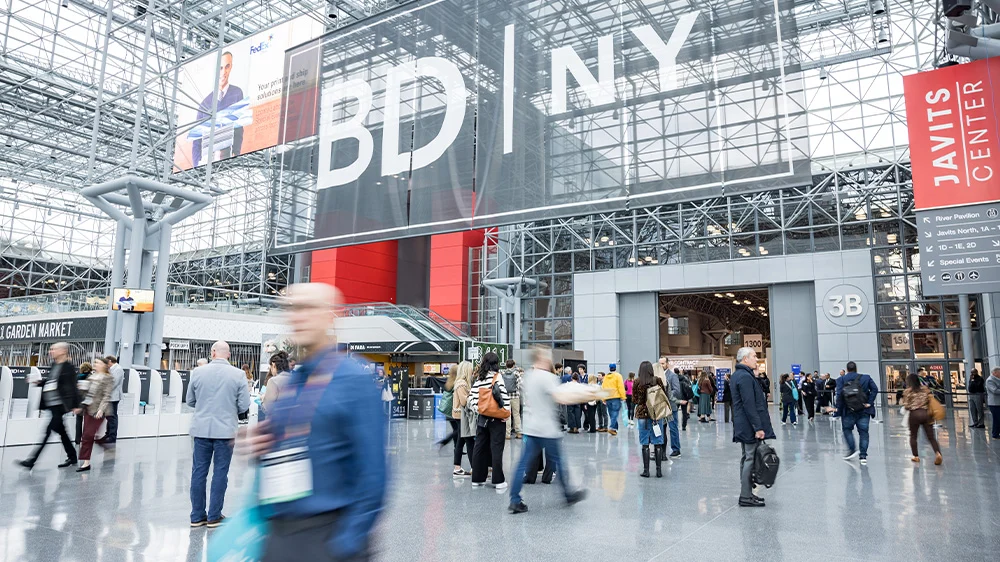
The Jacob K. Javits Convention Center in New York City recently hosted the International Contemporary Furniture Fair (ICFF) 2026, a cornerstone event of NYCxDesign, drawing designers, manufacturers, and enthusiasts from around the globe. The fair, which commenced on Sunday, May 17th, served as a dynamic platform for showcasing new products, fostering industry dialogue, and celebrating design excellence.
Hospitality Design magazine played a significant role in the event, with Editor-in-Chief Stephanie Chen serving as a juror for the prestigious 2026 ICFF Editors Awards. These awards recognize outstanding product design across various categories, celebrating innovation, craftsmanship, and aesthetic appeal. This year, Zieta Studio was honored with the coveted Best in Show award, acknowledging their exceptional contribution to the design landscape. Heecham Kim of SCAD received the Best of Students award, highlighting the emerging talent within the design education sector.
The Bespoke Salon, a curated exhibition space designed by Post Company and presented by Hospitality Design, emerged as a central hub for thought-provoking discussions. The salon hosted several engaging panel sessions that delved into critical topics shaping the future of design. Panels such as "The Art of Making: Where Material Meets Meaning," "From Office Tower to Urban Living: The Future of City Living," and "The Hospitality Effect: The Rise of Multidisciplinary Design" provided invaluable insights into current industry trends, challenges, and opportunities. These discussions brought together leading practitioners and thinkers to share their perspectives and explore the evolving role of design in various sectors.
Adding another dimension to the ICFF program, a new episode of the popular "Designers on Design" series premiered on May 18th at the Main Stage. This episode featured an insightful conversation with Becca Roderick of Morris Adjmi Architects and Gensler’s Laurent Lismachio, offering attendees a glimpse into their creative processes and professional journeys. The "Designers on Design" series is a recurring feature, with future episodes planned, including one set to premiere at BDNY 2026. Past episodes, such as the one featuring Paolo Ferrari and Danu Kennedy of Parts & Labor Design at BDNY 2025, underscore the series’ commitment to showcasing prominent figures in the design world.
The successful conclusion of ICFF 2026 underscores the vibrant and ever-evolving nature of the design industry. The event not only provided a marketplace for new products but also served as a crucial forum for networking, learning, and inspiration, setting the stage for future innovations and collaborations. The industry now looks forward to the next iteration of these significant gatherings, including BDNY, scheduled for November 14-16th.


 Anjar Salim
 Chandra Hamzah
 Tatiana Tantri Indah Sari
 Budi Mulyono
 Lukman Taruna Persada Ramadan
