
 Hendra Ismail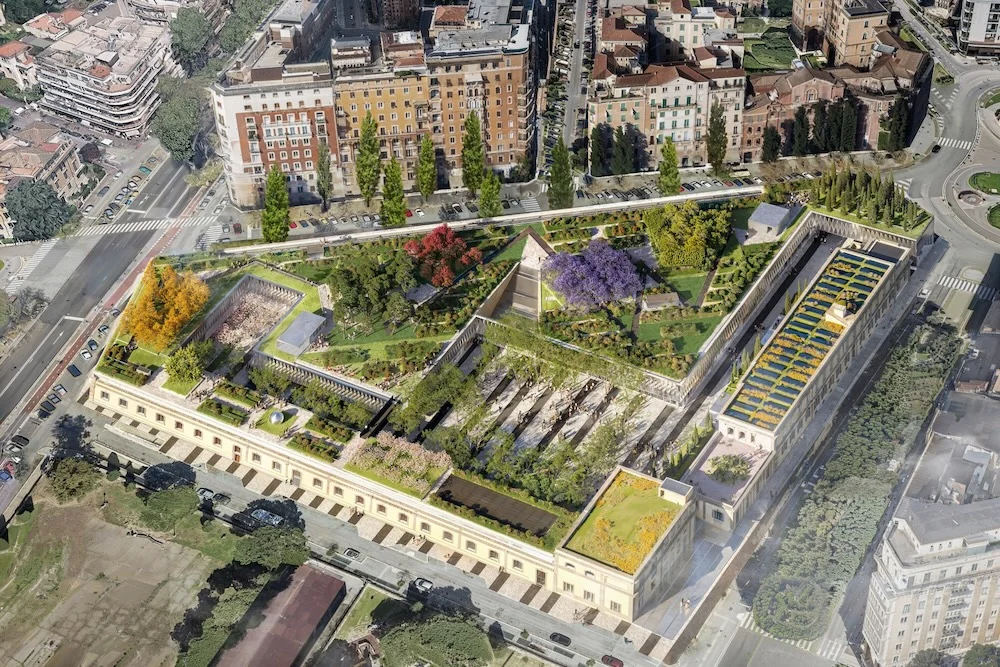
The global design and hospitality sectors are abuzz with innovation and timely responses to cultural phenomena. This week’s roundup highlights a striking aesthetic shift towards deep blues in dining spaces, a strategic culinary engagement with the FIFA World Cup in New York City, an ambitious urban regeneration project transforming a historic Roman train station, and forward-thinking concepts that reimagine public monuments as sustainable power generators. These diverse developments underscore the industry’s capacity for both artistic expression and practical, community-focused solutions.
The Ascendancy of Royal Blue in Global Dining Aesthetics
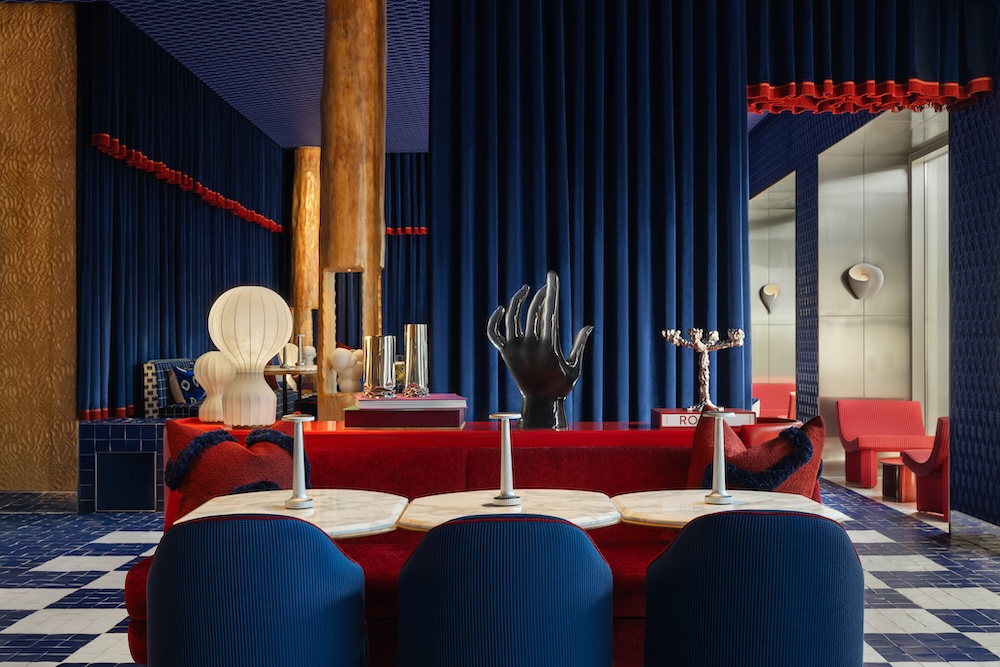
A discernible shift in interior design trends signals a move away from the pervasive pastels of recent years, with a rich, saturated royal blue emerging as the dominant color in dining and café environments worldwide. This chromatic evolution, observed in major metropolitan centers from Los Angeles and New York to London and Berlin, evokes the iconic intensity of Yves Klein’s signature blue. Design experts suggest this vibrant hue represents a natural progression from the soothing palettes that characterized post-pandemic interiors, offering a sophisticated and engaging sensory experience.
The psychological associations with deep blues, such as cobalt, ultramarine, and lapis lazuli, often include connotations of intelligence, depth, and considered design. This makes the color particularly appealing for establishments aiming to project an image of refined taste and contemporary relevance. Furthermore, the visual impact of these blues is well-suited for social media engagement, providing a striking backdrop that is both aesthetically pleasing and easily shareable. The appeal of this color palette lies in its ability to strike a delicate balance, feeling simultaneously accessible to a broad audience, indicative of a certain elite status, and inherently artistic. The cultural resonance of this trend was notably amplified when Vogue identified Yves Klein blue as a standout color at a recent high-profile fashion event, further cementing its status as a defining hue of the moment. To navigate the nuances of this trend, a comprehensive understanding of the spectrum of blues, from the intense "International Klein Blue" to softer cerulean variations, is essential for designers and restaurateurs seeking to harness its full potential. This trend reflects a broader desire for environments that are both visually stimulating and emotionally resonant.
New York City Mobilizes Culinary Offerings for the FIFA World Cup
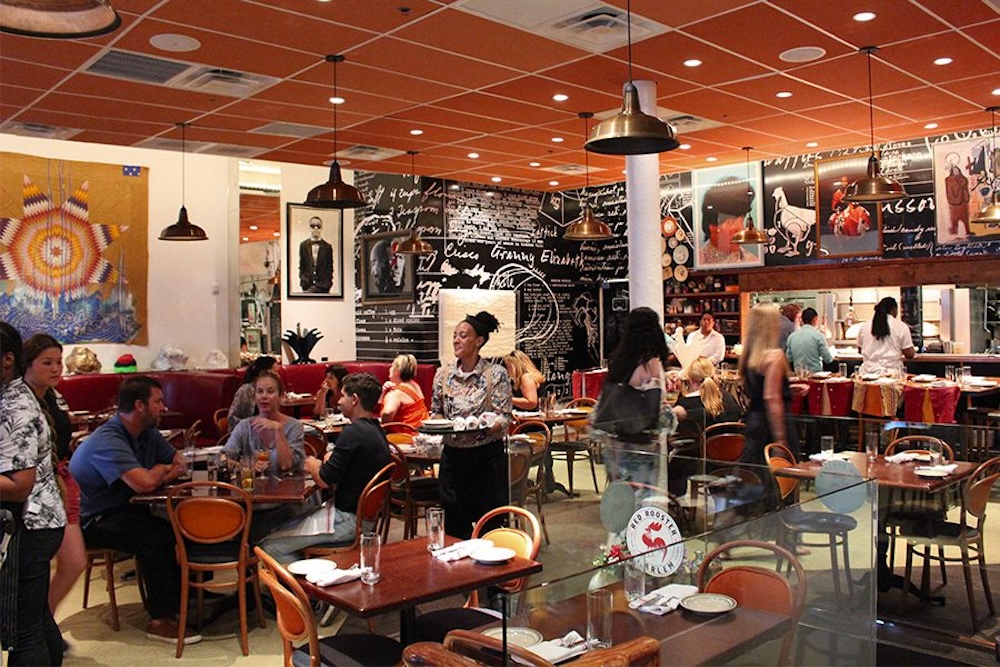
In anticipation of the FIFA World Cup, New York City’s vibrant culinary scene is gearing up to welcome a surge of international visitors and local enthusiasts with a compelling series of promotional offers. With key matches scheduled to take place at the nearby MetLife Stadium in New Jersey, Mayor Zohran Mamdani has initiated a city-wide campaign to encourage attendees to explore and patronize the diverse gastronomic landscape of the five boroughs. The "Five Borough Winners Specials" initiative aims to provide a tangible incentive for fans to engage with local businesses.
Nearly 300 restaurants across the city have already registered to participate in this program, which features a fixed-price menu or beverage deal priced at $26. This strategic pricing point is designed to be accessible and appealing to a wide range of patrons. Prominent establishments such as Red Rooster in Harlem, Morgan’s in Prospect Heights, Armando’s in Jackson Heights, and Naro at Rockefeller Center are among the notable participants. In addition to the prix fixe menus, some businesses are opting to create unique World Cup-themed cups, each featuring distinctive designs representing the individual boroughs, thereby adding a collectible element to the campaign.
The initiative has a defined timeline for business participation. Those interested in offering the $26 specials were required to register by Wednesday, July 1st. For businesses wishing to design and distribute the World Cup-themed cups, the registration deadline was Thursday, June 11th. This coordinated effort highlights the city’s proactive approach to leveraging major international events to stimulate local commerce and enhance the visitor experience. The success of this initiative could set a precedent for future large-scale events, demonstrating how urban centers can effectively integrate hospitality and tourism strategies to maximize economic benefits. The economic implications of such promotions can be significant, potentially driving substantial revenue for participating businesses and contributing to the city’s overall economic vitality during the tournament period.
Stefano Boeri Architetti to Spearhead Transformation of Roman Train Station
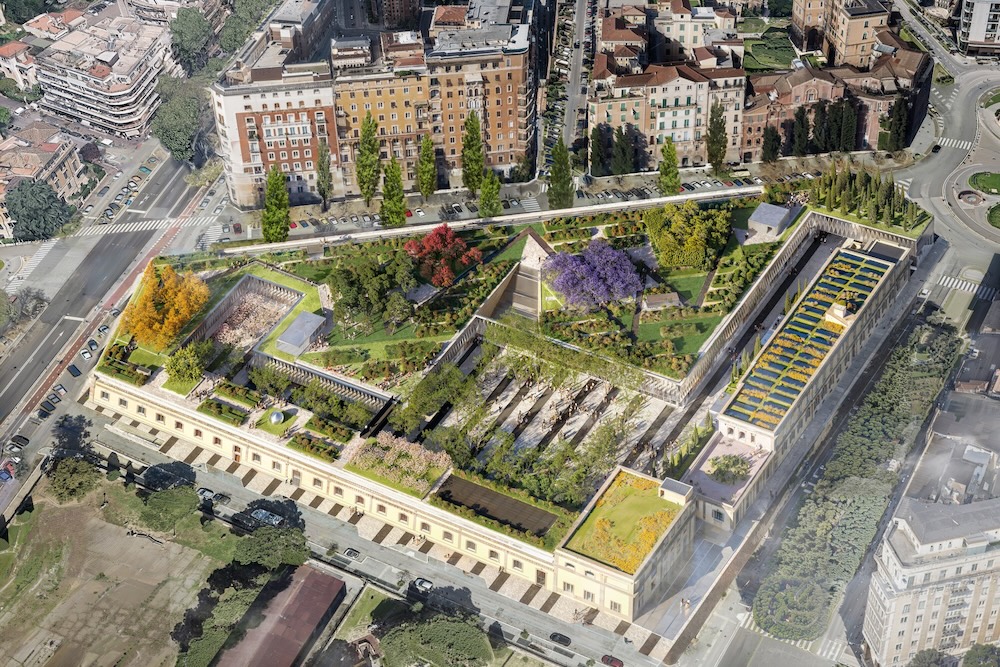
The Rome City Council has officially sanctioned a significant urban regeneration project centered on the historic Depositi delle Vittorie, located in Piazza Bainsizza. Esteemed architectural firm Stefano Boeri Architetti has been appointed to lead the ambitious transformation of this disused transportation hub into a dynamic, multi-functional complex. The vision for the site is to create a vibrant ecosystem that seamlessly integrates cultural, educational, commercial, co-working, and leisure facilities, thereby revitalizing a previously underutilized urban asset.
According to reports from ArchDaily, the redevelopment plan emphasizes the creation of new public spaces and the integration of extensive landscaped areas. These features will include a meticulously designed open courtyard at ground level, a verdant rooftop garden offering panoramic city views, and dedicated outdoor exhibition spaces. The project aims not only to enhance the urban fabric but also to contribute positively to the local environment. A key aspect of the design is the commitment to increasing the site’s biodiversity, while simultaneously providing crucial environmental benefits such as improved shading, localized cooling effects, and the absorption of atmospheric pollutants like CO2 and particulate matter.
This regeneration project represents a significant investment in Rome’s future, breathing new life into a historical structure while addressing contemporary urban challenges. The transformation of the Depositi delle Vittorie is expected to create a new focal point for community engagement and economic activity, reinforcing Rome’s status as a city that honors its heritage while embracing modern development principles. The project’s timeline, from approval to projected completion, is anticipated to span several years, with initial phases focusing on structural stabilization and foundational development, followed by the intricate design and construction of the various functional zones. The integration of sustainable design principles throughout the project underscores a growing commitment to green urbanism within historical contexts.
Reimagining Public Monuments as Sustainable Power Generators
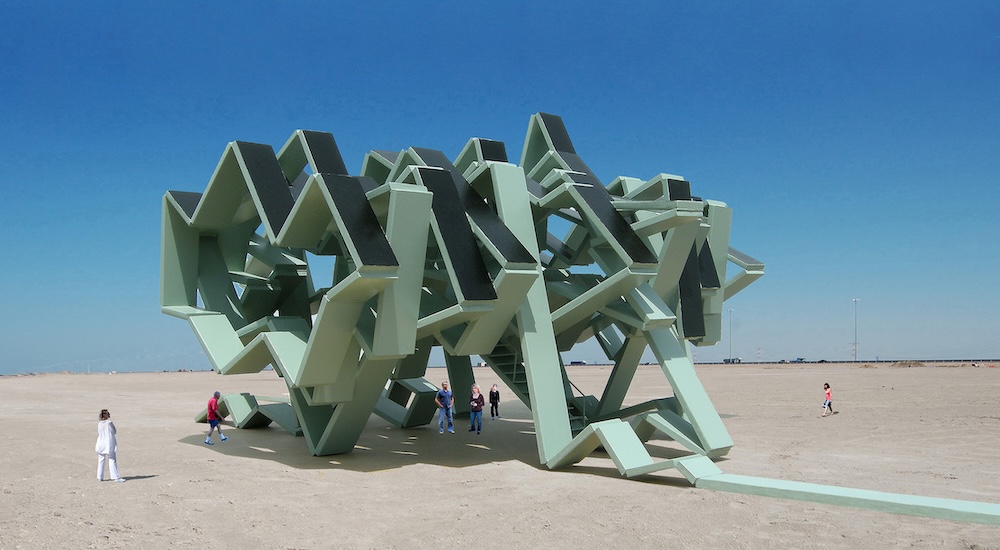
In an era where climate infrastructure faces considerable scrutiny and potential rollback, the imperative to innovate in decarbonization strategies has never been more pronounced. Santa Fe-based artist and designer Michael Jantzen is at the forefront of a conceptual movement that proposes a radical reimagining of public monuments and urban art installations. His forward-thinking designs envision these iconic structures not merely as aesthetic statements but as functional components of a city’s sustainable energy infrastructure.
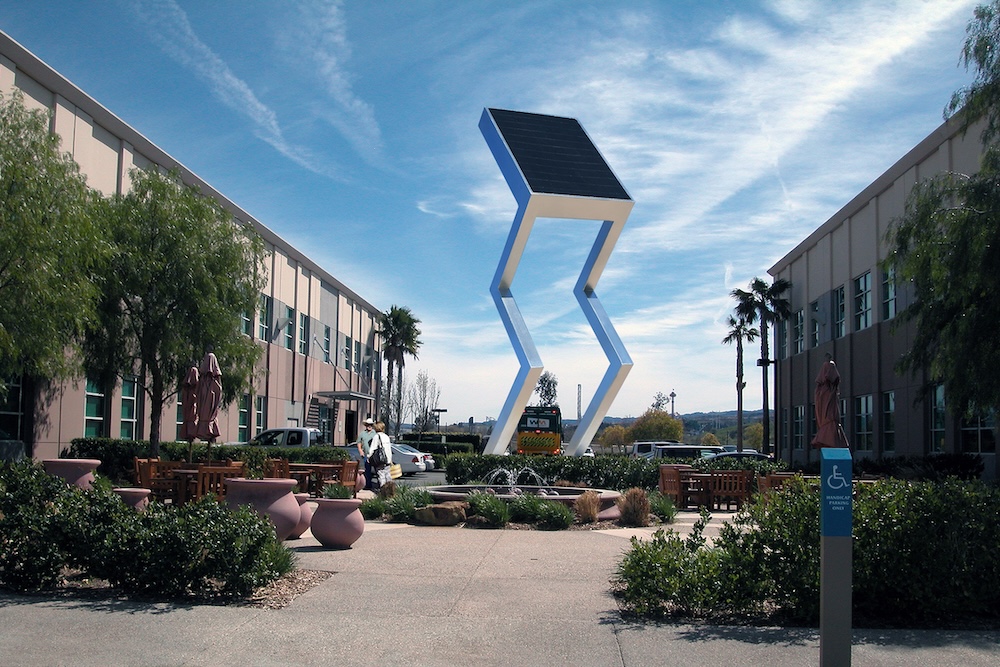
Jantzen’s innovative proposals explore the potential for public art to actively contribute to environmental solutions. This includes integrating technologies for generating electricity through solar or wind power, systems for collecting and managing rainwater, and mechanisms for redistributing surplus energy back into the local power grid. His extensive portfolio showcases a range of conceptual public sculptures and pavilions designed to meet these demands, cleverly incorporating the inherent sculptural qualities of sustainable technologies like photovoltaic panels and wind turbines.
Each of Jantzen’s designs is meticulously conceived with careful consideration for its specific climatic context and the unique topography of its intended location. This site-specific approach ensures that the proposed solutions are both aesthetically harmonious and maximally efficient. For instance, a design for a monument in a sun-drenched region might prioritize large-scale solar arrays, while one situated in a windy urban corridor could feature elegantly integrated wind turbines. The underlying message of Jantzen’s work is a powerful call to action for designers, architects, and urban planners. It underscores the tangible possibility of embedding carbon offset strategies directly into the built environment, transforming passive urban elements into active contributors to a sustainable future. The broader implications of this approach extend beyond energy generation; it suggests a paradigm shift in how we perceive and utilize public space, moving towards a more integrated and ecologically conscious urban design philosophy. The potential economic benefits, such as reduced reliance on fossil fuels and the creation of local green energy sources, further bolster the case for exploring such innovative integrations.
Connecting Industry Leaders: The NEWH – HD Owners Roundtable in New York
Industry professionals seeking to gain insights from some of the most influential figures in hospitality ownership have an exceptional opportunity to do so at the upcoming NEWH – Hospitality Design Owners Roundtable. Tickets are now available for this premier event, scheduled to take place on Tuesday, June 2nd, at Pier 59 in New York City. The roundtable promises a unique platform for dialogue and knowledge exchange, bringing together owners from leading hospitality groups.
Confirmed participants include representatives from prominent organizations such as Highgate, Marriott, Lark Hotels, and Samar Hospitality, among others. These industry leaders will share their expertise and perspectives across an extensive program featuring 22 distinct roundtable discussions. Complementing these focused conversations, up to 12 product display tables will offer an opportunity for attendees to engage with innovative solutions and offerings relevant to the hospitality sector.
The event is structured to facilitate networking and in-depth engagement. Arrivals and refreshments will commence at 2:00 PM, setting a convivial tone for the afternoon. The main program is scheduled to begin at 3:00 PM, featuring a focused 90-minute session designed to maximize the value for attendees. Following the formal program, a reception will be held, providing a further opportunity for informal networking and discussion. Interested parties are encouraged to secure their attendance by purchasing tickets through the official registration portal. This event represents a significant opportunity for stakeholders to connect, learn, and shape the future trajectory of the hospitality industry. The collaborative nature of such roundtables is crucial for fostering innovation and addressing the evolving challenges and opportunities within the sector. The insights shared are invaluable for understanding market trends, operational best practices, and strategic investment opportunities.

 Anjar Salim
 Chandra Hamzah
 Tatiana Tantri Indah Sari
 Budi Mulyono

