
 Budi Mulyono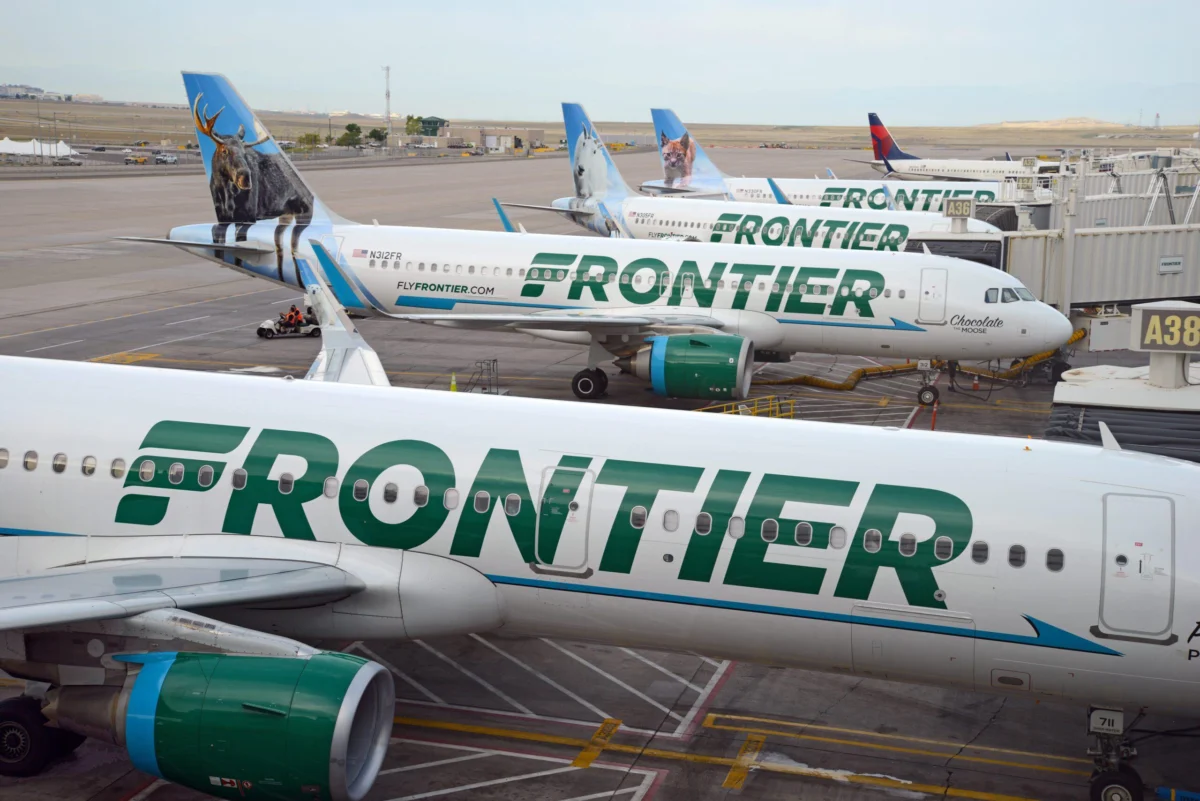
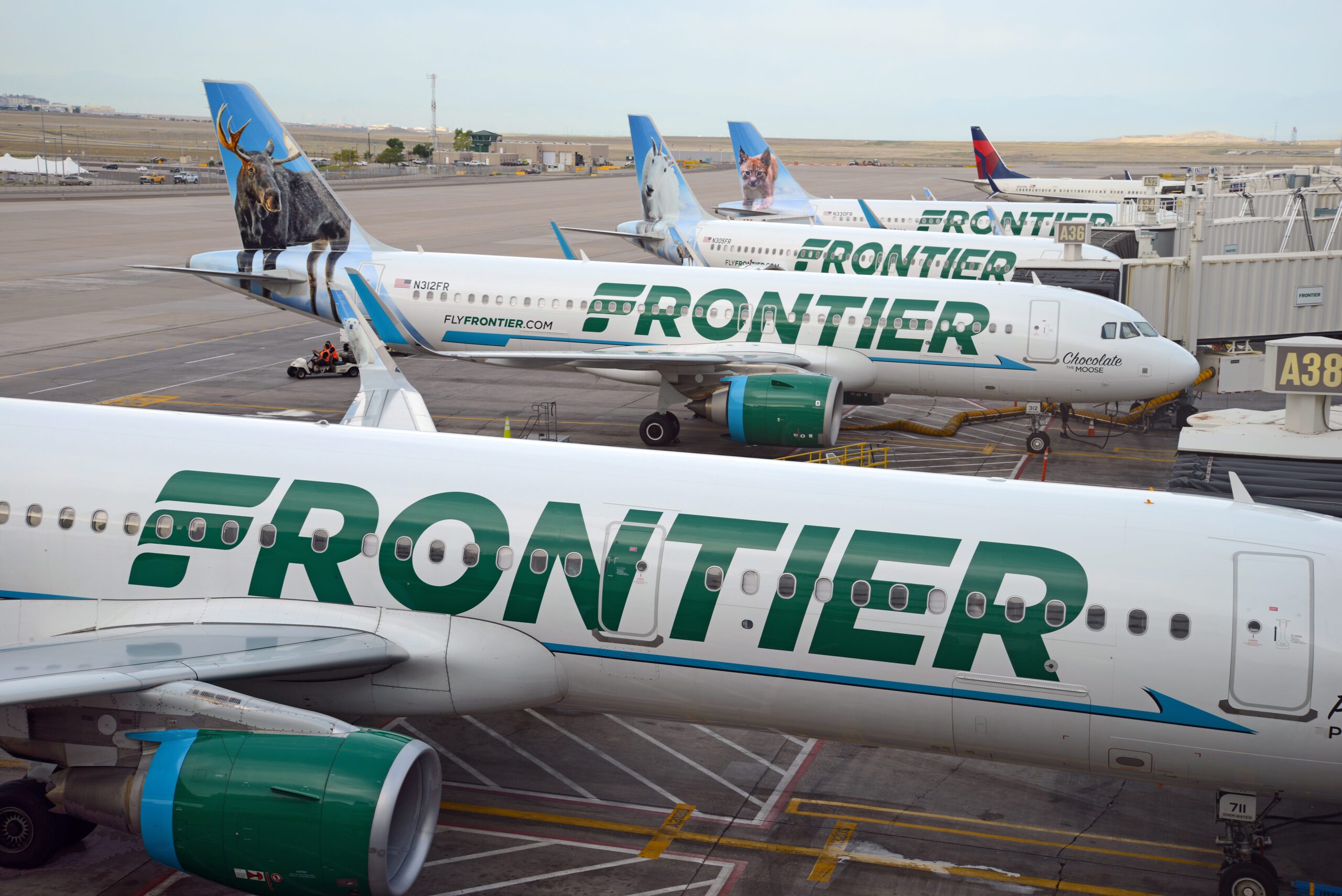
Frontier Airlines, the Denver-based ultra-low-cost carrier, has become the latest target of legal scrutiny following the disclosure of a potential cybersecurity incident to the Vermont Attorney General’s office late last week. While the airline has remained tight-lipped regarding the specifics of the breach, the announcement has triggered an immediate response from the legal community. Edelson Lechtzin LLP, a national class action law firm specializing in consumer protection and data privacy, has officially launched an investigation into the matter. The firm is currently seeking potential victims among Frontier’s customer base, with the intent of exploring a class action lawsuit centered on the airline’s alleged failure to maintain adequate security protocols to protect sensitive passenger information.
The disclosure to the Vermont Attorney General is a mandatory requirement under state law, which necessitates that companies notify the government when the personal information of residents is compromised. However, the filing provided by Frontier was notably sparse. As of this report, the carrier has not clarified the timeline of the breach, the specific number of affected individuals, or the categories of data that may have been accessed by unauthorized actors. This lack of transparency has fueled concerns among privacy advocates and frequent flyers who worry that their personal identifiers may already be circulating on illicit dark web forums.
The Growing Legal Momentum Against Frontier Airlines
The move by Edelson Lechtzin LLP highlights a growing trend of "investigative litigation" where law firms move rapidly to secure plaintiffs following data breach disclosures. The firm’s investigation focuses on whether Frontier Airlines violated industry standards or state consumer protection laws by failing to encrypt data or implement multi-factor authentication across all its customer-facing systems. If a lawsuit proceeds, it would likely seek damages for the increased risk of identity theft, the time and money spent by consumers on credit monitoring, and the loss of value of their personal information.
Legal experts note that Frontier’s status as a budget carrier does not exempt it from the stringent data protection requirements that govern the aviation industry. In fact, the high volume of transactions handled by ultra-low-cost carriers makes them particularly attractive targets for cybercriminals seeking to harvest large datasets of names, addresses, and travel histories.
A Pattern of Vulnerability: The Aviation Industry Under Siege
The incident at Frontier Airlines is not an isolated event but rather part of a broader, more alarming trend of cyberattacks targeting the global aviation sector. Over the past 24 months, the industry has faced a relentless barrage of digital intrusions, many of which have been traced back to vulnerabilities in third-party service providers.
In August 2023, both Air France and KLM Royal Dutch Airlines were forced to notify customers of a significant data breach. The compromise was linked to a third-party customer service IT platform used by the carriers. In those instances, hackers gained access to the full names, contact details, frequent flyer numbers, and the subject lines of customer service inquiries. While sensitive financial data like credit card numbers remained secure, the breach allowed bad actors to piece together "digital profiles" of high-value travelers.
Similarly, Qantas, the Australian flag carrier, reported a breach involving software supplied by Salesforce, a US-based cloud giant. The Qantas incident highlighted the inherent risks of the "connected ecosystem" in modern aviation, where airlines rely on a web of third-party vendors for everything from booking engines and loyalty program management to baggage tracking and in-flight entertainment.
The Threat of Social Engineering and the Scattered Spider Group
While many data breaches are the result of software exploits or unpatched servers, a more insidious threat has emerged: social engineering. Cybersecurity experts have specifically pointed to the rise of groups like "Scattered Spider" (also known as UNC3944), which have successfully infiltrated some of the world’s largest corporations not through complex code, but through human manipulation.
Scattered Spider is notorious for its ability to bypass sophisticated security measures by targeting IT helpdesks. Members of the group often pose as employees who have been "locked out" of their accounts, using personal details gleaned from social media to convince helpdesk staff to reset passwords or grant administrative access. Once inside the network, these attackers move laterally, seeking out sensitive databases containing passenger manifests, employee records, and proprietary corporate data.
The aviation industry’s reliance on large, decentralized workforces and 24/7 helpdesk operations makes it uniquely susceptible to these types of psychological attacks. Privacy experts warn that even if financial data is not stolen in these incursions, the "soft data"—such as travel patterns and contact information—can be used to launch highly convincing phishing campaigns designed to steal login credentials or install ransomware.
Operational Disruptions and the Rise of Ransomware
While the Frontier Airlines incident currently appears to be focused on data exfiltration, other recent attacks on the aviation sector have had devastating operational consequences. In September 2023, a massive cyberattack targeted the Collins Rockwell Muse system, a critical check-in platform owned by Collins Aerospace. The outage paralyzed operations at several major European hubs, including London Heathrow, Berlin Brandenburg, and Brussels Airport. The resulting chaos led to hundreds of flight cancellations and left thousands of passengers stranded as engineers struggled for days to restore the system.
More recently, in August and September 2024, Seattle-Tacoma International Airport (Sea-Tac) fell victim to a sophisticated ransomware attack. The breach, attributed to the Rhysida ransomware group, took down the airport’s website, baggage handling systems, and digital flight information displays. The Port of Seattle, which operates the airport, faced a ransom demand to prevent the release of stolen data on the dark web.
In a display of resilience that has since been praised by federal authorities, Port of Seattle officials refused to pay the ransom. However, the recovery process was grueling, requiring the manual processing of baggage and the use of whiteboards to display gate assignments for several days. This incident served as a wake-up call for the industry, demonstrating that cyberattacks are no longer just a "back-office" IT problem but a direct threat to flight safety and operational continuity.
Analysis of the Economic and Reputational Impact
The financial implications of a data breach for an airline are multi-faceted. According to the 2023 IBM Cost of a Data Breach Report, the average cost of a breach in the transportation sector has risen to over $4 million per incident. This figure includes the costs of forensic investigations, legal fees, regulatory fines, and the "churn" of customers who lose trust in the brand.
For a carrier like Frontier, which operates on thin margins and relies heavily on brand loyalty in a competitive low-cost market, the reputational damage could be significant. If the investigation reveals that Frontier ignored known vulnerabilities or failed to invest in modern cybersecurity infrastructure, the airline could face punitive damages in court.
Furthermore, the aviation industry is subject to a complex web of international regulations. If a breach involves European citizens, the General Data Protection Regulation (GDPR) allows for fines of up to 4% of a company’s annual global turnover. In the United States, the lack of a federal privacy law has left a vacuum filled by aggressive state-level enforcement from California, Vermont, and New York.
Chronology of Recent Major Airline Cybersecurity Incidents
To understand the context of the Frontier Airlines breach, one must look at the timeline of incidents that have shaped the current threat landscape:
- May 2021: SITA, a major IT provider for the air transport industry, reports a data breach affecting the frequent flyer data of millions of passengers across multiple airlines, including Lufthansa and United.
- January 2023: Air France and KLM notify customers of a breach involving customer service interactions and personal identifiers.
- August 2023: Qantas confirms a data leak linked to its use of Salesforce software.
- September 2023: Collins Aerospace systems are hit, causing widespread check-in failures across Europe.
- August 2024: Seattle-Tacoma International Airport suffers a ransomware attack by the Rhysida group, leading to days of operational paralysis.
- Late 2024: Frontier Airlines discloses a "potential cybersecurity incident" to the Vermont Attorney General, triggering a legal investigation by Edelson Lechtzin LLP.
Looking Ahead: The Path to Resilience
As the investigation into Frontier Airlines continues, the carrier has yet to provide a public statement or a formal apology to its passengers. This silence has been criticized by industry analysts who argue that proactive communication is essential for maintaining consumer confidence during a crisis.
The broader aviation industry is now at a crossroads. The transition to "Aviation 4.0"—characterized by hyper-connectivity, biometric boarding, and cloud-based operations—has expanded the attack surface for hackers. To counter this, airlines are being urged to adopt "Zero Trust" architectures, where every user and device is treated as a potential threat, and to implement rigorous third-party risk management programs.
For Frontier Airlines customers, the current advice from cybersecurity experts is to remain vigilant. Frequent flyers are encouraged to change their account passwords, enable two-factor authentication where available, and monitor their credit reports for any signs of unauthorized activity. As the legal investigation by Edelson Lechtzin LLP gathers pace, the outcome of this case may set a new precedent for how ultra-low-cost carriers are held accountable for the digital safety of their passengers.




 Anjar Salim
 Chandra Hamzah
 Tatiana Tantri Indah Sari
 Lukman Taruna Persada Ramadan
