
 Hendra Ismail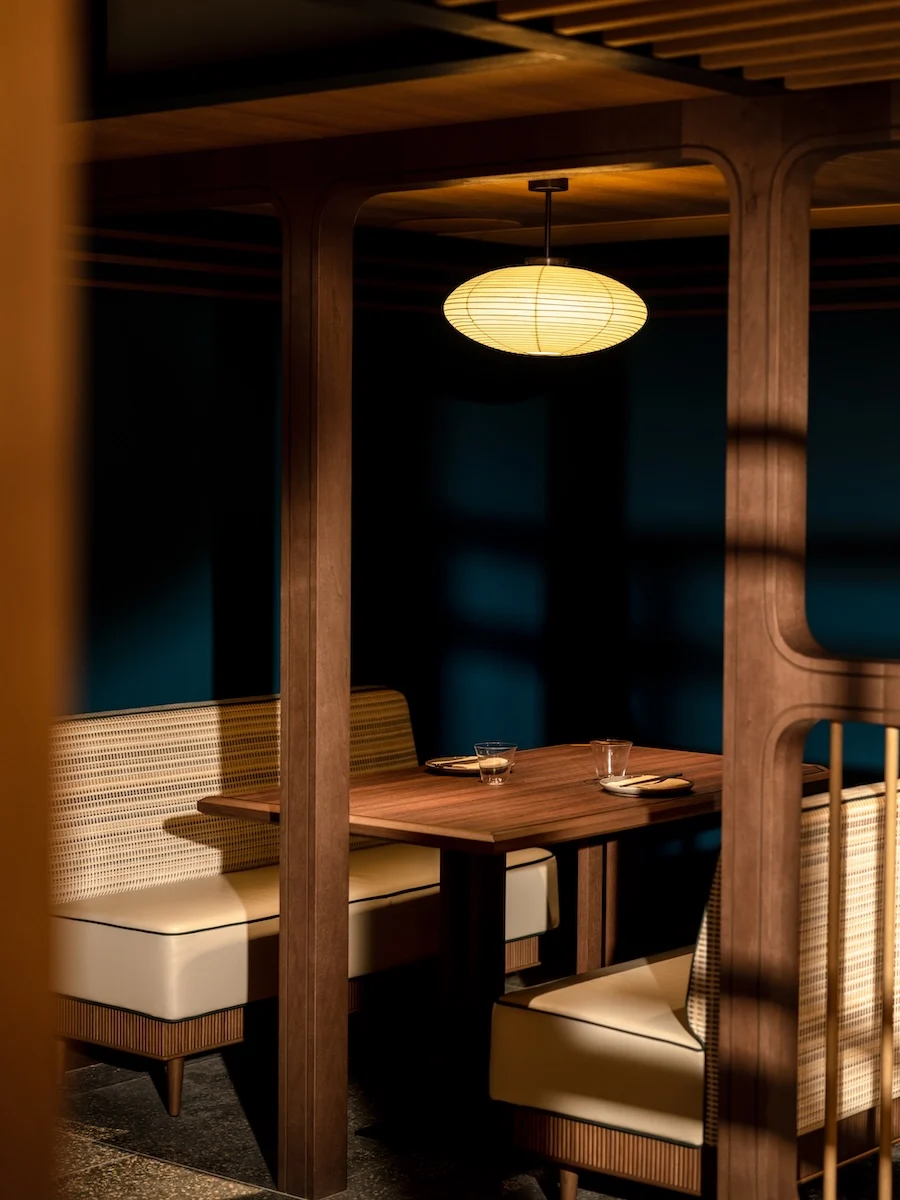
Hong Kong- and London-based Joyce Wang Studio has unveiled Genso, an immersive dining and entertainment destination at the Hong Kong Jockey Club’s Sha Tin Racecourse. This ambitious project transforms a significant portion of the iconic venue into a multi-layered experience designed to captivate patrons with its unique blend of retrofuturism, vibrant atmosphere, and diverse culinary offerings. Spanning two floors, Genso is conceptualized as a retro fantasy land, meticulously crafted to transport guests into a world of wonder and adventure, reflecting the studio’s signature approach to creating evocative and memorable spaces.
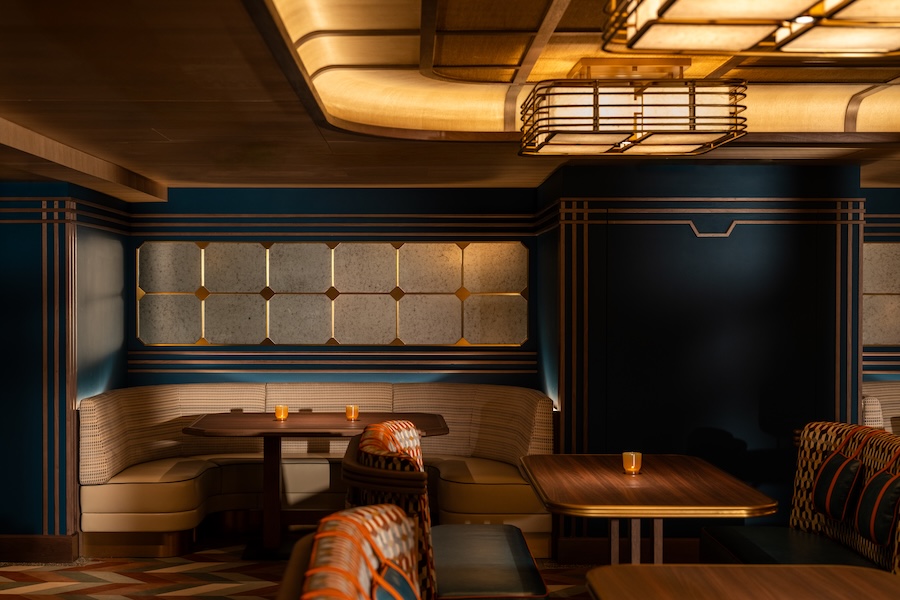
The genesis of Genso can be traced back to a strategic initiative by the Hong Kong Jockey Club to enhance the patron experience at its world-renowned Sha Tin Racecourse. Recognizing the evolving landscape of entertainment and hospitality, the Club sought to introduce a dynamic and contemporary offering that would appeal to a broader audience, extending beyond traditional racegoers. This vision led to a collaboration with Joyce Wang Studio, an internationally acclaimed design firm known for its ability to craft narrative-driven interiors that push creative boundaries. The project, which has been in development for approximately 18 months, aimed to create a destination that seamlessly integrates high-quality dining, lively entertainment, and the thrill of horse racing, all within a visually stunning and cohesive environment.
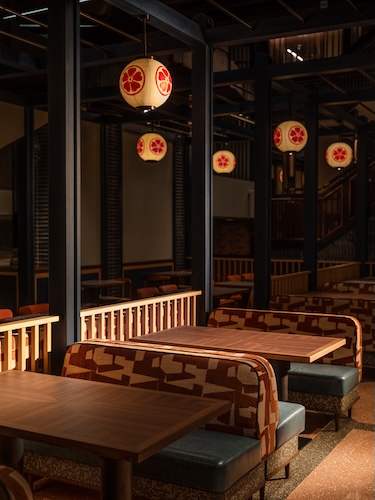
The lower level of Genso houses Fudo Town Food Hall, a vibrant space designed to evoke the bustling energy of a traditional Asian market. This area channels the spirit of Tokyo’s Golden Gai, a district renowned for its narrow alleyways packed with intimate izakayas and bars. Here, guests can indulge in a variety of Japanese street food in a casual, yet highly atmospheric setting. The design of Fudo Town is characterized by its immersive streetscape aesthetic, featuring a network of interconnected stalls, vibrant signage, and an eclectic mix of seating areas. This deliberate design choice aims to foster a sense of discovery and spontaneity, encouraging patrons to explore the diverse culinary offerings and enjoy a relaxed, social dining experience. The selection of Japanese street food further reinforces the authenticity of the theme, providing a taste of authentic urban Japanese culture.
Ascending to the upper level of Genso reveals Izakaya, a more refined dining experience that offers a striking contrast to the lively food hall below. This floor is distinguished by a dramatic suspended walkway, a captivating architectural feature composed of neon-clad floating islands. This elevated pathway serves as a visual and functional connector, linking intimate dining pockets that overlook the dynamic scene below. From these vantage points, guests can observe the arcade-style activities and the exhilarating live horse racing that takes place on the track. The design of Izakaya prioritizes both aesthetic spectacle and functional elegance, providing an exclusive and engaging environment for discerning diners. The integration of the racing spectacle into the dining experience is a key element, reinforcing the unique identity of Genso as an integral part of the Sha Tin Racecourse.
The interior architecture of Genso draws significant inspiration from the cyberpunk aesthetic of Ridley Scott’s seminal film "Blade Runner" and the high energy of manga culture. This influence is evident in the bold use of neon lighting, the dramatic spatial arrangements, and the overall sense of a futuristic yet nostalgic urban landscape. The color palette is a sophisticated interplay of muted teal and aqua tones, juxtaposed with vibrant accents of orange and peach. This dream-like color scheme is further enriched by the application of warm timber finishes, which introduce a sense of natural warmth and contrast to the more electric elements. Midcentury geometric details are subtly incorporated, adding a layer of timeless design sophistication, while the patterned upholstery contributes to the overall richness and tactile quality of the interior.
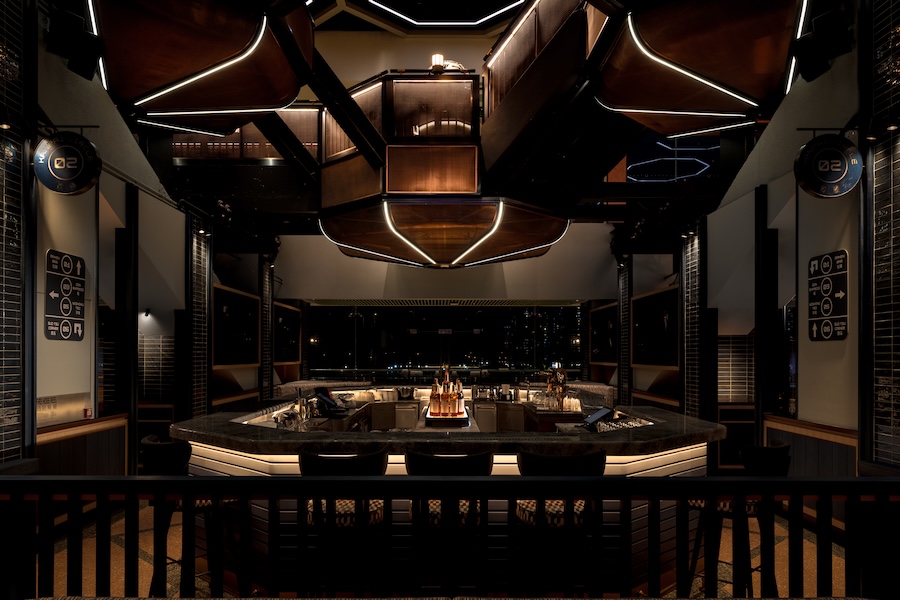
A key element in achieving the project’s ambitious vision was the meticulous attention to detail in the ceiling design. Overhead, dramatic ceilings are accentuated by rhythmic arrays of lanterns, their soft glow echoing the vibrant neon lights that define the space. The floating neon islands, a signature element of the upper level, are designed to mirror the graphic impact of street signage found in bustling urban centers. This layered approach to lighting and architectural features creates a dynamic and immersive environment that constantly engages the senses. Intricate ceramic tiles are employed to wrap structural columns, cleverly designed to resemble building facades. This technique further anchors the cityscape aesthetic, creating a sense of depth and urban realism within the dining spaces. The use of these materials and techniques not only enhances the visual appeal but also contributes to the overall narrative of the space, transforming it into a living, breathing urban fantasy.
To solidify Genso’s bold and cohesive visual identity, Joyce Wang Studio collaborated with Singapore-based Foreign Policy, a renowned design studio specializing in branding and interior graphics. This partnership was instrumental in translating the conceptual vision into tangible elements that define the space. The collaboration resulted in the creation of bespoke wallcoverings that further enhance the immersive narrative, custom lantern shades that contribute to the atmospheric lighting, and specialized ceramic tile artworks that celebrate the rich visual language of manga culture. These graphic elements are not merely decorative; they are integral to the storytelling of Genso, weaving together the architectural design with a distinct graphic sensibility. The cohesive branding ensures that every aspect of the guest experience, from the visual cues to the tactile elements, is aligned with the overarching theme.
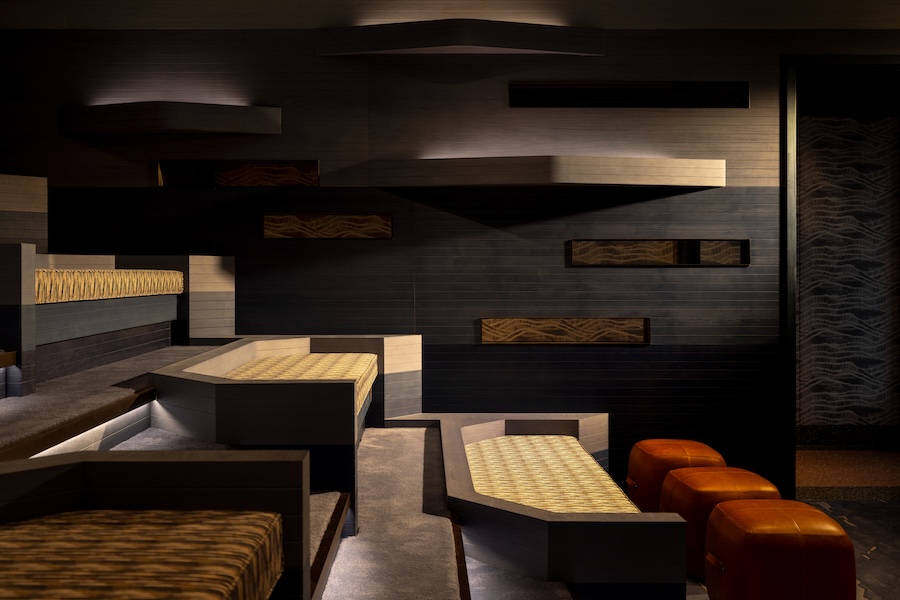
Joyce Wang, the principal of Joyce Wang Studio, expressed her vision for Genso, stating, "Genso was imagined as a retro dreamscape, a vibrant world that invites wonder and adventure in its guests. It’s a celebration of community, nostalgia, and play, and we’re so excited to share this unique experience with diners." This statement underscores the studio’s commitment to creating spaces that are not only aesthetically compelling but also deeply engaging on an emotional level. The emphasis on community, nostalgia, and play suggests a desire to foster social interaction and create memorable experiences that resonate with a wide range of visitors. The project represents a significant achievement in hospitality design, demonstrating how thoughtful architecture and interior design can transform a venue and elevate the overall patron experience.
The strategic placement of Genso within the Sha Tin Racecourse is also a crucial aspect of its success. The Hong Kong Jockey Club, with its long-standing tradition and global reputation, provides a unique backdrop for this innovative dining and entertainment concept. By integrating Genso into the racecourse environment, the Club aims to create a symbiotic relationship where the thrill of horse racing enhances the dining and entertainment experience, and vice versa. This integration is particularly evident in the Izakaya level, where the suspended walkways offer direct views of the racing action. This juxtaposition of high-stakes sport and sophisticated leisure creates a dynamic and multifaceted destination. The opening of Genso is expected to attract not only local residents and racing enthusiasts but also international tourists seeking a unique Hong Kong experience.
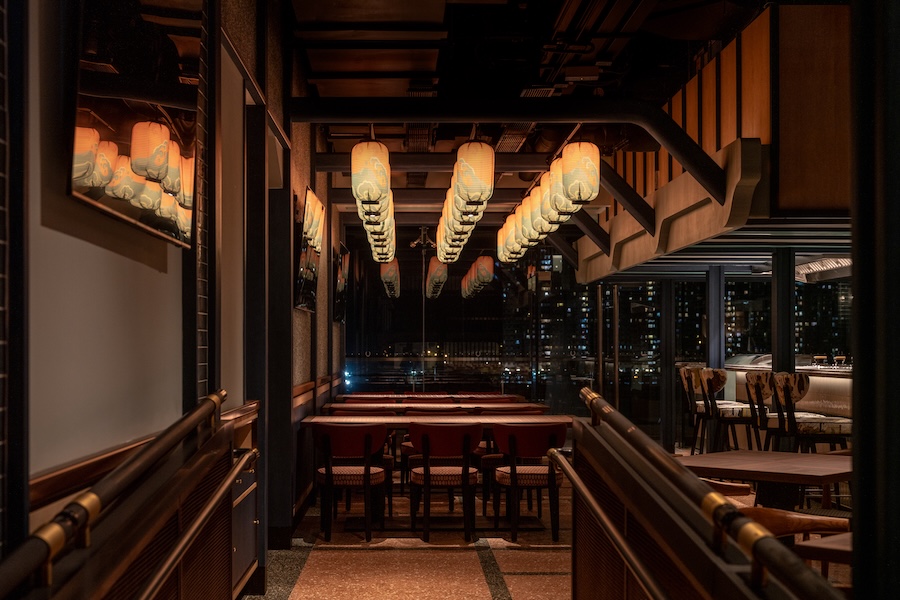
The implications of Genso extend beyond its immediate aesthetic and culinary offerings. It represents a forward-thinking approach to venue management and customer engagement within the sports and entertainment industry. By investing in a comprehensive redesign that prioritizes immersive experiences and diverse amenities, the Hong Kong Jockey Club is setting a precedent for how traditional venues can adapt and thrive in a competitive market. The success of Genso could inspire similar initiatives at other major sporting and entertainment facilities worldwide, highlighting the growing importance of experiential design in attracting and retaining audiences. The project also underscores the power of collaboration between visionary designers, branding experts, and forward-thinking clients to create truly transformative spaces.
The project’s timeline, from conception to completion, reflects a significant investment of time and resources. While the exact start date of the design process is not publicly detailed, the approximately 18-month development period suggests a focused and efficient execution phase. This timeline is typical for large-scale hospitality projects, especially those involving complex architectural features and intricate detailing. The completion of Genso marks a significant milestone for Joyce Wang Studio, further cementing its reputation as a leader in innovative interior design. For the Hong Kong Jockey Club, it represents a bold step forward in its ongoing commitment to providing world-class facilities and unparalleled experiences for its patrons.
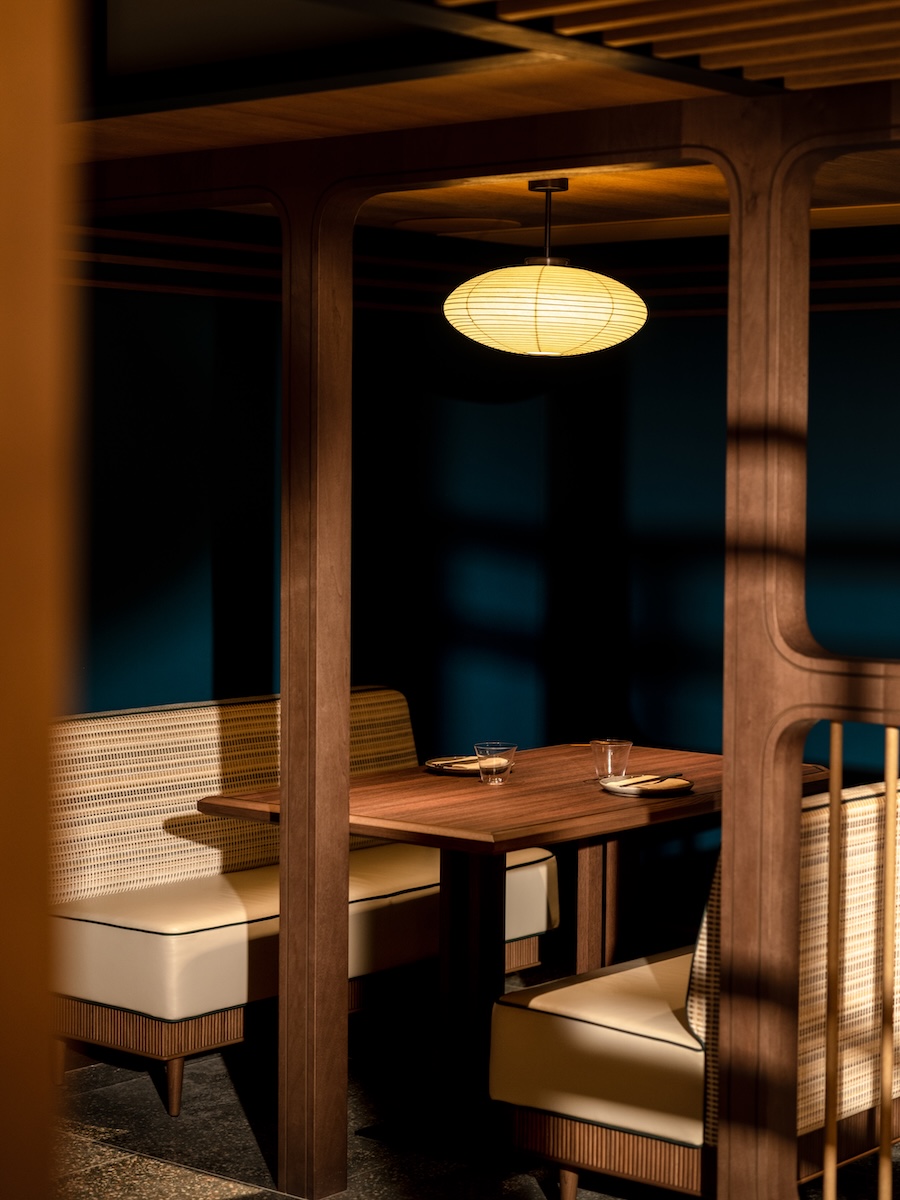
In conclusion, Genso at Sha Tin Racecourse is more than just a dining and entertainment space; it is a meticulously crafted retrofuturist destination that offers a unique blend of culinary delight, visual spectacle, and exhilarating entertainment. Joyce Wang Studio, in collaboration with Foreign Policy, has successfully created a vibrant and immersive environment that draws inspiration from iconic cultural touchstones while offering a contemporary and sophisticated experience. As Hong Kong continues to solidify its position as a global hub for innovation and design, Genso stands as a testament to the power of creative vision and strategic investment in shaping the future of hospitality and entertainment. The project’s success is poised to resonate within the industry, showcasing a blueprint for revitalizing traditional venues and creating destinations that capture the imagination of guests worldwide.


 Anjar Salim
 Chandra Hamzah
 Tatiana Tantri Indah Sari
 Budi Mulyono

