
 Tatiana Tantri Indah Sari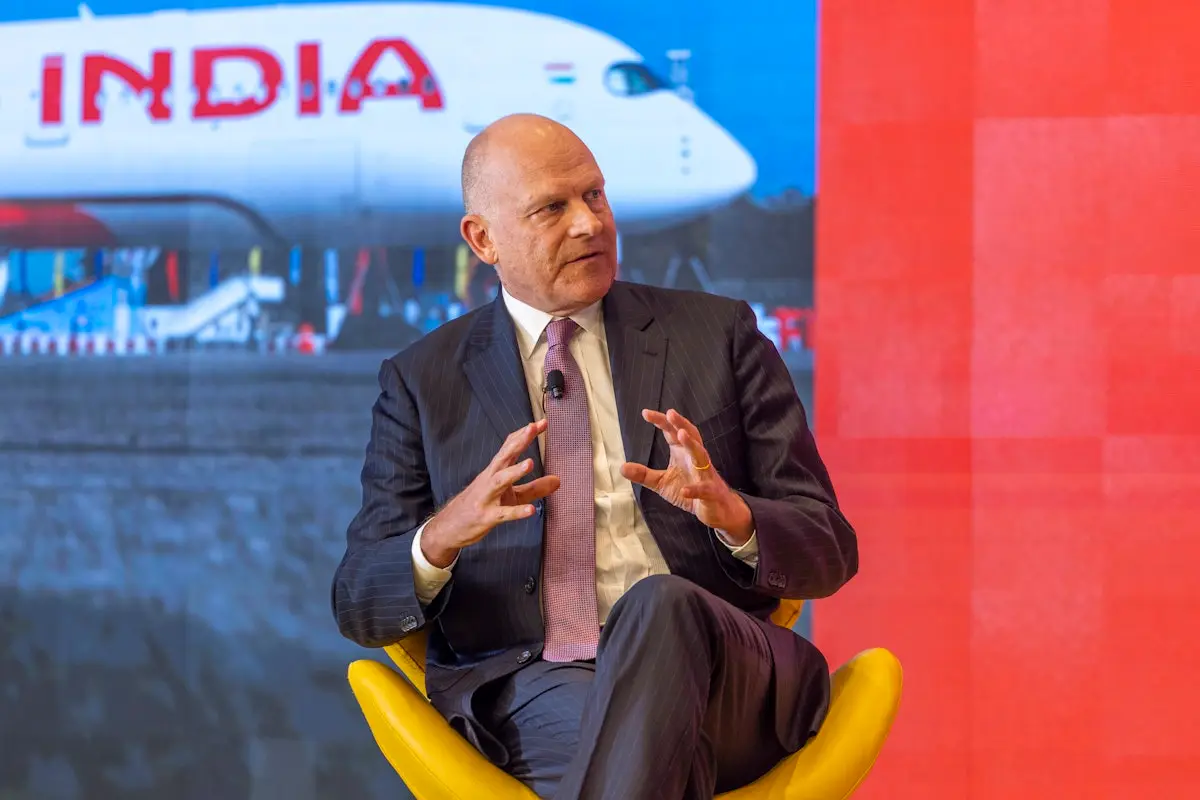
Air India’s ambitious journey toward a global resurgence has hit significant turbulence, with its comprehensive transformation plans now facing considerable delays. Campbell Wilson, the airline’s Chief Executive Officer, offered a candid assessment of a profoundly challenging period, acknowledging that the turnaround will "take some more time." Speaking at the Wings Club in New York, Wilson characterized the preceding 12 months as "by no means an easy or smooth ride," citing a confluence of geopolitical crises, intensified regulatory scrutiny following a deadly crash, and a range of economic headwinds that have severely impacted the airline’s operational and strategic momentum.
A Year of Unprecedented Challenges
The past year has presented a perfect storm of external pressures for Air India, complicating the ambitious overhaul initiated by Tata Sons following its acquisition of the national carrier in January 2022. Wilson’s remarks underscore the profound impact of these multifaceted challenges on the airline’s trajectory. Key among these were the escalating geopolitical tensions, including the Iran war and subsequent closures of critical airspace over Pakistan, which forced extensive rerouting of flights, particularly those connecting India with Europe and North America. Such diversions lead to increased flight times, higher fuel consumption, and additional operational costs, directly affecting profitability and schedule reliability.
Compounding these geopolitical issues were significant economic pressures. The imposition of U.S. tariffs has had a ripple effect on global trade and travel demand, while a noticeable drop in business and student visas further dampened international passenger traffic. The persistent volatility and surging prices of aviation fuel, a major operational expense for any airline, significantly eroded profit margins. Domestically, a call by the Indian Prime Minister to pause international travel, likely in response to public health concerns or specific global events, added another layer of complexity by temporarily restricting a vital revenue stream for the airline. These factors collectively created an environment fraught with uncertainty, making long-term strategic planning and execution exceedingly difficult.
Intensified Regulatory Scrutiny and Safety Concerns
Beyond the external economic and geopolitical factors, Air India has also grappled with intensified regulatory scrutiny. This heightened oversight, as noted by Wilson, followed a deadly crash, although specific details of this event were not elaborated in the original context. Historically, aviation incidents, particularly those involving fatalities, trigger comprehensive investigations and often lead to stricter enforcement of safety protocols and operational standards by regulatory bodies. For Air India, which has been working diligently to shed its legacy reputation for operational inefficiencies and occasional safety lapses, such scrutiny presents a significant challenge.
The Directorate General of Civil Aviation (DGCA) in India, along with international aviation authorities, would naturally increase their oversight following any major incident. This can translate into more frequent audits, stricter compliance requirements for maintenance, crew training, and operational procedures, and potentially operational restrictions until all concerns are addressed. While essential for passenger safety, such intensive scrutiny can divert resources, slow down operational improvements, and impact public perception, adding another layer of complexity to an already challenging transformation agenda. The airline’s ability to demonstrate robust safety management systems and a culture of compliance is paramount to regaining full public trust and regulatory confidence.
The Maharaja’s Ambitious Return: A Backgrounder
Air India’s acquisition by Tata Sons marked a historic moment, bringing the airline back to its founding group after 69 years of government ownership. The initial optimism surrounding this "homecoming of the Maharaja" was palpable. Tata’s vision for Air India was nothing short of revolutionary: to transform a loss-making, bureaucratic entity into a world-class, premium global airline. This vision encompassed a complete overhaul of its operations, customer service, fleet, and network.
Immediately following the acquisition, Air India embarked on an aggressive modernization program. A cornerstone of this strategy was a monumental fleet order placed in February 2023 for 470 aircraft – 220 from Boeing and 250 from Airbus. This order, valued at an estimated $70 billion at list prices, was the largest in aviation history and signaled Air India’s intent to rapidly expand its global footprint, modernize its aging fleet, and enhance the passenger experience. The new aircraft, including wide-body Boeing 787s, 777X, and Airbus A350s, alongside narrow-body A320neos and Boeing 737 MAX, were intended to support both long-haul international routes and an expanded domestic network.
Another crucial element of Tata’s strategy involved the consolidation of its airline businesses. Plans were set in motion for the merger of Vistara, a joint venture between Tata Sons and Singapore Airlines, with Air India. This merger aimed to create a single, stronger full-service carrier, leveraging Vistara’s reputation for premium service and Air India’s extensive international network. The synergies expected from this consolidation included rationalized route networks, optimized fleet utilization, cost efficiencies, and a unified brand presence that could compete more effectively with established global players. The overall goal was to reclaim Air India’s past glory as a premier international carrier and position it as a formidable competitor in the rapidly growing Indian aviation market.
Challenges in the Indian Aviation Landscape
Even without the added burden of geopolitical and regulatory issues, the Indian aviation market presents its own unique set of challenges. Air India operates in one of the world’s fastest-growing aviation markets, but also one that is intensely competitive. Low-cost carriers like IndiGo dominate the domestic sector, consistently capturing a large share of passenger traffic with their aggressive pricing strategies and extensive networks. Newer entrants like Akasa Air are also quickly gaining ground, further intensifying competition. Internationally, Air India faces stiff competition from Gulf carriers (Emirates, Qatar Airways, Etihad), European, and Southeast Asian airlines, which often offer superior service, modern fleets, and competitive fares.
Infrastructure limitations also pose significant hurdles. While India is investing heavily in airport expansion and modernization, capacity constraints at major hubs, air traffic control congestion, and ground handling efficiencies can still impact punctuality and operational fluidity. Furthermore, the industry faces challenges in talent acquisition and retention, particularly for skilled pilots, aircraft maintenance engineers, and experienced cabin crew, as global demand for aviation professionals remains high. Air India’s transformation requires not just new planes but also a highly skilled, motivated workforce, making talent management a critical component of its long-term success.
Statements and Industry Reactions
Despite the significant setbacks, Air India’s management, under Campbell Wilson’s leadership, has consistently projected an image of resilience and long-term commitment. While acknowledging the current difficulties, the underlying message remains one of unwavering dedication to the transformation agenda. Tata Group, known for its long-term strategic vision and deep financial pockets, has reiterated its commitment to Air India, understanding that such a monumental turnaround is a marathon, not a sprint. The group views Air India as a strategic asset for India and a crucial component of its broader portfolio, justifying sustained investment despite immediate challenges.
Industry analysts, while noting the delays, largely agree that the challenges faced by Air India are significant but not insurmountable. They often highlight that many of the issues, particularly geopolitical and economic ones, are external and affect the entire aviation sector, not just Air India. Experts emphasize that successful airline turnarounds typically take five to ten years, and Air India’s journey is still in its early phases. They advise a continued focus on operational excellence, safety, and customer service as fundamental pillars, even as external conditions remain volatile. The Indian government, through the Ministry of Civil Aviation and the DGCA, has consistently emphasized the importance of safety and supporting the growth of national carriers, suggesting a supportive, albeit watchful, stance towards Air India’s efforts.
Financial and Strategic Implications
The cumulative effect of these challenges inevitably translates into significant financial and strategic implications for Air India and its parent company, Tata Sons. Delays in fleet induction, operational inefficiencies from rerouting, and reduced passenger demand all contribute to cost overruns and slower-than-anticipated revenue growth. This could push back the airline’s projected timeline for achieving profitability, potentially requiring continued capital infusion from Tata Group.
Strategically, the delays could impact Air India’s market share recovery and brand perception. While the long-term vision remains intact, a prolonged period of operational turbulence can affect customer loyalty and make it harder to attract high-value passengers, especially in the competitive international segment. For Tata Sons, Air India represents a significant investment, and while the group has demonstrated patience, persistent delays could prompt a reassessment of timelines and strategic priorities within its broader portfolio. The successful turnaround of Air India is not just about the airline itself; it’s a matter of national pride and a testament to India’s growing economic prowess and ambition in the global arena.
Looking Ahead: Navigating the Storm
As Air India navigates these turbulent waters, the focus must remain steadfast on core operational excellence and an uncompromising commitment to safety. Adapting to a volatile global environment requires agility in route planning, fuel hedging strategies, and dynamic pricing models. The airline will need to continue investing in technology, ground infrastructure, and most importantly, its human capital, ensuring that its workforce is equipped and motivated to deliver world-class service.
The path to profitability and reclaiming global leadership will undoubtedly be arduous and lengthy. However, with the backing of the Tata Group, a clear strategic vision, and a resilient approach to overcoming external adversities, Air India has the potential to emerge stronger. The current setbacks, while significant, serve as a stark reminder that even the most ambitious transformations are subject to the unpredictable forces of geopolitics, economics, and unforeseen events. The "Maharaja’s" return to its rightful place on the global aviation stage will indeed take "some more time," but the commitment to that ultimate destination remains undeterred.




 Chandra Hamzah
 Budi Mulyono
 Anjar Salim
