
 Budi Mulyono
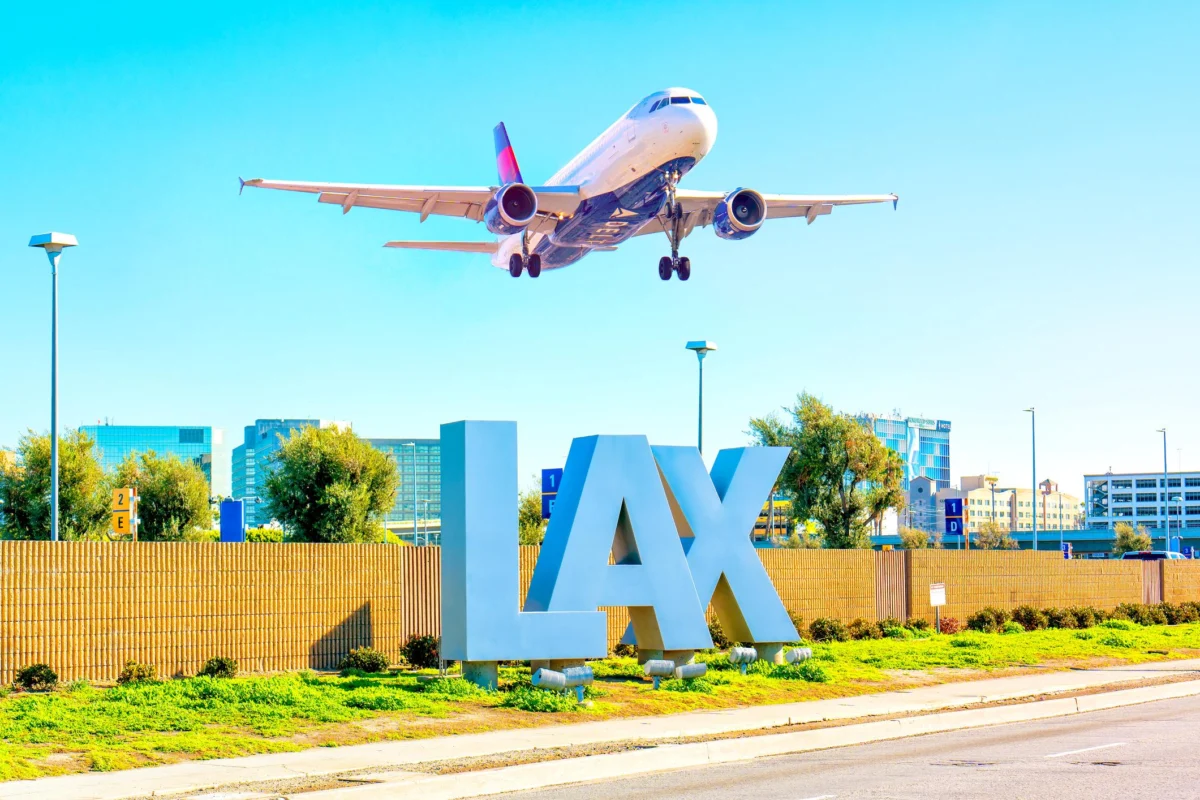
The modern global travel ecosystem is undergoing a period of profound operational, legal, and technological transformation. From historic judicial settlements involving commercial carriers and shifting international tourism demographics to multi-million-dollar fleet upgrades and the expansion of digital financial infrastructure, the aviation and hospitality sectors are navigating complex economic and regulatory landscapes. Industry stakeholders, regulatory bodies, and travelers alike are feeling the immediate and long-term effects of these developments.
Legal Settlements and Safety Accountability in Commercial Aviation
Six years after an alarming aviation safety incident over Southern California, the federal judicial system has moved closer to final resolution for those affected. A federal judge has tentatively approved a $78.7 million class-action settlement addressing nearly 13,000 property owners and residents impacted by a 2020 Delta Air Lines flight.
The incident occurred when a Boeing 777 operating as a flight bound for Shanghai suffered a critical thrust issue shortly after takeoff from Los Angeles International Airport. To safely return to the airfield, the flight crew dumped approximately 15,000 pounds of jet fuel at a relatively low altitude, resulting in the dispersal of atomized fuel across multiple neighborhoods, including playgrounds and schoolyards in Southeast Los Angeles.
Throughout the legal proceedings, Delta Air Lines maintained that the fuel-dumping maneuver was necessitated by an unexpected mechanical malfunction, and the Federal Aviation Administration (FAA) initially cleared the flight crew’s actions under emergency protocol guidelines. However, plaintiffs successfully argued that standard operating procedures should have dictated dumping the fuel over the Pacific Ocean or at a significantly higher altitude to protect populated areas below.
The tentative $78.7 million settlement represents one of the largest compensatory agreements of its kind involving residential contamination from commercial aviation fuel discharge, providing a measure of closure to the affected communities while underscoring the ongoing legal liabilities associated with emergency in-flight maneuvers.
In-Flight Connectivity Wars and Airline Competitive Positioning
The intersection of commercial aviation and high-speed satellite communications has sparked a public rivalry among major United States carriers, highlighted by executive commentary and aggressive loyalty program incentives.
The friction intensified following Delta Air Lines’ strategic decision to bypass Starlink satellite internet technology in favor of Amazon’s low-Earth orbit (LEO) network—scheduled for implementation beginning in 2028—while continuing to utilize Viasat systems in the interim. This technological roadmap prompted public remarks from aerospace executives, including SpaceX CEO Elon Musk, who criticized the timeline and performance capabilities of legacy inflight Wi-Fi systems compared to next-generation constellations.
Capitalizing on perceived gaps in passenger experience, United Airlines launched a targeted competitive campaign, introducing a "Switch to Better Wi-Fi" status match initiative. The promotion invites elite frequent flyers from competing airlines to transfer their tier status, offering an immediate 90-day trial with pathways to extend status through January 2028 based on specific spending thresholds. American Airlines quickly introduced competing matching programs, intensifying the battle for high-value business travelers.
Industry analysts note that while status match promotions are a standard customer acquisition strategy, the explicit focus on technological infrastructure—specifically high-speed, low-latency satellite internet—marks a shift in how airlines differentiate their premium product offerings.
Fleet Modernization and the Expansion of Premium Cabin Capacity
Commercial airlines are continuing a multi-year trend toward cabin densification at the front of the aircraft, reallocating square footage to capture growing demand for luxury and premium-leisure travel.
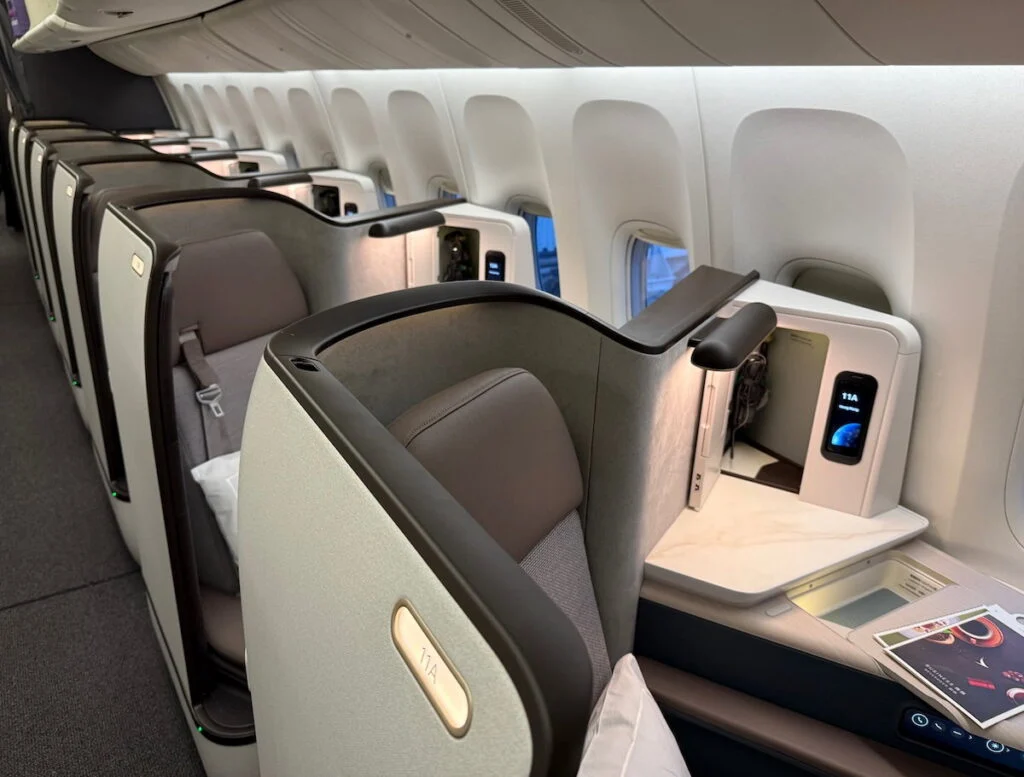
Alaska Air Group unveiled comprehensive fleet-wide cabin enhancements. Beginning in 2028, the carrier’s widebody Boeing 787 fleet will introduce 34 fully lie-flat business-class suites branded as "Aurora," alongside a newly designed "Premium Reserve" intermediate cabin featuring 38 inches of seat pitch, integrated leg and calf rests, and 16-inch entertainment displays. Concurrently, the integration of Hawaiian Airlines’ Airbus A330 fleet will see the introduction of 22 private first-class suites featuring sliding doors, alongside parallel installations across selected Boeing 737 MAX 10 aircraft.
This capital expenditure reflects broader industry economics. With corporate travel rebounding unevenly and premium-leisure demand remaining robust, airlines are prioritizing high-yield configurations to maximize revenue per available seat mile (RPASM), even as economy cabin capacities face relative contraction.
International Tourism Inflows and Macroeconomic Friction
Despite the global resumption of international travel and major marquee events, inbound visitation to the United States has experienced a notable downward trajectory. Data compiled by the U.S. Travel Association indicates that overseas arrivals are projected to decline by nearly two million visitors year-over-year.
Industry leadership has characterized the trend as an outlier among major destination economies, noting that geopolitical tensions, trade disputes, and rigorous visa processing backlogs have dampened demand from key traditional markets, including Canada and several European nations. Conversely, regions benefiting from targeted visa-waiver policies, such as China, or favorable currency exchange rates, such as Japan, have reported record outbound travel volumes to North American hubs.
The contraction in inbound international travel carries direct economic implications for the hospitality, food service, and aviation sectors, prompting calls from trade organizations for coordinated public-private strategies to streamline entry processes and revitalize promotional campaigns in foreign markets.
Cruise Industry Demand and Pricing Dynamics
The global cruise sector continues to operate in an unprecedented demand environment, driven by high consumer appetite for experiential vacations. Carnival Corporation reported record financial metrics for the third quarter, with customer deposits reaching approximately $7.6 billion and overall inventory for the 2027 operating calendar already half-booked at record occupancy levels and pricing tiers.
Corporate leadership indicated that booking velocity for 2028 is outpacing historical benchmarks. Because fleet expansion schedules are outpaced by global consumer demand, major cruise operators are actively managing pricing curves upward. Market analysts suggest that consumers seeking voyages in the medium-to-long term face diminishing availability of promotional discounts, making early reservation strategies essential for securing preferred itineraries and stateroom categories.
Federal Prosecution and In-Flight Security Enforcement
Aviation security protocols and federal jurisdiction over commercial airspace were reinforced following the sentencing of a passenger involved in a major operational disruption. Michael Shane Orndoff Jr., 52, was sentenced to two years in federal prison following an incident aboard a December 2025 commercial flight operated by Delta Air Lines from Atlanta to Incheon International Airport near Seoul.
According to federal court documents, the passenger consumed multiple alcoholic beverages within the initial hour of the flight before being refused further service by the cabin crew. Subsequent actions included soliciting alcohol from fellow passengers, including a minor, stealing a wine bottle, barricading himself within a lavatory, and physically striking the flight deck door while demanding continued service.
Due to the escalating security threat, the flight was diverted to Anchorage, Alaska, where law enforcement officers boarded the aircraft and detained the individual. Federal prosecutors emphasized that interfering with flight crew members constitutes a felony offense under United States federal law, carrying severe penalties designed to deter disruptive behavior and maintain aviation safety standards.
Technological Innovations in Cross-Border Connectivity
The proliferation of digital utility tools for international travelers has expanded with the integration of built-in telecommunications infrastructure within mainstream software applications. Opera has incorporated a native travel eSIM feature directly into its Android browser environment, offering eligible users access to complimentary data packages across 47 international destinations without requiring upfront financial commitments.
Designed for devices with embedded Subscriber Identity Module capabilities, the service enables pre-trip profile installation and localized activation upon arrival. Market observers note that the democratization of digital roaming solutions is gradually reducing consumer reliance on traditional carrier international roaming fees and physical SIM card exchanges, aligning with a broader shift toward software-defined telecommunications management for global mobility.
Celebrity Aviation Fleets and Private Jet Utilization
The public fascination with ultra-high-net-worth aviation assets remains a subject of frequent analysis within the aerospace sector. Industry reviews examining Hollywood private aviation portfolios highlight a diverse range of aircraft ownership models, spanning owner-operated light jets to long-range widebody transports.
Figures such as Morgan Freeman, Harrison Ford, Tom Cruise, and John Travolta maintain active pilot certifications, operating aircraft ranging from light twin-engine jets to specialized vintage and commercial airframes. At the upper tier of the market, ultra-long-range luxury aircraft—such as custom-configured Gulfstream G650ER models utilized by high-profile public figures—continue to attract public and environmental scrutiny regarding operational efficiencies, short-haul flight utilization, and the carbon footprint associated with private aviation infrastructure.
Financial Infrastructure Evolution in the Eurozone
Regulatory authorities within the European Union are advancing strategic initiatives to reduce reliance on foreign payment processing networks. With Visa and Mastercard currently facilitating a substantial majority of card transactions across European markets—including approximately 95 percent of volume in the United Kingdom—the European Central Bank is progressing toward the implementation of a "digital euro."
Structured as a secure, universally accessible digital equivalent to physical fiat currency, the proposed payment architecture is slated for pilot deployment in late 2027, with potential merchant acceptance mandates following by 2029. While financial technology experts debate whether central bank digital currencies adequately address modern payment dynamics in an era dominated by private stablecoins and decentralized assets, the initiative represents a structural effort by European policymakers to secure regional financial sovereignty over cross-border transaction channels.


 Diana Nuri Rohmawati

 Gabriela Annisa

 Lukman Taruna Persada Ramadan

 Tatiana Tantri Indah Sari

 Anjar Salim

