Budi Mulyono
The global travel and financial sectors are experiencing a wave of notable developments, ranging from severe weather-induced flight disruptions in Europe and impending entry requirements for international visitors to the United States, to lucrative new credit card rewards and loyalty program modifications. As airlines, banks, and hospitality groups adjust their policies to meet evolving consumer demands and economic pressures, travelers must navigate a shifting landscape of logistics, perks, and restrictions. This comprehensive overview examines the major travel and financial updates impacting consumers this season.

Severe Weather Grounding and Flight Disruptions
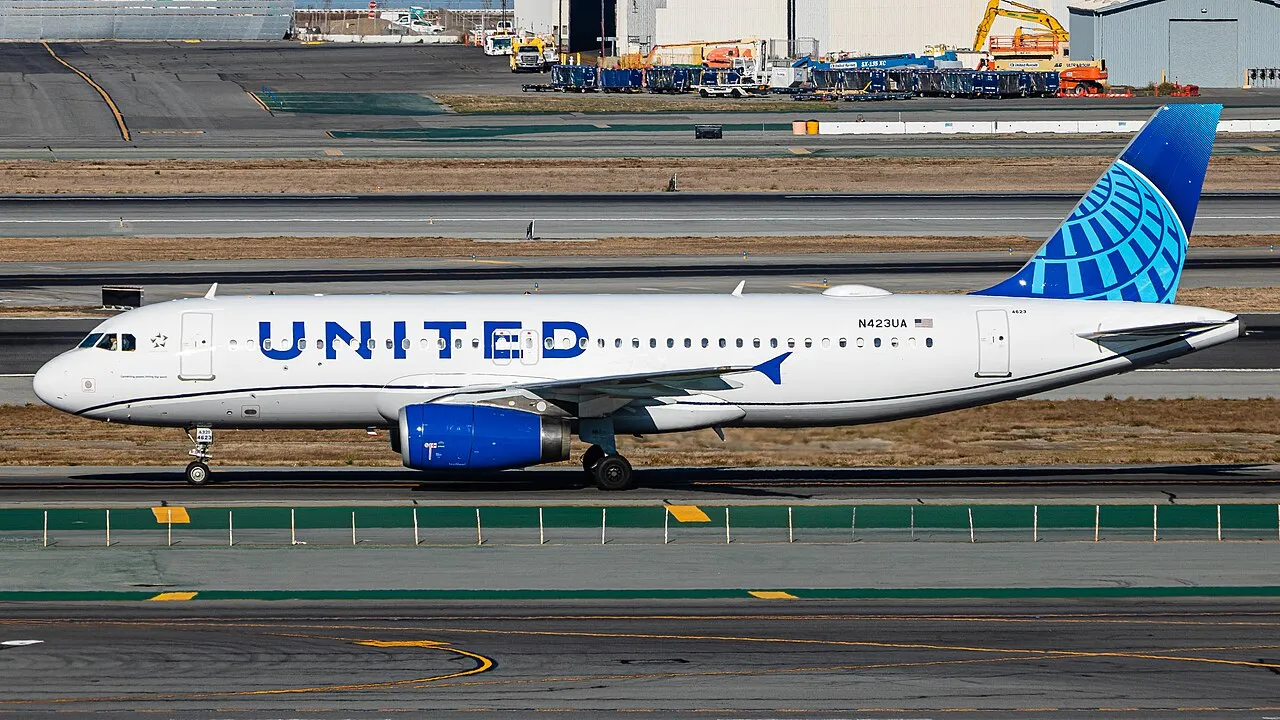
One of the most dramatic travel disruptions in recent weeks unfolded over the skies of Southwestern England and Spain, highlighting the vulnerability of modern flight schedules to extreme meteorological events. A Ryanair flight carrying passengers eager to complete a standard two-hour journey from Alicante, Spain, to Newquay, Cornwall, turned into an arduous nine-hour “flight to nowhere” due to the fierce onslaught of Storm Austen.

Storm Austen battered the South West of England with wind gusts reaching up to 71 mph, rendering regional airport operations perilous and forcing multiple diversions and cancellations. Passengers aboard the affected Ryanair aircraft experienced prolonged delays in the air and on tarmac holding areas before returning to their points of origin or alternative landing sites far from their intended destinations. Aviation experts point out that while safety remains the absolute priority for commercial carriers during severe weather events, such incidents underscore the logistical and psychological toll unexpected delays take on passengers. Airlines are increasingly challenged to provide adequate real-time communication, care, and alternative routing when atmospheric volatility upends standard timetables.
In a separate domestic incident highlighting the cascading effects of operational bottlenecks, travelers bound from Atlanta to Detroit faced significant delays that transformed a routine itinerary into a test of endurance. While waiting at the Atlanta airport gate, passengers encountered a late-scheduled departure that compounded existing scheduling pressures. Aviation analysts note that gate congestion, crew duty-time limitations, and air traffic control restrictions frequently intertwine to create these frustrating travel bottlenecks, prompting frequent flyers to build buffer times into their tight itineraries.

Financial Shifts: Credit Card Rewards and Banking Enhancements
The intersection of travel and personal finance continues to yield significant product launches and benefit enhancements, providing savvy consumers with opportunities to maximize rewards amidst rising travel costs.

Manulife Bank recently expanded its portfolio by introducing two new Visa cards on October 22, strategically designed to target everyday wellness spending. The cards offer market-leading rewards on categories such as pharmacies, physiotherapy clinics, dental care, and fitness centers. Notably, the Visa Infinite variant features a 10% welcome offer capped at $2,000 in qualifying spending. However, the rollout has experienced minor friction; new customers are currently unable to apply online, requiring alternative application methods, and initial fine print disclosures contained minor internal discrepancies regarding specific benefit qualifications. Financial advisors suggest that consumers carefully review terms and conditions before committing to new financial products, particularly during initial rollout phases.
Meanwhile, co-branded travel credit cards are seeing enhancements aimed at retaining premium cardholders. Citi and American Airlines announced a new partnership integration for the Citi AAdvantage Executive Card, introducing up to $200 in annual inKind dining credits. Split into two semi-annual installments of $100, the benefit can be utilized at participating restaurants nationwide via the inKind platform. Industry observers view this unannounced perk addition as a strategic move by issuers to bolster the value proposition of premium travel cards, which carry higher annual fees but seek to offset them through lifestyle and dining credits.

In the small business segment, the Chase Ink Business Preferred credit card continues to hold a dominant position among commercial travel rewards products. Featuring a robust welcome bonus and competitive category multipliers on travel, shipping, and advertising expenses, the card remains a staple for entrepreneurs seeking to leverage everyday business expenditures for lucrative point accumulations.
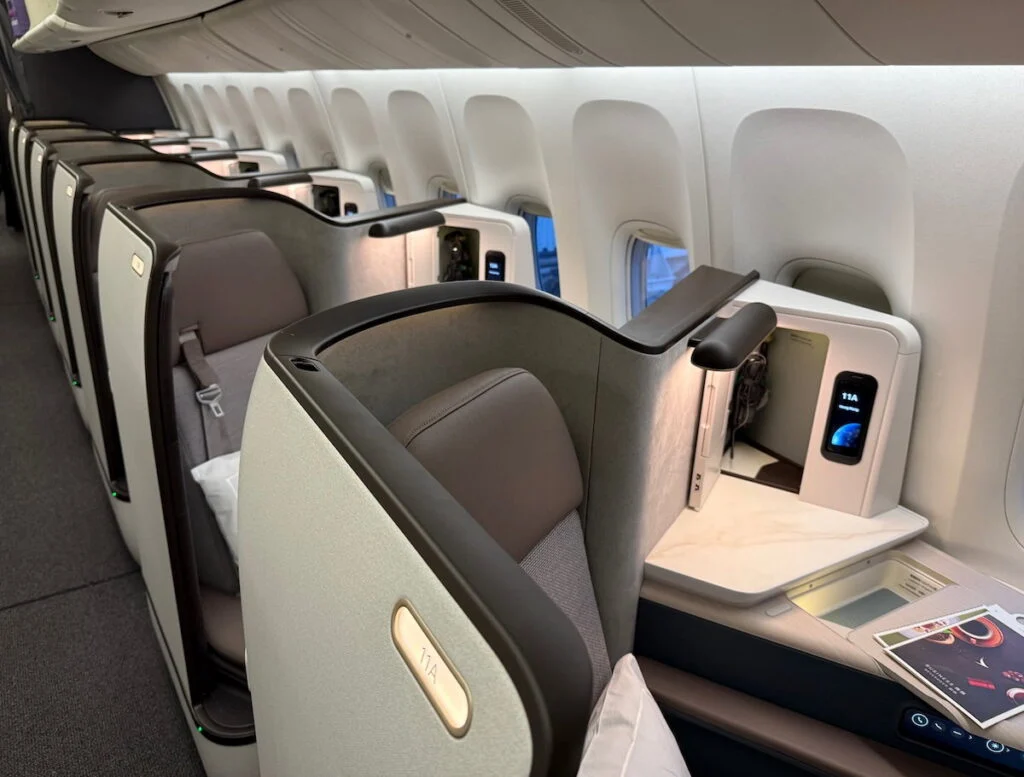
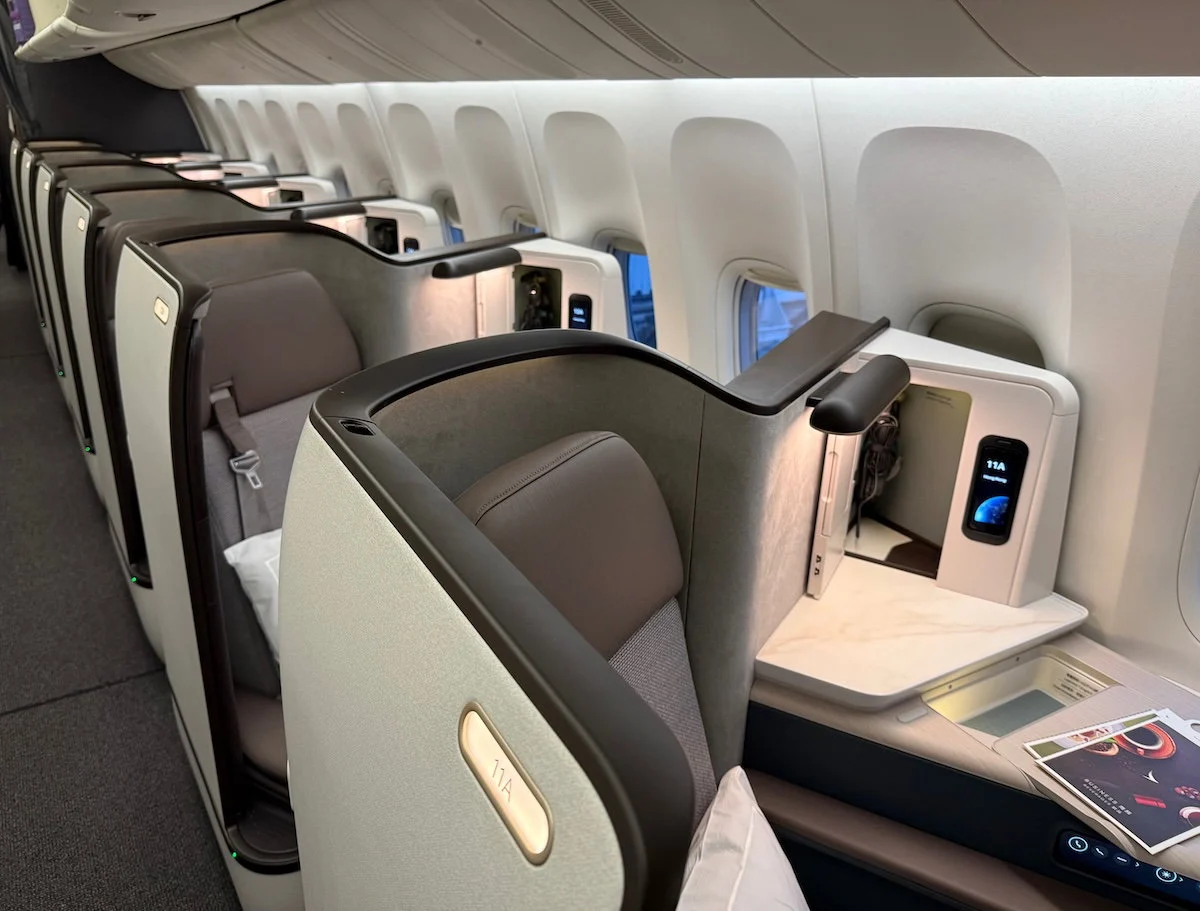
Complementing these domestic card offerings, Citi ThankYou rewards introduced a targeted 10% transfer bonus to Cathay Pacific for U.S.-based members. While modest compared to historical promotional highs, the transfer bonus is a relatively rare occurrence for this specific partnership. Frequent flyer enthusiasts note that the promotion is best deployed for booking Cathay Pacific’s acclaimed premium cabins—specifically business and first class—where point valuations are maximized.

Furthermore, retail-based gift card promotions offer additional avenues for rewards optimization. Office Depot and OfficeMax rolled out a profitable limited-time promotion running from October 25 to October 31, offering an instant $15 discount on Mastercard gift card purchases of $300 or more. Subject to a household limit of 10 cards, such promotions are frequently utilized by loyalty program participants to generate substantial credit card spend and reward points, though consumers must account for activation fees and liquidation logistics.
Hotel Loyalty Program Revisions and Luxury Accommodations

The hospitality sector has witnessed notable updates affecting both point redemptions and luxury property portfolios. World of Hyatt implemented a significant policy adjustment regarding its point transfer rules, seeking to curb perceived exploitation of the loyalty program. Under the updated guidelines, a single Hyatt member is restricted from gifting points more than once per calendar month and no more than six total times per calendar year. Hospitality analysts explain that loyalty programs frequently tighten transfer and sharing rules to protect the integrity of their point economies and prevent unauthorized commercial brokerages of loyalty currency.
For travelers seeking aspirational redemptions, historic properties continue to capture consumer interest. The SCHLOSS Roxburghe Golf Resort in Scotland has emerged as a premier destination for luxury travelers. Originating as a manor house dating back to the 12th century, the property has been transformed into a world-class hotel and golf resort. Its appeal is further amplified among loyalty program participants who track category-based redemptions, offering a blend of medieval Scottish heritage and modern upscale hospitality.

Broader Industry Trends and Future Outlook
As the global travel ecosystem adapts to shifting regulatory, economic, and climatic realities, stakeholders across aviation, banking, and hospitality are forced to innovate. International travelers preparing for journeys to the United States face impending adjustments to entry protocols, signaling an ongoing emphasis on border security and digitized documentation. Simultaneously, the proliferation of co-branded credit card perks and loyalty program restrictions highlights a mature travel economy where companies vie intensely for high-spending consumers while managing operational and financial liabilities.

Ultimately, whether navigating unexpected storm diversions, optimizing credit card transfer bonuses, or adapting to stricter hotel point-sharing rules, today’s travelers must remain informed and adaptable. The continuous evolution of these policies underscores the dynamic nature of global mobility, where proactive planning remains the most effective tool for a seamless journey.



 Tatiana Tantri Indah Sari

 Dwi Wanna

 Anjar Salim

 Lukman Taruna Persada Ramadan