
 Budi Mulyono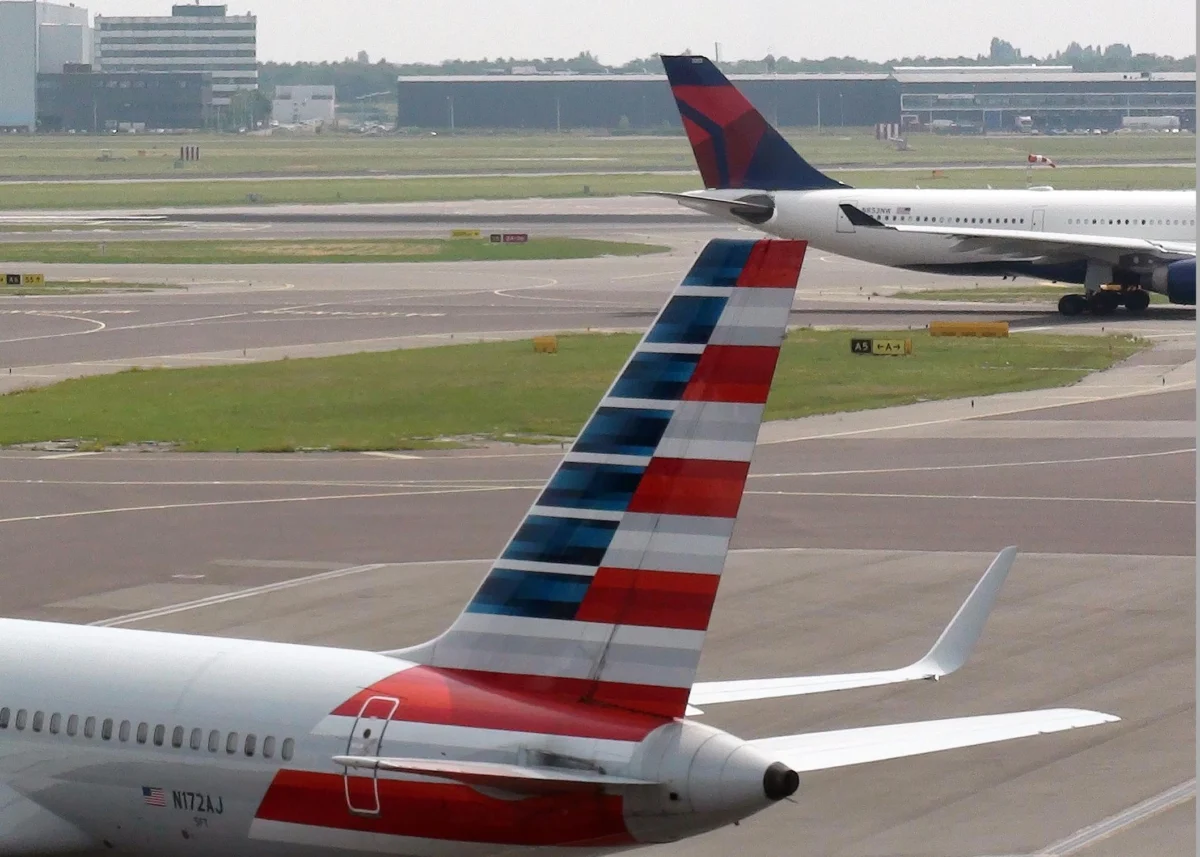
The travel and financial services sectors are currently navigating a period of significant transition as major airlines, credit card issuers, and cruise lines adjust their policies in response to legal pressures, shifting consumer demographics, and evolving security challenges. From targeted promotional offers by Delta Air Lines and American Express to a landmark $300,000 legal judgment against Carnival Cruise Line that threatens the future of unlimited beverage packages, the landscape for frequent travelers is becoming increasingly complex. These developments, alongside a high-profile security incident involving American Airlines and a massive $500 million investment in solo travel by Holland America, underscore a broader trend toward more rigid operational boundaries and more specialized service offerings.
Strategic Loyalty Incentives: The Delta Air Lines and American Express Partnership
In late April 2026, a new targeted promotion emerged for American Express cardholders, specifically those holding Delta SkyMiles-branded credit cards. This offer, which provides significant statement credits or bonus miles for the purchase of Delta gift cards, represents a strategic move to secure future booking revenue while providing immediate value to loyalists. Such offers are typically distributed through the "Amex Offers" platform, a sophisticated marketing tool that allows the financial institution and the airline to target specific spending behaviors.
The mechanics of these offers often require a minimum spend—frequently in the range of $500 to $1,000—to trigger a rebate of approximately 10% to 20%. For Delta Air Lines, these promotions serve as an effective way to improve cash flow by incentivizing the purchase of "stored value" in the form of gift cards. For the consumer, the primary benefit is the ability to stack these savings with existing SkyMiles earning rates. However, industry analysts note that these offers are highly segmented; not all cardholders receive the same incentives, leading to a fragmented experience among the airline’s most frequent flyers. This trend toward hyper-personalization in loyalty programs is expected to intensify as data analytics allow for more precise targeting of consumer segments.
Navigating Merchant Category Codes: The Chase Freedom Flex and Audible Conundrum
The intersection of digital subscriptions and credit card rewards has recently come under scrutiny, particularly regarding the Chase Freedom Flex® and its rotating 5X bonus categories. A point of contention for many cardholders is whether Amazon-owned Audible qualifies for the 5X "Social Media and Select Streaming Services" or "Bookstore" categories. The determination of rewards is governed by Merchant Category Codes (MCC), which are four-digit numbers used by credit card processors to classify businesses.
Recent transaction data suggests that Audible is frequently coded in a manner that does not automatically trigger the 5X bonus for "streaming services," despite its nature as a digital content provider. This discrepancy highlights a growing challenge for consumers: as traditional services transition to digital models, the underlying financial infrastructure does not always keep pace. For those attempting to maximize "points and miles" strategies, this serves as a reminder that automated subscriptions may be missing out on significant rewards if the merchant’s classification does not align with the card issuer’s bonus definitions. Financial experts recommend that consumers perform "test charges" or consult crowdsourced MCC databases to ensure their recurring expenses are optimized for maximum return.
The End of the Unlimited Beverage Era: Legal Repercussions for Cruise Lines
One of the most significant shifts in the maritime hospitality sector follows a $300,000 legal judgment against Carnival Cruise Line. The litigation centered on the "unlimited" nature of beverage packages and the subsequent liability of the cruise line for incidents resulting from excessive alcohol consumption. Historically, cruise lines have used unlimited drink packages as a high-margin upsell to the base cruise fare. However, the legal precedent established by this judgment suggests that the term "unlimited" may be inherently problematic from a risk management perspective.
Industry insiders predict that major carriers, including Royal Caribbean and Norwegian Cruise Line, may soon follow Carnival’s lead in placing hard caps on the number of alcoholic beverages permitted within a 24-hour period. Currently, some lines implement a 15-drink limit, but the new legal climate may force these limits even lower or require more stringent monitoring by shipboard staff. This shift represents a fundamental change in the "all-inclusive" value proposition that has defined the modern cruise experience. The financial implications are twofold: cruise lines must balance the potential loss of revenue from disgruntled passengers against the rising costs of liability insurance and legal defense.
Passenger Conduct and Security: The American Airlines Tasing Incident
Passenger security and conduct remain at the forefront of airline operational concerns following a volatile incident on an American Airlines flight. A couple was reportedly tasered by law enforcement and subsequently received a lifetime ban from the carrier following a confrontation with flight crew. This incident is part of a broader, well-documented rise in "unruly passenger" reports that began to spike in the early 2020s.
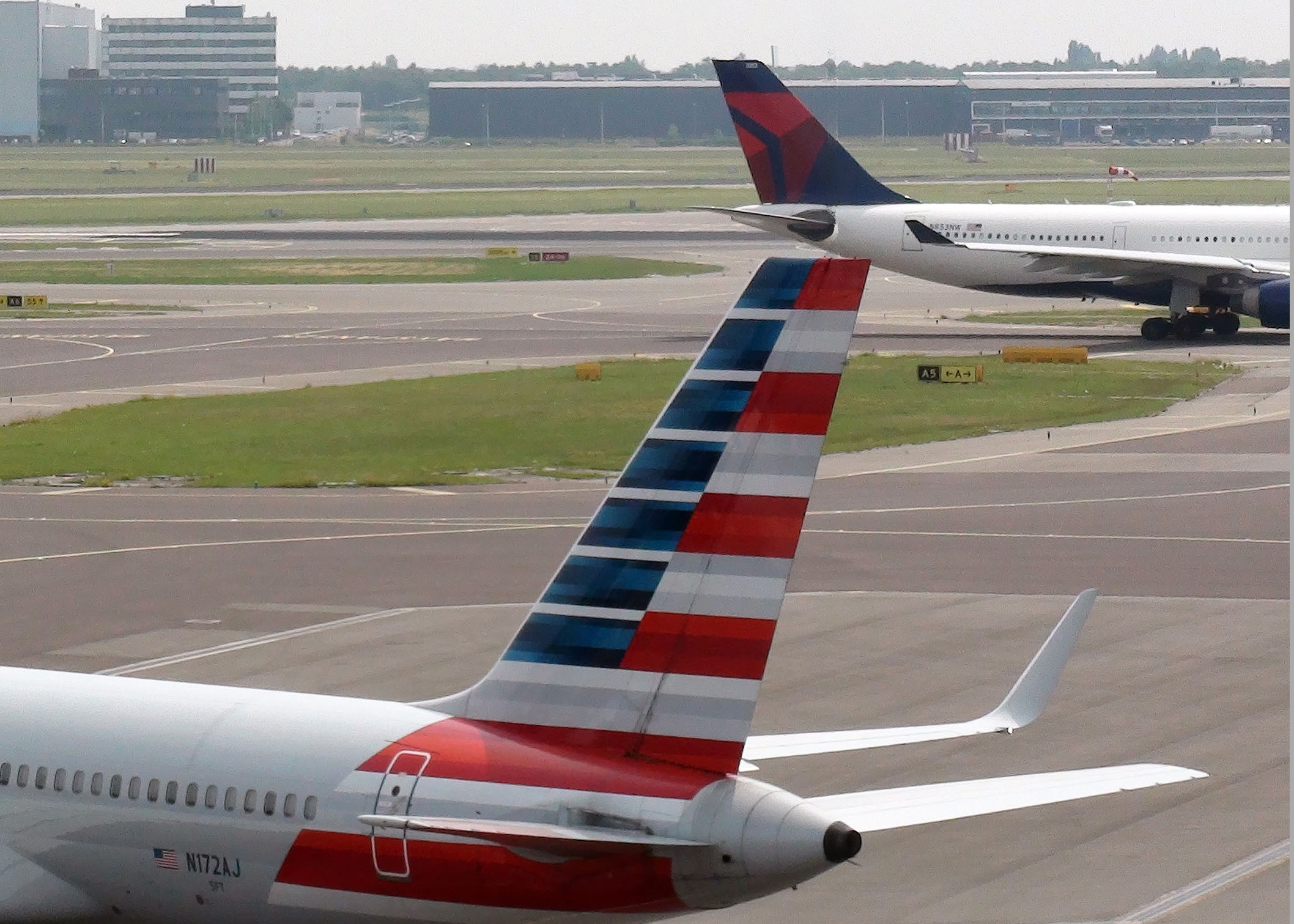
According to Federal Aviation Administration (FAA) guidelines, airlines have broad authority to deny boarding or remove passengers who pose a perceived threat to the safety of the flight or the comfort of other passengers. The use of a conducted energy device (taser) in a confined aircraft cabin is an extreme measure that underscores the heightened state of security in modern aviation. American Airlines has maintained a "zero tolerance" policy for verbal or physical abuse directed at its employees. The lifetime ban, a tool increasingly used by major carriers, effectively creates a "no-fly list" that is independent of federal government lists but equally restrictive for the individuals involved. This incident has reignited debates regarding the balance between passenger rights and the authority of airline personnel to maintain order in the cabin.
The Rise of the Solo Traveler: Holland America’s $500 Million Investment
In a move to capture a growing demographic, Holland America Line has announced a $500 million initiative focused on a "solo cabin makeover." Historically, the cruise industry has penalized solo travelers with a "single supplement," a fee that often doubles the cost of a stateroom to account for the lack of a second passenger. However, market research indicates that solo travel is one of the fastest-growing segments in the luxury and mid-tier travel markets.
The $500 million investment will involve the retrofitting of existing vessels to include more dedicated solo staterooms and the design of new ships with a higher ratio of single-occupancy cabins. This strategic pivot reflects a broader trend toward inclusivity and the recognition that the "nuclear family" or "couples" model of travel is no longer the sole driver of industry growth. By eliminating the single supplement through dedicated inventory, Holland America aims to build loyalty among a demographic that has traditionally felt marginalized by the industry’s pricing structures.
Post-Booking Financial Volatility: The Fuel Charge Controversy
A growing source of friction between airlines and consumers is the imposition of post-booking fuel charges. Several international carriers have faced public backlash after attempting to levy additional surcharges on tickets that had already been purchased and confirmed. These charges are often defended by airlines as a necessary response to extreme volatility in the global energy markets, yet they raise significant legal and ethical questions.
Under U.S. Department of Transportation (DOT) regulations (specifically 14 CFR Part 399), airlines are generally prohibited from increasing the price of a ticket after it has been purchased, with very limited exceptions for government-imposed taxes. However, the application of these rules to international itineraries and the use of "carrier-imposed surcharges" (often labeled as YQ or YR codes) creates a gray area. Consumer advocacy groups argue that these charges are a form of "bait and switch" pricing, while airlines contend that fixed-price tickets are unsustainable when jet fuel prices experience double-digit percentage increases in a single quarter. This tension is likely to lead to further regulatory intervention or class-action litigation as consumers demand greater price transparency.
Broader Implications for the Travel Industry
The events of late April 2026 suggest a travel industry that is becoming more segmented and more regulated. The shift toward restricted beverage packages and lifetime bans for unruly behavior indicates a move toward a more disciplined and risk-averse operational model. Simultaneously, the focus on solo cabins and targeted Amex offers shows that companies are willing to invest heavily in specific, high-value niches.
For the consumer, these changes necessitate a more proactive approach to travel planning. Understanding the nuances of credit card reward categories, staying informed about evolving cruise line policies, and maintaining a high standard of conduct in the air are now essential components of the modern travel experience. As the industry continues to recover and evolve, the "unlimited" and "one-size-fits-all" models of the past are being replaced by a more restricted, yet more precisely engineered, ecosystem.
Timeline of Recent Developments (April 2026)
- April 20: Clarification issued regarding Chase Freedom Flex bonus categories for digital media subscriptions, specifically Audible.
- April 21: Carnival Cruise Line $300,000 judgment finalized, prompting industry-wide reviews of beverage package policies.
- April 23: Delta and American Express launch a targeted gift card promotion for premium cardholders.
- April 25: Security incident on American Airlines leads to the tasing and lifetime ban of two passengers.
- April 27: Holland America unveils its $500 million plan to expand solo traveler accommodations across its fleet.
As the travel sector moves forward, the integration of legal precedents, technological changes in financial processing, and shifting social dynamics will continue to reshape the way individuals navigate the globe. The current landscape is one of high stakes, where a single legal ruling or a shift in a merchant code can have multi-million dollar implications for corporations and significant financial consequences for travelers.




 Anjar Salim
 Chandra Hamzah
 Tatiana Tantri Indah Sari
 Lukman Taruna Persada Ramadan