
 Anjar Salim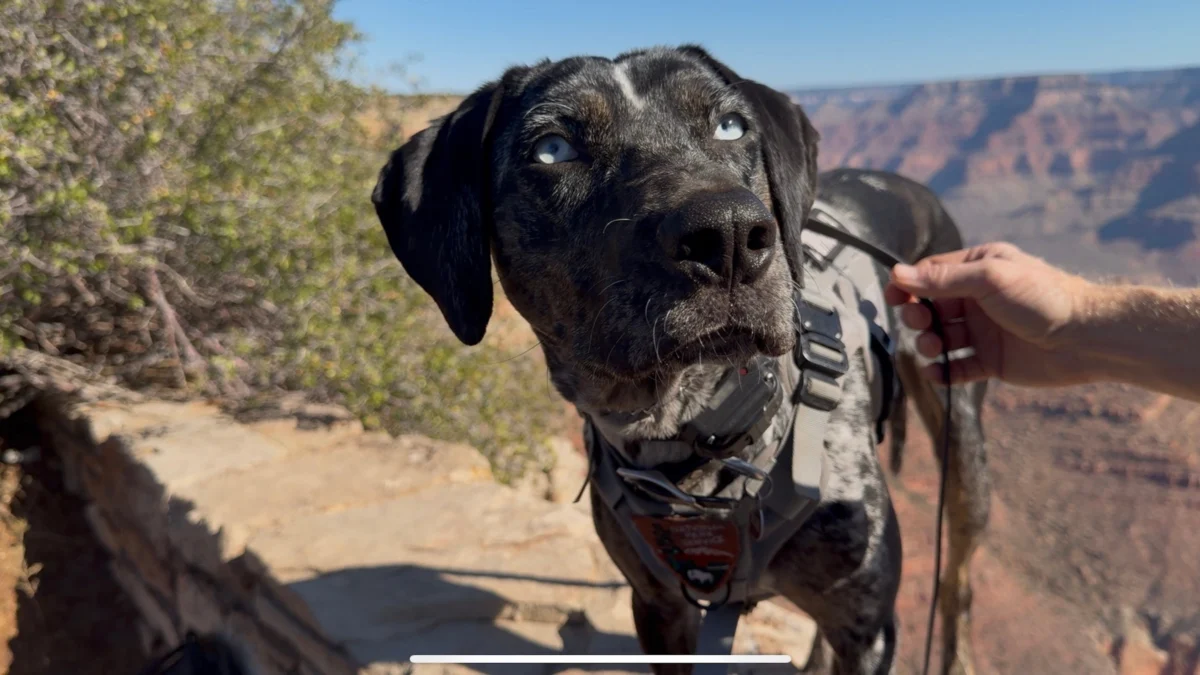
At the sprawling Mather Campground within Grand Canyon National Park, an innovative wildlife management strategy is currently being tested to address a decades-old challenge. Brady Dunne, a veteran wildlife biologist with the National Park Service (NPS), and his partner Blue, an 18-month-old Catahoula Leopard Hound, are patrolling the South Rim with a specific objective: to re-educate the park’s elk population. Blue is not a typical service animal; she is a highly trained conservation K9 tasked with using aversive conditioning to steer 700-pound ungulates away from high-traffic visitor areas. This initiative represents a significant shift in how the National Park Service handles wildlife habituation, moving toward non-lethal, proactive behavioral modification.
The Grand Canyon is currently facing what officials describe as a chronic elk problem. For more than 20 years, elk from outside the park boundaries have migrated into the developed areas of the South Rim, drawn by reliable water sources and the relative safety from natural predators. Over time, these animals have become "habituated"—a biological state where wildlife loses its natural fear of humans. This lack of fear creates a dangerous proximity between wild animals and the millions of tourists who visit the park annually. According to Dunne, the park has reached a point where the elk population is at a historic high, and a significant majority of those animals no longer perceive humans as a threat, but rather as a neutral or even protective presence.
The Science of Aversive Conditioning and the Spotted Wolf Effect
The pilot program, a three-year initiative funded by the Grand Canyon Conservancy, utilizes Blue as a "spotted wolf." In the wild, elk maintain a healthy distance from humans due to the presence of apex predators like cougars and coyotes. However, within the developed "Grand Canyon Village," these predators are less common, providing a "refuge" for elk. By introducing Blue into these spaces, the NPS aims to restore a "landscape of fear" that encourages elk to return to more remote areas of the park.
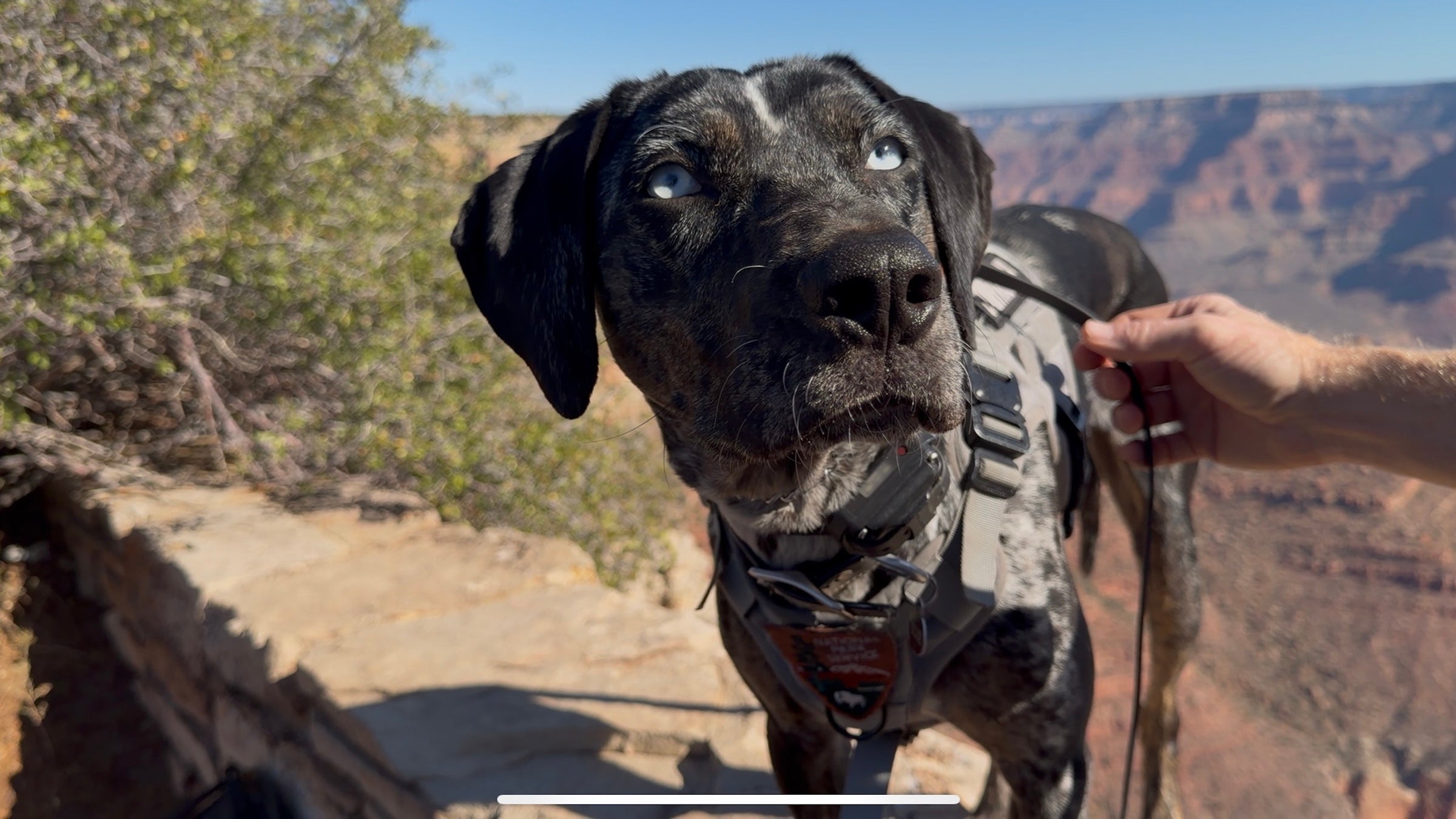
Blue’s role involves herding and barking to trigger an innate flight response in the elk. Unlike hunting dogs, Blue is kept on a leash under Dunne’s strict control and is trained never to make physical contact or bite the animals. The process, known as aversive conditioning, relies on repetition. When an elk attempts to graze near the Mather Campground or the El Tovar Hotel, Blue is deployed to bark and provide herding pressure. The goal is for the elk to associate these specific human-centric locations with the presence of a predator, eventually choosing to avoid these areas altogether.
To measure the success of this program, the NPS wildlife team utilizes high-tech monitoring equipment. Several elk and bighorn sheep have been fitted with radio collars, allowing biologists to track their movements in real-time. This data provides empirical evidence of how long an animal stays away after an encounter with Blue—ranging from a few hours to several weeks. This scientific approach allows the NPS to move beyond anecdotal success and quantify the effectiveness of K9-assisted wildlife management.
Chronology of K9 Integration in National Parks
The use of dogs in wildlife management is a growing trend across the National Park System, though it remains a specialized tool. Blue’s deployment in May 2026 follows a lineage of successful K9 programs in other regions:
- July 2016: Glacier National Park introduced Gracie, a Border Collie trained to move bighorn sheep and mountain goats away from the Logan Pass parking area to prevent dangerous interactions with visitors and vehicles.
- Ongoing Operations: In Yosemite National Park, a Karelian Bear Dog named Yoshi has been utilized to manage black bear populations, teaching them to stay away from campsites and food storage areas.
- May 2026: Blue began her official patrols at the Grand Canyon, specifically targeting the South Rim’s "high-use" zones.
These programs share a common goal: reducing the need for lethal management. When wildlife becomes too aggressive or dependent on human food, the traditional recourse has often been relocation or euthanasia. The integration of dogs like Blue provides a middle ground, allowing the animals to remain wild and alive while maintaining a safe distance from civilization.
Strategic Focus Areas and High-Visitation Challenges
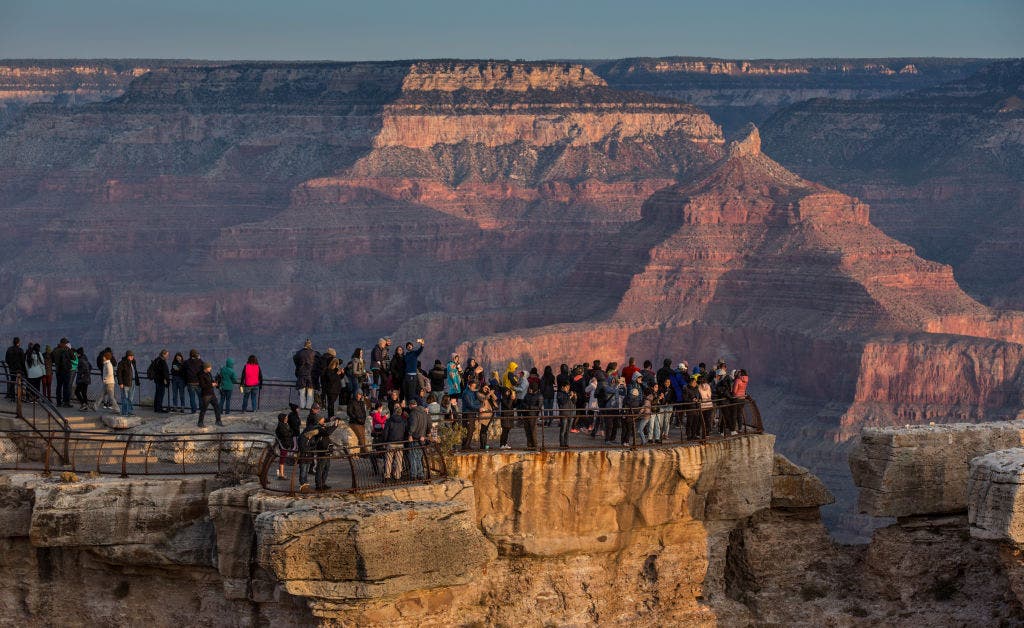
The NPS has identified five primary "hotspots" where human-elk interactions are most frequent and problematic. These include the Mather Campground, the El Tovar Hotel, the Grand Canyon Visitor Center, Maswik Lodge, and the Grand Canyon School. These areas are characterized by high pedestrian traffic and the presence of "attractants," such as irrigated lawns and water filling stations, which are irresistible to elk in the arid Arizona climate.
The challenge is compounded by record-breaking visitation numbers. Grand Canyon National Park attracts between five and six million visitors annually. As the human footprint expands, the buffer zone between people and wildlife shrinks. Habituated elk are known to block roadways, congregate on narrow walking paths, and even enter building entryways. While they may appear docile, elk are powerful animals that can become highly aggressive, particularly during the calving season in the spring or the rut (mating season) in the fall.
Professional Profile: The Handler and the Breed
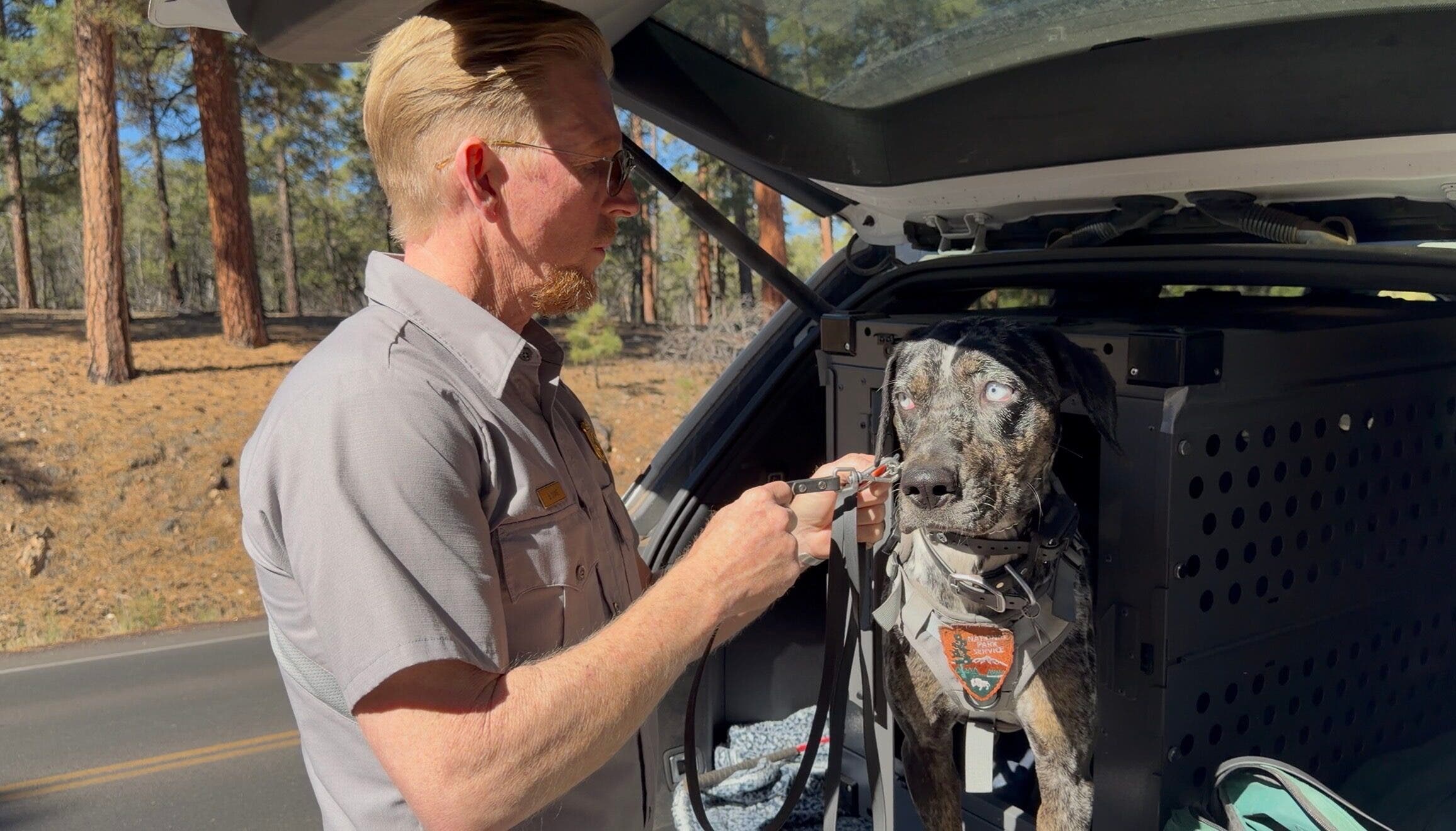
The success of the program relies heavily on the partnership between the K9 and the handler. Brady Dunne brings decades of specialized experience to the project, having previously studied wolverines in Glacier National Park, grizzly bears in Yellowstone, and cougars in Colorado. With over 60,000 hours of field data collection, Dunne’s expertise in predator-prey dynamics is central to the "spotted wolf" strategy.
The choice of a Catahoula Leopard Hound was also deliberate. Originating from Louisiana, the Catahoula is known for its intelligence, endurance, and unique "baying" ability. Unlike breeds that might instinctively chase or nip, the Catahoula is capable of maintaining "intense pressure" on an animal through posture and sound alone, making it an ideal candidate for herding large ungulates like elk without causing them physical harm.
Official Guidelines and Public Safety Protocols
While Blue and the wildlife team work to condition the animals, park officials emphasize that public cooperation is essential. Sophie Mirotznik, a biological science technician who assists with the program, notes that visitor behavior is the other half of the equation. The NPS has issued several standing protocols for visitors who encounter elk:
- Maintain Distance: Visitors are required to stay at least 100 feet (approximately two bus lengths) away from elk at all times.
- Do Not Close the Gap: If an elk moves toward a visitor, the visitor should retreat rather than standing their ground to take photographs.
- Eliminate Attractants: Feeding wildlife is strictly prohibited and illegal. Visitors are also urged to ensure all water stations and spigots are fully turned off, as leaking water is a primary draw for habituated herds.
- Yield to Official Operations: If visitors see Blue and her handler on patrol, they are asked to give the team wide berth to allow the aversive conditioning to proceed without interference.
Analysis of Long-Term Implications for Wildlife Management
The deployment of Blue at the Grand Canyon is more than a local solution; it is a test case for the future of the National Park Service’s conservation efforts. If the three-year pilot program proves successful in permanently shifting elk movement patterns, it could serve as a blueprint for other parks facing similar issues with habituated species, such as bison in Yellowstone or deer in eastern parks.
The broader implication is a shift toward "behavioral ecology" in park management. Rather than viewing wildlife as a static element to be fenced in or out, the NPS is beginning to treat wildlife behavior as a dynamic variable that can be influenced through environmental and psychological cues. By using dogs to simulate natural predation risks, the park is essentially "rewilding" the instincts of animals that have become too comfortable in suburban-like park settings.
As the program continues through its second and third years, the data collected from radio collars and incident reports will determine if the "spotted wolf" can truly solve the chronic elk problem. For now, Blue remains a fixture of the South Rim—a working dog whose presence serves as a constant reminder that even in a park with millions of visitors, the "wild" in wildlife must be preserved. The success of this initiative could ultimately lead to a more harmonious coexistence between the public and the majestic animals that call the Grand Canyon home, ensuring that the only thing visitors take home is a photograph from a safe and respectful distance.




 Chandra Hamzah
 Tatiana Tantri Indah Sari
 Budi Mulyono
 Lukman Taruna Persada Ramadan