
 Hendra Ismail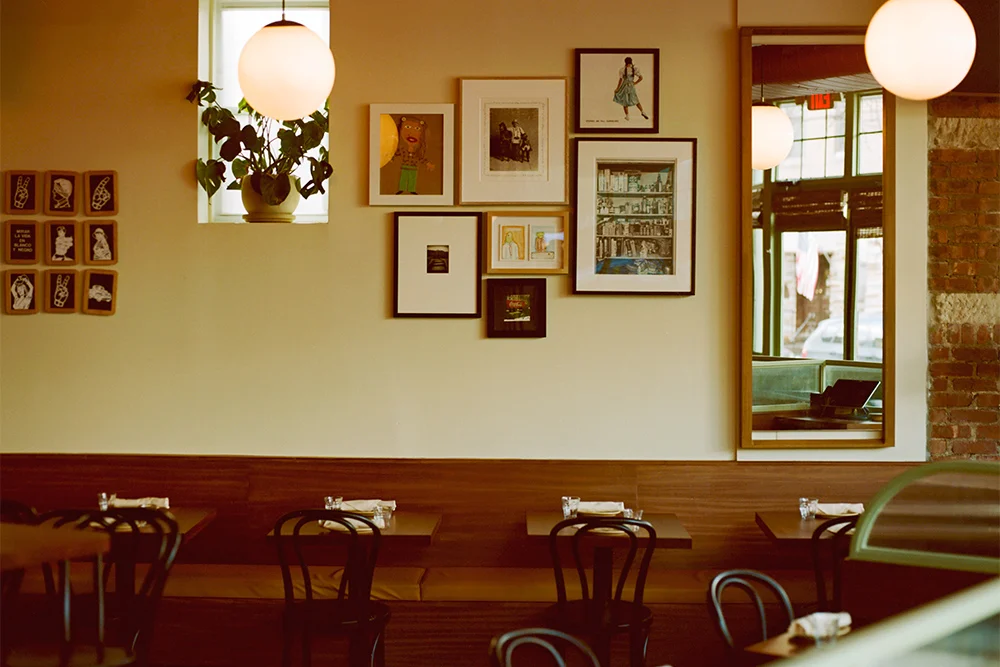
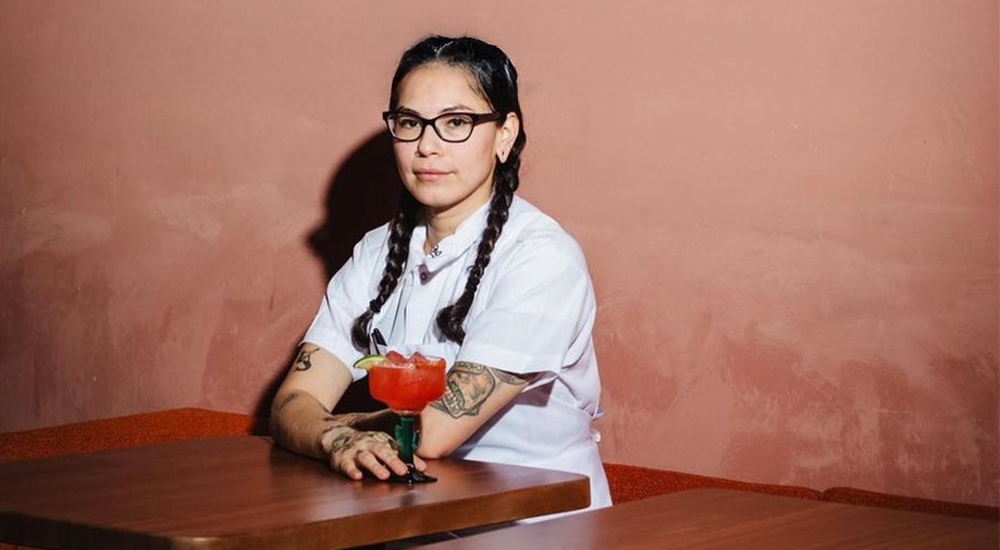
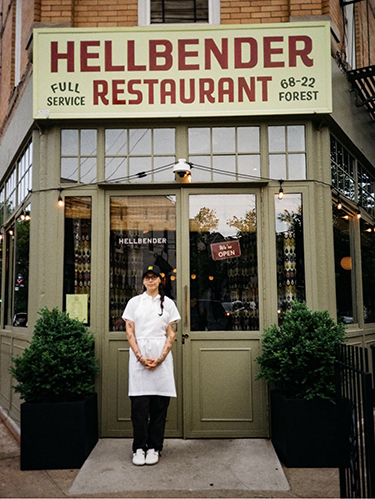
On a distinctive triangular corner in Queens’ vibrant Ridgewood neighborhood, Chef Yara Herrera has cultivated a culinary sanctuary that has rapidly ascended from a promising newcomer to a celebrated destination. What began as a vision for a sophisticated cocktail bar with elevated Mexican-American snacks has, in just over a year, blossomed into a full-service restaurant lauded for its creative approach to traditional flavors and its warm, inviting atmosphere. Hellbender, Herrera’s brainchild, has not only captured the attention of local diners but has also earned national recognition, underscoring a remarkable journey of ambition, adaptation, and artistic expression.
A Culinary Pedigree Forged on the West Coast
Herrera’s path to culinary leadership is marked by a foundation built in some of the most esteemed kitchens on the West Coast. A native of Los Angeles, she embarked on her professional journey at the young age of 20. Her early experiences provided invaluable tutelage under culinary titans: she honed her skills at Wolfgang Puck’s iconic Spago in Beverly Hills, a landmark of modern Californian cuisine, and later at Michael Cimarusti’s Providence in Hollywood, a restaurant that has since garnered three Michelin stars for its exquisite seafood-centric tasting menus. These formative years instilled in Herrera a deep understanding of technique, an appreciation for high-quality ingredients, and a commitment to culinary excellence that would shape her future endeavors.
Transition to New York and the Xilonen Chapter
Following her impactful tenure in Los Angeles, Herrera made a significant move to New York City. Her arrival on the East Coast was met with opportunities that further solidified her growing reputation. She eventually assumed the role of Chef de Cuisine at Xilonen, a pioneering plant-based Mexican restaurant situated in Greenpoint, Brooklyn. Xilonen, known for its innovative and vibrant interpretations of Mexican cuisine through a vegetarian lens, provided Herrera with a platform to explore the intersection of tradition and modern dietary trends. While Xilonen’s chapter concluded with its closure in 2022, the experience was instrumental in refining Herrera’s culinary voice and deepening her understanding of ingredient-driven cooking.
The Genesis of Hellbender: A Collaborative Vision
The period following Xilonen’s closure saw Herrera engage in a series of successful pop-up events, a flexible format that allowed her to experiment with new concepts and connect directly with a discerning audience. It was during this time that she encountered Howard Kalachnikoff and Rafiq Salim, the proprietors of the well-regarded Ridgewood restaurant Rolo’s. Impressed by Herrera’s talent and vision, Kalachnikoff and Salim extended an invitation to collaborate, offering her the opportunity to develop and launch a restaurant concept entirely her own. This pivotal meeting laid the groundwork for what would become Hellbender.
From Humble Beginnings to National Acclaim
The initial concept for Hellbender, launched in February 2024, was envisioned as a sophisticated cocktail bar complemented by a curated selection of Mexican-American snacks. “We opened with an extensive cocktail menu and a nine-item food menu,” Herrera recalls. The ambition was to create a relaxed yet refined atmosphere where guests could enjoy expertly crafted drinks alongside thoughtfully prepared small plates. However, the restaurant’s trajectory quickly surpassed these initial expectations.
Within a remarkably short period, Hellbender garnered significant critical attention. Its innovative approach and exceptional execution were recognized by The New York Times, which included the restaurant in its prestigious list of the 10 Best New Restaurants of 2025. This accolade marked a significant milestone, drawing national attention to Herrera’s culinary prowess and the unique dining experience Hellbender offered. Further solidifying its cultural relevance, Herrera partnered with lifestyle icon Martha Stewart in May of the same year to host a high-profile dinner party at the restaurant. The event generated considerable buzz on social media, amplifying public interest and creating an eager anticipation for what Hellbender would offer next.
An Evolution Fueled by Success: The Full-Service Restaurant
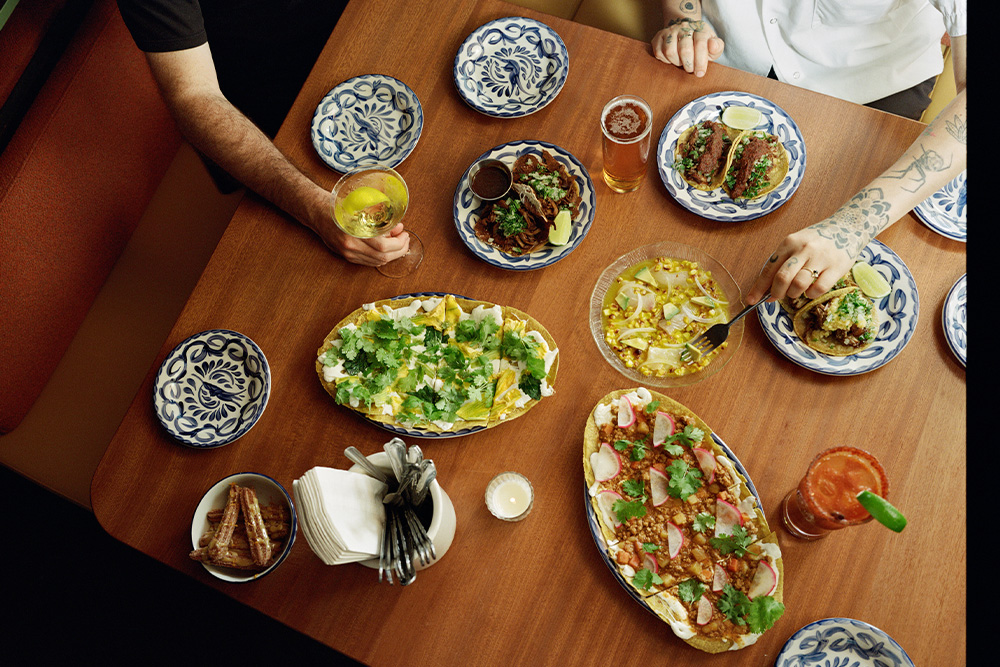
The overwhelming positive reception and the burgeoning demand from patrons prompted a strategic evolution of Hellbender. The restaurant transitioned from its initial concept into a full-service establishment, expanding its culinary offerings to encompass a comprehensive dinner and brunch menu. This shift allowed Herrera to fully express her culinary philosophy, which she describes as “creative takes on innovative and classic Mexican dishes.”
The expanded menu reflects a profound connection to her personal heritage and culinary journey. “I now cook food that reminds me of growing up Mexican in Los Angeles,” Herrera explains, “and that’s refined with techniques I learned as I worked my way through some of the best kitchens in America.” This synthesis of nostalgic flavors and sophisticated culinary artistry forms the core of Hellbender’s gastronomic identity. The menu is a testament to her ability to draw inspiration from her roots while elevating it with the refined skills acquired through years of rigorous training.
A Renovation Enhancing the Culinary Stage
To better showcase the evolving menu and elevate the overall dining experience, Hellbender underwent a significant renovation. This project, a collaborative effort between Herrera, Kalachnikoff, Salim, and a trusted contractor, concluded in March, resulting in a space that is both aesthetically pleasing and functionally optimized for culinary presentation. “The renovation really elevated the space to highlight the food,” Herrera states.
Key improvements include the creation of an open kitchen, which provides diners with a captivating view of the culinary team at work. Enhanced lighting within this area not only improves visibility for the chefs but also adds a dynamic visual element for guests. The expansion of plating space ensures that each dish is presented with the meticulous attention to detail it deserves. Furthermore, the back bar area was thoughtfully reconfigured to better display the restaurant’s impressive spirit selection and to maximize storage efficiency, contributing to a more seamless service flow.
An Ethos of Authenticity and Cultural Fusion
Despite the significant evolution and physical enhancements, the fundamental ethos of Hellbender remains rooted in Herrera’s personal vision and cultural identity. She emphasizes that the restaurant’s approach to Mexican-American cuisine deliberately diverges from conventional expectations. “At first glance, you wouldn’t assume Hellbender is a Mexican-American restaurant,” she observes. “There are no tacos on the menu or traditional décor on the walls.”
This deliberate departure from stereotypical representations is a conscious choice to articulate a more nuanced narrative. “I am telling a story that so many immigrants before me have done,” Herrera explains. “I am staying true to my roots and culture, while being open to the environment I am in—working with local ingredients to replicate dishes I love, sometimes Mexican, sometimes not.” This philosophy champions a form of culinary storytelling that is both deeply personal and universally resonant, embracing a spirit of adaptation and creative interpretation that is characteristic of the immigrant experience.
A Playful Space Infused with Personal Touches
The “fun, playful space” that Herrera describes is a deliberate extension of her personality and influences. The restaurant’s atmosphere is carefully curated to create a vibrant and engaging environment. Music plays a significant role in setting the mood, with a diverse playlist spanning multiple genres, though predominantly featuring Latin sounds such as cumbias, reggaeton, and corridos, alongside hip-hop and R&B classics. This eclectic mix contributes to the convivial and energetic ambiance.
Personal touches are woven throughout the décor, adding layers of warmth and intimacy. Herrera’s favorite color, yellow, is prominently featured in the restaurant’s branding and on the plush leather cushions adorning the booth seating, infusing the space with a cheerful and optimistic hue. A subtle yet poignant reminder of her heritage is a small curtain, lovingly handmade by Herrera’s mother, which serves as a quiet and cherished memento. “I think about her every time I see it,” she shares, highlighting the deep personal connection that informs the restaurant’s identity.
Ultimately, Herrera’s aspiration for Hellbender is to create an experience that makes guests feel as though they have discovered an exceptional destination. “Guests to feel like they just walked into the cutest, coolest, most beautiful, exciting restaurant in Ridgewood,” she states. This ambition speaks to a desire to create a place that is not only a culinary powerhouse but also a cherished neighborhood hub and a source of joy and discovery for all who enter.
A Vision Realized: The Future of Hellbender
With the recent renovation completed, Herrera expresses a profound sense of fulfillment, feeling as though Hellbender has finally achieved the form she had always envisioned. “It’s still a new restaurant growing slowly in exciting ways,” she acknowledges, “and my focus is on dialing that in daily.” This ongoing commitment to refinement and continuous improvement underscores her dedication to maintaining the high standards that have propelled Hellbender to its current success.
The journey of Hellbender from its initial conception as a cocktail bar to its current status as a critically acclaimed full-service restaurant is a compelling narrative of culinary evolution. Chef Yara Herrera’s masterful blend of heritage, technique, and personal vision has not only transformed a corner space in Ridgewood into a vibrant dining destination but has also created a powerful platform for storytelling through food. As Hellbender continues to grow and innovate, it stands as a testament to the power of culinary artistry to connect people, celebrate culture, and forge unforgettable experiences.
Supporting Data and Context:
- Restaurant Industry Growth in NYC: The New York City restaurant scene is a dynamic and highly competitive market. In 2023, it was estimated that the city’s food service industry generated over $60 billion in annual revenue. Restaurants like Hellbender that manage to distinguish themselves through unique concepts and exceptional execution are vital to the industry’s continued vibrancy.
- Impact of Critical Acclaim: Inclusion in "The New York Times’ 10 Best New Restaurants" list is a significant driver of business. Restaurants on this list often experience a substantial increase in reservations and foot traffic, sometimes by as much as 50% or more in the immediate aftermath of the announcement. This elevates their profile beyond local popularity to national recognition.
- The Rise of Chef-Driven Concepts: There has been a discernible trend in recent years towards more chef-driven establishments, where the chef’s personal vision and culinary philosophy are central to the restaurant’s identity. This allows for greater authenticity and a more distinct brand, appealing to diners seeking genuine experiences.
- Ridgewood as a Culinary Hub: Ridgewood, Queens, has emerged as a neighborhood with a burgeoning culinary scene, attracting both established restaurateurs and emerging talents. Its diverse demographic and relatively affordable commercial spaces have fostered an environment conducive to independent restaurant growth, often characterized by a focus on unique concepts and community engagement.
Analysis of Implications:
Hellbender’s success story carries several implications for the broader culinary landscape:
- Validation of Innovative Mexican-American Cuisine: The restaurant’s acclaim challenges traditional perceptions of Mexican-American food by demonstrating that it can be both deeply rooted in heritage and avant-garde in its presentation and ingredients. This opens doors for other chefs to explore similar avenues, pushing the boundaries of ethnic cuisine.
- The Power of Adaptation: Hellbender’s pivot from a cocktail bar concept to a full-service restaurant highlights the importance of flexibility and responsiveness in the hospitality industry. Market feedback and critical reception can serve as crucial indicators for strategic growth and evolution.
- The Role of Personal Narrative in Dining: Herrera’s emphasis on her personal story and cultural background resonates with diners seeking authentic experiences. Restaurants that can effectively communicate a compelling narrative often foster deeper connections with their clientele, creating a loyal customer base.
- Synergy Between Culinary and Design: The renovation underscores the critical role of interior design in complementing and enhancing the dining experience. A well-designed space can amplify the impact of the food and service, contributing to the overall perception of quality and sophistication.
The continued success of Hellbender will likely serve as an inspiration and a benchmark for aspiring restaurateurs and chefs, particularly those seeking to blend cultural authenticity with contemporary culinary innovation in the competitive New York City market.




 Anjar Salim
 Chandra Hamzah
 Tatiana Tantri Indah Sari
 Budi Mulyono
 Lukman Taruna Persada Ramadan
