
 Tatiana Tantri Indah Sari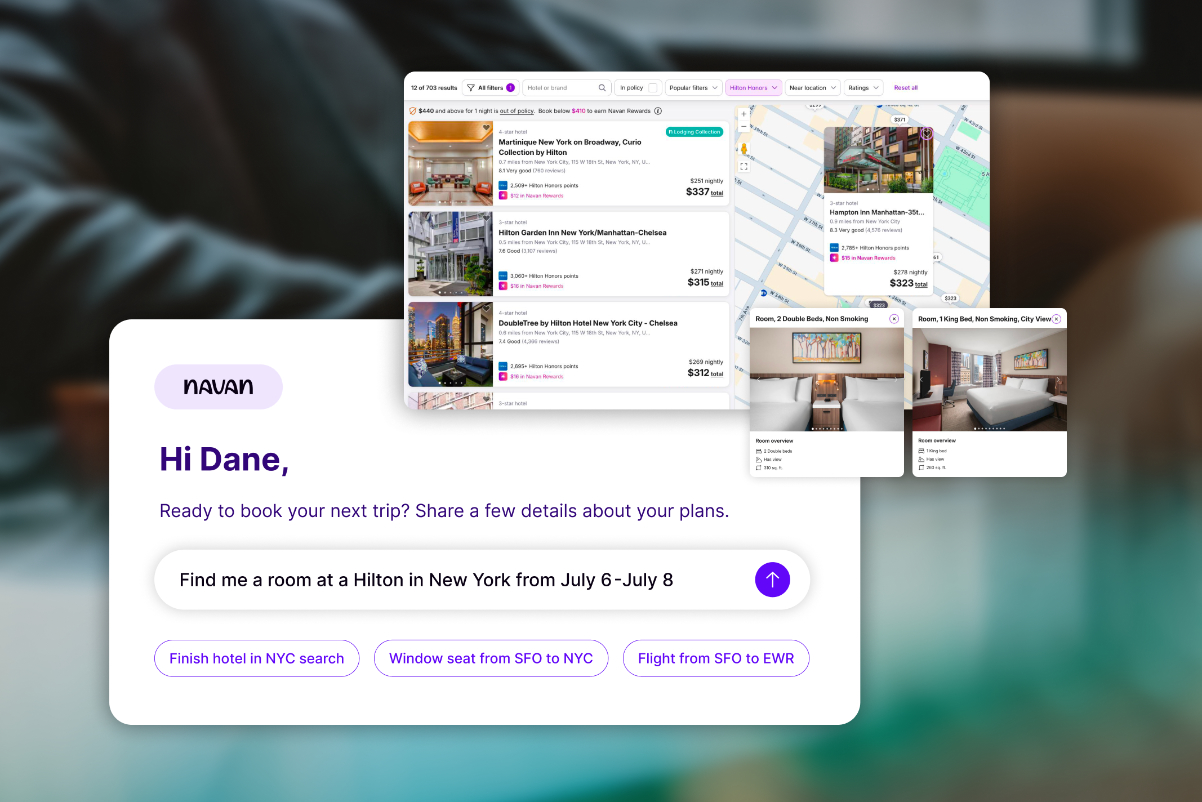
Hilton, one of the world’s leading hospitality companies, has announced a significant partnership with Navan, a prominent corporate travel and expense management platform, establishing a direct connection into Hilton’s reservation system. This strategic integration, confirmed by both companies on Tuesday, marks a pivotal moment in corporate travel distribution by enabling Navan to access real-time rates, availability, and comprehensive marketing content directly from Hilton’s source. This move effectively bypasses the conventional intermediaries that have historically dictated how hotel booking information reaches business travelers, promising a more transparent, efficient, and content-rich booking experience.
The Limitations of Legacy Systems and the Drive for Directness
For decades, the corporate travel landscape has largely been governed by Global Distribution Systems (GDS) and traditional Travel Management Companies (TMCs). While these systems have provided invaluable infrastructure for aggregating travel inventory, they have also imposed significant limitations on how hotels can present their offerings. Legacy reservation platforms, often characterized by their text-heavy interfaces and restrictive character counts, severely curtail a hotel’s ability to showcase its unique value proposition. In many instances, a hotel’s marketing pitch within these systems is confined to as little as 80 characters of text, making it exceedingly difficult to differentiate one property from another, even for hotels located across the street from each other. This digital bottleneck stifles hotels’ merchandising efforts, preventing them from conveying the full breadth of their amenities, services, and brand experience to discerning business travelers and corporate clients.
The inherent inefficiency and lack of visual appeal in these older systems have long been a point of contention for hoteliers. The inability to display high-resolution images, detailed descriptions, virtual tours, or even comprehensive lists of amenities means that a significant portion of a hotel’s value proposition remains unseen and uncommunicated at the crucial point of sale. This not only impacts a hotel’s ability to attract bookings but also limits opportunities for upselling and cross-selling premium services, thereby affecting potential revenue generation.
Navan’s Vision and Hilton’s Strategic Imperative
The direct connection between Navan and Hilton is designed to fundamentally shift this dynamic, handing merchandising control back to the hotel. By leveraging a direct data feed, Navan will be able to pull "full content" – a term encompassing rich media, high-quality photographs, detailed property descriptions, and up-to-date amenity lists – directly from Hilton. The long-term promise of this enhanced content delivery is multifold: it aims to enable sophisticated upsells, provide confirmed discounts, and offer exclusive perks negotiated specifically for corporate clients or members of Hilton’s loyalty programs. This capability moves beyond mere transactional bookings, fostering a more engaging and informative booking journey that mirrors the consumer-grade experience increasingly expected by modern business travelers.
Navan, which introduced a new hotel content platform in March, has been at the forefront of modernizing the corporate travel experience. Its platform is built on the principle of providing a seamless, integrated solution for managing travel and expenses, leveraging technology to offer greater choice, transparency, and control to both companies and their employees. The integration with Hilton is a natural progression of this strategy, aligning with Navan’s commitment to delivering superior content and a more intuitive user experience.
For Hilton, a global hospitality giant with a portfolio of 22 distinct brands and over 7,400 properties across 124 countries and territories, this partnership represents a strategic imperative. In an increasingly competitive landscape, gaining direct control over how its vast array of properties is presented to a crucial segment like corporate travelers is paramount. Direct connections not only enhance brand representation but also provide invaluable data insights into booking patterns and traveler preferences, which can be leveraged for more targeted marketing and personalized offers. Furthermore, by reducing reliance on third-party aggregators, hotels can potentially lower distribution costs, thereby improving their margins.
A Chronology of Disruption and Evolution in Hotel Distribution
The evolution of hotel distribution has been a long and often contentious journey, marked by innovation, consolidation, and a persistent drive for efficiency and control.
- 1960s-1970s: The genesis of Global Distribution Systems (GDS) with systems like SABRE (originally for American Airlines) and Apollo. These systems were primarily designed for airline reservations but gradually expanded to include hotels and car rentals, becoming the backbone of travel agency operations.
- 1980s-1990s: GDS platforms become indispensable for travel agents, providing access to a wide array of travel inventory. However, their technological infrastructure remained largely text-based and inflexible, reflecting the computing capabilities of the era.
- Late 1990s-Early 2000s: The rise of the internet ushers in Online Travel Agencies (OTAs) like Expedia, Booking.com, and Priceline. These platforms offer consumers direct access to hotel inventory, challenging the traditional travel agency model and introducing new distribution channels. OTAs, while offering broader reach, often came with significant commission costs for hotels.
- 2010s: Hotels increasingly focus on "direct booking" campaigns to reduce reliance on OTAs and GDS, seeking to own the customer relationship and capture higher margins. Loyalty programs become a key battleground, with hotels offering exclusive perks for direct bookings. Technology providers begin offering solutions for hotels to manage their direct channels more effectively.
- Mid-2010s onwards: The emergence of integrated travel and expense management platforms like Navan (formerly TripActions) signals a new wave of innovation in corporate travel. These platforms aim to streamline the entire business travel lifecycle, from booking to expense reporting, often leveraging AI and machine learning.
- March 2023: Navan introduces its new hotel content platform, signaling its commitment to enhancing the quality and richness of hotel information available to its corporate clients. This platform laid the groundwork for deeper integrations.
- June 2024 (Current Event): Hilton and Navan announce their direct integration, representing a significant step in providing richer content and a more streamlined booking experience for corporate travelers, directly challenging the limitations of legacy GDS systems.
This timeline illustrates a consistent trend: the industry is continually seeking more efficient, cost-effective, and user-centric ways to connect travelers with travel suppliers. The Hilton-Navan partnership is the latest, and one of the most prominent, manifestations of this ongoing evolution.
Supporting Data and Market Context
The corporate travel market is a colossal segment of the global economy. Before the pandemic, global business travel spending reached approximately $1.4 trillion in 2019, according to the Global Business Travel Association (GBTA). While the pandemic caused a precipitous decline, the market is in a robust recovery phase, with projections indicating a return to pre-pandemic levels in the coming years. This substantial market represents a significant revenue stream for hotel chains, making optimized distribution and enhanced corporate relationships critically important.
Hotels typically incur substantial costs for distribution through GDS and OTA channels, often ranging from 10% to 25% or more per booking in commissions and fees. Direct connections, while requiring initial investment in technology and partnerships, offer the potential for significant long-term savings by reducing these intermediary costs. A study by Phocuswright indicated that direct channels account for a growing share of hotel bookings, underscoring the industry’s push to foster direct relationships with guests, including corporate accounts.
Furthermore, the adoption of virtual credit cards in corporate travel is on a sharp upward trajectory. Research from Mastercard and other payment providers suggests that virtual card usage for B2B payments, including travel, is growing at double-digit rates annually. These cards offer enhanced security, simplified reconciliation, and greater control over spending, making them an attractive solution for corporate travel managers. The Navan-Hilton integration explicitly includes virtual credit card capabilities, further solidifying its value proposition for businesses seeking secure and efficient payment solutions.
Inferred Statements and Industry Reactions
While specific quotes were not provided in the original snippet, we can logically infer the perspectives of key stakeholders:
From Hilton Leadership (e.g., a Chief Commercial Officer or Head of Corporate Sales):
"This direct integration with Navan marks a significant step forward in how Hilton serves our corporate clients and business travelers. We are committed to providing the most comprehensive and engaging content possible, ensuring that the unique character and offerings of each of our 7,400+ properties are fully visible. By bypassing legacy system limitations, we empower corporate travel managers with richer information, more personalized options, and seamless booking, ultimately enhancing the entire guest experience. This partnership reinforces our dedication to innovation and direct relationships, driving both guest satisfaction and operational efficiency."
From Navan Leadership (e.g., a CEO or Chief Product Officer):
"Navan’s mission is to modernize and simplify corporate travel and expense management, and our direct integration with Hilton is a testament to that commitment. Business travelers deserve the same rich content and intuitive booking experience they enjoy in their personal lives, and this partnership delivers precisely that. By offering full content, dynamic pricing, and virtual card capabilities directly from a global leader like Hilton, we are providing our clients with unprecedented transparency, control, and value. This is about empowering companies to make smarter travel decisions and ensuring their employees have access to the best possible options with all the details they need at their fingertips."
From an Industry Analyst (e.g., a lead analyst at a travel technology research firm):
"The Hilton-Navan direct integration is a powerful signal of the ongoing transformation in corporate travel distribution. It highlights the increasing dissatisfaction among hoteliers with the restrictive nature and high costs associated with legacy GDS channels. For Navan, it cements their position as a forward-thinking platform capable of attracting major suppliers. This move will undoubtedly put further pressure on traditional GDS providers and TMCs to innovate, adapt, and demonstrate new value beyond mere aggregation. We can expect to see more such direct partnerships as hotels seek greater control over their brand messaging and pricing, and corporate platforms strive to offer richer, more personalized experiences."
The Crucial Role of Virtual Credit Cards
A key component of the Navan-Hilton integration, specifically highlighted in the original article snippet, is the inclusion of virtual credit card capabilities. This is not merely an add-on; it’s a critical enabler for modern corporate travel management. Virtual cards offer several distinct advantages:
- Enhanced Security: Each virtual card can be assigned a unique number, spending limit, and expiration date for a specific transaction or trip, significantly reducing the risk of fraud compared to physical corporate cards.
- Simplified Reconciliation: Virtual cards generate detailed transaction data that can be automatically linked to specific bookings and expense reports, streamlining the reconciliation process for finance departments and reducing manual effort.
- Policy Enforcement: Companies can pre-set spending limits and merchant restrictions on virtual cards, ensuring that employee spending remains within established travel policies.
- Improved Compliance: The granular data provided by virtual cards aids in auditing and compliance, offering a clear digital trail for all travel-related expenditures.
- Faster Payments: Virtual cards facilitate quicker and more efficient payments to hotels, improving cash flow for suppliers.
By incorporating virtual credit cards directly into the booking workflow, Navan and Hilton are not only enhancing the booking experience but also addressing critical financial and operational challenges faced by corporate clients.
Broader Implications for the Corporate Travel Ecosystem
This partnership has far-reaching implications across the corporate travel ecosystem:
- For Hotels: The ability to present full content directly to corporate clients means better brand representation, improved merchandising, and greater control over pricing and promotions. This can lead to increased direct bookings, reduced distribution costs, and a more robust understanding of corporate traveler preferences. It empowers hotels to compete more effectively on value and experience, not just price.
- For Corporate Travel Managers (CTMs) and Companies: CTMs gain access to a richer array of information, allowing them to make more informed decisions for their travelers. The potential for confirmed discounts and exclusive perks negotiated directly with Hilton translates into tangible cost savings and enhanced traveler satisfaction. The integration of virtual cards simplifies expense management, improves policy adherence, and provides greater financial control and transparency.
- For Business Travelers: The end-users benefit from a more visually appealing and informative booking experience. They can see exactly what they are booking, access loyalty benefits more easily, and potentially enjoy exclusive corporate rates and amenities. This shift contributes to a less stressful and more satisfying business trip.
- For Traditional Global Distribution Systems (GDS) and Travel Management Companies (TMCs): This direct connection poses a significant challenge. GDS platforms have historically served as the primary conduits for hotel inventory. As more hotels and corporate booking platforms establish direct links, the GDS’s role as a mandatory intermediary could diminish, forcing them to evolve their value proposition. Similarly, traditional TMCs that rely heavily on GDS content and lack similar direct integrations may find themselves at a disadvantage, necessitating innovation in service delivery, technology adoption, and value-added consulting to remain competitive. The pressure will be on them to adapt by offering more personalized services, advanced analytics, or by integrating with platforms like Navan themselves.
- Accelerating Industry Trends: This partnership accelerates the broader industry trend towards greater personalization, direct engagement, and technological integration in corporate travel. It signals a future where content is dynamic, pricing is optimized, and the entire travel journey is seamlessly managed through intelligent platforms.
Conclusion
The direct integration between Hilton and Navan represents a landmark development in the corporate travel sector. By enabling the seamless flow of rich content, real-time rates, and virtual payment solutions directly from the source, this partnership addresses long-standing inefficiencies and limitations inherent in legacy distribution systems. It empowers Hilton to showcase its diverse portfolio more effectively, provides Navan’s corporate clients with unparalleled transparency and choice, and offers business travelers a superior booking experience. This strategic alliance is not merely a technical upgrade; it is a clear declaration of intent from two industry leaders to redefine the standards of corporate travel, ushering in an era where direct connections, comprehensive content, and integrated solutions are poised to become the new benchmark for efficiency, value, and traveler satisfaction. The ripples of this collaboration are expected to drive further innovation and adaptation across the entire corporate travel ecosystem.




 Anjar Salim
 Chandra Hamzah
 Budi Mulyono
 Lukman Taruna Persada Ramadan
