
 Tatiana Tantri Indah Sari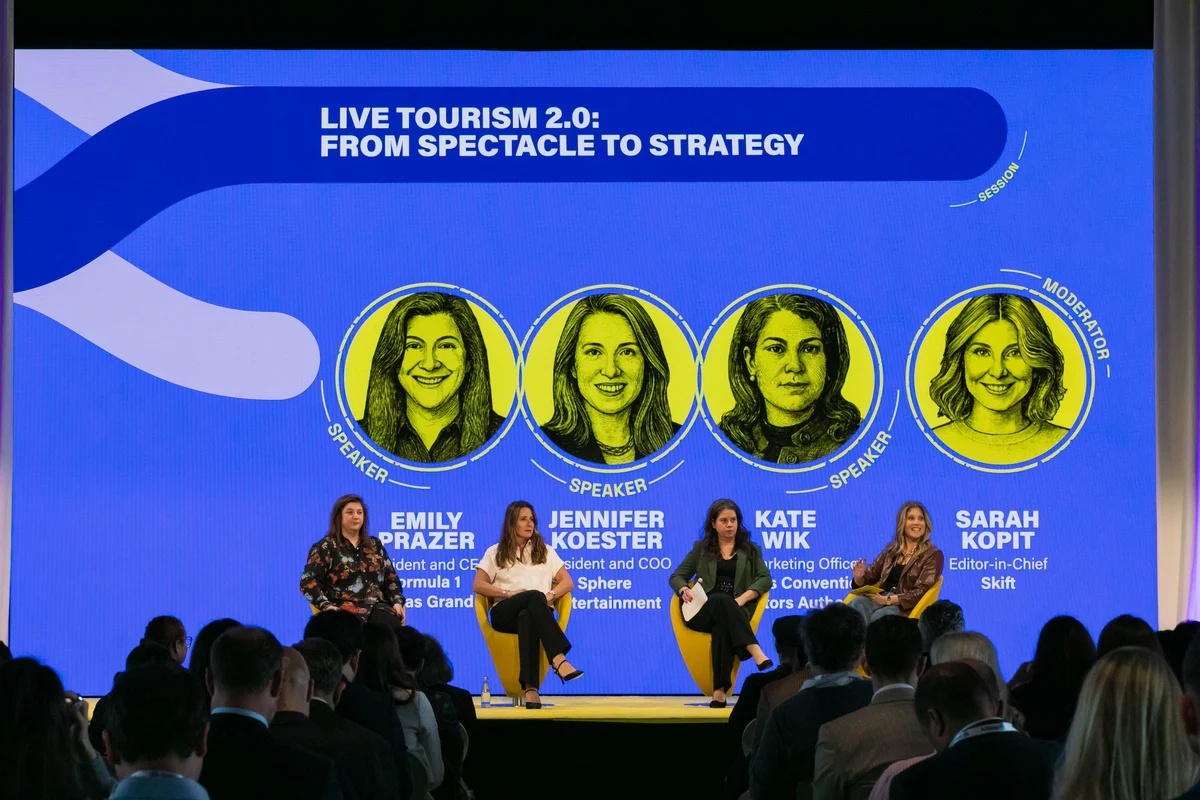
New York City is set to host a pivotal gathering of global travel and entertainment leaders on September 22, 2026, as Skift, a leading travel industry intelligence platform, convenes its inaugural Skift Live Tourism Summit. This closed-door strategy forum, presented by Live Nation, is designed to confront and strategize around one of the most significant and rapidly evolving forces in the modern travel landscape: the immense demand generated by live events. Far from being a fleeting trend, the phenomenon of live tourism—encompassing concerts, festivals, major sporting events, and cultural moments—is fundamentally reshaping global travel patterns, traveler behavior, and the economic calculus for destinations and service providers alike.
The summit, scheduled for the afternoon of September 22 at North Javits, precedes the opening night reception of the esteemed Skift Global Forum, positioning attendees at the epicenter of critical industry discussions from the outset of what promises to be an impactful week. With an anticipated attendance of over 80 senior leaders, the forum aims to bridge the current gap between the burgeoning live experience economy and the strategic frameworks needed to effectively harness its power.
The Unprecedented Rise of Event-Driven Travel
Traditionally, tourism has been conceptualized around destinations—places that travelers actively choose to visit for their inherent attractions, whether natural wonders, historical sites, or urban experiences. However, the past decade has witnessed a dramatic paradigm shift, with live moments emerging as primary motivators for travel. This new form of tourism behaves distinctly; it organizes around specific events rather than static locations, creating dynamic travel corridors that span cities, regions, and international borders. The ripple effect is profound, influencing everything from flight routes and hotel occupancy rates to local transportation infrastructure and ancillary service demand.
The economic implications of this shift are measurable and long-term. Major concerts by global superstars, international sports tournaments like the FIFA World Cup or the Olympic Games, and renowned cultural festivals now frequently trigger unprecedented surges in travel demand. For instance, a single artist’s tour can sell out hotels and flights in multiple cities months in advance, generating hundreds of millions in local economic activity. Industry reports consistently highlight how these "moment-driven" events act as powerful economic catalysts, drawing significant visitor spending on accommodation, dining, retail, and local attractions, often extending beyond the event itself as attendees choose to explore the host destination.
Yet, despite the clear and growing evidence of this transformative force, many operators within the travel and tourism sector continue to approach live events as isolated, one-off occurrences on the calendar. This reactive stance often leads to missed opportunities for strategic planning, integrated marketing, and optimized resource allocation. The Skift Live Tourism Summit is conceived as the essential platform for industry leaders to move beyond this transactional approach and develop comprehensive strategies that embed live tourism as a structural component of their long-term demand planning.
Addressing Complex Strategic Challenges
The integration of live tourism into core business models forces a reevaluation of fundamental operational and strategic questions across the travel ecosystem. The summit is meticulously structured to tackle these complex challenges through focused dialogue and collaborative problem-solving. Key questions that will drive the discussions include:
- Demand Forecasting and Planning: How do destinations, airlines, and hospitality providers accurately predict and plan for demand surges driven by unpredictable, high-profile live experiences? Traditional forecasting models often fall short when confronted with the unique dynamics of event-specific demand, requiring new data analytics and predictive tools.
- Traveler Support and Infrastructure: When a single event commands global attention, drawing hundreds of thousands or even millions of visitors, how do destinations and service providers ensure adequate infrastructure, transportation, security, and customer support? The strain on local resources can be immense, testing every system simultaneously.
- Crisis Management and Reputation Recovery: In an era of heightened expectations and instantaneous social media feedback, how do organizations effectively recover service and reputation when overwhelming demand inevitably tests—and sometimes breaks—operational systems? Proactive planning and coordinated responses are paramount.
- Cross-Sector Coordination: Perhaps the most critical challenge is fostering seamless coordination among diverse stakeholders. Destinations, venues, event organizers, hospitality groups, aviation companies, and travel platforms each hold a different piece of the visitor experience. The summit aims to explore how these disparate entities can collaborate more effectively to create a cohesive and positive experience for event-driven travelers, maximizing economic benefit and minimizing logistical friction.
These are not hypothetical questions; they represent the daily operational and strategic decisions being made by senior executives across the globe. The summit’s format is specifically designed to sharpen these decision-making processes, moving away from conventional stage-heavy presentations toward an interactive environment that prioritizes operator dialogue, proprietary Skift Research, and the application of practical, actionable frameworks. It will function as a working session, intentionally sized and closed to foster candid exchanges and allow senior leaders to compare notes, pressure-test strategies, and leave with concrete frameworks they can immediately implement.
A significant component of the summit will be the unveiling of original Skift Research, meticulously designed to separate prevailing myths from empirical data concerning the actual impact and deliverables of live tourism. This research will provide an evidence-based foundation for curated roundtables, where participants will critically evaluate what strategies are proving effective and identify areas where greater coordination between the travel sector and the sports and entertainment industries can unlock new opportunities for growth and efficiency.
A Curated Gathering of Influential Leaders
Attendance at the Skift Live Tourism Summit is strictly by invitation, reserved for senior executives who are actively shaping how live moments influence travel, destinations, and broader economic growth. This selective approach ensures a high caliber of participants and fosters an environment of peer-to-peer learning and networking that is rarely found in larger conferences. The guest list is curated to bring together a diverse yet complementary group of leaders from:
- Destination Organizations: Tourism boards, convention bureaus, and government agencies responsible for promoting and managing visitor economies.
- Hospitality Sector: Senior executives from hotel chains, short-term rental platforms, and resort operators.
- Aviation Industry: Airline executives, airport authorities, and air traffic management specialists.
- Sports and Entertainment: Leaders from major sports leagues, entertainment conglomerates, artist management companies, and talent agencies.
- Travel Platforms: Executives from online travel agencies (OTAs), metasearch engines, and booking platforms.
- Venue Operators: Managers and developers of stadiums, arenas, convention centers, and concert halls.
- Event Organizers: Companies specializing in the planning and execution of large-scale festivals, conferences, and exhibitions.
- Public Sector: Government officials involved in infrastructure development, urban planning, and economic development.
This deliberate curation ensures that the value of the summit extends far beyond the structured agenda; the opportunities for informal networking and collaborative insight among such a distinguished group of peers are immense. Participants will be sitting alongside the very individuals who are making the critical decisions that will define the next decade of demand in live tourism.
The strategic partnership with Live Nation as the presenting sponsor further underscores the summit’s significance. As a global leader in live entertainment, Live Nation is not merely observing the shift toward live tourism but is actively driving it. Their involvement places attendees "a seat away from the engine itself," offering unparalleled insights and a direct connection to the forces shaping this dynamic sector. A representative from Live Nation, speaking hypothetically about the partnership, might emphasize, "The convergence of live entertainment and global travel presents both immense opportunities and complex challenges. Our collaboration with Skift on this summit is a testament to our commitment to fostering industry-wide dialogue and developing sustainable strategies that benefit artists, fans, and the destinations they visit."
A Timely Convergence: 2026 and Beyond
The choice of 2026 for this inaugural summit is particularly prescient. The global calendar for that year is already stacked with high-profile events that are expected to generate unprecedented levels of travel demand. From major international sporting events to highly anticipated concert tours and cultural anniversaries, 2026 promises to be a watershed year for live tourism. This context makes the summit not just relevant but urgent, providing a crucial platform for leaders to proactively strategize how to capture and manage this forthcoming value.
The Skift Live Tourism Summit’s placement immediately before the Skift Global Forum is a deliberate strategic move. By participating in the summit, executives gain a foundational understanding and specific action plans for live tourism, which will undoubtedly inform and enrich their participation in the broader discussions at the Global Forum. This integrated approach ensures that attendees are exceptionally well-prepared for "the industry’s most important week," maximizing their learning, networking, and strategic development opportunities from the very first hour.
In a rapidly evolving global economy, the lines between entertainment, sports, culture, and travel are increasingly blurred. Live tourism is no longer a niche segment but a central driver of economic activity and traveler behavior. The questions it poses are fundamental to the future success of the travel industry. The Skift Live Tourism Summit represents a critical moment for industry leaders to either actively help set the terms of this transformative shift or risk inheriting conditions shaped by others. It is an imperative call to action for those who seek to innovate, adapt, and thrive in the era of event-driven travel.



 Anjar Salim
 Chandra Hamzah
 Budi Mulyono
 Lukman Taruna Persada Ramadan
