
 Tatiana Tantri Indah Sari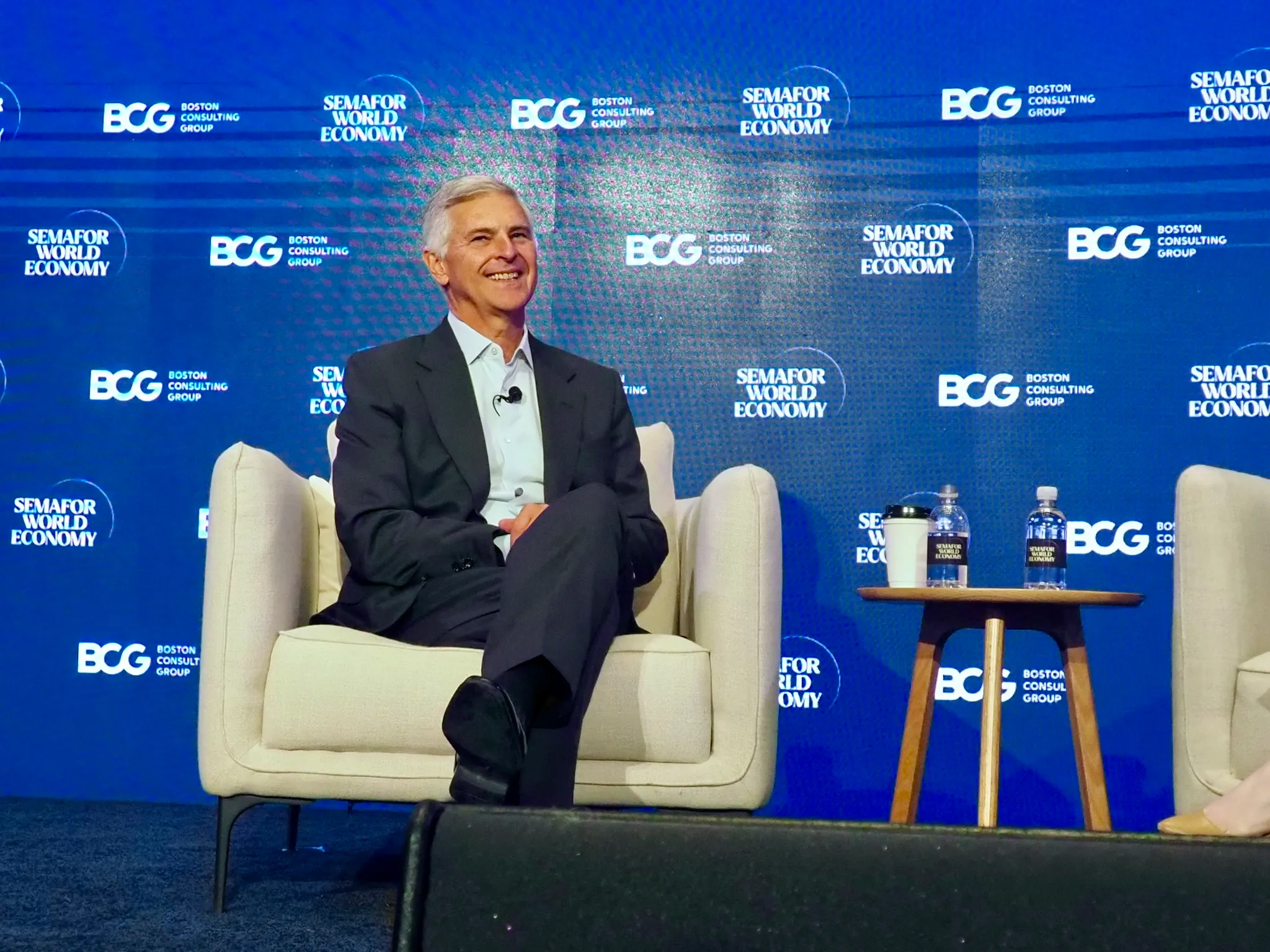
Despite persistent geopolitical instability in the Middle East and recent disappointments in bookings tied to major global sporting events, Hilton President and CEO Chris Nassetta has presented the hotel industry’s most robust forecast for 2026. Nassetta confidently asserted that a projected rebound in U.S. midmarket demand would not only stabilize but significantly propel growth, more than offsetting prevailing headwinds. Speaking at the prestigious Semafor World Economy Summit in Washington, D.C., Nassetta underscored his conviction, stating that the macroeconomic landscape in the United States had improved sufficiently to validate a public prediction he made the previous year. "I still believe that," Nassetta affirmed regarding his earlier forecast that 2026 would surpass 2025 for the entire hotel sector. He added, "Probably more than I did when I said it, because I now have much more hard evidence that things are getting better." Beyond the domestic outlook, Nassetta also offered an optimistic long-term view for the Middle East, predicting a significant rebound and elevated growth for the region within five years.
The Core of Nassetta’s Optimism: The U.S. Midmarket Resurgence
Nassetta’s bullish stance for 2026 hinges primarily on the anticipated resurgence of the U.S. midmarket hotel segment. This category, which includes economy and midscale brands, typically caters to a broad demographic of business travelers, families, and budget-conscious leisure tourists. Unlike the luxury segment, which can be more susceptible to economic downturns or shifts in discretionary spending among high-net-worth individuals, the midmarket often demonstrates greater resilience due to its fundamental utility and value proposition.
Nassetta’s "bet" on the midmarket was first voiced last year, at a time when the broader economic recovery was still navigating inflationary pressures and supply chain disruptions. His current confidence, he explained, stems from tangible improvements in key economic indicators. Observers note that the U.S. economy has shown unexpected strength, with robust job growth, falling unemployment rates, and a gradual moderation of inflation. These factors collectively contribute to increased consumer confidence and disposable income, which are critical drivers for domestic travel.
The "hard evidence" Nassetta referred to likely includes proprietary booking data, forward-looking demand trends, and insights from Hilton’s extensive portfolio of midmarket brands such as Hampton by Hilton, Hilton Garden Inn, and Embassy Suites. These brands are strategically positioned to capture demand from essential business travel, infrastructure projects, and leisure travelers opting for value without compromising on quality. According to recent reports from hospitality analytics firms like STR, the midscale and upper midscale segments have indeed shown consistent RevPAR (Revenue Per Available Room) growth, often outperforming higher-tier segments in specific periods due to their broad appeal and competitive pricing. This trend suggests a shifting consumer preference towards value and efficiency, especially as household budgets remain under scrutiny. The return of small-to-medium enterprise (SME) business travel, often the backbone of midmarket demand, is also a significant factor in this anticipated rebound, filling rooms on weekdays and contributing to stable occupancy rates.
Navigating Current Headwinds: Geopolitics and Event Bookings
While the U.S. midmarket presents a compelling growth narrative, Nassetta acknowledged the significant headwinds currently impacting the global hospitality industry. Foremost among these is the ongoing geopolitical instability in the Middle East. The conflicts and heightened tensions in various parts of the region have led to travel advisories, flight cancellations, and a noticeable dip in both leisure and corporate travel to affected areas. For an industry heavily reliant on cross-border movement and perceived safety, such instability can have immediate and far-reaching consequences on bookings and investor confidence. Airlines adjust routes, insurance premiums rise, and travelers often opt for destinations perceived as more secure, even if geographically distant from conflict zones.
Another challenge cited was the disappointing performance of bookings related to major global sporting events. While the specific event was not named, this observation points to a broader trend where high-profile events, once considered guaranteed demand generators, are sometimes failing to meet elevated booking expectations. This could be due to a combination of factors: oversupply of accommodation built for the event, exorbitant pricing leading to traveler deterrence, or a general saturation of event-driven tourism. The economic impact of such events can be a double-edged sword; while they bring an initial surge, the long-term sustainability and actual financial returns for the hospitality sector can be variable, as evidenced by Nassetta’s remarks. This suggests that the industry might need to recalibrate its reliance on such transient demand spikes and focus more on sustainable, everyday travel.
Broader global economic challenges, though seemingly improving in the U.S., still cast a shadow. High interest rates in many developed economies, persistent although moderating inflation, and a general cautious sentiment among consumers in various international markets continue to temper overall global travel demand. These factors collectively present a complex operating environment that requires astute strategic navigation from global hospitality leaders.
A Deeper Dive into Economic Fundamentals
Nassetta’s optimism is rooted in a robust analysis of underlying economic fundamentals, particularly within the United States. Recent economic data reinforces his perspective:
- GDP Growth: The U.S. economy has consistently outperformed many forecasts, with GDP growth rates surprising economists. This expansion provides a fertile ground for business activity and consumer spending, both directly linked to hotel demand.
- Employment and Wages: The labor market has remained strong, with unemployment rates hovering near historic lows. Coupled with steady wage growth, this translates into greater disposable income for a significant portion of the population, fueling domestic leisure travel and weekend getaways, often to midmarket properties.
- Consumer Confidence: Indices from organizations like the Conference Board and the University of Michigan have shown a gradual but consistent uptick in consumer sentiment. While inflationary concerns persist, the perception of economic stability encourages spending on experiences, including travel.
- Business Travel Recovery: While corporate travel, particularly international, has been slower to fully recover post-pandemic compared to leisure, domestic business travel, especially for meetings, conventions, and project-based work, has seen a significant rebound. This segment is a primary driver for midmarket and upper midmarket hotels, particularly in secondary and tertiary cities. Data from groups like the Global Business Travel Association (GBTA) indicates a strong pipeline for corporate travel in 2024 and 2025, paving the way for 2026.
- STR Data for U.S. Segments: Analytics from STR often highlight that while luxury segments command higher average daily rates (ADR), the midscale and upper midscale segments often achieve superior occupancy rates and, at times, more consistent RevPAR growth due to their broader appeal and competitive positioning. This underscores the segment’s foundational strength in the U.S. market.
The Long-Term Bet: Middle East’s Untapped Potential
Beyond the immediate U.S. outlook, Nassetta articulated a strikingly optimistic long-term vision for the Middle East. He predicted that within five years, the region would not only be "fine" but had the potential to be "even better" than before. A particularly noteworthy aspect of his commentary was the observation that "Iran is in a sort of a different state." This cryptic remark, made without further elaboration, suggests an underlying geopolitical shift that Nassetta believes could lead to greater regional stability and, consequently, enhanced business and tourism prospects. While the exact nature of this "different state" remains open to interpretation, it likely alludes to a potential for de-escalation of regional tensions or a strategic realignment that could unlock new avenues for economic cooperation and travel.
The Middle East has long been a region of strategic importance for global hospitality giants, driven by ambitious government-led tourism diversification initiatives. Countries like Saudi Arabia, the UAE, and Qatar have invested colossal sums in developing world-class infrastructure, entertainment hubs, and cultural attractions. Saudi Arabia’s Vision 2030, with mega-projects like NEOM, the Red Sea Project, and Qiddiya, aims to transform the kingdom into a global tourism powerhouse, attracting 100 million visitors annually by 2030. Similarly, the UAE continues to expand its tourism offerings, leveraging Dubai and Abu Dhabi as global aviation and leisure hubs.
Nassetta’s prediction aligns with broader industry trends that project significant growth for the Middle East and Africa region. Factors contributing to this optimistic outlook include:
- Government Investment: Unprecedented state-backed investment in tourism and hospitality infrastructure.
- Diversification from Oil: A concerted effort by Gulf nations to diversify their economies away from hydrocarbon dependence, with tourism playing a central role.
- Religious Tourism: The perennial strength of religious tourism to Saudi Arabia (Hajj and Umrah) which sees millions of visitors annually.
- Growing Business Hubs: The emergence of cities like Dubai, Riyadh, and Doha as major global business and financial centers attracting corporate travel and MICE (Meetings, Incentives, Conferences, Exhibitions) events.
- Increased Air Connectivity: Continuous expansion of regional airlines and airports, enhancing accessibility.
Hilton, with its strong presence and extensive development pipeline in the Middle East, is strategically positioned to capitalize on this anticipated growth. The company has numerous properties under construction or in planning across the GCC, signaling a firm commitment to the region’s long-term potential.
Industry Reactions and Expert Perspectives
Nassetta’s decidedly bullish forecast, particularly for 2026, resonates with some segments of the industry while others maintain a more cautious outlook. Industry analysts largely concur with the fundamental strength of the U.S. domestic market and the resilience of the midmarket segment. "While Nassetta’s enthusiasm is notably high, the underlying data points towards a robust domestic economy that favors mid-tier hospitality," commented a senior analyst at a leading financial firm, who requested anonymity. "Consumer spending remains strong, and the employment picture is stable, which are foundational for leisure and essential business travel."
Economists, while acknowledging improvements in consumer sentiment and a softening of inflationary pressures in the U.S., often point to persistent global uncertainties. "The global economic landscape remains fragmented," stated Dr. Lena Khan, an economist specializing in international trade. "While the U.S. may be an outlier of strength, persistent high interest rates in Europe, a slower-than-anticipated recovery in China, and geopolitical hotspots could still transmit shocks globally, potentially dampening international travel and investment."
Competitors, while not making direct public statements in response to Nassetta, are likely watching Hilton’s aggressive stance closely. Many major hotel groups, including Marriott, IHG, and Accor, have also expressed cautious optimism about the future, albeit often with more hedged language. The consensus across the sector seems to be that while the immediate future holds challenges, the long-term fundamentals of travel and hospitality remain strong, especially in markets driven by domestic demand and strategic governmental investment.
On the Middle East outlook, Nassetta’s comments on Iran were particularly noted. While the precise implications are debated, market commentators suggest that any perceived easing of regional tensions or a shift in diplomatic postures could significantly boost investor confidence and tourism flows. "The Middle East has always been a region of immense potential, but also of significant volatility," remarked a geopolitical risk consultant. "If there’s indeed a fundamental shift in regional dynamics, particularly concerning Iran, it could unlock a new era of stability and prosperity that would undoubtedly benefit sectors like hospitality."
Strategic Implications for Hilton and the Broader Industry
Nassetta’s forecast has significant strategic implications, not only for Hilton but for the entire hospitality ecosystem. For Hilton, it signals a continued focus on expanding its midmarket and upper midmarket brands, which offer attractive returns for franchisees and cater to a resilient demand base. It also reinforces the company’s aggressive expansion plans in the Middle East, leveraging its established presence and pipeline to capture future growth. This strategy could involve more targeted development in emerging tourism hubs within the region and a focus on adapting offerings to local cultural nuances and traveler preferences.
For investors, Nassetta’s confidence provides a strong signal about the sector’s recovery trajectory and potential for sustained growth, particularly in specific market segments and geographies. It might encourage further investment in hotel real estate and development, especially in the U.S. midmarket and the strategically important Middle East. Developers will likely respond by accelerating projects in these high-potential areas.
For travelers, a buoyant midmarket in the U.S. could translate into more competitive pricing and a wider array of quality accommodation options, enhancing the overall travel experience. In the Middle East, the anticipated growth implies an even richer tapestry of tourism offerings, from luxury resorts to cultural experiences, catering to a diverse global clientele. The industry’s ability to adapt to evolving consumer preferences, integrate sustainable practices, and leverage technological advancements in booking, guest services, and operational efficiency will be crucial in realizing these optimistic forecasts.
In conclusion, Chris Nassetta’s assertive outlook for 2026 and beyond paints a picture of a resilient and adaptable hospitality industry. While acknowledging immediate challenges from geopolitical tensions and event-related booking volatility, his unwavering confidence in the U.S. midmarket’s ability to drive domestic growth, coupled with a long-term vision for a thriving Middle East, positions Hilton at the forefront of an anticipated global recovery. His remarks at the Semafor World Economy Summit serve as a powerful testament to the enduring appeal of travel and the strategic foresight required to navigate its complex future.



 Anjar Salim
 Chandra Hamzah
 Budi Mulyono
 Lukman Taruna Persada Ramadan
