
 Tatiana Tantri Indah Sari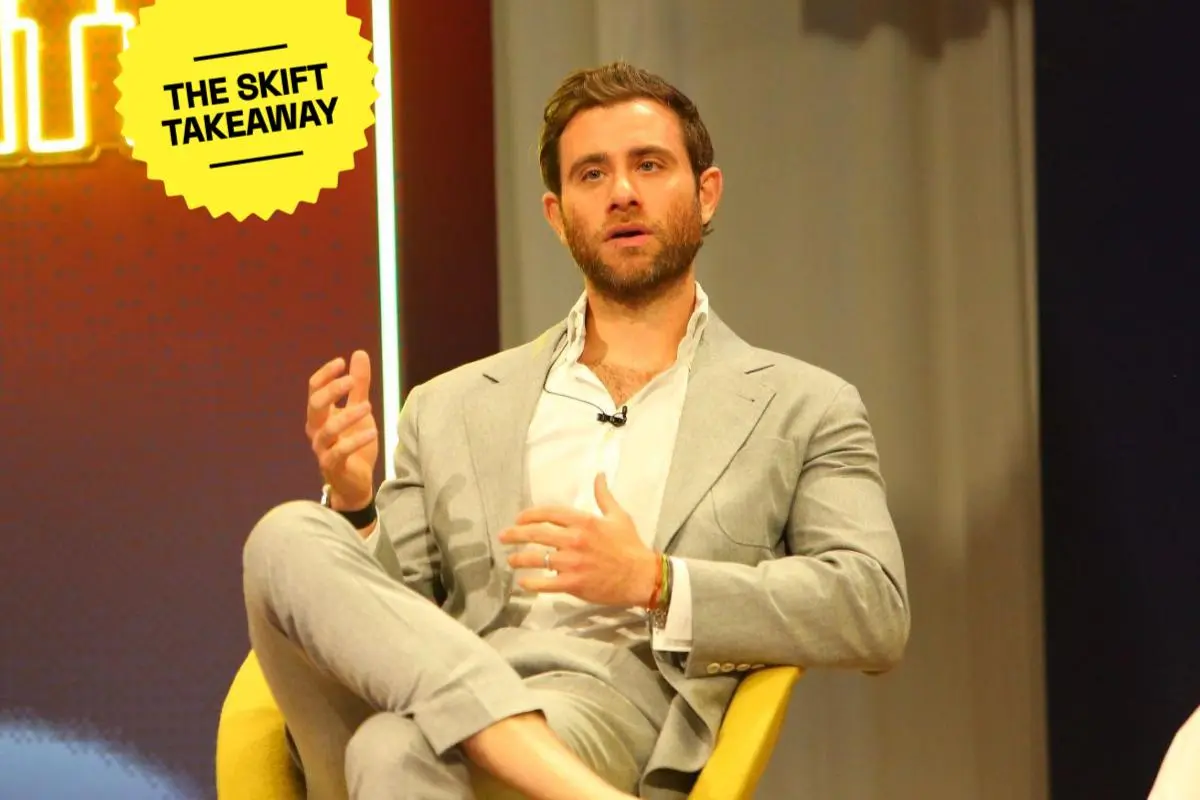
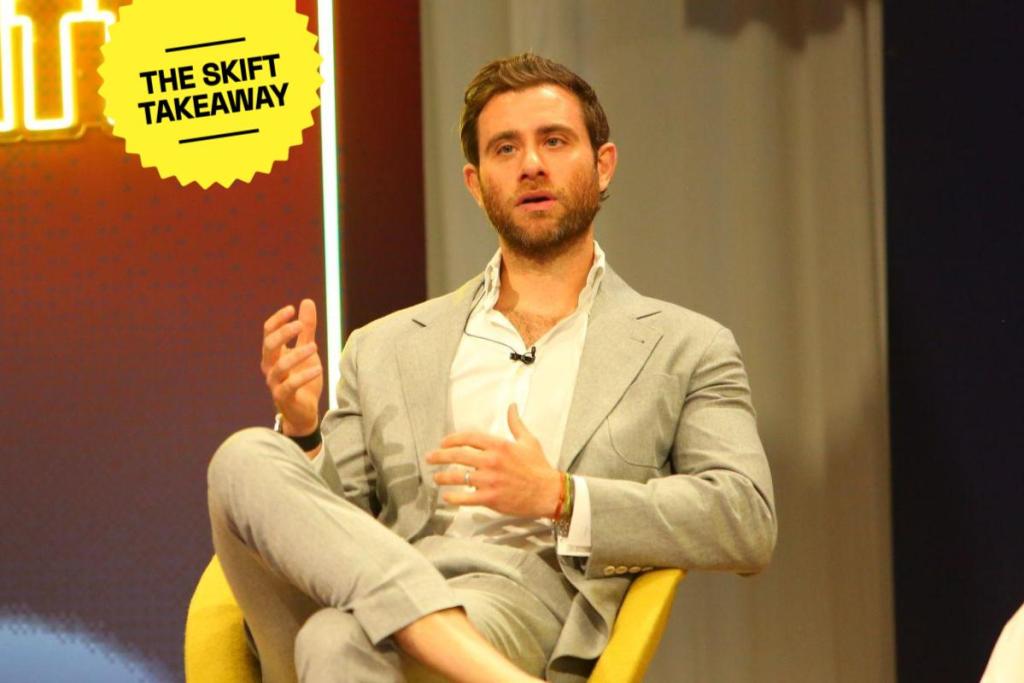
The rapidly evolving landscape of artificial intelligence (AI) has introduced profound shifts across numerous industries, with the travel and hospitality sector standing at a critical juncture. The recent Skift Data + AI Summit 2026, a premier gathering for travel industry leaders, technologists, and innovators, served as a crucial platform to address these transformations. Among the most pressing topics was the intricate challenge hotels face in maintaining visibility and driving bookings within an increasingly AI-dominated search environment. Nick Slavin, CEO and Co-Founder of Curacity, delivered a keynote address moderated by Skift President Carolyn Kremins, shedding light on the urgent need for hoteliers to adapt their strategies, not merely for marketing, but as a fundamental commercial imperative.
The AI Revolution and the Travel Search Paradigm Shift
The advent of sophisticated generative AI has fundamentally altered how consumers discover, research, and plan their travel. Historically, the journey involved multiple touchpoints: traditional search engines, online travel agencies (OTAs), review sites, and direct hotel websites. With AI search, the process is streamlined, often providing direct, synthesized answers that bypass intermediaries. This shift represents a significant paradigm change, moving from a link-based search ecosystem to a direct-answer environment. According to recent industry projections, AI-powered search is anticipated to account for over 40% of initial travel inquiries by late 2025, a dramatic increase from negligible figures just a few years prior. This acceleration underscores the urgency for hotels to understand and master this new domain.
The Skift Data + AI Summit 2026, held against this backdrop of rapid technological advancement, brought together a diverse group of stakeholders, from major hotel chains and airlines to burgeoning tech startups and data analytics firms. The summit’s core mission was to explore how data science and AI could unlock new efficiencies, personalize customer experiences, and foster sustainable growth within the travel industry. Slavin’s presentation was particularly resonant, as it highlighted a tangible, immediate threat to revenue generation that many hoteliers are only beginning to grasp.
The Alarming Visibility Gap: A Commercial Problem
Slavin’s central argument was stark: in an AI search world, a hotel either appears in the synthesized results, or it doesn’t exist for that particular consumer query. He cited alarming research indicating that a mere 6% of hotels currently manage to surface in AI-generated travel itineraries or recommendations. This isn’t merely a marketing hurdle; it’s a profound commercial problem that directly impacts occupancy rates and revenue streams. If a hotel cannot be discovered by AI algorithms, it effectively becomes invisible to a growing segment of the traveling public.
The traditional levers of search engine optimization (SEO), while still relevant, are proving insufficient for AI search. AI models prioritize contextual relevance, semantic understanding, and a holistic view of user intent, often drawing information from a vast array of sources beyond mere keywords. This means that hotels need to move beyond optimizing for search engine crawlers and instead focus on providing rich, structured data and compelling content that AI can readily digest, understand, and present as a definitive answer.
Understanding the Multifaceted AI-First Traveler
Another critical insight presented by Slavin was the recognition that the "AI-search consumer is not a monolith." Traveler behavior, motivations, and priorities vary significantly, and AI search tools are becoming increasingly sophisticated at discerning these nuances. For instance, budget-conscious travelers predominantly use AI to price-compare, seeking the most economical options that meet basic criteria. Their queries might focus on "cheapest hotels near [landmark]" or "deals on hotels in [city] next month." For these travelers, AI’s ability to quickly aggregate and compare prices from multiple sources is invaluable.
Conversely, luxury travelers, often characterized as "purely experiential," leverage AI for highly personalized recommendations tailored to specific desires. Their queries might be more nuanced, such as "boutique hotels with Michelin-star dining and a rooftop pool in Paris for a romantic getaway" or "wellness retreats offering bespoke spa treatments and private yoga sessions in Bali." For this segment, AI’s capacity to synthesize qualitative data, reviews, and detailed amenity descriptions into a cohesive experiential recommendation is paramount. Business travelers, family vacationers, and adventure seekers each present their own distinct set of needs, driving varied interactions with AI search. Hotels must, therefore, cultivate a multifaceted digital presence, ensuring their unique selling propositions are articulated in a way that resonates with these diverse AI-driven queries.
The Attribution Conundrum: Bridging the Upper-Funnel Gap
Perhaps the biggest and most complex challenge highlighted by Slavin is the issue of attribution in an AI-first world. The traveler decision-making process is inherently complex and often protracted, beginning weeks, if not months, before an active search for a booking. During this "upper-funnel" phase, consumers are influenced by a wide array of content: travel blogs, social media posts, destination guides, video reviews, and even casual conversations. These early touchpoints shape preferences and narrow down choices long before a user types "book hotel" into an AI search bar.
However, the prevailing industry standard, the "last-click attribution" model, disproportionately awards credit to the final interaction before a booking, which is often an OTA or the hotel’s direct booking engine. This model fails to account for the substantial influence of upper-funnel content that nurtured the traveler’s initial interest and guided their decision-making process. As AI search further compresses the booking funnel, often delivering direct answers that bypass multiple exploratory steps, this attribution gap is exacerbated. Traditional measurement tools struggle to quantify the impact of AI-generated recommendations, leaving hoteliers in the dark about which early-stage content or AI visibility efforts are truly driving conversions. Slavin underscored that this lack of clear attribution hinders strategic investment, as hotels cannot confidently allocate resources to activities whose impact remains unmeasurable.
Curacity’s Pioneering Approach: Deterministic Matching for Upper-Funnel Impact
This critical attribution gap is precisely the problem Curacity was founded to solve. Curacity’s core model employs deterministic matching to link upper-funnel content consumption directly to a subsequent booking. Unlike probabilistic models that rely on statistical likelihoods or cookie-based tracking (which are increasingly limited by privacy regulations), deterministic matching uses anonymized, unique identifiers to accurately connect an individual’s engagement with specific content to their eventual booking action.
This technology allows Curacity to track a user’s journey from their initial exposure to travel content – whether it’s an article on a luxury travel blog featuring a specific resort, a destination guide showcasing a boutique hotel, or an AI-generated summary that includes a property – all the way through to a confirmed reservation. By doing so, Curacity provides hoteliers with concrete, verifiable data on the return on investment (ROI) of their content marketing and AI visibility efforts. This level of granularity enables hotels to understand which types of content, on which platforms, are most effective at influencing purchase decisions in the early stages of the travel planning cycle.
The implications of deterministic matching are profound. It empowers hoteliers to move beyond speculative content strategies and instead invest strategically in content that demonstrably drives bookings. For example, if data reveals that articles highlighting a hotel’s sustainability initiatives or unique cultural experiences are consistently leading to conversions weeks later, the hotel can then prioritize creating more such content and ensuring its optimal visibility for AI queries.
Strategic Imperatives for Hoteliers in the AI Era
As AI search continues to cut out traditional intermediaries, the premium on accurate booking attribution has never been higher. The last-click model, by its very nature, often hands credit to OTAs or the direct booking channel, overlooking the crucial influence of upstream discovery. Even the most advanced Large Language Models (LLMs) powering AI search currently lack the inherent capability to prove this nuanced influence over the entire decision-making journey.
Slavin’s "So What" takeaway was clear and actionable: the hotelier’s decision today must revolve around two critical pillars:
- Fund AI Visibility Now: Proactive investment in optimizing for AI search is no longer optional. This involves creating rich, structured data about properties, experiences, and amenities that AI can easily interpret. It also means developing high-quality, engaging content that addresses the diverse needs of different traveler segments, ensuring this content is accessible and discoverable by AI algorithms. This could include detailed FAQs, immersive virtual tours, comprehensive destination guides, and authentic storytelling that highlights unique property attributes.
- Demand Deterministic Proof of Conversion: Hoteliers must insist on robust, verifiable attribution models that go beyond last-click. Tools like Curacity’s deterministic matching provide the necessary transparency to justify marketing spend and refine strategies. Without this proof, investments in upper-funnel content and AI visibility risk becoming black holes, making it impossible to demonstrate ROI and optimize future efforts.
The Broader Landscape: OTAs, Direct Bookings, and Competition
The rise of AI search is also reshaping the competitive dynamics between hotels and Online Travel Agencies (OTAs). While OTAs have historically dominated the last-click attribution model and often controlled a significant portion of the booking funnel, AI’s ability to provide direct answers and aggregate information from various sources could potentially diminish their gatekeeper role. If a traveler can ask an AI, "What are the best luxury hotels in Rome with a spa, near the Colosseum, under $500 a night?" and receive direct recommendations, the need to navigate multiple OTA sites might decrease.
This presents both a challenge and an opportunity for hotels. The challenge lies in ensuring their direct channels and content are sufficiently robust to be discovered and prioritized by AI. The opportunity, however, is immense: AI could facilitate a more direct relationship between hotels and guests, potentially reducing reliance on costly OTA commissions. This would necessitate increased investment in direct booking technologies, CRM systems, and personalized direct marketing campaigns, all informed by advanced data analytics and AI insights.
Furthermore, the competitive landscape will intensify not just between hotels and OTAs, but among hotels themselves. Properties that are agile in adopting AI-first strategies, investing in data infrastructure, and leveraging deterministic attribution will gain a significant advantage. Those that lag will find themselves increasingly invisible and struggling to compete for bookings in a crowded digital marketplace.
Future Outlook and Ongoing Challenges
Looking ahead, the evolution of AI in travel is expected to continue at a rapid pace. We can anticipate more sophisticated AI personal assistants, hyper-personalized itinerary generation, and even AI-driven dynamic pricing and inventory management. The ethical implications of AI, including data privacy, algorithmic bias, and transparency, will also remain critical considerations for the industry. Hoteliers will need to navigate these complexities, ensuring their AI strategies are not only effective but also responsible and trustworthy.
The journey towards full AI integration in travel is ongoing, but Slavin’s presentation at the Skift Data + AI Summit 2026 served as a crucial wake-up call. The ability of hotels to stay visible and drive bookings in an AI-first world hinges on their willingness to embrace innovative attribution models, invest strategically in AI-optimized content, and understand the nuanced behaviors of the AI-powered traveler. The future of hotel commercial success will undeniably be shaped by their proactive engagement with these transformative technologies.




 Chandra Hamzah
 Budi Mulyono
 Anjar Salim
