
 Gabriela Annisa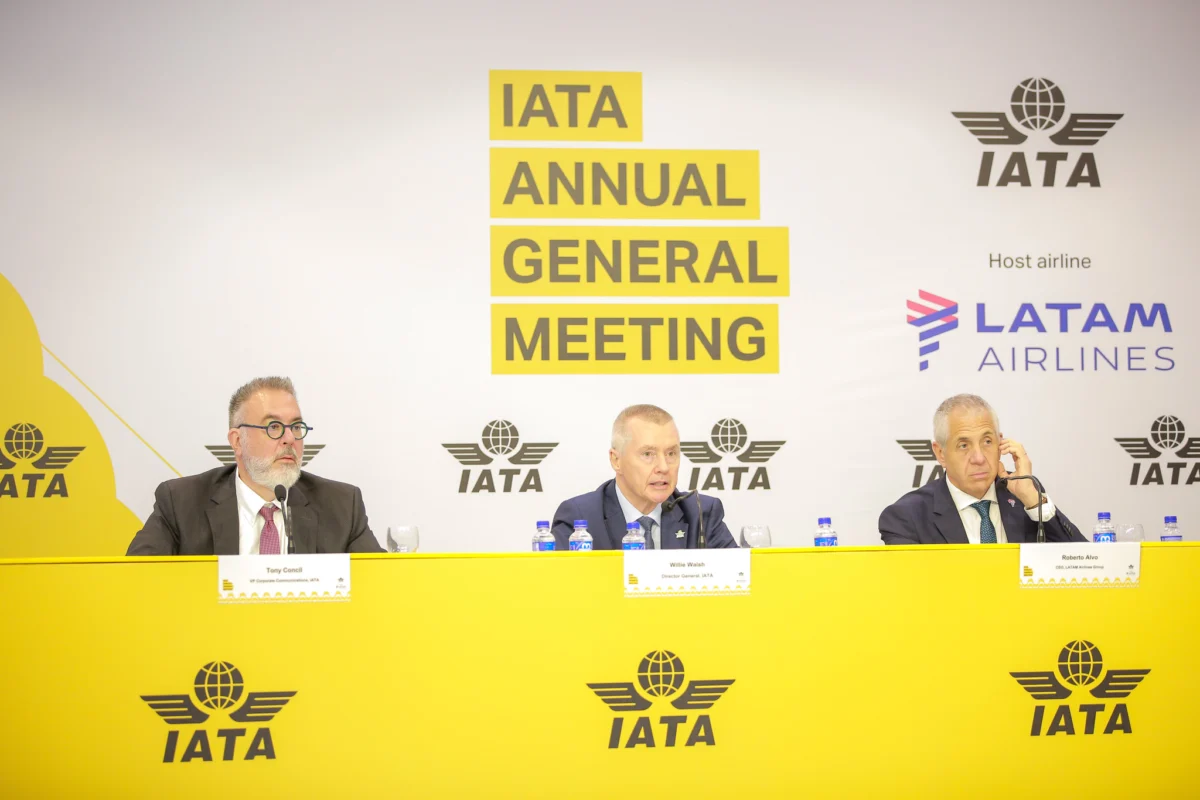
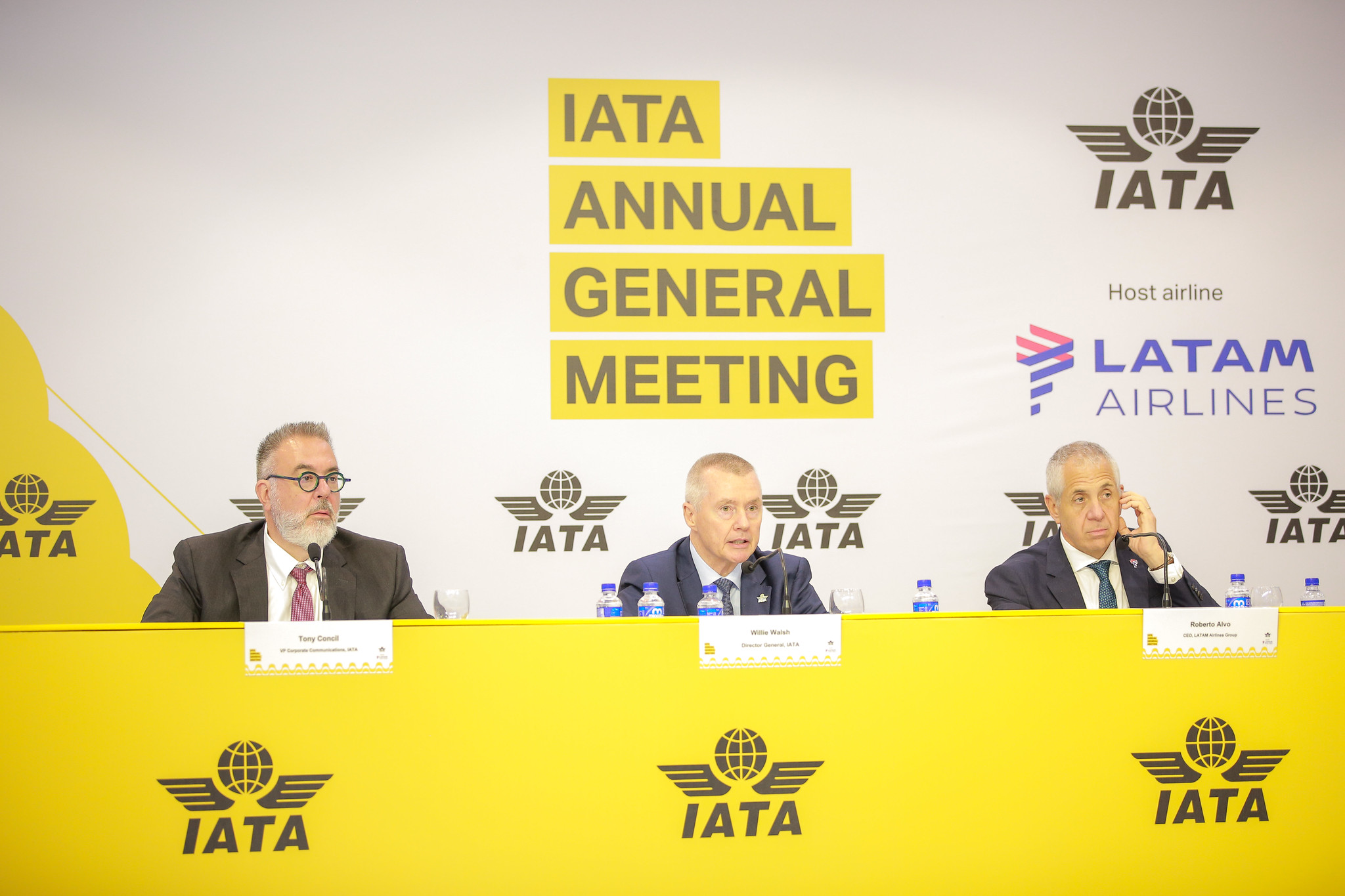
The 79th Annual General Meeting (AGM) of the International Air Transport Association (IATA), hosted in Rio de Janeiro, Brazil, concluded on June 11th, 2026, drawing together leaders from across the global airline industry to deliberate on the sector’s most pressing issues. The event, a crucial annual forum for aviation executives, policymakers, and stakeholders, served as a platform for strategic discussions on sustainability, profitability, technological advancements, and regulatory frameworks. Amidst the global agenda, the host nation, Brazil, became a focal point for analysis, with experts scrutinizing its unique aviation landscape characterized by its immense market potential yet significant consolidation. Gordon Smith and Jay Shabat, prominent analysts from Airline Weekly, provided an in-depth debrief from Rio, underscoring how Brazil’s market structure profoundly influences everything from passenger pricing to competitive dynamics within one of the world’s largest air travel economies.
The IATA AGM 2026 in Rio: A Global Conclave on Aviation’s Future
The choice of Rio de Janeiro as the host city for the 2026 IATA AGM was highly symbolic, reflecting IATA’s strategic emphasis on emerging markets and the burgeoning potential of Latin American aviation. Over three days, the meeting brought together hundreds of CEOs, senior executives, and government officials from IATA’s 300 member airlines, representing over 80% of global air traffic. The agenda was comprehensive, tackling multifaceted challenges and opportunities facing the industry as it navigates a complex post-pandemic recovery and a rapidly evolving global economic and environmental landscape.
Key themes dominating the discussions included the industry’s ambitious net-zero carbon emissions target by 2050, with significant focus placed on the acceleration of Sustainable Aviation Fuel (SAF) production and adoption. Delegates reviewed progress on SAF initiatives, noting that while uptake was increasing, production volumes remained a critical bottleneck. IATA Director General Willie Walsh, in his opening address, reiterated the industry’s unwavering commitment to decarbonization, urging governments to implement supportive policies, including tax incentives and research and development funding, to scale up SAF infrastructure and production capabilities. "Our commitment to a sustainable future is not just aspirational; it is foundational," Walsh stated. "But achieving it requires a united front – industry, governments, and energy partners – working in concert to transform our fuel supply chain."
Another prominent topic was the imperative for enhanced profitability and financial resilience. After years of volatile performance, exacerbated by the global health crisis, airlines are striving to secure stable returns amidst persistent inflationary pressures, fluctuating fuel prices, and significant capital expenditure requirements for fleet modernization and sustainable technologies. Discussions revolved around optimizing operational efficiencies, managing labor costs, and leveraging digital transformation to improve passenger experience and ancillary revenue streams. The rising cost of air traffic control services and the need for global harmonization of airspace management were also high on the agenda, with several European and North American carriers expressing concerns over inefficiencies contributing to delays and increased fuel burn.
Technological innovation, particularly in areas like artificial intelligence (AI) for operational optimization, predictive maintenance, and personalized customer services, also featured prominently. Cybersecurity threats, a growing concern for an increasingly digitalized industry, led to calls for strengthened international cooperation and information sharing protocols. Furthermore, regulatory alignment, particularly regarding passenger rights, data privacy, and competition, was a recurring theme, with IATA advocating for a balanced regulatory environment that fosters innovation without stifling growth.
Decoding Brazil’s Aviation Landscape: A Market of Contrasts
Against this global backdrop, the IATA AGM provided a unique opportunity to delve into the intricacies of Brazil’s domestic aviation market. As the fifth-largest country by land area and seventh by population, Brazil presents an enormous natural demand for air travel, connecting its vast geographical expanse and vibrant economic hubs. However, the market structure has evolved into one of the most consolidated globally, a trend that significantly shapes its operational dynamics and consumer experience.
Historically, Brazil’s aviation sector has experienced periods of rapid growth interspersed with significant turbulence, including economic downturns, currency devaluations, and the collapse of several major carriers. This tumultuous history has contributed to the current landscape dominated by three primary airlines: LATAM Airlines Brasil, GOL Linhas Aéreas Inteligentes, and Azul S.A. While these carriers compete vigorously, their collective market share is exceptionally high, limiting the scope for new entrants and shaping pricing strategies across the country.
LATAM Airlines Brasil, part of the larger LATAM Airlines Group, maintains a strong presence, leveraging its extensive international network and significant domestic capacity. GOL, traditionally known for its low-cost model, has carved out a substantial share through efficient operations and a focus on key routes. Azul, meanwhile, has differentiated itself by prioritizing regional connectivity, serving a broader array of smaller cities often underserved by its larger competitors. This segmentation, while providing some choice, still operates within a highly concentrated framework.
Data from the Brazilian National Civil Aviation Agency (ANAC) for 2025 indicated that these three carriers collectively accounted for over 95% of domestic passenger traffic. This level of concentration is significantly higher than in many other large global aviation markets, such as the United States or Europe, where a larger number of medium-sized and low-cost carriers contribute to a more fragmented competitive environment. For instance, while the U.S. market also has major players, the collective market share of the top three or four airlines typically hovers around 70-80%, with numerous smaller airlines and ultra-low-cost carriers providing alternative options.
The Economic Implications of Market Consolidation in Brazil
The high degree of consolidation in Brazil’s aviation market carries profound economic implications, influencing everything from airfare pricing to route development and the overall competitive environment.
- Pricing Power and Airfares: With fewer major players, airlines often possess greater pricing power. This can lead to higher average airfares compared to markets with more robust competition. Consumers in Brazil frequently face elevated ticket prices, particularly on popular routes or during peak travel seasons, as the limited number of carriers can more easily coordinate pricing or respond to competitive moves without the intense downward pressure seen in more fragmented markets. While the airlines contend that pricing reflects operational costs, including high fuel prices, taxes, and infrastructure fees, analysts suggest that consolidation removes a critical incentive for aggressive price competition.
- Reduced Consumer Choice: Consolidation inherently limits the number of options available to passengers in terms of airlines, flight times, and service offerings. This can result in less innovation in service quality and product differentiation, as the impetus to attract customers through superior offerings is somewhat diminished when alternatives are scarce.
- Barriers to Entry: The established dominance of LATAM, GOL, and Azul creates significant barriers for potential new entrants. These incumbents benefit from economies of scale, established brand recognition, extensive route networks, and preferential access to airport slots and infrastructure. A new airline would require substantial capital, face an uphill battle to gain market share, and contend with the aggressive responses of entrenched players, making entry extremely challenging and risky.
- Impact on Regional Connectivity: While Azul has focused on regional routes, overall market consolidation can sometimes lead to a focus on the most profitable, high-density corridors, potentially leaving smaller, less lucrative cities underserved. This can have significant implications for regional economic development, tourism, and access to essential services for populations outside major urban centers. Government subsidies or incentives are often required to maintain service to these vital regional links.
- Profitability vs. Public Interest: From the perspective of the airlines, consolidation can lead to greater operational efficiency and enhanced profitability, allowing for investments in fleet modernization and service improvements. However, this private benefit must be balanced against the public interest in competitive pricing, broad connectivity, and consumer welfare.
Regulatory Oversight and Future Outlook for Brazilian Aviation
Brazil’s National Civil Aviation Agency (ANAC) plays a critical role in overseeing the market, aiming to ensure safety, promote competition, and protect consumer rights. ANAC’s challenge lies in balancing the need for a financially healthy airline sector with the imperative to prevent anti-competitive practices. The agency has historically intervened in cases of mergers and acquisitions, but the existing structure is largely a result of organic growth and the natural selection of a challenging market environment.
In response to concerns about high airfares and limited competition, the Brazilian government has explored various initiatives. These include discussions around further opening the market to foreign investment, simplifying regulatory processes for new airlines, and investing in airport infrastructure to alleviate congestion and increase capacity, thereby potentially creating opportunities for new players. There have also been proposals to reduce the tax burden on aviation fuel, a significant operational cost for carriers, which could theoretically be passed on to consumers as lower fares or free up capital for expansion.
However, any significant shift in market dynamics is likely to be gradual. The existing carriers have robust business models adapted to the Brazilian context. Any new entrant would need a compelling value proposition and substantial backing to challenge the established order. Furthermore, Brazil’s economic stability, or lack thereof, remains a critical factor. Economic downturns can severely impact discretionary spending on air travel, making the market less attractive for new investment.
During the IATA AGM debrief, Gordon Smith remarked, "Brazil is a fascinating paradox. It’s a market that screams potential due to its sheer size, but its consolidated nature creates a very specific set of challenges for both airlines and consumers. The question isn’t just about how many airlines operate, but how effectively they serve the entire populace and at what price." Jay Shabat added, "The ANAC’s role becomes even more crucial in such a concentrated environment. Their ability to foster a competitive yet stable market will dictate the future trajectory of Brazilian air travel."
Global Perspectives and Key Takeaways from the AGM
The discussions surrounding Brazil’s aviation market resonated with broader themes debated at the IATA AGM. Many countries, particularly in developing regions, grapple with balancing airline profitability with the need for extensive, affordable air connectivity. The challenges of infrastructure development, high operational costs, and the complexities of regulatory frameworks are not unique to Brazil but are amplified within its specific market structure.
Globally, the industry is projected to return to sustained profitability in 2026, though margins remain tight. IATA’s latest financial outlook, presented at the AGM, forecast global airline net profit to reach approximately $30 billion for the year, driven by strong passenger demand and continued cost management. However, this figure represents a thin 3.2% net profit margin, underscoring the industry’s vulnerability to external shocks and the ongoing need for efficiency gains.
The imperative for sustainable aviation was a unifying message across all sessions. Beyond SAF, the AGM explored advancements in electric and hydrogen propulsion for shorter-haul flights, as well as operational efficiencies like optimized flight paths and single-engine taxiing. The industry recognized that achieving net-zero by 2050 requires a portfolio of solutions, with SAF being the most immediate and impactful lever.
Another significant takeaway was the call for greater collaboration between airlines and governments to address persistent infrastructure bottlenecks. Airports globally are struggling to keep pace with demand growth, leading to congestion and operational inefficiencies. The need for modernized Air Traffic Management (ATM) systems was also emphasized, particularly in regions where outdated technology contributes to delays and increased emissions.
The Way Forward for Brazilian Aviation
For Brazil, the insights gleaned from the IATA AGM, combined with a focused examination of its domestic market, paint a picture of an industry at a crossroads. The existing consolidated structure provides a degree of stability and allows the major carriers to make significant investments. However, it also raises questions about affordability, access, and the overall competitiveness necessary for a dynamic economy.
Future developments in Brazilian aviation will likely hinge on several factors:
- Regulatory Evolution: ANAC’s ability to implement policies that encourage fair competition, potentially through incentives for new entrants or stricter oversight of pricing practices, will be crucial.
- Infrastructure Investment: Continued investment in airport modernization, capacity expansion, and air traffic control technology is vital to support growth and improve operational efficiency.
- Economic Stability: A stable macroeconomic environment will be essential to foster consumer confidence and attract further investment into the aviation sector.
- Sustainability Integration: Brazilian airlines, like their global counterparts, must accelerate their adoption of sustainable practices, including SAF utilization, to align with international environmental standards and secure long-term viability.
The IATA AGM in Rio de Janeiro not only provided a global platform for addressing the airline industry’s most pressing challenges but also cast a revealing light on the unique complexities of its host nation’s aviation market. The insights shared by Gordon Smith and Jay Shabat underscored that while Brazil holds immense promise as an aviation powerhouse, its path forward must carefully navigate the inherent tension between market consolidation and the broader goals of competitive pricing, widespread accessibility, and sustainable growth for its millions of potential air travelers. The lessons learned in Rio will undoubtedly inform future strategies for both local and international stakeholders aiming to unlock the full potential of this vital sector.

 Chandra Hamzah
 Tatiana Tantri Indah Sari
 Hendra Ismail
 Walid Sujud Trenggono
 Budi Mulyono