Gabriela Annisa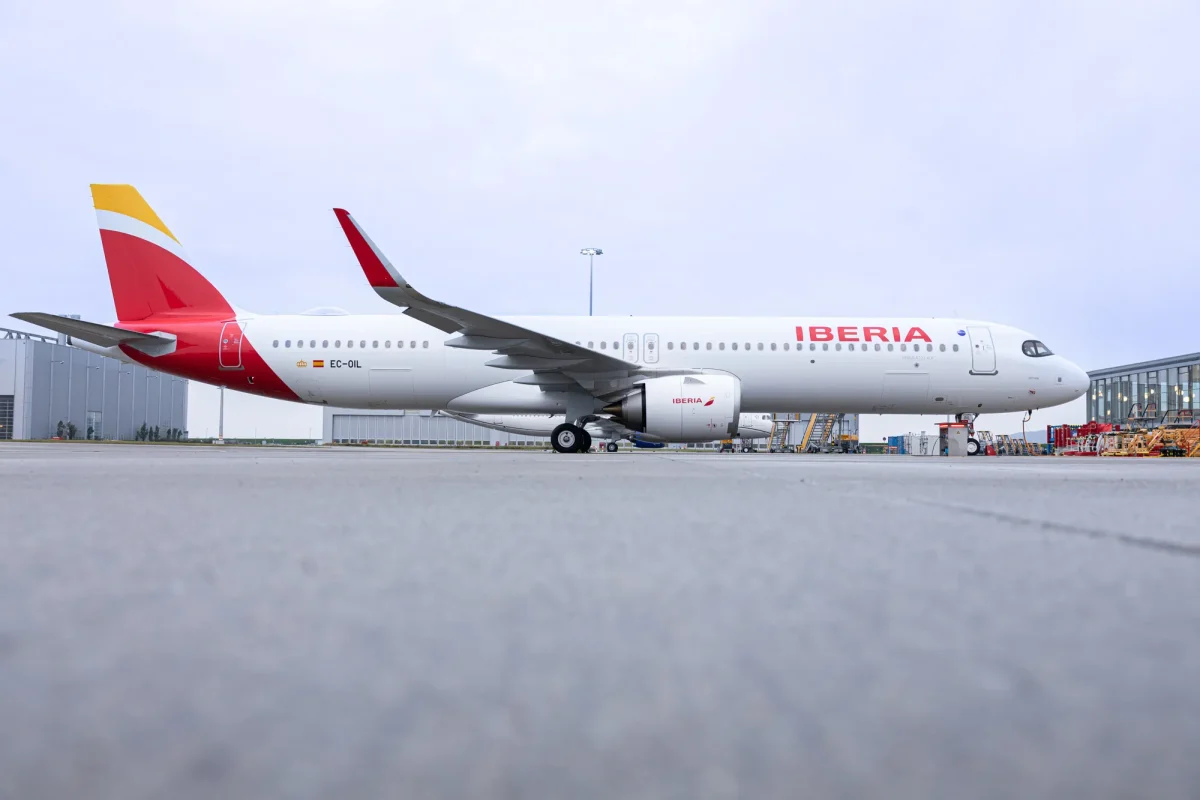
Iberia, Spain’s flag carrier, has achieved a remarkable turnaround, positioning itself as one of the world’s most profitable airlines with an operating margin that now rivals the industry-leading low-cost giant Ryanair. Reporting a 16.4% operating margin in 2025, Iberia’s financial performance stands in stark contrast to its struggles a little over a decade ago, completing a dramatic transformation from a state of near-dysfunction. Simultaneously, Singapore Airlines (SIA) has demonstrated robust core performance, benefiting from shifting global air traffic patterns, but continues to grapple with the significant financial drag from its strategic 25% equity investment in India’s revitalized but still loss-making Air India.
Iberia: A Decade-Long Transformation to Top-Tier Profitability
The story of Iberia’s resurgence is a compelling narrative of strategic overhaul and disciplined execution. Just over a decade ago, in 2012, the airline was mired in deep financial trouble, posting a negative 7% operating margin. This period followed its merger with British Airways in 2011, which led to the formation of International Airlines Group (IAG). At the time, Iberia was widely considered a laggard, often mentioned in the same breath as other perennially troubled carriers like Alitalia or Aerolíneas Argentinas, characterized by high operating costs, an aging and fuel-inefficient fleet, and a deeply entrenched culture of overstaffing.
Spain’s economy was also reeling from a severe housing crisis, further exacerbating the airline’s woes as domestic and outbound travel demand softened. The competitive landscape was brutal, with aggressive low-cost carriers (LCCs) like Ryanair relentlessly expanding their footprint in Spain, chipping away at Iberia’s market share on short-haul and even some medium-haul routes. The airline’s fleet, heavily reliant on four-engined Airbus A340s for long-haul operations, was a significant drain on profitability due to high fuel consumption. Furthermore, its sales and distribution systems were outdated, and its brand perception was suffering.
The catalyst for change arrived with the appointment of Luis Gallego as CEO. Gallego, who would later ascend to lead the entire IAG group, initiated an aggressive and comprehensive restructuring program. His tenure was marked by stringent cost-cutting measures, often leading to contentious battles with labor unions and resulting in strikes and widespread unrest. Simultaneously, Gallego oversaw a critical route rationalization effort, streamlining Iberia’s network to focus on more profitable segments and eliminate underperforming routes. A cornerstone of his strategy was a radical fleet modernization program. The gas-guzzling A340s were progressively phased out and replaced by more fuel-efficient, twin-engine aircraft, primarily Airbus A350s and A330s. This refleeting significantly reduced operational costs and improved environmental performance.
Beyond internal reforms, IAG’s broader strategy also played a role. The launch of Iberia Express, a lower-cost subsidiary designed to compete more effectively on short- and medium-haul routes, provided a crucial shield against LCC encroachment. Later, IAG’s acquisition of Vueling, another Spanish low-cost carrier, further strengthened the group’s presence in the leisure and short-haul markets.
The financial impact of these reforms was swift and sustained. Iberia returned to profitability by 2014, a mere two years after its deep losses. By 2019, its operating margin had climbed to 9%, already signifying a remarkable turnaround. However, the true extent of its transformation became evident in the post-pandemic recovery. In 2023 and 2024, Iberia maintained a strong 14% operating margin, a level that surpassed its pre-pandemic performance. The airline then achieved a stunning 16.4% operating margin in 2025, almost perfectly matching Ryanair’s 16.7% for the same period, solidifying its position as one of Europe’s, and indeed the world’s, most profitable network airlines. Even during the traditionally weaker winter quarter (Q1), Iberia posted an exceptional 9% margin, highlighting its newfound resilience and operational efficiency.
Strategic Tailwinds: Madrid Hub and Macroeconomic Advantages
Iberia’s success is not solely attributable to internal reforms; it has also skillfully leveraged favorable external conditions. Madrid-Barajas Airport (MAD), Iberia’s primary hub, stands out among major Western European airports for its significant growth capacity. Unlike slot-constrained hubs such as London Heathrow, Madrid offers ample room for expansion, a factor that was a key driver for British Airways when it pursued the merger with Iberia. This capacity allows Iberia to grow its network and frequencies without facing the same infrastructural bottlenecks as its European rivals.
Furthermore, Spain’s economy has emerged as a star performer in Europe. While many European nations experienced modest growth, Spain’s GDP expanded significantly faster, estimated at roughly 2.5-3% last year, compared to a European average closer to 1%. A major contributor to this economic buoyancy is Spain’s booming tourism industry. The surge in international travel, particularly from high-spending North American tourists, has channeled substantial demand into Spanish destinations, directly benefiting Iberia. The recent geopolitical instability in the Middle East has also, anecdotally and demonstrably, redirected some tourism flows from destinations like Dubai, Turkey, and Greece towards Western Europe, further bolstering Spain’s appeal.
The extended shoulder seasons for tourism, where retirees and empty-nesters with flexible travel schedules opt for off-peak trips in March, April, September, and October, have also allowed Iberia to command robust yields outside the traditional summer peak, optimizing aircraft utilization year-round. Beyond tourism, Spain has experienced a significant influx of immigration, particularly from Latin America. This demographic shift has boosted the country’s labor force and, consequently, its GDP, while also generating substantial VFR (Visiting Friends and Relatives) traffic for Iberia, especially on its lucrative transatlantic routes.
Latin American Dominance and Future Growth
Iberia has long maintained a dominant position in the Europe-Latin America market, currently holding an estimated 18-20% market share. This region has proven to be an incredibly strong and consistent performer for the airline, particularly in the post-pandemic era. Despite economic volatilities in individual Latin American countries, Iberia’s diversified network across the continent has allowed it to mitigate risks and capitalize on overall strong demand. The increasing immigration from Latin America to Spain has further solidified this network, turning what might once have been considered a liability into a strategic asset. IAG’s internal mantra of "Madrid is the new Miami" encapsulates this focus on connecting the Americas with Europe via its Spanish hub.
The airline has strategically configured its modern Airbus A350 fleet, featuring densely packed economy cabins to cater to volume traffic, while simultaneously excelling at monetizing its premium cabins. Data from a recent investor presentation highlighted a staggering 30% growth in premium traffic (business class and premium economy) between 2019 and the present, underscoring the success of this dual-class strategy.
Looking ahead, Iberia is leveraging its new Airbus A321XLR aircraft to expand its transatlantic footprint. These narrow-body, long-range jets are enabling the airline to open new routes to the Eastern Seaboard of the United States, including destinations like Boston, Washington, and the recently launched Newark service. Crucially, the XLRs also facilitate expansion into new Brazilian markets, allowing Iberia to directly compete with TAP Air Portugal for the prized Brazilian traffic, despite the cultural and linguistic differences. This strategic move aims to diversify its Latin American exposure and capture a larger share of a significant and growing market.
Iberia’s success is a testament to Luis Gallego’s vision and Marco Sansovini’s continued leadership, demonstrating that a deep-seated turnaround is achievable through aggressive cost management, fleet modernization, strategic network development, and the intelligent capitalization of macroeconomic tailwinds. While some aspects, such as Madrid’s airport capacity and Spain’s tourism boom, are unique advantages, the underlying playbook of disciplined reform offers valuable lessons for other airlines facing similar challenges.
Singapore Airlines: Navigating Core Strength and Investment Risks
In contrast to Iberia’s clear-cut turnaround, Singapore Airlines presents a more nuanced picture of robust core performance intertwined with strategic investment challenges. SIA demonstrated exceptional results in the calendar year’s first quarter (January-March), achieving a formidable 15% operating margin. This represents a substantial increase from the 6% margin recorded in the same period last year.
Several factors contributed to this strong performance. Geopolitical disruptions in the Middle East, particularly airspace restrictions, led to some traffic being diverted away from Gulf hubs like Dubai and Doha. As a key competitor for traffic flows between Europe and Australasia, as well as within Asia, SIA directly benefited from this redirection. Furthermore, the airline continues to enjoy sustained strength in premium long-haul demand, a segment where Singapore Airlines has historically excelled and which has seen extraordinary growth globally in the post-pandemic period.
However, SIA’s net results are significantly impacted by its 25% equity stake in Air India. The Indian carrier reported a substantial loss of approximately $2.6 billion, a figure that, while not directly impacting SIA’s operating profits, weighs heavily on its overall financial statements. This investment represents the latest chapter in SIA’s long-standing "structural anxiety" about its single-hub model in Singapore, a city-state with no domestic market. Historically, this anxiety has driven SIA to seek diversification through equity investments in foreign carriers, often with disappointing outcomes. Past examples include its 49% stake in Virgin Atlantic (later sold to Delta), ill-fated investments in Ansett Australia and Air New Zealand, and unsuccessful attempts to acquire stakes in Chinese and other Australian airlines. Each of these ventures ultimately resulted in buyer’s remorse and financial losses for SIA.
SIA’s interest in the Indian market dates back decades, long before the recent privatization of Air India. Perceiving India as a massive, underserved market, but frustrated by the government’s protracted delays in privatizing its national carrier, SIA partnered with the Tata Group to launch Vistara. This joint venture was conceived as a modern, full-service airline designed to capture both domestic and international traffic. Vistara garnered positive reviews for its new fleet and service quality.
The landscape shifted dramatically when the Indian government finally privatized Air India in 2022, with the Tata Group emerging as the successful bidder. SIA, still keen on the Indian market, agreed to merge Vistara into Air India and take a 25% stake in the enlarged entity, which also includes Air India Express and Air Asia India. This integration, however, has proven to be an immensely complex undertaking, involving the amalgamation of four distinct airlines, navigating multiple union agreements, diverse IT systems, and significant political and societal sensitivities surrounding the national flag carrier.
Air India itself has faced numerous headwinds during its transformation under Tata. Geopolitical tensions, such as restrictions over Pakistani airspace and more recently the Iran conflict, have disrupted its international routes. Volatile fuel prices have also added to operational costs. The airline is in the midst of a massive, multi-year transformation program, known as "Vihaan.AI," involving fleet upgrades, IT system modernization, and service enhancements. While significant progress has been made, the scale of the challenge is immense. The recent departure of CEO Campbell Wilson, a former SIA and Scoot executive who was central to the early stages of Air India’s revival, adds another layer of uncertainty regarding future leadership and strategic continuity.
Despite the current losses and historical patterns of regretted investments, Singapore Airlines maintains that its Air India stake is a long-term strategic play. The airline expresses confidence in Air India’s ultimate potential to be accretive to its strategy, even acknowledging that the turnaround will take longer than initially expected. This long-term vision is rooted in the belief that India’s burgeoning aviation market, with its vast population and growing economy, offers unparalleled growth opportunities that SIA cannot afford to ignore, even if the path to profitability is fraught with immediate challenges.
Broader Implications and Future Outlook
The contrasting fortunes of Iberia and Singapore Airlines highlight different facets of the global aviation industry’s current state. Iberia’s success underscores the effectiveness of decisive, long-term strategic reforms, coupled with the ability to capitalize on favorable market dynamics, particularly in tourism and regional economic growth. Its trajectory offers a template for how legacy carriers can shed historical inefficiencies and compete effectively in a highly competitive environment.
Singapore Airlines’ situation, on the other hand, illustrates the inherent complexities and risks associated with strategic equity investments in foreign markets, particularly in rapidly evolving and politically sensitive environments like India. While SIA’s core business remains strong and adaptable to global shifts, its venture into Air India serves as a cautionary tale about the challenges of integrating diverse corporate cultures and navigating external pressures in pursuit of long-term diversification. Both narratives offer valuable insights into the strategic decisions and operational realities shaping the future of global air travel.


 Chandra Hamzah
 Tatiana Tantri Indah Sari
 Budi Mulyono
 Anjar Salim