
 Gabriela Annisa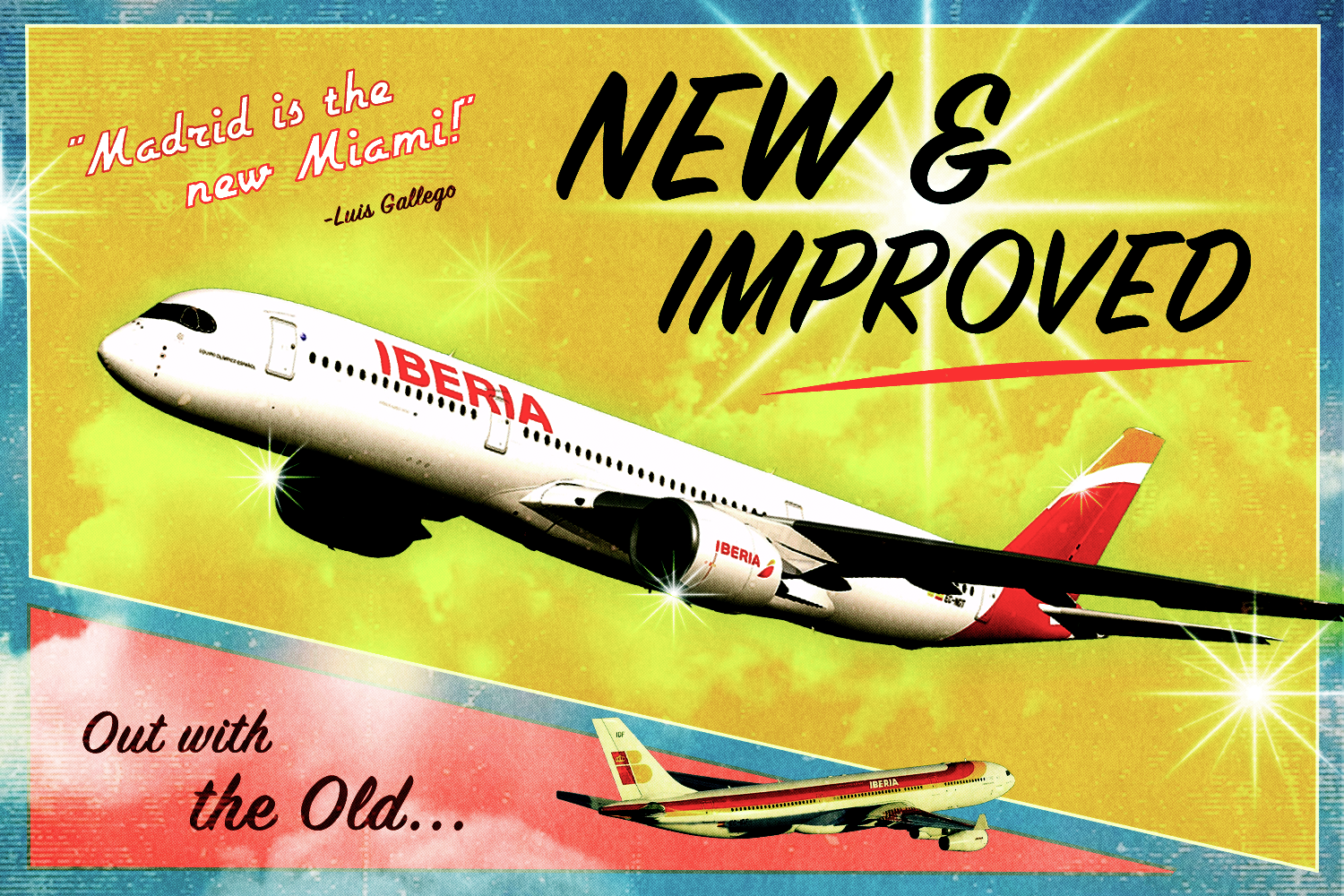
It wasn’t all that long ago that Iberia, Spain’s venerable flag carrier, found itself locked in a relentless fight for survival. Plagued by persistent losses, inefficient operations, and strained industrial relations, the airline was widely considered a relic of a bygone era, a "legacy laggard" struggling to adapt to the fierce competition of modern European aviation. Fast forward to today, and the transformation is nothing short of extraordinary. Iberia now boasts profitability metrics that rival even the most aggressive low-cost carriers, earning it the moniker of a "margin machine." This dramatic resurgence from the brink of collapse to a position of formidable financial strength represents one of the most compelling comeback stories in recent aviation history, challenging conventional wisdom about the viability of traditional full-service airlines in a highly commoditized market.
The Depths of Despair: Iberia’s Pre-Turnaround Struggles
To truly appreciate the magnitude of Iberia’s turnaround, one must first understand the dire circumstances it faced in the years leading up to its strategic overhaul. For much of the 2000s and into the early 2010s, Iberia was a consistent underperformer. Its financial reports painted a bleak picture: year after year, the airline hemorrhaged cash, often reporting annual operating losses exceeding €200 million. This financial bleeding was symptomatic of deeply entrenched structural issues.
Operationally, Iberia was a textbook example of legacy inefficiency. Its cost base was significantly higher than its competitors, a burden exacerbated by outdated labor agreements that stifled productivity and flexibility. The airline operated a diverse and aging fleet, leading to higher maintenance costs and suboptimal fuel efficiency. Its route network, while extensive, included many unprofitable segments, and its competitive position was being eroded from multiple fronts. Low-cost carriers like Ryanair and EasyJet were relentlessly chipping away at its short-haul market share, offering no-frills travel at prices Iberia simply couldn’t match with its existing cost structure. Simultaneously, other legacy carriers, particularly those within powerful alliances, were strengthening their long-haul offerings, further marginalizing Iberia’s premium product.
The global financial crisis of 2008 and the subsequent sovereign debt crisis in Europe dealt further blows, severely impacting demand for air travel, particularly in Spain, one of the hardest-hit economies. This economic downturn exposed the vulnerabilities of airlines with high fixed costs and limited operational agility. Amidst this turmoil, Iberia’s merger with British Airways in 2011 to form International Airlines Group (IAG) was initially met with a mix of hope and skepticism. While the merger offered potential synergies, Iberia continued to drag down IAG’s overall performance, becoming a significant headache for the newly formed conglomerate. The need for radical change was not just apparent; it was existential.
The Architect of Change: A Multi-faceted Strategy for Revival
The catalyst for Iberia’s profound transformation came with a decisive shift in leadership and a bold, comprehensive strategic plan. Luis Gallego, appointed CEO of Iberia in 2013, was tasked with the daunting mission of rescuing the struggling airline. His mandate was clear: implement a radical restructuring program to restore profitability, no matter how difficult. This agenda, often referred to as "Plan de Transformación," was built upon several interconnected pillars designed to attack Iberia’s deep-seated problems simultaneously.
The most immediate and contentious aspect was labor restructuring and cost reduction. Iberia’s high labor costs and rigid work rules were identified as primary impediments to competitiveness. Gallego initiated tough negotiations with unions, leading to significant headcount reductions – thousands of employees were either laid off or took voluntary redundancy packages. Crucially, new labor agreements were forged, introducing greater flexibility in working conditions, more competitive pay scales linked to productivity, and a complete overhaul of pilot and cabin crew contracts. This was a painful process, marked by strikes and public protests, but it was deemed essential to bring Iberia’s cost base in line with industry benchmarks.
Alongside labor reforms, a rigorous fleet modernization and standardization program was implemented. Iberia began phasing out older, less fuel-efficient aircraft in favor of newer models, primarily from Airbus, such as the A330 and A350 for long-haul routes, and A320neo family for short-to-medium haul. This not only reduced fuel consumption and maintenance costs but also enhanced the passenger experience. Standardizing the fleet simplified crew training, spare parts management, and ground operations, driving further efficiencies.
A critical strategic innovation was the creation of Iberia Express in 2012. This low-cost subsidiary was designed to operate short-to-medium haul routes from Madrid, effectively acting as a feeder for Iberia’s lucrative long-haul network while simultaneously competing directly with budget airlines on popular European routes. By operating with a distinct cost structure, more flexible labor agreements, and a simplified service model, Iberia Express could offer competitive fares without diluting the premium brand image of the main Iberia airline. This dual-brand strategy proved instrumental in reclaiming market share and improving network connectivity.
Network optimization was another cornerstone. Iberia strategically rationalized unprofitable routes and aggressively expanded into key growth markets, particularly Latin America, where it historically held a strong presence and cultural ties. This focus on its transatlantic stronghold, combined with improved connectivity through Iberia Express, allowed the airline to leverage Madrid-Barajas Airport as a vital hub for transatlantic travel, enhancing its global competitiveness.
Finally, product and service enhancement ensured that while costs were cut, the core value proposition for customers was not compromised, and in many cases, improved. Investments were made in new cabin interiors, in-flight entertainment, Wi-Fi connectivity, and upgraded lounge facilities. A renewed focus on customer service, driven by a cultural shift within the organization, aimed to restore Iberia’s reputation for quality. The synergies within IAG also played a crucial role, allowing Iberia to benefit from group-wide purchasing power, shared IT infrastructure, and best practices in various operational areas.
A Detailed Timeline of Transformation: From Crisis to Ascent
The turnaround was not an overnight phenomenon but a carefully executed, multi-year process.
- 2011: The merger of Iberia and British Airways forms International Airlines Group (IAG). Iberia reports significant losses, raising concerns about its future within the group.
- 2012: Iberia Express is launched in March, signaling the beginning of the dual-brand strategy. The year concludes with Iberia posting a substantial operating loss, intensifying pressure for reform.
- 2013: Luis Gallego is appointed CEO of Iberia. The "Plan de Transformación" is formally launched, initiating deep labor negotiations, fleet restructuring, and route rationalization. This period is marked by significant industrial action as unions resist the proposed changes.
- 2014: Despite ongoing challenges, the first tangible signs of improvement begin to emerge. Cost reductions start to take effect, and the performance of Iberia Express exceeds expectations.
- 2015: Iberia returns to profitability for the first time in seven years, reporting an operating profit. This milestone validates the painful restructuring efforts and boosts morale within the company. Fleet modernization gains momentum with orders for new, more efficient aircraft.
- 2016-2019: A period of sustained growth and profitability. Iberia consistently delivers strong financial results, with operating margins steadily improving. The airline expands its long-haul network, particularly in Latin America, and invests in enhanced cabin products and customer experience. It sheds the "legacy laggard" image, becoming a key profit driver for IAG.
- 2020-2021 (COVID-19 Pandemic): Like all airlines, Iberia faces an unprecedented crisis. However, its leaner cost structure and operational flexibility, honed during the restructuring, allow it to weather the storm more effectively than many peers. It adapts quickly, focuses on cargo operations, and maintains essential connectivity, positioning itself for a quicker recovery.
- 2022-Present: Iberia demonstrates remarkable resilience and a swift rebound post-pandemic. It continues to report robust profits, often outperforming other IAG airlines. Strategic investments continue in fleet renewal (e.g., A350 deliveries), digital transformation, and sustainability initiatives, solidifying its position as a highly competitive and profitable full-service carrier.
Quantitative Proof: The Numbers Behind the Miracle
The true testament to Iberia’s turnaround lies in its financial statements. Prior to the restructuring, Iberia was consistently reporting annual operating losses that often exceeded €250 million, dragging down IAG’s overall performance. Its operating margin was deep in negative territory, sometimes as low as -10%.
Following the implementation of the "Plan de Transformación," the reversal has been dramatic. By 2015, Iberia had swung back to an operating profit, a remarkable achievement given its recent history. In subsequent years, its profitability surged. For example, in a robust pre-pandemic year like 2019, Iberia reported an operating profit of approximately €386 million, a stark contrast to its earlier losses. More impressively, its operating margin frequently entered double-digit territory, often hovering around 10-12%, a figure that indeed puts it in the league of highly efficient low-cost carriers like Ryanair, which are renowned for their lean operations.
Even after the unprecedented disruption of the COVID-19 pandemic, Iberia’s recovery was swift and strong. In the first half of 2023, for instance, Iberia reported an operating profit of €208 million, significantly contributing to IAG’s overall positive results. This demonstrates not only a return to profitability but a sustained capacity to generate strong margins even amidst market volatility.
Beyond profits, other metrics underscore the transformation:
- Cost Per Available Seat Kilometer (CASK): Iberia significantly reduced its CASK, a key measure of airline efficiency, making it much more competitive on a cost-per-unit basis.
- Load Factors: Improvements in network planning and pricing strategies led to higher average load factors, ensuring more efficient utilization of aircraft capacity.
- On-Time Performance: Operational improvements resulted in enhanced punctuality, boosting customer satisfaction and operational reliability.
- Fleet Efficiency: The move to a younger, more standardized fleet resulted in tangible reductions in fuel burn and maintenance expenditures.
Reactions and Official Statements
The success of Iberia’s turnaround has been widely acknowledged across the industry.
IAG Leadership: Willie Walsh, the former CEO of IAG, frequently highlighted Iberia’s transformation as a prime example of what could be achieved through decisive leadership and tough reforms. He famously stated that Iberia had gone "from being the sick man of IAG to a very strong performer." Luis Gallego, who later became IAG CEO, often referred to Iberia’s journey as a testament to the resilience and dedication of its employees, emphasizing that "the results prove that a legacy airline can indeed transform itself and become competitive and profitable in today’s market." Current IAG management continues to laud Iberia’s consistent performance, viewing it as a cornerstone of the group’s diversified portfolio and a model for future restructuring efforts within the airline industry.
Iberia Management: Current and former Iberia CEOs have consistently expressed pride in the airline’s achievements. Javier Sánchez-Prieto, a former CEO, reflected on the initial challenges, acknowledging the immense effort required: "It was a difficult journey, requiring tough decisions and sacrifice from everyone, but we believed in the potential of Iberia. Today, we are a much stronger, more agile, and more competitive airline." They often credit the collective effort of all employees, from ground staff to pilots, for embracing the necessary changes.
Labor Unions: While initially highly resistant to the restructuring plans, leading to significant industrial disputes, labor unions eventually reached agreements that allowed the transformation to proceed. While the process was painful, some union representatives have, in retrospect, acknowledged that the changes were necessary for the airline’s survival. "The alternative was the disappearance of Iberia," one union leader was quoted as saying, highlighting the difficult trade-off between job security and the airline’s long-term viability. The current focus remains on ensuring fair working conditions while maintaining the airline’s competitive edge.
Industry Analysts: Aviation industry analysts have lauded Iberia’s comeback as a significant case study. Experts from organizations like CAPA Centre for Aviation have frequently cited Iberia as a "textbook example of successful legacy carrier restructuring," demonstrating that "with the right strategy and courageous leadership, even deeply entrenched problems can be overcome." They often point to the successful integration of Iberia Express and the unwavering focus on cost efficiency as key differentiators. The consensus among analysts is that Iberia’s transformation has not only secured its future but also enhanced IAG’s overall strategic position, particularly in the vital transatlantic market.
Broader Impact and Implications
Iberia’s miraculous turnaround extends far beyond its balance sheet, creating significant ripple effects across the industry and the Spanish economy.
For IAG: Iberia’s sustained profitability has cemented its role as a crucial profit engine for International Airlines Group. It provides IAG with a strong foothold in Southern Europe and a dominant position in the highly competitive Latin American market, complementing British Airways’ strength in North America and Asia. This multi-hub, multi-brand strategy enhances IAG’s overall resilience and market reach, allowing it to cater to diverse customer segments and geographical regions more effectively. Iberia’s success also serves as an internal blueprint for efficiency and transformation within the group.
For the Spanish Economy: As Spain’s flag carrier, Iberia’s resurgence has profound economic implications. A strong Iberia means enhanced global connectivity for Spain, boosting tourism, trade, and foreign investment. It supports thousands of direct and indirect jobs across the aviation ecosystem, from airport operations to tourism services. Madrid-Barajas Airport, Iberia’s primary hub, has benefited immensely from the airline’s expansion, solidifying its status as a major European and transatlantic gateway. The airline’s profitability also means it contributes significantly to the national tax base and represents a source of national pride.
For the Global Aviation Industry: Iberia’s transformation serves as a powerful case study for legacy airlines worldwide grappling with similar challenges. It demonstrates that it is possible for traditional full-service carriers to significantly reduce their cost base and improve efficiency without entirely sacrificing their brand identity or premium offerings. The successful implementation of a dual-brand strategy with Iberia Express provides a valuable model for how legacy airlines can effectively compete with low-cost carriers on short-haul routes while feeding their more profitable long-haul operations. It challenges the prevailing narrative that legacy airlines are inherently doomed to struggle against more agile, cost-efficient competitors.
Sustainability of Success: While Iberia has achieved a remarkable turnaround, the aviation industry remains dynamic and challenging. The airline must continue to navigate volatile fuel prices, geopolitical instabilities, increasing environmental pressures, and intense competition. To maintain its edge, Iberia is actively investing in further fleet modernization, digital innovation to enhance customer experience and operational efficiency, and ambitious sustainability initiatives aimed at reducing its carbon footprint. The focus on continued operational excellence, prudent financial management, and adaptive strategic planning will be crucial for ensuring that Iberia’s miracle turnaround evolves into a story of sustained success.
In conclusion, Iberia’s journey from a loss-making liability to a highly profitable, "Ryanair-like" margin machine is a testament to the power of courageous leadership, strategic foresight, and unwavering commitment to fundamental change. It stands as a beacon of hope for legacy carriers, proving that with the right approach, even the most deeply entrenched challenges can be overcome, paving the way for a vibrant and sustainable future in the skies.



 Budi Mulyono
 Lukman Taruna Persada Ramadan
 Anjar Salim
 Chandra Hamzah
 Susilo Edi Turonggo