
 Anjar Salim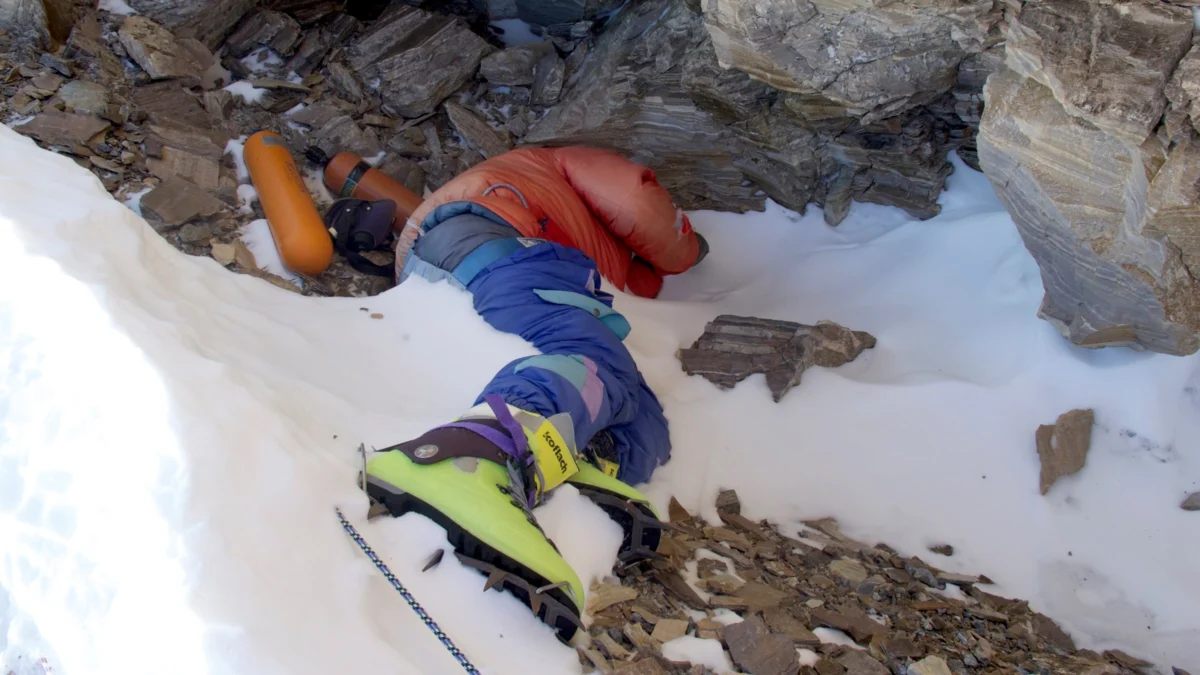
The Indian government has officially sanctioned an elite recovery operation to retrieve the remains of a mountaineer widely known as Green Boots from the upper reaches of Mount Everest. For nearly three decades, the frozen remains, located at approximately 8,500 meters (27,887 feet) on the mountain’s Northeast Ridge, have served as a grim waypoint for climbers ascending from the Tibetan side. Following a definitive identification of the body as Dorje Morup, a member of the Indo-Tibetan Border Police (ITBP) who perished in the 1996 Everest disaster, the Indian government is now moving forward with a high-stakes mission to bring the soldier home. This operation, scheduled for the summer of 2026, represents one of the most technically demanding and hazardous recovery efforts ever attempted in the "Death Zone," where oxygen levels are insufficient to sustain human life for extended periods.
The Identification and Historical Context of Green Boots
The identity of Green Boots was a subject of debate within the mountaineering community for decades. While the body was long associated with the 1996 ITBP expedition, it remained unclear whether the remains belonged to Head Constable Tsewang Paljor or Lance Naik Dorje Morup. Both men, along with teammate Tsewang Smanla, disappeared during a severe blizzard on May 10, 1996—the same storm that claimed several lives on the southern side of the mountain, a tragedy popularized by Jon Krakauer’s Into Thin Air.
Recent forensic reviews and internal government documentation have now officially identified the remains as those of Dorje Morup. The body, curled in a limestone alcove and wearing the distinctive neon-green Koflach mountaineering boots that gave the landmark its name, has remained a permanent fixture on the trail. Because the body was located directly on the main climbing route, thousands of mountaineers have been forced to step over or around it for thirty years, making it the most famous of the estimated 200 corpses currently resting on Everest.
Chronology of the 1996 Indo-Tibetan Border Police Expedition
The events leading to the creation of the Green Boots landmark began in May 1996. The ITBP expedition was the first Indian strike at the summit via the North Col route.
- May 10, 1996: Smanla, Paljor, and Morup opted to push for the summit despite deteriorating weather conditions. While they signaled to their base camp that they had reached the top, it is widely believed they may have stopped short of the actual summit due to near-zero visibility.
- The Descent: During their descent, the trio was caught in a "Perfect Storm" of hurricane-force winds and plummeting temperatures. Morup was last seen by a group of Japanese climbers who were ascending the ridge. Reports from that day suggest Morup was suffering from severe frostbite and exhaustion but was still moving.
- The Disappearance: None of the three Indian climbers returned to Camp IV. In the days following the storm, the body that would become known as Green Boots was spotted in the rock cave, though the harsh conditions prevented any immediate recovery.
For thirty years, the Indian government and the ITBP faced significant logistical and financial hurdles in attempting a recovery. The body’s location in the Death Zone, combined with the complexities of operating on the Chinese-administered side of the mountain, left the soldier in his frozen tomb.
Technical Challenges of Recovery in the Death Zone
Recovering a body from 28,000 feet is an undertaking that borders on the impossible. At this altitude, the atmospheric pressure is about one-third of that at sea level, and the human body consumes oxygen faster than it can be replaced, leading to rapid physical and cognitive decline.
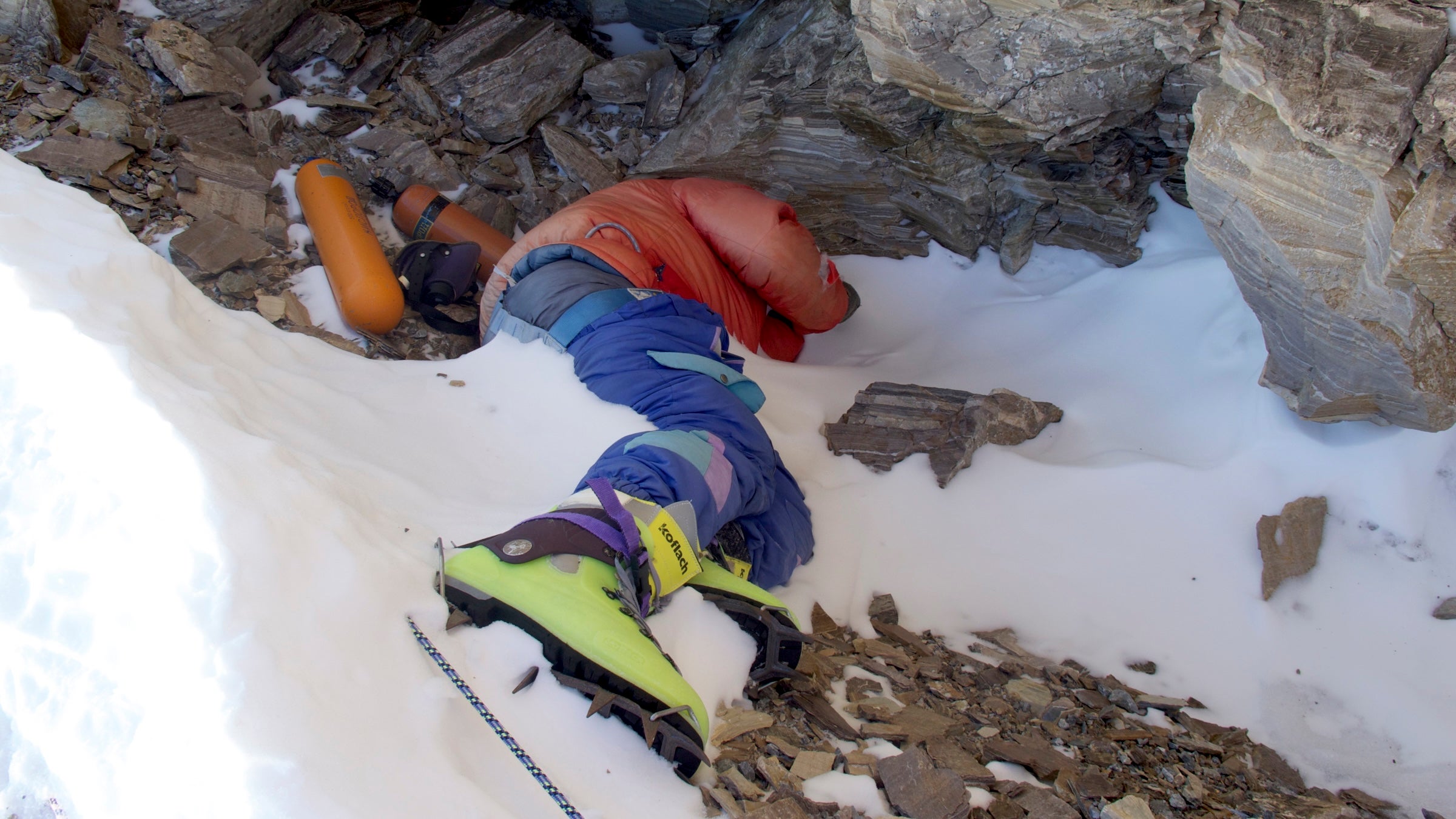
The primary challenge for the 2026 mission is the physical state of the remains. Over thirty years, the body has become "mummified" by the extreme cold and is effectively fused to the mountain’s limestone and ice. Experts indicate that the recovery team will have to use ice axes and potentially specialized heated tools to "hack" the body out of a solid block of ice. This process is grueling and requires several hours of intense physical labor in an environment where even a few minutes of exertion can lead to total exhaustion.
Furthermore, a frozen body typically weighs significantly more than a living person due to the accumulation of ice. While Morup may have weighed 160 pounds in life, his frozen remains could exceed 200 pounds. Lugging this dead weight down the steep, technical terrain of the Northeast Ridge—which includes navigating the "Three Steps," a series of rocky protrusions—poses a lethal risk to the recovery team.
Logistical and Financial Requirements
According to government documents, the ITBP is currently vetting private expedition agencies to lead the mission. The requirements for the team are stringent:
- Elite Personnel: The team must consist of at least six high-altitude Sherpas, each with multiple successful Everest summits.
- Specialized Equipment: The mission requires an unprecedented amount of supplemental oxygen, not only for the climbers’ survival but to sustain the physical exertion required for the extraction.
- Timeline: The extraction is slated for the monsoon window between June and September 2026. This is a non-traditional climbing window, chosen specifically because the mountain is devoid of commercial traffic, though it increases the risk of unpredictable storms.
The cost of such an operation is substantial. While a standard climb costs an individual between $58,000 and $200,000, body recovery is significantly more expensive. In 2024, Nepali Army Major Aditya Karki, who led a mission to recover five bodies from the South Col, estimated the cost at approximately $75,000 to $80,000 per body. Given the technical difficulty of the North Ridge and the logistical fees associated with the Chinese government’s permitting process, the recovery of Dorje Morup is expected to exceed $100,000.
Geopolitical and Administrative Obstacles
The recovery of Green Boots is further complicated by the geopolitical sensitivity of the Tibetan side of Everest. Unlike the Nepalese side, which is relatively open to international commercialism, the northern route is strictly controlled by the China Tibet Mountaineering Association (CTMA).
In recent years, the Chinese government has tightened regulations, citing environmental concerns and the need for mountain "cleanup." In 2026, China has indicated plans to restrict or entirely close the mountain to international expeditions for periods of the year. The Indian government must navigate complex diplomatic channels to ensure the ITBP recovery team is granted access to the Tibetan side. The logistics of transporting the remains from the mountain, across the border, and back to New Delhi require high-level coordination between Indian and Chinese authorities.
Official Responses and Ethical Implications
The decision to recover Morup’s remains has drawn mixed reactions from the global mountaineering community. For many, the removal of Green Boots is a necessary act of dignity. "The reality of body recovery is that it’s all about closure and respect," stated Everest guide Willie Benegas. "Historically, bodies stayed up there because it was too dangerous. But as technology and logistics improve, we have a responsibility to not leave our fallen as landmarks."
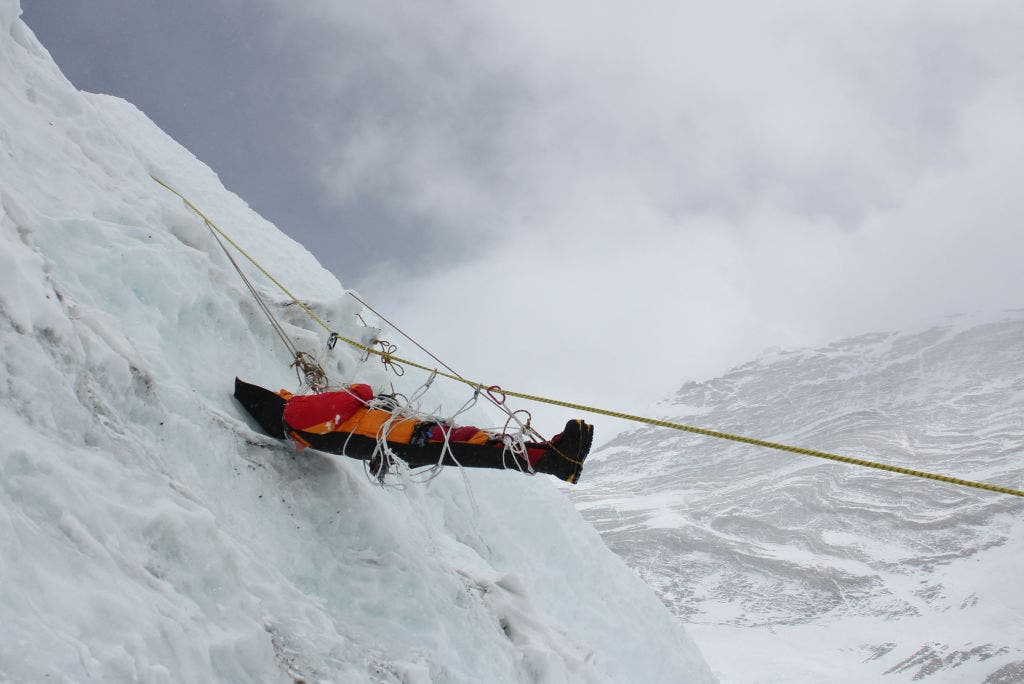
The Indian government’s stance is one of national duty. As a member of the ITBP, Morup died in the service of his country. Official statements suggest that leaving a soldier’s remains exposed on a commercial climbing route is no longer acceptable. The mission is viewed not just as a mountaineering feat, but as a repatriation of a fallen serviceman.
However, some conservationists and veteran climbers warn of the "heroic risk" involved. They argue that risking six living lives to recover one dead body in the Death Zone is a precarious ethical trade-off. The 2024 Nepali recovery missions saw several Sherpas suffer from severe altitude sickness and frostbite, highlighting the physical toll these operations take on the survivors.
Broader Impact on Everest Management
The mission to recover Dorje Morup is part of a broader trend toward "cleaning up" Mount Everest. With over 300 deaths recorded on the mountain since the first attempts in the 1920s, the peak has earned the moniker of the "world’s highest graveyard."
The success or failure of the 2026 ITBP mission will likely set a precedent for other nations and families seeking to recover loved ones. If the team successfully navigates the technical rigors of the North Ridge and the diplomatic hurdles of the CTMA, it may signal the beginning of the end for Everest’s era of macabre landmarks.
By October 2026, the Indian government aims to have Morup’s remains in Delhi for a full military funeral. If successful, the rock alcove at 28,000 feet will finally be empty, and one of the most haunting chapters in Himalayan history will be brought to a close. The mission serves as a stark reminder of the costs of high-altitude ambition and the enduring commitment of a nation to bring its soldiers home, no matter how high the peak or how deep the ice.




 Chandra Hamzah
 Tatiana Tantri Indah Sari
 Budi Mulyono
 Lukman Taruna Persada Ramadan