
 Anjar Salim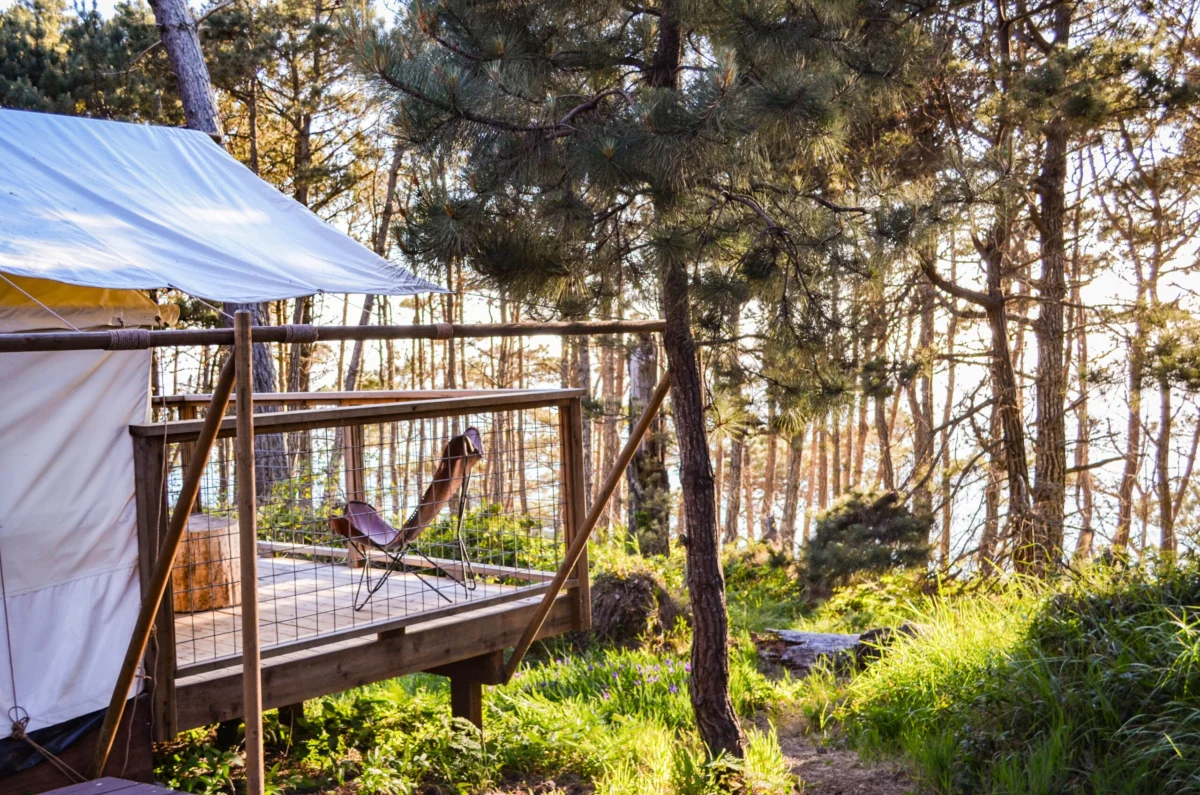
The global travel industry is witnessing a transformative shift in how domestic and international tourists engage with the natural world. Long characterized by a binary choice between rugged, self-sufficient camping and traditional hotel stays, the market has seen the emergence of a sophisticated middle ground: luxury nature tourism, often colloquially referred to as "glamping." This evolution was recently underscored by the publication of Comfort in the Wild: 100+ Idyllic Nature Destinations, No Roughing It Required, a comprehensive guide by travel journalist Jane Wooldridge, published by Frommer’s in early 2026. The book highlights a growing demand for "creature comforts"—including climate control, high-end gastronomy, and plush bedding—within the world’s most remote and ecologically sensitive environments.
The Economic Trajectory of the Glamping Sector
Market analysis indicates that the global glamping market, valued at approximately $2.7 billion in 2022, is projected to expand at a compound annual growth rate (CAGR) of over 10% through 2030. This growth is driven by a demographic shift among travelers who seek the restorative benefits of "digital detoxing" and nature immersion but are unwilling to sacrifice the amenities of a luxury resort.
Industry experts attribute this surge to several factors: the post-pandemic desire for socially distanced, outdoor-centric vacations; the rise of "work-from-anywhere" culture facilitated by satellite internet services like Starlink; and a significant increase in infrastructure investment within and adjacent to national parks. The current trend suggests that high-end nature retreats are no longer a niche luxury but a primary driver of rural and adventure tourism economies.
A Chronology of Infrastructure Development: From Disaster to Modernity
The development of luxury lodges often mirrors the broader history of environmental management and disaster recovery. A primary example is the Flamingo Lodge in Florida’s Everglades National Park. For decades, the site was a staple for visitors to the 1.5-million-acre park. However, in 2005, back-to-back hurricanes—Katrina and Wilma—decimated the original facilities, leaving the heart of the Everglades without permanent overnight accommodations for nearly 20 years.
The timeline of its return reflects a shift in architectural philosophy:
- 2005–2018: Visitors were limited to primitive camping or houseboats.
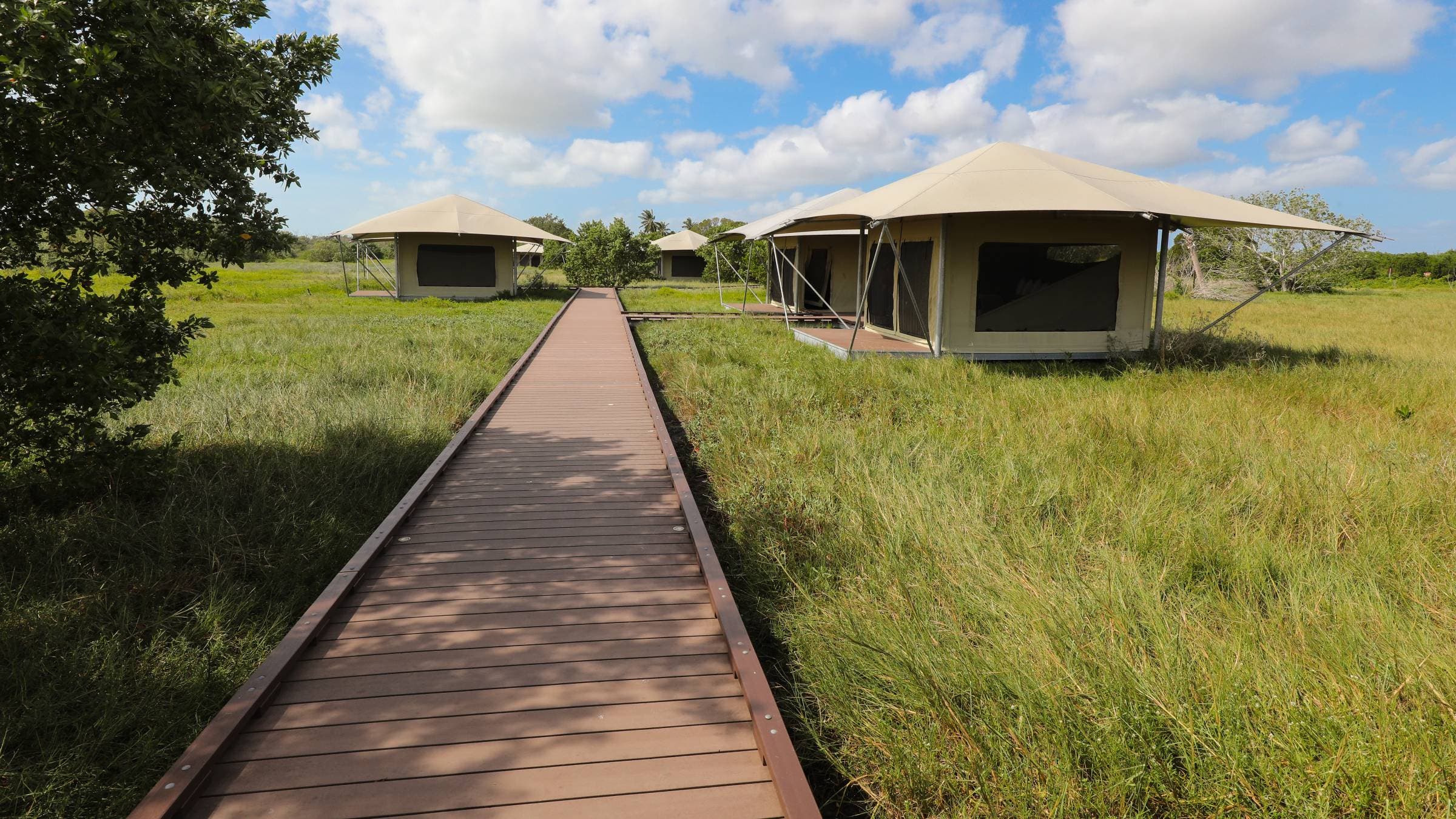
- 2019: The National Park Service (NPS) introduced "eco-tents," though these remained seasonal due to the region’s extreme humidity and insect populations.
- 2024: The opening of the new Flamingo Lodge marked a milestone in climate-resilient architecture. Built on concrete stilts to mitigate the impact of rising sea levels and storm surges, the lodge offers 24 air-conditioned suites, ensuring year-round viability in a landscape where temperatures and mosquito activity often deterred all but the most hardy travelers.
This project serves as a blueprint for how federal land management can partner with private interests to modernize facilities while adhering to strict environmental standards.
The Zion Model: Managing Overtourism Through Exclusivity
National parks in the United States are currently facing a crisis of popularity. Zion National Park in Utah, for instance, records approximately five million visitors annually. The resulting congestion in the Virgin River gorge has led to the implementation of shuttle systems and permit requirements for popular hikes.
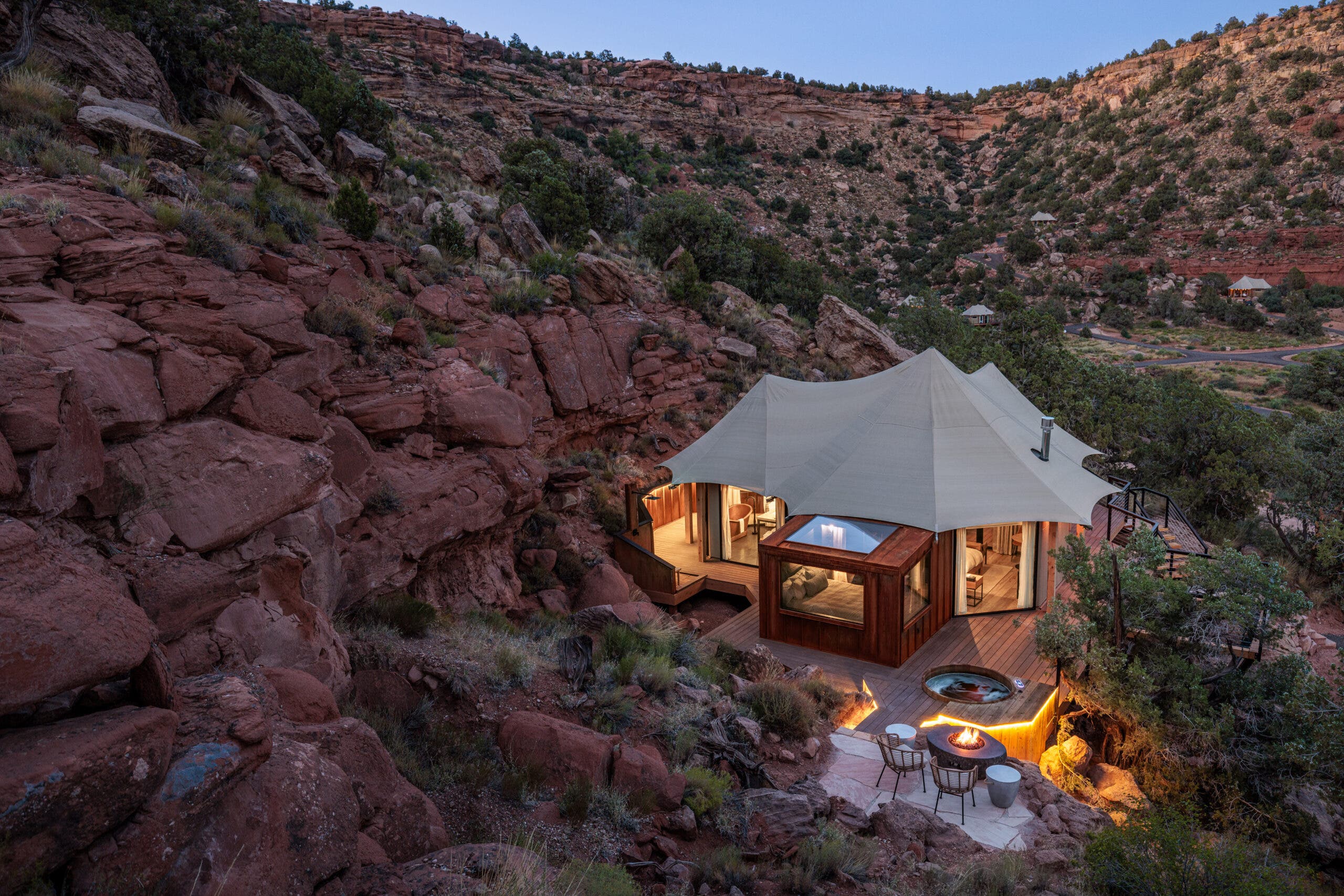
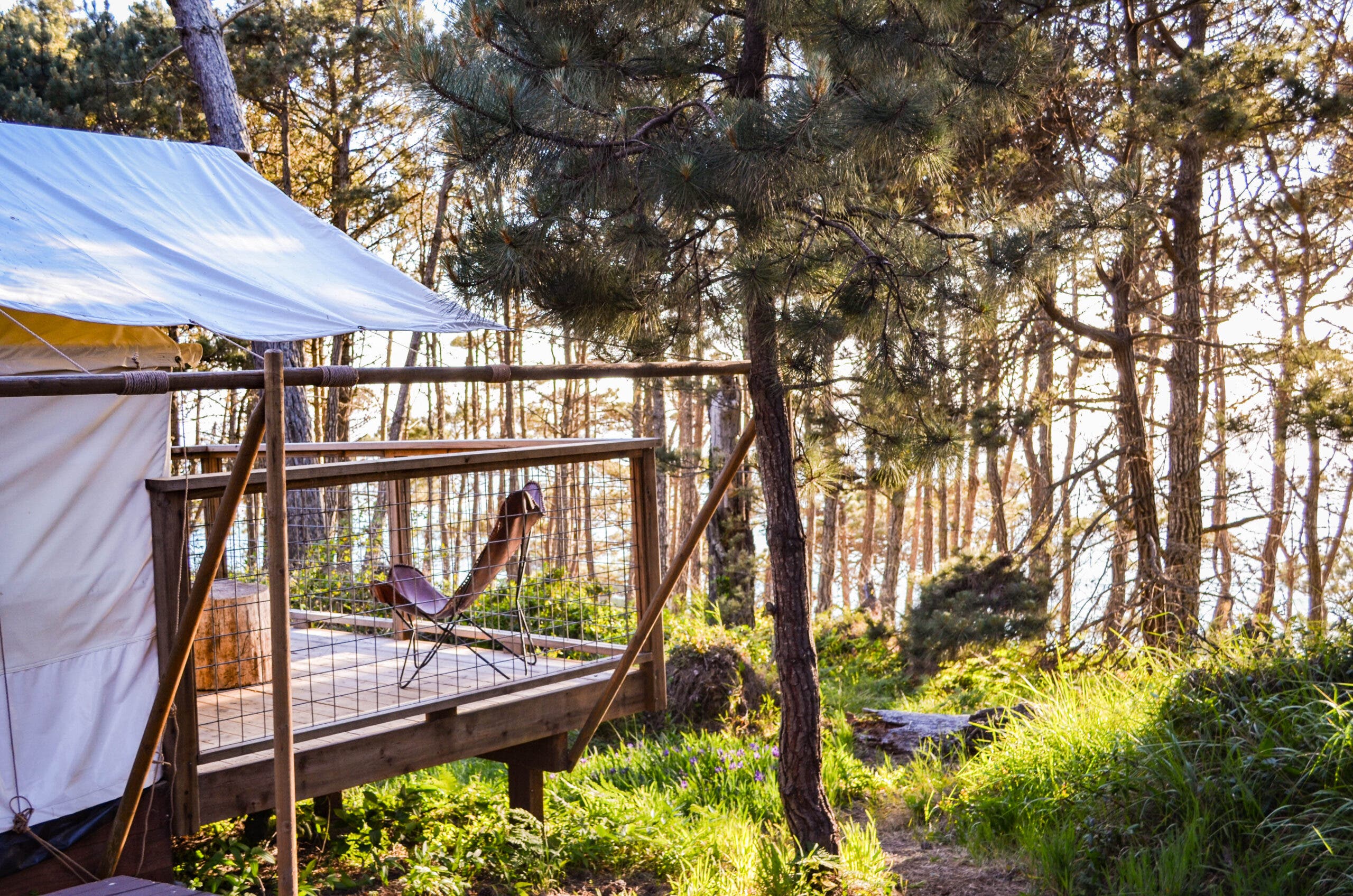
In response, private developments such as Open Sky Zion have emerged to provide an "antidote" to the crowds. Located at the end of a private road and buffered by orchards and canyons, these retreats offer a controlled environment. With 11 canvas safari tents featuring heated bathroom floors and private decks, the facility caters to a high-net-worth demographic. Rates starting at $650 per night reflect the "premiumization" of the park experience, where privacy and silence are marketed as the ultimate luxuries.
This trend raises significant questions for park management and sociologists regarding the "democratization of nature." While these private enclaves reduce the pressure on public campgrounds, they also create a tiered system of access to the vistas surrounding America’s most iconic landmarks.
Agricultural Diversification: The Montana Silo Pivot
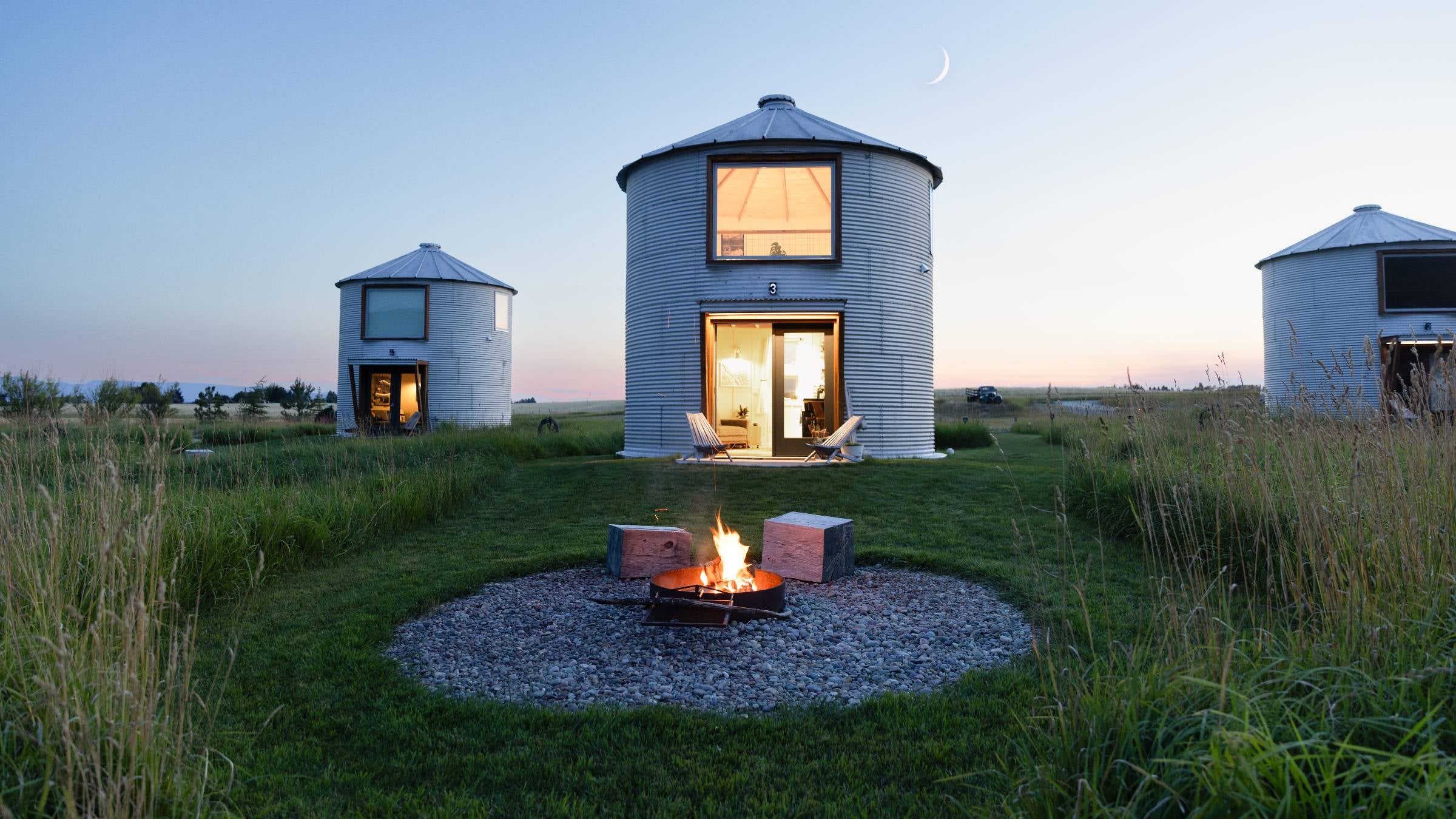
The luxury nature trend is also providing a lifeline to traditional American industries, such as family farming. In Kalispell, Montana, near the border of Glacier National Park, the Clark Farm Silos represent a unique intersection of agritourism and luxury lodging.
Eli Clark, a fifth-generation farmer, converted five industrial grain silos into multi-level guest suites. This move toward "adaptive reuse" allows agricultural landowners to diversify their revenue streams in an era of volatile crop prices and climate uncertainty.
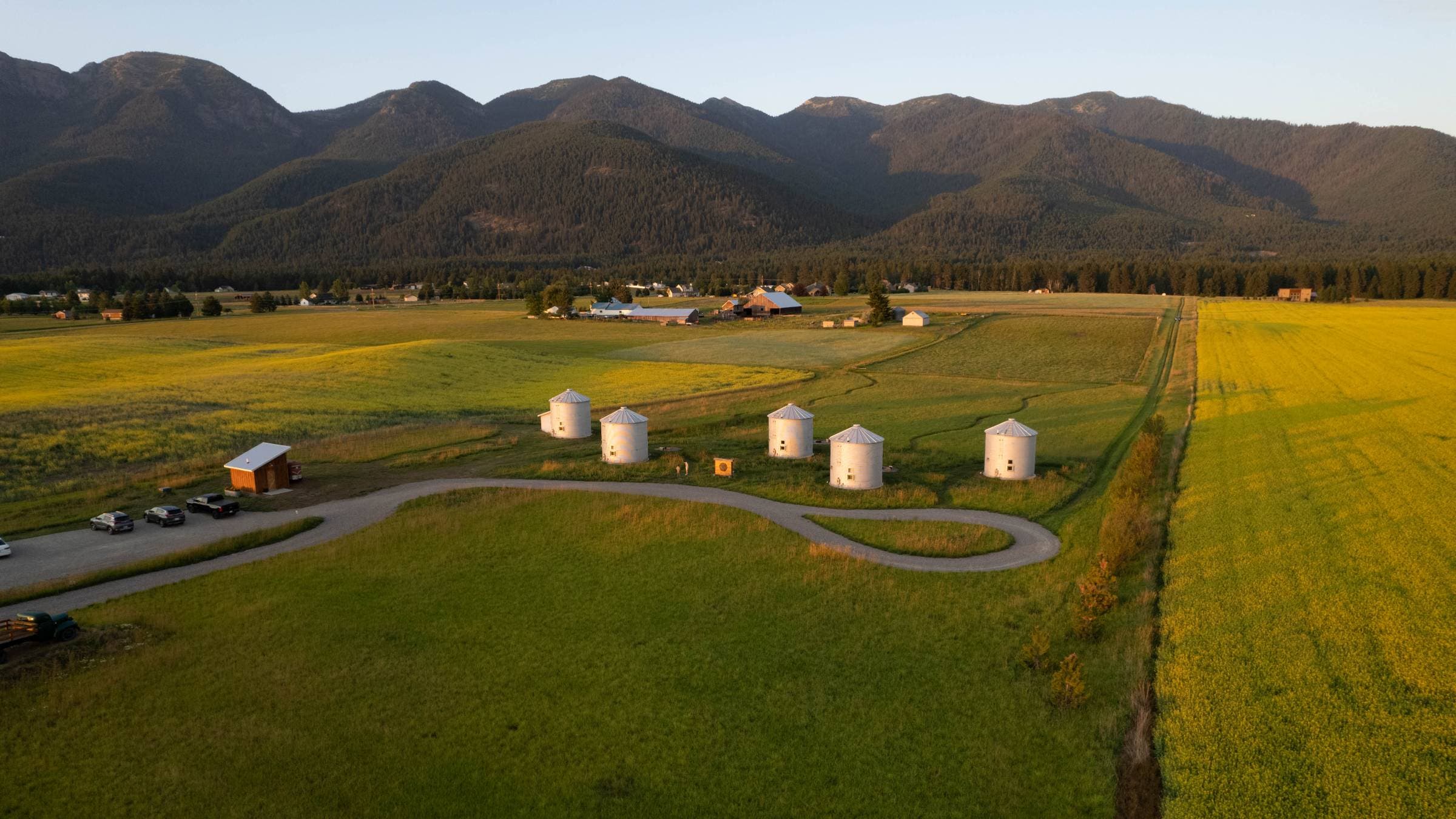
- Economic Impact: By offering year-round lodging—unlike many historic lodges within Glacier National Park that close for the winter—these facilities provide stable, year-round employment in the Flathead Valley.
- Operational Efficiency: The use of existing structures like silos minimizes the environmental footprint of new construction, a key selling point for eco-conscious travelers.
Niche Architecture and the Wellness Connection
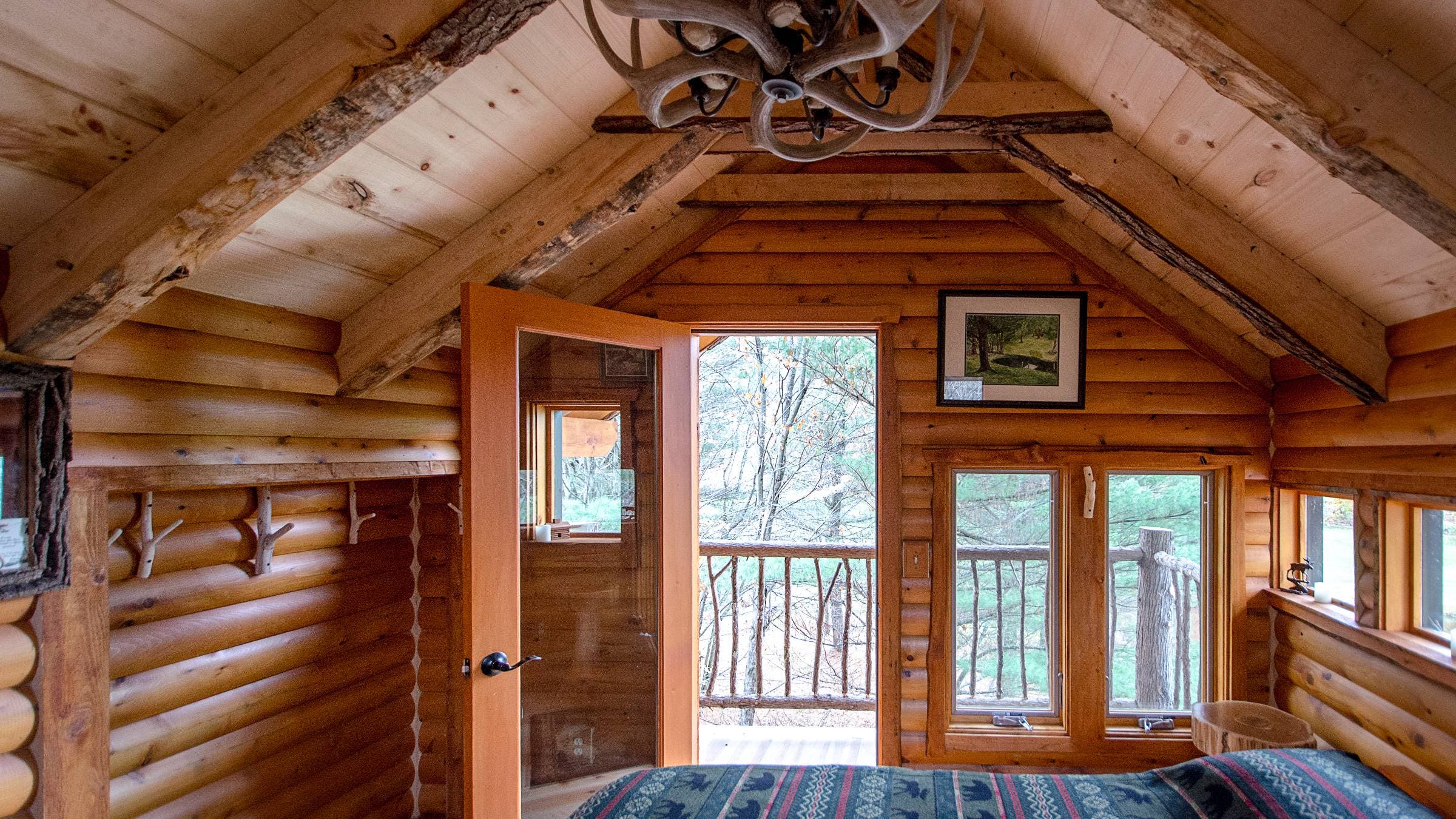
The psychological appeal of nature-based lodging is increasingly linked to "wellness tourism." In Vermont, the Moose Meadow Lodge and Treehouse utilizes specialized engineering from the Yestermorrow Design/Build School to create elevated structures that "hang" from mature pines.
Research into "forest bathing" (Shinrin-yoku) suggests that proximity to trees can lower cortisol levels and improve immune function. By integrating high-end design with these biological benefits, developers are tapping into a wellness market that values experiential luxury over material opulence.
Similarly, Mendocino Grove in California emphasizes communal wellness. Despite lacking ensuite bathrooms—a traditional hallmark of luxury—the facility compensates with saunas, sound-healing sessions, and yoga platforms. This indicates a shift in consumer preference where the "experience" of a campfire concierge or a redwood-canopy view outweighs the convenience of standard hotel plumbing.
Heritage and Preservation in the Gallatin Valley
In Montana’s Gallatin Valley, the luxury nature movement is deeply intertwined with the preservation of Western heritage. Lone Mountain Ranch, a century-old homestead, and the 320 Guest Ranch exemplify the "dude ranch" evolution. These properties have transitioned from rugged working ranches to sophisticated resorts featuring elk ravioli and tuna tartare, yet they maintain a commitment to land stewardship.
The 320 Guest Ranch, historically owned by one of the first female physicians in the region, continues to leverage its history as a place of healing and fresh air. These establishments provide a buffer of protected land around rapidly developing areas like Big Sky, preventing the fragmentation of wildlife corridors while supporting the local equestrian and fly-fishing industries.
Broader Impact and Future Implications
The rise of "Comfort in the Wild" signifies a permanent change in the hospitality landscape. However, this growth brings several implications that policymakers and environmentalists are currently analyzing:
- Environmental Footprint: While glamping often uses semi-permanent structures, the increased demand for electricity, water, and waste management in remote areas poses a challenge to local ecosystems.
- Resource Allocation: The success of high-end lodges may shift the focus of National Park Service funding toward infrastructure that supports "glamping" rather than traditional, low-cost camping, potentially alienating lower-income visitors.
- Climate Adaptation: As seen in the Everglades, future nature tourism must be built with resilience in mind. The "stilt-architecture" of Flamingo Lodge is likely to become a standard for coastal and flood-prone nature destinations.
- Technological Integration: The expectation of high-speed internet (Starlink) in the wilderness is blurring the lines between "getting away" and staying connected, potentially altering the psychological impact of nature immersion.
Conclusion
The evolution of nature-based tourism from "roughing it" to "comfort in the wild" reflects a broader societal desire to reconnect with the environment without the barriers of physical hardship. As documented in Jane Wooldridge’s latest guide, the United States is at the forefront of this movement, utilizing innovative architecture and private-public partnerships to open the wilderness to a broader, albeit more affluent, audience. As the industry continues to grow, the challenge will remain in balancing the high demand for luxury with the essential need to preserve the very "wildness" that guests are paying to experience. The success of locations from the silos of Montana to the stilts of the Everglades suggests that the future of the great outdoors may very well be found in a well-appointed tent.




 Chandra Hamzah
 Tatiana Tantri Indah Sari
 Budi Mulyono
 Lukman Taruna Persada Ramadan