
 Gabriela Annisa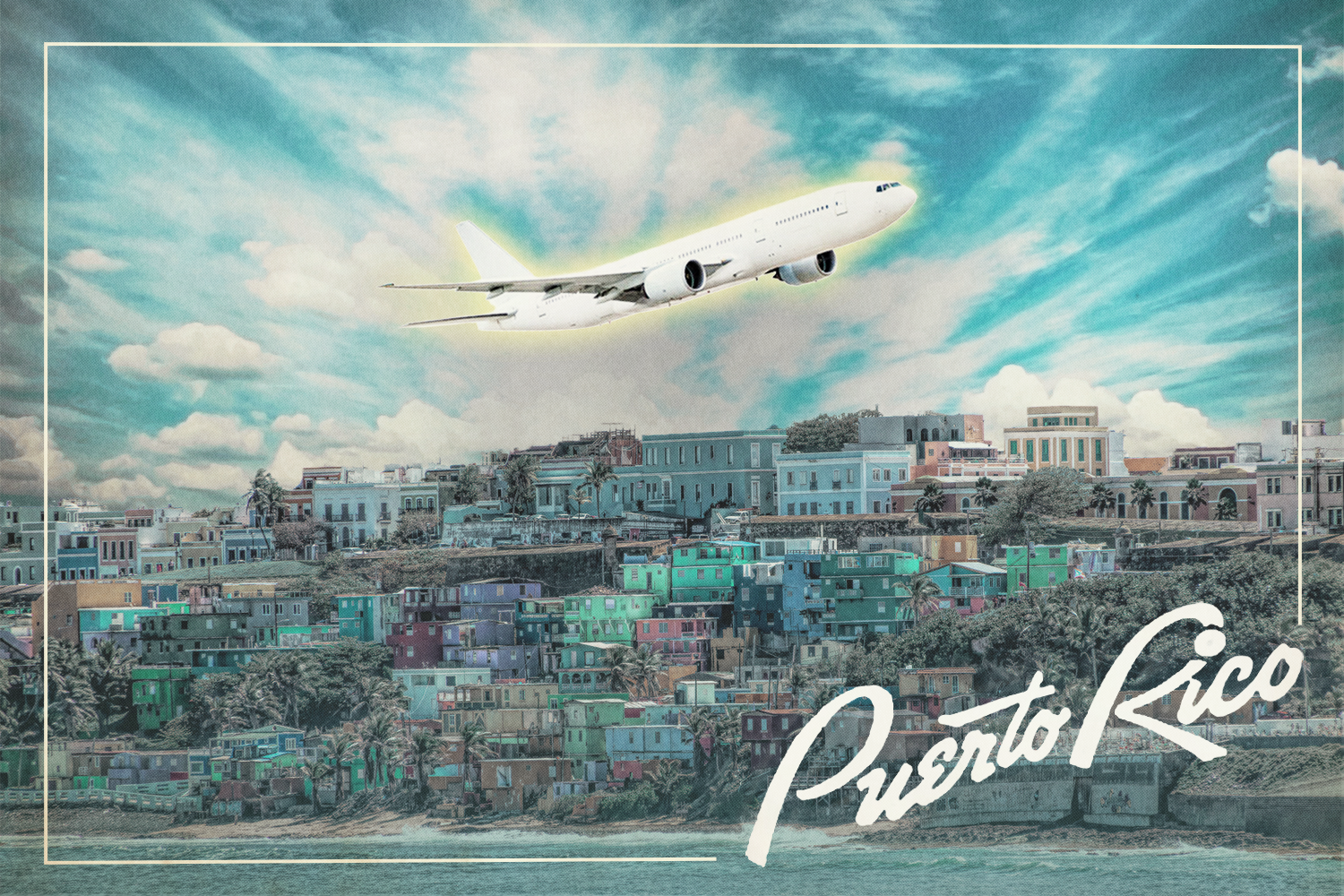
While the broader landscape of U.S. airport departures has seen a contraction in flight numbers compared to 2019 levels—even as larger aircraft have marginally increased seat capacity—a select few markets defy this trend, presenting narratives of exceptional growth. Among these, Puerto Rico shines with particular brilliance, having undergone a remarkable surge driven by a booming tourism sector and strategic shifts in airline operations. This robust momentum, however, now faces critical tests from escalating fuel costs and dynamic industry shakeups. This deep dive explores the multifaceted journey of Puerto Rico’s resurgence, dissecting the factors behind its extraordinary recovery and the challenges that lie ahead.
A History of Resilience: From Crisis to Rebirth
To fully appreciate Puerto Rico’s current tourism boom, it is essential to contextualize its recent past, marked by a series of profound challenges that tested the island’s economic and social fabric. For years leading up to the mid-2010s, Puerto Rico grappled with a severe debt crisis, accumulating over $70 billion in public debt and unfunded pension liabilities. This economic instability led to austerity measures, a struggling job market, and a significant exodus of its population to the U.S. mainland.
The situation escalated dramatically in September 2017 with the devastating landfall of Hurricane Maria, a Category 5 storm that obliterated infrastructure, decimated the power grid, and caused an estimated $90 billion in damages. The hurricane paralyzed the island, severing vital supply lines and leaving millions without electricity, clean water, or basic services for extended periods. The tourism industry, a crucial economic pillar, was brought to a near standstill, with hotels damaged, attractions inaccessible, and airports severely hampered. Many believed a full recovery would take a decade or more, leading to further population decline and economic despair.
The Genesis of a Comeback: Initial Steps and Strategic Pivots
The immediate aftermath of Hurricane Maria was characterized by immense hardship and a monumental rebuilding effort. However, even amidst the devastation, the seeds of recovery were being sown. Federal aid, alongside the resilient spirit of the Puerto Rican people, initiated a slow but determined reconstruction. Critical infrastructure, including the Luis Muñoz Marín International Airport (SJU), was prioritized for repair, recognizing its indispensable role in connecting the island to the outside world.
By late 2018 and into 2019, early signs of revival began to emerge. The Puerto Rico Tourism Company (PRTC) and Discover Puerto Rico, the island’s Destination Marketing Organization (DMO) established in 2018, launched aggressive marketing campaigns aimed at reassuring potential visitors that the island was open for business and showcasing its restored beauty and vibrant culture. These campaigns focused on highlighting the unique blend of Caribbean charm and American familiarity, a critical differentiator for U.S. travelers. Airlines, cautiously at first, began to restore and even add routes, recognizing the inherent appeal of the destination and the growing readiness of its infrastructure.
The Pandemic’s Unforeseen Catalyst: A Domestic-International Haven
The true turning point, however, arrived paradoxically with the onset of the global COVID-19 pandemic in early 2020. While the pandemic initially brought international travel to a near halt and severely impacted the global aviation industry, Puerto Rico, as a U.S. territory, found itself in a unique and advantageous position. With strict international travel restrictions in place and a widespread desire among Americans for accessible, yet exotic, getaways, Puerto Rico emerged as an ideal solution. It offered the allure of an international destination—its distinct culture, language, and natural beauty—without the complexities of passport requirements, foreign currency exchange, or intricate international travel protocols for U.S. citizens.
Airlines, facing a precipitous drop in demand for international and business travel, strategically reallocated capacity to domestic leisure routes. Puerto Rico, with its strong leisure appeal and pent-up demand, became a prime beneficiary of this shift. Carriers like Frontier Airlines, Spirit Airlines, JetBlue Airways, Southwest Airlines, American Airlines, Delta Air Lines, and United Airlines all ramped up their service to SJU and other regional airports like Rafael Hernández Airport (BQN) in Aguadilla and Mercedita Airport (PSE) in Ponce. This surge in airlift capacity significantly enhanced accessibility and drove down prices, further fueling demand.
Statistical Evidence of a "Miracle": Numbers Don’t Lie
The impact of these combined factors is dramatically reflected in the island’s tourism statistics. Prior to Hurricane Maria, SJU handled approximately 8.5 million passengers annually. Post-Maria, this figure plummeted. However, by 2021, SJU recorded over 10 million passengers, a significant rebound that surpassed pre-Maria levels and even outpaced many U.S. mainland airports. By 2022, passenger traffic continued its upward trajectory, with some reports indicating nearly 12 million passengers passing through SJU, marking a staggering increase of over 40% compared to 2019 figures.
Seat capacity has also seen an unprecedented expansion. While U.S. domestic seat capacity overall struggled to return to 2019 levels, Puerto Rico witnessed a boom. In 2021 and 2022, Puerto Rico consistently saw double-digit percentage increases in available seat miles (ASMs) and daily flights compared to both 2019 and 2020. For instance, specific months in 2022 recorded over 30% more flights and 40% more seats than the corresponding months in 2019. This growth wasn’t just from a few carriers; it was a broad-based expansion across multiple airlines.
Hotel occupancy rates, a key indicator of tourism health, soared. From struggling single-digit occupancy post-Maria, the island saw rates consistently in the 70-80% range, often exceeding pre-pandemic levels. Average Daily Rates (ADR) also increased, indicating stronger demand and pricing power for hospitality providers. Tourism spending injects billions into the local economy annually, supporting tens of thousands of jobs directly and indirectly, from hotel staff and tour guides to local artisans and restaurateurs. Discover Puerto Rico reported a record-breaking $5.6 billion in visitor spending in 2022, a 30% increase from 2019, highlighting the profound economic impact.
Voices from the Ground: Stakeholder Reactions
The "miracle recovery" is a frequent topic of discussion among Puerto Rican officials and industry leaders. Governor Pedro Pierluisi has consistently lauded the tourism sector’s performance, stating, "Our administration has prioritized economic development, and tourism has proven to be a powerhouse. We are not just recovering; we are setting new benchmarks for success, demonstrating the resilience and appeal of Puerto Rico to the world."
Brad Dean, CEO of Discover Puerto Rico, often highlights the strategic efforts behind the surge. "Our ability to pivot swiftly during the pandemic and position Puerto Rico as a safe, accessible, and vibrant destination for U.S. travelers was critical," Dean explained in a recent industry conference. "We leveraged our unique status and invested heavily in digital marketing, showcasing the diverse experiences our island offers, from our stunning beaches and El Yunque rainforest to our rich history and culinary scene."
Airline executives have also provided insights into their expansion strategies. An executive from a major low-cost carrier, speaking anonymously due to competitive reasons, noted, "Puerto Rico became a top performer in our network. The demand was incredibly robust, driven by both leisure travelers and the significant diaspora visiting family. It offered a compelling combination of yield and volume, justifying our substantial capacity additions."
Local hospitality leaders echo this sentiment, though they also point to emerging challenges. "The boom has been incredible," remarked a general manager of a prominent San Juan hotel. "We’re seeing guests from all over the U.S., and our occupancy has been consistently high. However, finding enough skilled labor has become a significant hurdle, and the rising cost of goods and services is impacting our operational margins."
Economists monitoring the island’s recovery acknowledge the tourism sector’s pivotal role. Dr. José Caraballo Cueto, a professor and economist at the University of Puerto Rico, has noted, "Tourism has been a vital engine for economic revitalization, injecting much-needed capital and creating jobs. However, for this growth to be truly sustainable, we need to ensure broader economic diversification and address underlying structural issues that still persist."
Navigating the Headwinds: Challenges and Future Outlook
Despite the celebratory narrative, Puerto Rico’s tourism sector is not without its challenges. The very factors that propelled its growth are now evolving, presenting new tests to its momentum.
Rising Fuel Costs: Global oil prices have seen significant volatility, directly impacting airline operating costs. Higher fuel prices can lead airlines to adjust capacity, raise ticket prices, or even reconsider less profitable routes. While Puerto Rico has proven its demand, sustained high fuel costs could temper future expansion plans or make the destination less competitive on price.
Industry Shakeups and Airline Strategies: The aviation industry is constantly in flux. Mergers, acquisitions, and strategic realignments among carriers can lead to changes in network priorities. As international travel fully reopens and business travel slowly rebounds, airlines might re-evaluate their domestic leisure heavy strategies. This could mean a reallocation of aircraft away from routes that previously saw explosive growth, including some to Puerto Rico.
Infrastructure Strain: The rapid increase in visitor numbers puts pressure on existing infrastructure. While significant investments have been made since Maria, issues like road congestion, water and electricity reliability, and waste management can become more pronounced with continued growth. The capacity of attractions, particularly natural ones like El Yunque or the bioluminescent bays, also needs careful management to prevent over-tourism and environmental degradation.
Labor Shortages: The hospitality sector, like many others globally, is struggling with labor shortages. The pre-existing population exodus, combined with the sudden surge in demand, has made it difficult to fill positions ranging from hotel staff and chefs to tour guides and transportation providers. This can impact service quality and the overall visitor experience.
Sustainability and Responsible Tourism: With increased tourism comes a heightened responsibility to ensure sustainable practices. Protecting Puerto Rico’s delicate ecosystems, preserving its cultural heritage, and ensuring that tourism benefits local communities broadly are paramount. Discover Puerto Rico and PRTC are increasingly focusing on promoting responsible travel and diversifying tourism beyond traditional hotspots.
Competition: As other Caribbean destinations and international markets fully recover, Puerto Rico will face renewed competition for the tourism dollar. Maintaining its competitive edge will require continuous innovation, investment in unique experiences, and effective marketing.
The Path Forward
Puerto Rico’s "miracle recovery" is a testament to resilience, strategic foresight, and the enduring appeal of the island. It has demonstrated an impressive ability to adapt to adverse circumstances and capitalize on unforeseen opportunities. To sustain this trajectory, a concerted effort will be required from government agencies, the private sector, and local communities. Continued investment in infrastructure, a focus on workforce development, and a steadfast commitment to sustainable and responsible tourism practices will be crucial.
The journey from the devastation of Hurricane Maria and years of economic hardship to becoming a beacon of tourism growth is a compelling narrative. Puerto Rico’s ability to not only rebound but to significantly surpass previous benchmarks offers a powerful case study in strategic economic revitalization. As it navigates the evolving landscape of global travel and economic pressures, the island stands poised to continue its remarkable story, aiming to solidify its position as a premier destination in the Caribbean and a model of adaptive economic development.




 Budi Mulyono
 Anjar Salim
 Chandra Hamzah
 Tatiana Tantri Indah Sari

 Lukman Taruna Persada Ramadan