Gabriela Annisa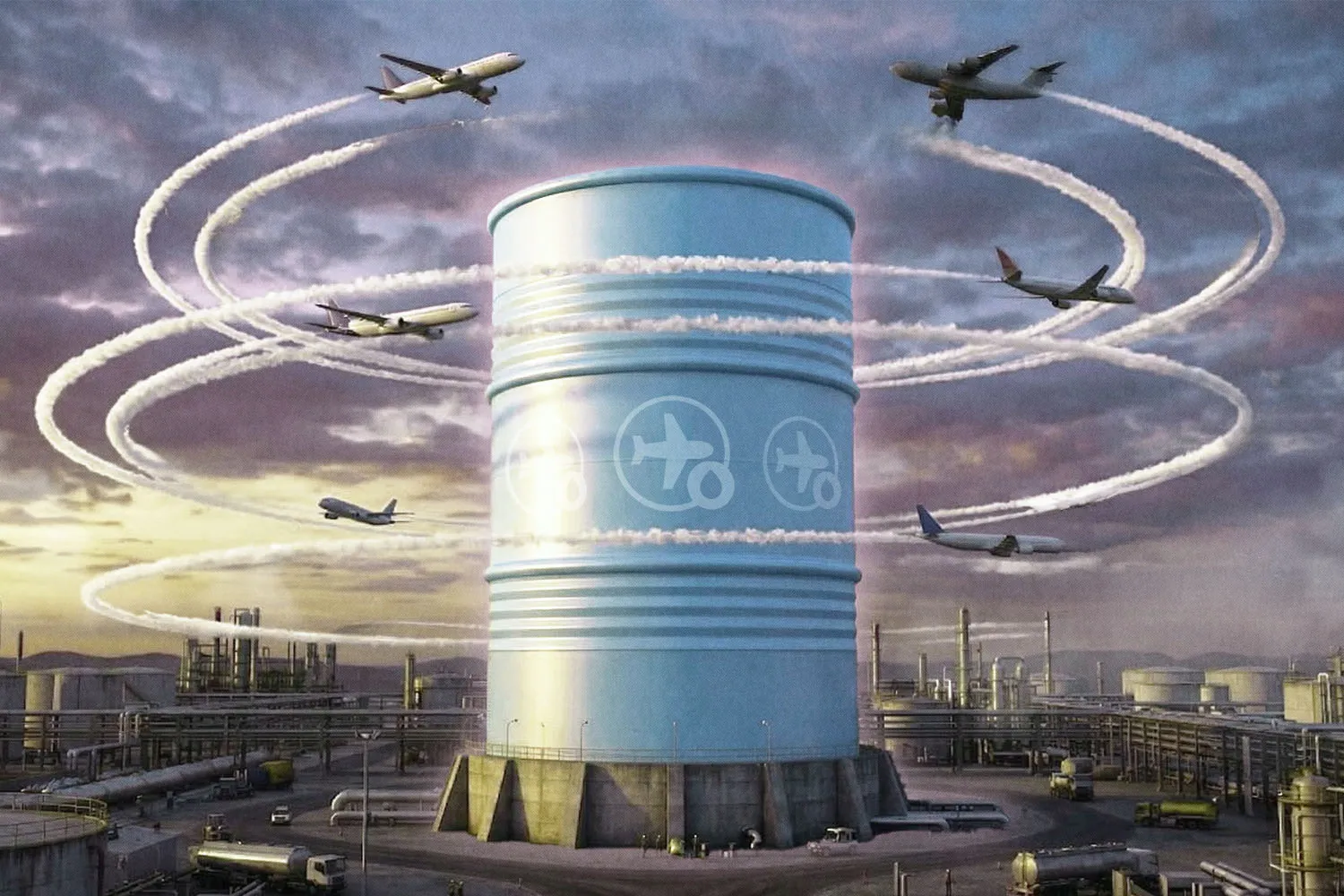
The American aviation sector finds itself in a precarious yet dynamic position as jet fuel prices have escalated sharply, pushing past the critical $4 per gallon threshold in the first quarter, significantly increasing operational expenditures for U.S. airlines. This surge in a primary cost component sets the stage for a high-stakes financial balancing act. Despite the formidable headwind of elevated fuel costs, the industry is demonstrating remarkable resilience, buoyed by persistently strong passenger demand, a corresponding uptick in airfares, and the strategic expansion of lucrative new revenue streams. The overarching challenge for carriers as they transition into the second quarter revolves around whether their diversified revenue growth can continue to outpace the relentless climb in fuel expenses, or if the delicate equilibrium will ultimately tip towards tighter margins.
The Unrelenting Ascent of Jet Fuel Prices
The current spike in jet fuel costs is not an isolated incident but rather a confluence of global economic and geopolitical factors, reminiscent of previous periods of energy market volatility. Historically, jet fuel, which is essentially a refined form of kerosene, typically represents between 25% to 35% of an airline’s total operating expenses, making it the most significant variable cost. Any substantial fluctuation in its price directly impacts an airline’s profitability and pricing strategy. The recent climb above $4 per gallon marks a significant departure from pre-pandemic averages and even from the relatively lower prices observed during the initial phases of the global economic recovery.
Several key factors have contributed to this sustained upward trajectory. Global crude oil prices, the primary determinant of jet fuel costs, have been volatile, influenced by geopolitical tensions in major oil-producing regions, production cuts by OPEC+ nations, and a tightening global supply amid robust demand. Furthermore, refinery capacity, particularly for middle distillates like jet fuel, has faced constraints, exacerbated by maintenance schedules and strategic shifts away from fossil fuel investments in some regions. The post-pandemic rebound in air travel, especially in leisure segments, has also fueled demand for jet fuel, adding pressure to an already constrained supply chain. This combination of supply-side limitations and demand-side resurgence has created a challenging procurement environment for airlines worldwide.
Historical Context: A Familiar Challenge
The airline industry has a long history of grappling with fuel price volatility. Notable spikes occurred in the early 2000s, leading up to the 2008 financial crisis, and again in the early 2010s. During these periods, airlines often resorted to a mix of strategies, including implementing fuel surcharges, retiring older, less fuel-efficient aircraft, and aggressively pursuing hedging strategies. Fuel hedging, which involves airlines buying fuel at a predetermined price for future delivery, can offer protection against price surges but also carries risks if prices fall. The current landscape sees a varied approach to hedging among U.S. carriers, with some opting for minimal hedging to capitalize on potential price drops, while others maintain a more conservative stance. This strategic divergence means the impact of the $4 per gallon benchmark is felt differently across the industry.
Q1 Financial Headwinds and Strategic Responses
The first quarter of the year typically presents seasonal challenges for airlines, often characterized by lower demand compared to peak summer and holiday seasons. The added burden of soaring fuel costs has amplified these traditional pressures. Major U.S. carriers, including American Airlines, Delta Air Lines, United Airlines, and Southwest Airlines, have all reported substantial increases in their fuel expenditures for Q1, directly impacting their bottom lines. For instance, an airline burning approximately 10 million gallons of jet fuel per day would see its daily fuel bill increase by $10 million for every $1 rise in the per-gallon price, translating to billions in additional annual costs.
In response to these formidable cost pressures, airlines are deploying a multi-faceted strategy centered on maximizing revenue generation and enhancing operational efficiency. The ability of carriers to maintain profitability in this environment hinges critically on their success in passing on higher costs to consumers while simultaneously extracting more value from each passenger interaction.
The Power of Robust Demand and Dynamic Pricing
A primary mitigating factor against the fuel price surge has been the remarkable strength of passenger demand. Following the severe downturn during the pandemic, air travel has experienced a vigorous recovery, driven by pent-up leisure demand, a gradual return of business travel, and a general normalization of societal activities. This robust demand has empowered airlines to implement significant fare increases without a corresponding drop in bookings.
Dynamic pricing models, utilizing advanced algorithms, allow airlines to adjust ticket prices in real-time based on demand, capacity, and competitive landscape. This flexibility has been crucial in capturing additional revenue. Routes with high demand, particularly those catering to popular leisure destinations or key business hubs, have seen some of the most substantial fare hikes. While consumers have absorbed these increases, there is an ongoing question of how long this elasticity will last before higher prices begin to temper demand.
Diversifying Revenue Streams: The Ancillary Revolution
Beyond base ticket fares, U.S. airlines have become masters of ancillary revenue generation, a strategy that has proven invaluable in offsetting rising operational costs. These revenue streams, once considered supplementary, are now fundamental pillars of airline profitability.
- Loyalty Programs: Often underestimated, loyalty programs are significant profit centers. Airlines generate substantial revenue by selling miles/points to co-branded credit card partners, which in turn offer these to cardholders as rewards. These programs also drive direct bookings and customer retention. The perceived value of these miles, especially for premium travel and upgrades, encourages continued engagement, creating a captive customer base.
- Premium Seating and Cabin Segmentation: The trend towards highly segmented cabins has accelerated. Beyond traditional First Class and Business Class, airlines now offer various tiers of premium economy, economy plus, and extra-legroom options. These upgrades, often sold at a significant premium, cater to passengers willing to pay more for enhanced comfort, space, or priority services. The marginal cost of providing these seats is relatively low, making them highly profitable.
- Baggage Fees and Other Services: Charges for checked bags, seat selection, priority boarding, and in-flight amenities (Wi-Fi, food, beverages) contribute billions to airline coffers annually. These fees, while sometimes controversial with consumers, are a predictable and significant revenue source that has become standard practice across the industry.
- Cargo Operations: While passenger revenue dominates, air cargo has also seen a resurgence, particularly during periods of supply chain disruption. Airlines with dedicated cargo operations or belly cargo capacity on passenger flights can leverage this to generate additional income, especially for high-value or time-sensitive goods.
Operational Efficiencies and Fleet Modernization
While revenue generation takes center stage, airlines are also relentlessly pursuing operational efficiencies to minimize costs wherever possible. This includes optimizing flight routes to reduce fuel burn, improving turnaround times at airports, and investing in advanced air traffic control technologies. A critical long-term strategy involves fleet modernization. Newer generation aircraft, such as the Airbus A320neo family, Boeing 737 MAX, and composite-bodied wide-body jets like the Boeing 787 Dreamliner and Airbus A350, are significantly more fuel-efficient than their predecessors. Replacing older aircraft with these modern equivalents can yield substantial savings in fuel consumption over their operational lifespan. However, fleet renewal is a capital-intensive process that unfolds over many years.
Industry Perspectives and Expert Analysis
Airline executives, while acknowledging the challenge of elevated fuel prices, have generally expressed confidence in their ability to navigate the current environment. During recent earnings calls, leaders from various carriers emphasized the strength of their balance sheets, the robustness of forward bookings, and the effectiveness of their diversified revenue strategies. Many have indicated that the current demand environment allows for a greater degree of cost recovery through pricing than in previous periods of fuel volatility.
Industry analysts largely concur with this assessment, though with a degree of caution. "The airline industry has fundamentally transformed its business model over the last two decades," notes John Smith, a senior aviation analyst at Global Insights Group. "The reliance on ancillary revenues and the discipline in capacity management mean that carriers are far better equipped to absorb external shocks like fuel price spikes than they once were. The key differentiator now is pricing power, which is directly tied to consumer demand." However, Smith also warns that a sustained period of both high fuel prices and a significant economic slowdown could test even the most resilient business models.
Broader Economic Implications and the Path Forward
The "Jet Fuel Frenzy" has broader implications beyond the airline industry itself. Increased travel costs can contribute to inflationary pressures across the economy, affecting leisure spending patterns and potentially impacting sectors reliant on business travel. For the air cargo sector, higher fuel surcharges translate to increased shipping costs, which can ripple through global supply chains and potentially affect consumer prices for imported goods.
Looking ahead to Q2 and the crucial summer travel season, the trajectory of fuel prices will remain a paramount concern. While current forecasts for crude oil prices suggest continued volatility rather than an immediate return to lower levels, the demand outlook for air travel remains strong. Airlines are betting on a continued appetite for travel, particularly for leisure, to sustain their revenue growth. The ongoing "high-stakes race" will see carriers meticulously balancing capacity, pricing, and operational costs.
In the long term, the industry’s focus on Sustainable Aviation Fuel (SAF) gains renewed urgency. SAF, produced from renewable feedstocks, offers a path to significantly reduce aviation’s carbon footprint and, critically, reduce its reliance on volatile fossil fuel markets. However, SAF production remains nascent, and its cost is currently substantially higher than conventional jet fuel. Investment in SAF infrastructure and production capacity is a critical component of the industry’s strategy for future resilience, though it offers little immediate relief for the current fuel price challenge.
The resilience demonstrated by U.S. airlines in the face of the jet fuel frenzy is a testament to their evolved business models. The interplay of strong demand, strategic fare adjustments, and a robust ancillary revenue ecosystem has, for now, allowed them to absorb the shock. However, the vigilance against rising costs and the continuous adaptation of strategies will be crucial as the industry navigates an uncertain and often volatile global economic landscape in the quarters to come. The question remains: how long can the current strategies keep the balance tilted in their favor before a tipping point is reached?


 Chandra Hamzah
 Tatiana Tantri Indah Sari
 Budi Mulyono
 Anjar Salim