
 Budi Mulyono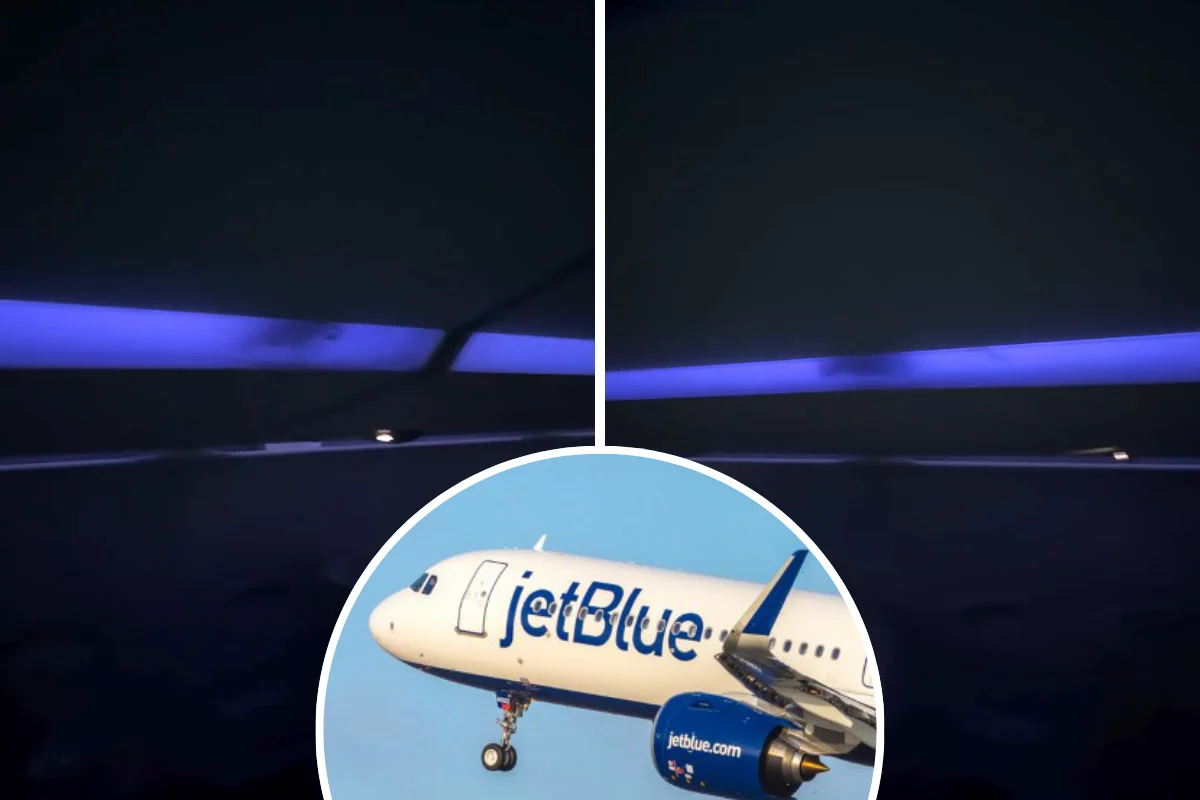
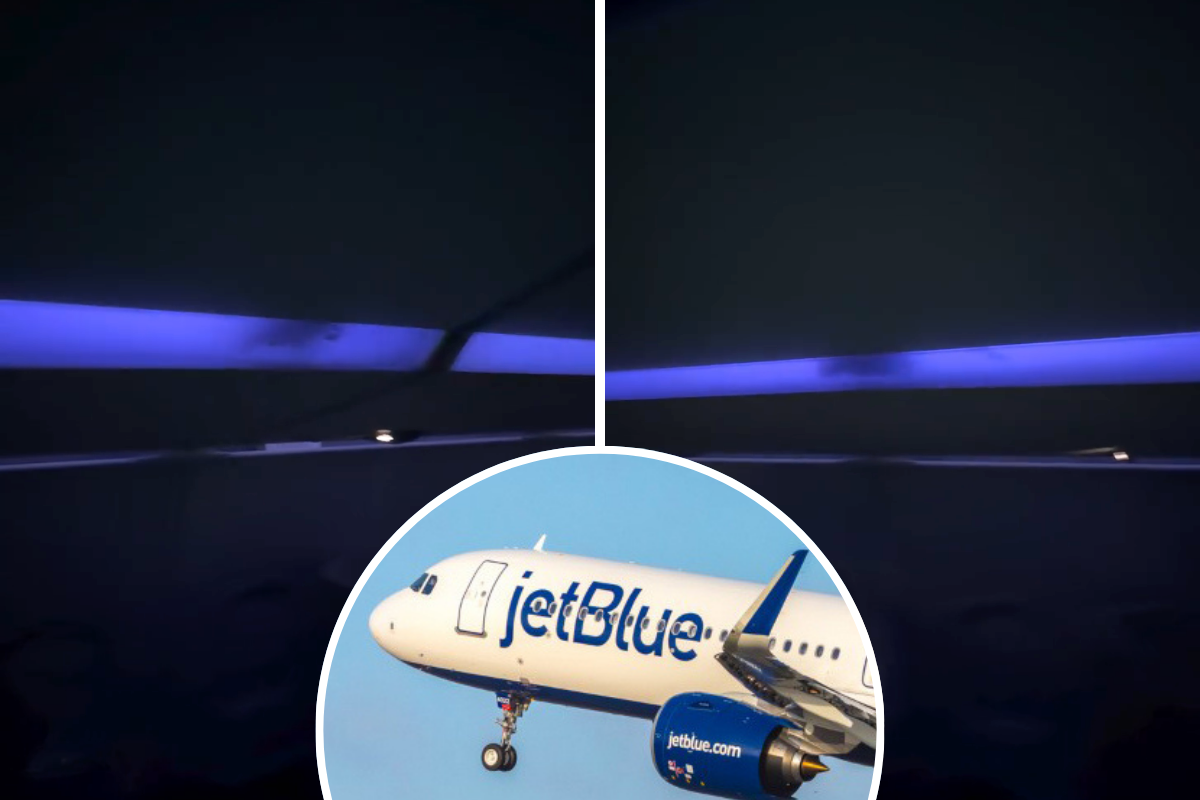
The aviation industry is facing renewed questions regarding cabin sanitation and technical safety following a viral social media post documenting a rodent infestation aboard a JetBlue Airways flight. The incident, which was captured on video and shared by a passenger identified as Brittney Nicole, shows the distinct shadow of a rat scurrying through the translucent light fixtures located beneath the overhead bins in the aircraft’s premium cabin. The footage has sparked widespread concern among frequent flyers and aviation safety experts, highlighting the potential for catastrophic mechanical failure should a rodent compromise the complex wiring systems that power modern commercial aircraft.
The video, which quickly gained traction on Instagram, was captioned with the passenger’s disbelief: “You can’t make this s**t up! Our first class [flight] with JetBlue had a rat. YES, a RAT in the overhead bin!!” While the specific flight number and route were not immediately disclosed by the passenger, aviation enthusiasts and analysts have noted that the interior aesthetics—specifically the unique LED lighting and overhead bin architecture—suggest the incident occurred on one of JetBlue’s newer aircraft, likely an Airbus A321neo or a refurbished A321ceo featuring the airline’s Mint premium service.
Technical Risks and the Danger of Rodents in Aviation
The presence of a rodent on a commercial aircraft is far more than a matter of passenger discomfort or a breach of hygiene protocols; it represents a Tier 1 safety hazard. Modern aircraft are essentially flying supercomputers, containing miles of intricate electrical wiring, fiber-optic cables, and hydraulic lines tucked behind cabin panels and within the "crown" of the fuselage. Rodents, specifically rats and mice, possess teeth that grow continuously throughout their lives, necessitating a constant need to gnaw on hard materials to prevent overgrowth.
Aviation safety experts warn that the insulation used in aircraft wiring is particularly susceptible to rodent damage. If a rat were to chew through the shielding of a critical flight control system or a communication line, it could lead to short circuits, electrical fires, or the loss of telemetry data. In a fly-by-wire aircraft, where pilot inputs are transmitted electronically to the control surfaces, such damage could have dire consequences. Furthermore, because rodents often nest in hard-to-reach areas, identifying the full extent of the damage requires extensive "heavy maintenance" inspections, which involve stripping back cabin interiors and panels to trace every inch of the affected wiring.
Comparative Analysis of Recent In-Flight Infestations
While the JetBlue incident is the latest to capture public attention, it is part of a recurring, albeit rare, challenge for the global aviation sector. In February 2024, a similar incident forced a major operational disruption for SAS Scandinavian Airlines. During a flight from Stockholm, Sweden, to Malaga, Spain, a mouse was discovered in the cabin of an Airbus A320. Unlike the JetBlue crew, who reportedly continued the flight to its destination, the SAS pilots elected to perform a precautionary diversion.
The SAS aircraft was cruising at 37,000 feet over Europe when the rodent was spotted, reportedly emerging from a passenger’s meal tray. Adhering to strict safety protocols regarding the risk of wire damage, the flight turned back to Stockholm Arlanda Airport. Upon landing, the aircraft was immediately removed from service for a comprehensive inspection and fumigation process. This marked the second time in less than two years that SAS had to divert a Malaga-bound flight due to a rodent stowaway, underscoring the persistent nature of the problem.
Beyond rodents, airlines have also contended with other biological hazards. In January 2024, an AirAsia flight from Bangkok to Phuket became the site of a "real-life Snakes on a Plane" scenario. Passengers noticed a small snake slithering across the overhead lighting panels. In that instance, the cabin crew demonstrated remarkable composure, utilizing plastic bags and water bottles to contain the reptile until the aircraft reached its destination, where it was subsequently met by animal control and maintenance teams.
The Logistics of Infiltration: How Pests Board Aircraft
The question of how a rat enters a pressurized, sealed aircraft cabin is a primary focus for airline ground operations. There are three main vectors for pest infiltration:
- Catering Services: This is the most common point of entry. Large industrial kitchens prepare thousands of meals daily, which are then transported in trolleys. If a catering facility has a pest problem, rodents can easily hide inside the meal carts and be rolled directly onto the aircraft.
- Cargo and Baggage: Rats are frequently found in airport warehouses. They can crawl into luggage or cargo pallets, which are then loaded into the hold. Once inside, they can move through the "cheeks" of the aircraft—the space between the outer skin and the inner cabin walls—to reach the passenger deck.
- Jet Bridges: In some climates, rodents may enter the aircraft via the jet bridge while the cabin doors are open during boarding or cleaning.
For JetBlue, determining the point of entry will be critical to preventing future occurrences. If the rodent entered via catering, it suggests a lapse in the vendor’s sanitation standards. If it entered through the airframe, it may indicate a need for more rigorous pre-flight inspections at specific hubs.
Economic Implications and Operational Costs
The financial impact of a rodent sighting on a plane is significant. When a stowaway is confirmed, the airline must follow a series of mandated steps:
- Grounding and Loss of Revenue: The aircraft must be taken out of rotation immediately. For a narrow-body jet like the A321, this can result in tens of thousands of dollars in lost ticket revenue per day.
- Extermination and Fumigation: Specialized pest control teams must be brought in to use non-corrosive gases or traps to ensure the animal is removed.
- Technical Inspection: Maintenance crews must perform a "zonal inspection" of the areas where the rodent was seen. This involves checking for droppings, nesting materials, and, most importantly, evidence of gnawing on wires.
- Reputational Damage: In the age of social media, viral videos of rats in "First Class" can tarnish an airline’s brand image, leading to a loss of consumer confidence and potential shifts in booking patterns toward competitors.
Regulatory Framework and Airline Responsibilities
The Federal Aviation Administration (FAA) in the United States and the European Union Aviation Safety Agency (EASA) maintain strict guidelines regarding aircraft airworthiness. Under these regulations, an aircraft is not considered airworthy if there is evidence of a condition that could compromise the safety of the flight. A rodent infestation falls squarely into this category due to the fire risk and electrical interference.
Airlines are required to maintain a "Continuous Airworthiness Maintenance Program" (CAMP). Following a report like the one on JetBlue, the airline is expected to file a report and document the corrective actions taken. While JetBlue has not released a formal statement detailing the specific tail number or the outcome of the maintenance check, industry standards dictate that the aircraft would have undergone a thorough "search and destroy" mission for the pest before returning to passenger service.
Conclusion and Future Outlook
The JetBlue rat incident serves as a stark reminder that despite the high-tech nature of modern aviation, the industry remains vulnerable to age-old biological challenges. As airlines strive to offer more luxurious cabin experiences—with ambient lighting, high-definition screens, and premium dining—the complexity of the cabin environment provides more hiding spots for opportunistic pests.
Moving forward, the industry may see an increase in the use of ultrasonic pest deterrents in hangars and more stringent auditing of third-party catering providers. For passengers, while the sight of a rodent at 30,000 feet is understandably unsettling, the primary concern remains the invisible damage these stowaways can cause to the aircraft’s nervous system. As JetBlue investigates this viral incident, the focus will remain on ensuring that "First Class" standards apply not just to the service, but to the fundamental sanitation and safety of the airframe itself.



 Anjar Salim
 Lukman Taruna Persada Ramadan

 Chandra Hamzah
 Tatiana Tantri Indah Sari