
 Budi Mulyono
The modern travel landscape is currently undergoing a significant transformation as seasoned travelers pivot away from hyper-commercialized hubs in favor of "virtually undiscovered" locales that offer a balance of tranquility and infrastructure. This shift was recently highlighted during an "Ask Us Anything" forum hosted by Frequent Miler, a leading authority on loyalty programs and strategic travel. The discussion, which centered on identifying island destinations that lack traditional tourist crowds yet maintain a high standard of activities and amenities, underscores a growing demand for "under-tourism"—a travel philosophy focused on visiting overlooked destinations to mitigate the environmental and social pressures on world-famous sites. Using Thailand’s Koh Kood as a primary benchmark, travel experts and enthusiasts have begun cataloging a new tier of destinations that cater to those seeking the elusive "middle ground" of international travel: isolation without total deprivation of services.
The Evolution of the "Undiscovered" Travel Mandate
The term "undiscovered" has become a point of contention among travel analysts and geographers. In a world mapped by satellite imagery and connected by social media, true discovery is a misnomer; however, in a tourism context, it refers to destinations that have not yet been reached by mass-market cruise lines, high-rise hotel chains, or heavy tour-bus traffic. The recent inquiry posed to the Frequent Miler team reflects a sophisticated consumer base that values authenticity over Instagram-centric "hotspots."
According to data from the United Nations World Tourism Organization (UNWTO), international tourist arrivals reached 88% of pre-pandemic levels in 2023, with certain regions like the Mediterranean and Southeast Asian hubs exceeding 2019 benchmarks. This resurgence has led to unprecedented crowding in traditional island favorites like Bali, Santorini, and Phuket. Consequently, the search for alternatives has intensified. The criteria for these "new" destinations are specific: they must remain relatively uncrowded, offer a sense of local culture, and possess enough logistical infrastructure—such as reliable transport and quality lodging—to make them accessible to travelers utilizing miles and points for luxury or semi-luxury experiences.
The Koh Kood Benchmark: A Case Study in Balanced Tourism
Koh Kood, an island in the Gulf of Thailand near the Cambodian border, was cited during the forum as the gold standard for this category. Unlike its neighbors, Koh Chang and Koh Mak, Koh Kood has resisted the rapid urbanization seen in other parts of Thailand. It remains the fourth largest island in the country but is the least populated.
The island’s appeal lies in its strict zoning and geographical distance from Bangkok, which filters out day-trippers and "party-circuit" travelers. Despite its seclusion, it hosts world-class luxury resorts, most notably Soneva Kiri, which provides a blueprint for how high-end tourism can coexist with environmental preservation. The Frequent Miler discussion noted that Koh Kood represents a "sweet spot" for travelers who want the amenities of a five-star stay without the noise and congestion of a major metropolitan beach. This balance of limited development and high-quality experiences is what modern travelers are increasingly seeking.
Recommended Island Destinations: Beyond the Mainstream
In response to the growing interest in these locales, several destinations have been identified as fulfilling the criteria of being uncrowded yet activity-rich. These recommendations are based on accessibility via airline miles, hotel loyalty program footprints, and overall traveler sentiment.
1. Siquijor, Philippines
While Boracay and Palawan dominate the Philippine tourism narrative, Siquijor remains a quieter alternative. Known historically for its folk healing and mystical traditions, the island offers pristine white sand beaches and turquoise lagoons without the dense crowds of El Nido. In recent years, the island has seen a controlled increase in boutique accommodations. Activities such as diving in the Tubod Marine Sanctuary and visiting the Cambugahay Falls provide the "things to do" that the Frequent Miler community prioritizes.

2. The Azores, Portugal
Often described as the "Hawaii of the Mid-Atlantic," the Azores have remained relatively insulated from the mass tourism affecting mainland Portugal. The archipelago’s commitment to sustainability—it was the first island group in the world to be certified as a sustainable tourism destination by EarthCheck—has kept development in check. São Miguel and Terceira offer volcanic landscapes, hot springs, and world-class whale watching. For travelers using points, the presence of various boutique properties and connections via SATA Azores Airlines and TAP Air Portugal makes it a viable luxury-on-a-budget destination.
3. Ilha Grande, Brazil
Located a few hours from Rio de Janeiro, Ilha Grande is a car-free island that serves as a sanctuary of Atlantic rainforest. Because motor vehicles are prohibited, the island maintains a quietude that is rare for a destination within such proximity to a major global city. Lopez Mendes Beach is consistently ranked among the most beautiful in the world, yet the effort required to reach it—either by boat or forest hike—naturally limits the volume of visitors.
4. Flores, Indonesia
As Bali faces significant challenges with water scarcity and traffic congestion, Flores has emerged as the next frontier for Indonesian travel. While it serves as the gateway to Komodo National Park, the island itself offers rugged mountains, the tri-colored crater lakes of Kelimutu, and traditional villages. The infrastructure in the hub of Labuan Bajo has improved significantly, with new luxury Marriott and Ayana properties allowing points-based travelers to explore the region in comfort.
The Role of Loyalty Programs in Shaping New Frontiers
A critical component of the Frequent Miler discussion was the intersection of "undiscovered" travel and the strategic use of miles and points. The economics of reaching remote islands often involve expensive regional flights and high-cost boutique lodging. However, as major hotel conglomerates like Hyatt, Marriott, and Hilton expand their "independent collections" (such as the Curio Collection or SLH partnership), more off-the-beaten-path locations are becoming accessible to loyalty program members.
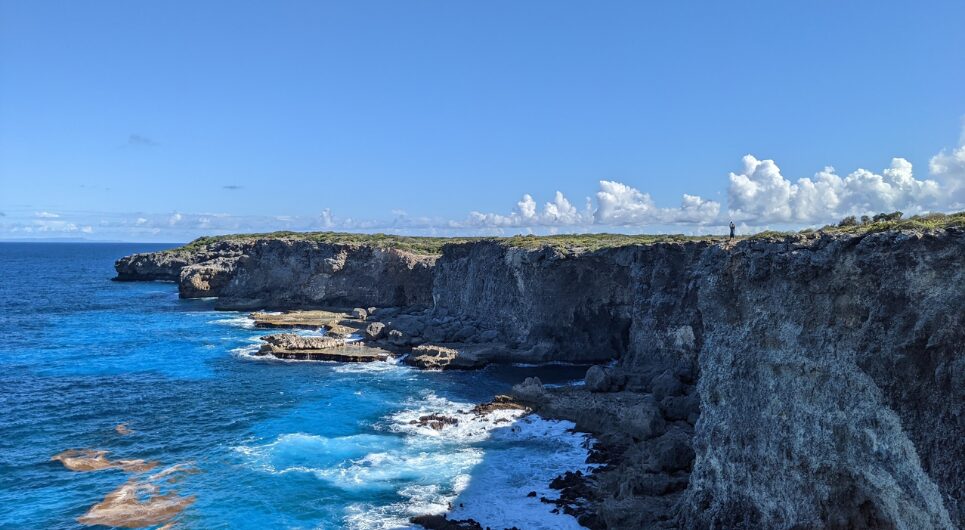
Industry analysts suggest that the integration of smaller, independent resorts into global booking engines is a double-edged sword. While it provides travelers with the ability to use points for stays in places like the Cook Islands or the Seychelles, it also increases the visibility of these "hidden gems," potentially leading to the very crowding that travelers are trying to avoid. The timeline of a destination’s "discovery" often follows a predictable pattern: initial interest from backpackers, followed by the entry of boutique luxury brands, and finally, the arrival of global loyalty programs.
Analysis of Global Travel Trends: The "Under-Tourism" Movement
The move toward uncrowded islands is not merely a preference for quiet; it is a structural response to the "over-tourism" crises seen in 2023 and 2024. Cities like Venice and Amsterdam have implemented entry fees and restrictions on cruise ships, respectively. In the island context, the Maldives has long utilized a "one island, one resort" model to manage density.
The "Ask Us Anything" session highlighted a broader trend where travelers are now performing more rigorous due diligence before booking. Factors such as the "tourist-to-local ratio," the availability of non-resort dining, and the ease of local transportation are now as important as the quality of the beach. This indicates a maturing market where the "destination" is defined by the quality of the environment rather than the density of attractions.
Economic and Environmental Implications
For the islands mentioned, the influx of a more intentional, high-spending traveler class can be beneficial. Unlike mass-market tourism, which often results in "economic leakage" (where profits leave the local community to international corporations), boutique and "undiscovered" tourism can support local ecosystems if managed correctly.
However, the risk of "discovery" remains. The chronology of tourism development shows that once a destination is featured in major travel forums or "best of" lists, the window of "virtually undiscovered" status typically closes within five to ten years. Governments in regions like the Azores and Thailand’s Trat province (where Koh Kood is located) are increasingly looking at sustainable development goals (SDGs) to ensure that the increase in interest does not result in the degradation of the natural resources that made the islands attractive in the first place.
Future Outlook and Reader Contributions
The Frequent Miler community continues to act as a real-time database for these shifting trends. During the recent discussion, listeners and readers contributed their own recommendations, including lesser-known Greek islands like Milos and Folegandros, which offer the aesthetic of Santorini without the cruise ship crowds. Others suggested the San Blas Islands in Panama for a truly off-grid experience.
As travel continues to normalize in the post-pandemic era, the industry is expected to see a continued divergence. One segment of the market will continue to flock to the iconic landmarks of Europe and Asia, while a growing, more strategic segment will seek out the Koh Koods of the world. The challenge for these travelers remains the same: finding a destination that offers the comfort of the modern world while retaining the soul of a place that has not yet been fully commodified.
The ongoing dialogue between travel experts and the public is essential in mapping this new geography. By sharing experiences of islands that "lack the crowds but still have things to do," travelers are effectively voting with their feet—and their miles—for a more sustainable and tranquil future in global tourism. The consensus from the "Ask Us Anything" forum is clear: the most valuable currency in modern travel is no longer just the miles in one’s account, but the privacy and authenticity of the destination itself.




 Anjar Salim
 Lukman Taruna Persada Ramadan

 Chandra Hamzah
 Tatiana Tantri Indah Sari