
 Chandra Hamzah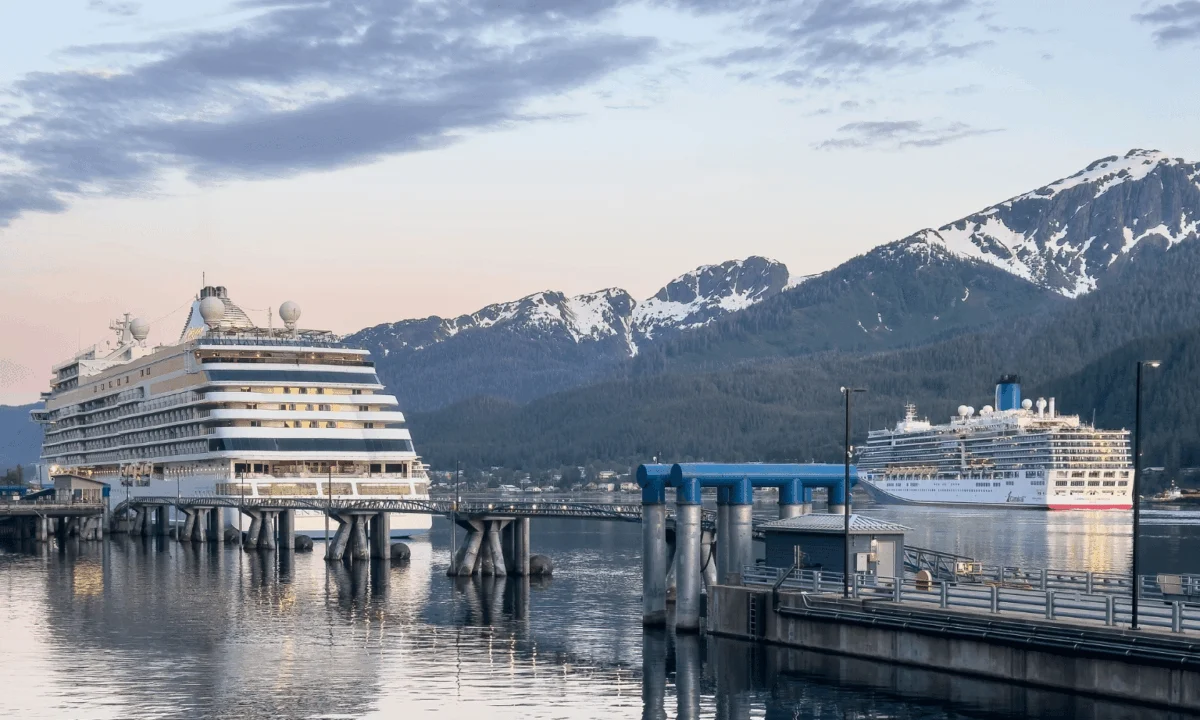
Juneau, Alaska, has initiated its latest cruise season under a revised framework of passenger limits, marking a significant step towards managing the influx of visitors after years of contentious discussions with the cruise industry. The new regulations, designed to foster a more sustainable tourism model, aim to strike a balance between accommodating the economic benefits of cruising and preserving the quality of life for the city’s residents and the integrity of its environment.
Strategic Passenger Caps Introduced
The cornerstone of the new policy is a daily cap of 16,000 cruise passengers allowed to disembark in Juneau. This limit is further refined with a reduced capacity of 12,000 passengers on Saturdays, a day historically known for its high volume of arrivals. These figures represent a notable decrease from previous seasons, where peak days could see upwards of 20,000 visitors. For context, Juneau’s permanent population hovers around 30,000 people, making the daily influx of cruise passengers a substantial demographic shift.
Complementing the passenger caps, Juneau has also maintained a limit of five cruise ships per day, a measure that has been in effect since 2024. This dual approach—limiting both the number of ships and the number of passengers per ship—is intended to create a more predictable and manageable flow of tourism throughout the season.
Shifting Schedules, Not Necessarily Reduced Overall Numbers
While the daily and Saturday caps might suggest a reduction in the overall number of cruise passengers visiting Juneau, the reality is more nuanced. Cruise lines have been compelled to adjust their scheduling and embarkation strategies to adhere to these new parameters. This recalibration means that while fewer passengers may be in the city on any given day, the total number of visitors expected between the season’s commencement in late April and its conclusion in October remains robust. Projections estimate that approximately 1.7 million visitors will pass through the Alaskan capital during this period.
The success of these new regulations hinges on the cruise lines’ ability to effectively redistribute their passenger loads across the week, thereby avoiding the concentrated surges that have previously strained local infrastructure and resources. This strategic scheduling aims to ensure a more even distribution of visitors throughout the port and its associated attractions.
The Season Begins: A Test of New Policies
The 2026 cruise season officially commenced on April 27th with the arrival of the MS Eurodam, operated by Holland America Line. This inaugural docking served as the first real-world test of Juneau’s new passenger management strategy. City officials and tourism stakeholders have expressed cautious optimism, believing that these caps will alleviate concerns about over-tourism without hindering the growth and economic contributions of the cruise industry.
The image accompanying this report, depicting two cruise ships docked in Juneau, visually represents the industry’s presence. The caption notes that cruise ships have had to adjust their schedules to comply with daily caps, highlighting the operational changes necessitated by the new regulations.
Official Perspectives: Striving for Predictability and Stability
Alix Pierce, the Visitor Industry Director for the City and Borough of Juneau (CBJ), elaborated on the rationale and anticipated outcomes of the new policies in a recent interview with Juneau radio station KTOO. Pierce explained that the daily cap of 16,000 passengers, with a lower limit of 12,000 on Saturdays, is a significant departure from the exceptionally busy days of the past.
"So we have a daily passenger cap of 16,000 people, with 12,000 on Saturday," Pierce stated. "And that’s down from our maximum peak days – about 21,000 passengers – and those weren’t typical. They were a couple of times a year, but that 16,000 number facilitates five ships, with kind of one to two larger ships, and requires an even distribution of people throughout the port."
The overarching goal, Pierce emphasized, is to establish a more predictable operating environment for all parties involved. "So hopefully, the goal is that we’re able to kind of adjust to operating under those parameters. And the tour operators have a sense of predictability. The city has a sense of predictability. We kind of have a steady volume that we can work towards improving our ability to manage that volume."
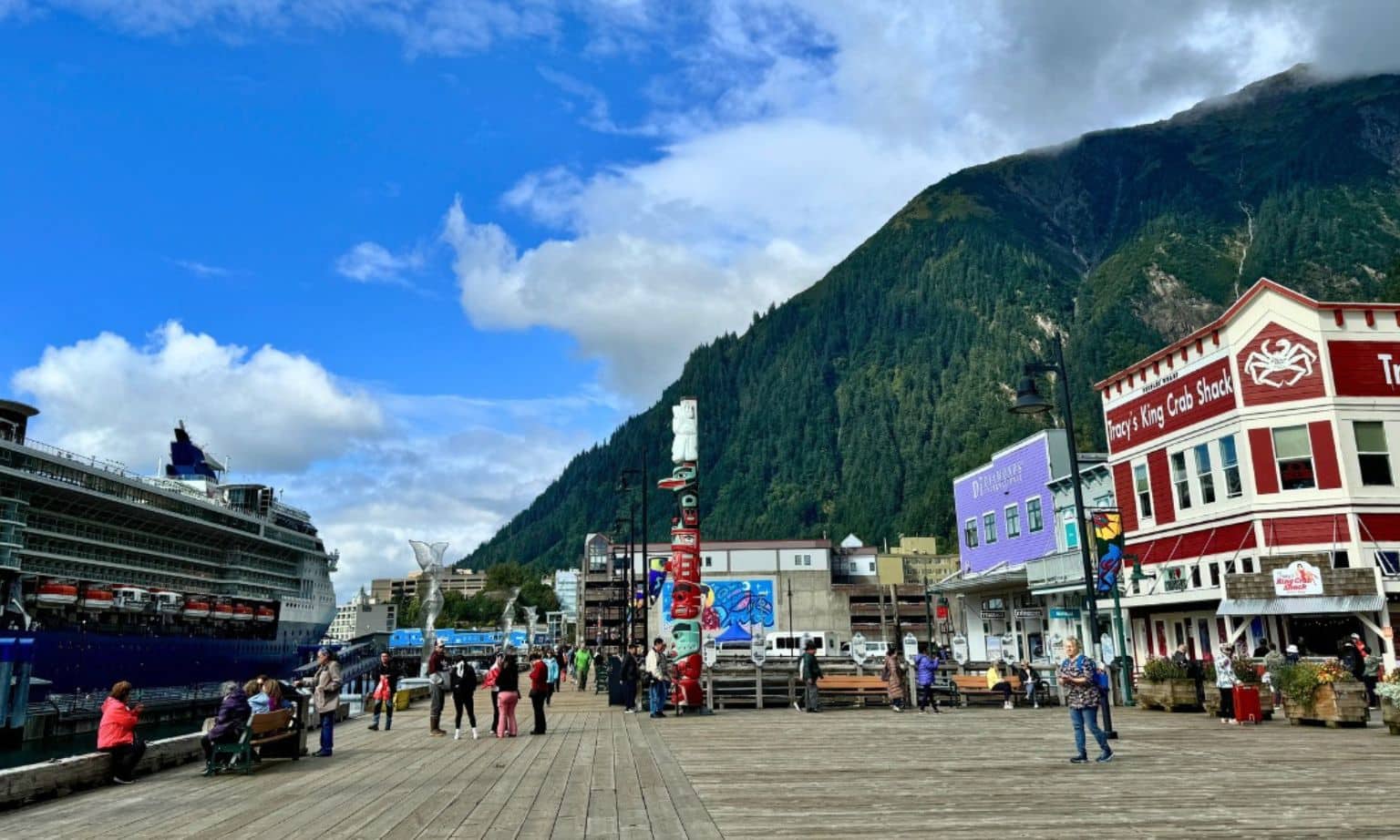
Pierce expressed a desire for the new system to feel seamless to visitors. "Honestly, I hope people don’t really feel it, that it just kind of feels normal and steady. We are not going to see the crazy, crazy, busy Tuesdays in the same way that we used to on those 20,000-passenger days. But other than that, really the hope is predictability, stability, trying to create a sense of, kind of normalcy with the level of tourism that we have."
This focus on normalcy and stability is crucial for a city that has grappled with the challenges of managing large, transient populations that can significantly impact local services, infrastructure, and the overall visitor experience. By smoothing out the peaks, Juneau aims to provide a more consistent and enjoyable experience for both tourists and residents.
Regional Shifts: A Ripple Effect in Southeast Alaska
Interestingly, Pierce also pointed out that the most significant shifts in cruise passenger distribution might be felt in neighboring communities within Southeast Alaska, particularly those that have not implemented similar passenger caps. This suggests a potential redirection of cruise itineraries as lines adapt to Juneau’s new regulations.
"I think the kind of big surprise shift that doesn’t necessarily affect Juneau, because we have limits and caps, is that the rest of the region is kind of filling up and getting busier," Pierce observed. "Ketchikan is almost as busy as Juneau this year. There were some rumours early on that they were actually going to have more people than Juneau, but they have slightly less than we do, which is still a real first. So, a bit of a shift for Southeast Alaska, but Juneau is kind of staying the same, which is our goal."
This regional redistribution is a critical aspect of the broader impact of Juneau’s policy. While Juneau seeks to manage its own tourism flow, other ports may experience increased activity. This dynamic underscores the interconnectedness of the cruise industry in Alaska and the potential for policy decisions in one municipality to have ripple effects across the entire region. The fact that Ketchikan is nearing Juneau’s visitor numbers, and has historically seen fewer, indicates a significant rebalancing of cruise traffic in Southeast Alaska.
Background and Context: A History of Negotiation
Juneau’s journey to implementing these new passenger limits has been a long and often complex one, characterized by ongoing dialogue and sometimes strained negotiations between the city government and major cruise line operators. For years, the rapid growth of the cruise industry led to unprecedented numbers of visitors descending upon the capital city, particularly during the peak summer months.
Concerns voiced by residents and local businesses often centered on the strain placed on infrastructure, including transportation, public spaces, and the natural environment. The sheer volume of people could lead to congestion, impact the quality of the visitor experience, and raise questions about the long-term sustainability of such high-density tourism.
In response, various proposals were put forth over the years, ranging from stricter docking regulations to environmental impact studies and fare increases. The cruise industry, in turn, has emphasized its significant economic contributions to Juneau and Alaska, including job creation and local spending. The current agreement represents a compromise, acknowledging the industry’s importance while prioritizing the city’s capacity to manage tourism effectively.
The implementation of the five-ship-per-day limit in 2024 was a precursor to the current passenger caps, signaling a deliberate move towards more controlled growth. This phased approach allowed the city and the industry to adapt gradually to stricter measures.
Analyzing the Implications: Economic Stability and Environmental Stewardship
The new passenger limits in Juneau are poised to have several significant implications:
- Enhanced Visitor Experience: By reducing the daily density of tourists, the city aims to improve the experience for both visitors and residents. Less crowding at popular attractions and a more relaxed atmosphere can lead to higher satisfaction rates.
- Improved Infrastructure Management: More predictable visitor numbers can help the city better manage its infrastructure, including sanitation, waste management, and public transportation, reducing strain during peak periods.
- Economic Diversification and Local Business Support: While the caps aim to manage volume, the focus on predictable numbers can help local businesses better plan their staffing and inventory, potentially leading to more stable economic activity. The continued arrival of 1.7 million visitors still represents a substantial economic driver.
- Environmental Protection: Reduced pressure on natural resources and sensitive ecosystems is a key benefit of managing visitor numbers. This aligns with Alaska’s reputation as a pristine wilderness destination.
- Cruise Line Adaptation: Cruise lines will continue to refine their operational strategies, potentially leading to innovations in scheduling, onboard passenger management, and shore excursion offerings to maximize the value of their Alaskan itineraries within the new constraints.
- Regional Tourism Dynamics: As noted by Pierce, other Alaskan destinations may see shifts in cruise traffic. This could present opportunities for these communities but also necessitate their own considerations regarding tourism management.
The success of Juneau’s new cruise passenger limits will be a closely watched development in the broader discussion of sustainable tourism in popular cruise destinations worldwide. It represents a proactive approach to balancing economic imperatives with the need to preserve the unique character and environmental integrity of a beloved Alaskan city. The ongoing monitoring and evaluation of these caps will be crucial in ensuring their long-term effectiveness.




 Anjar Salim
 Tatiana Tantri Indah Sari
 Budi Mulyono
 Lukman Taruna Persada Ramadan
