
 Chandra Hamzah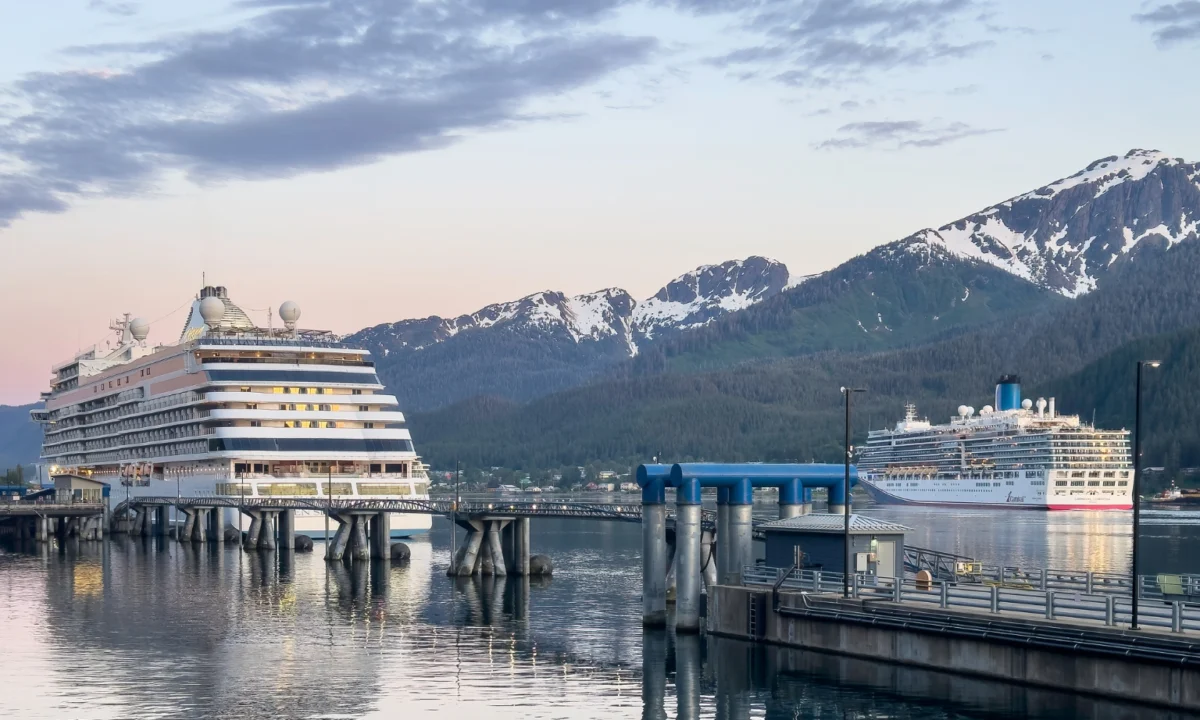
Juneau, Alaska – The scenic capital of Alaska is embarking on its latest cruise season with a refined approach to managing the influx of visitors, implementing new daily passenger caps designed to strike a balance between industry demands and the well-being of the local community and environment. Following a period of evolving dialogue and occasional disputes with major cruise lines, the city appears to have found a pathway toward a more harmonious coexistence, kicking off its 2026 season under a framework that prioritizes controlled growth and enhanced visitor experience.
New Regulations Aim for Predictability and Stability
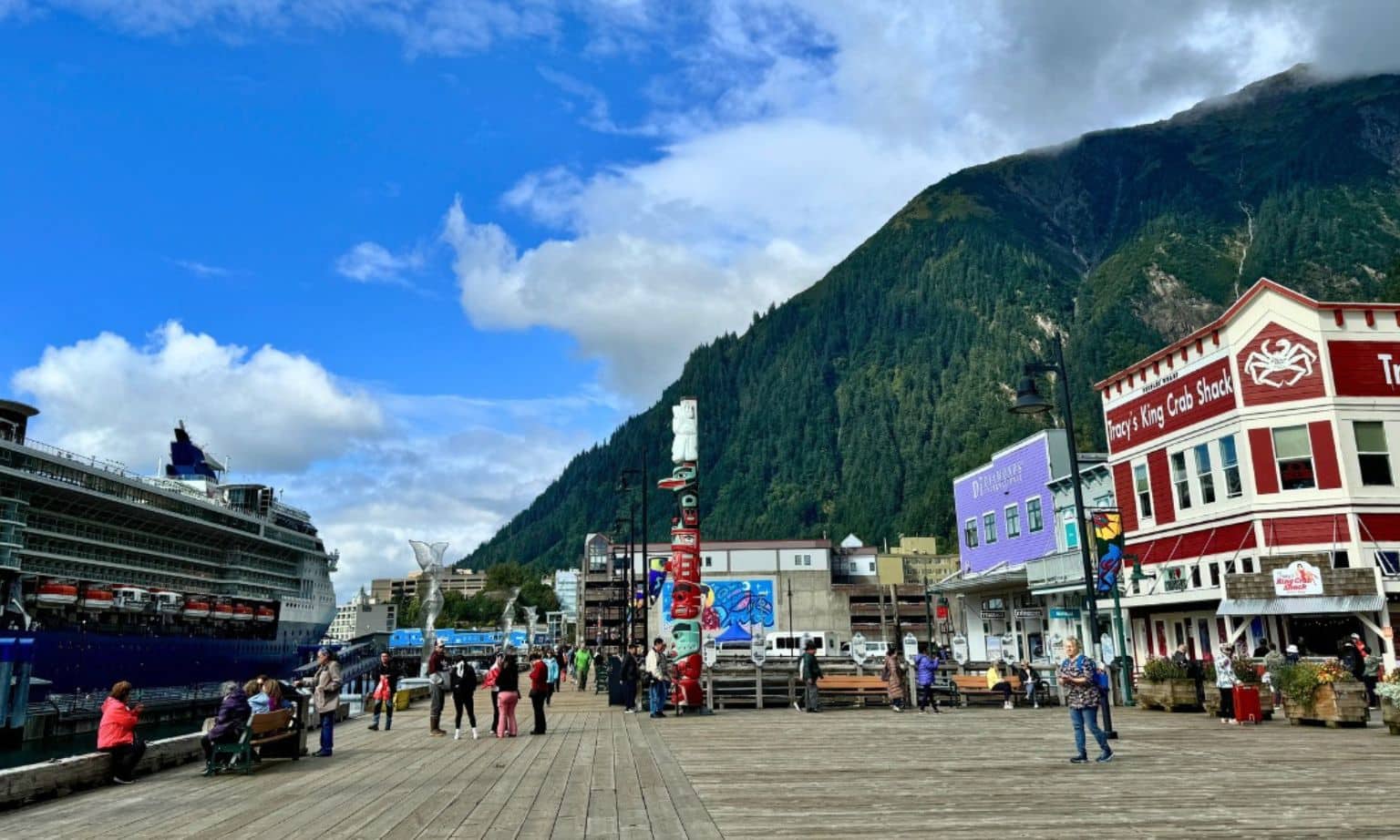
Under the recently enacted regulations, Juneau will now limit the number of cruise passengers docking in the city to a maximum of 16,000 per day. This figure is further refined to a cap of 12,000 passengers on Saturdays, a common day for increased cruise ship arrivals. These numbers represent a significant adjustment from previous seasons, where Juneau occasionally saw upwards of 20,000 passengers on peak days, placing considerable strain on local infrastructure and services. For context, Juneau’s year-round resident population hovers around 30,000, highlighting the substantial daily population increase during peak cruise season.
Furthermore, the city has maintained a long-standing limit of five cruise ships per day, a measure that has been in effect since 2024. This dual approach – limiting both the number of vessels and the total passenger count – is intended to ensure a more even distribution of visitors throughout the day and across various attractions, thereby mitigating congestion and improving the overall quality of the visitor experience.
Scheduling Adjustments Drive the New Passenger Flow
While the new passenger caps may seem restrictive, they do not necessarily translate to a reduction in the overall number of visitors expected to grace Juneau’s shores. Instead, cruise lines have been compelled to undertake significant scheduling recalibrations to comply with the daily limits. This strategic adjustment aims to ensure that the maximum daily passenger thresholds are consistently met without exceeding them. The economic forecast for the season remains robust, with an estimated 1.7 million visitors projected to transit through the Alaskan capital between the start of the season and its conclusion in October.
The official commencement of the 2026 cruise season was marked by the arrival of the MS Eurodam from Holland America Line on April 27, 2026. This event signals the city’s confidence in the efficacy of the new passenger management strategy, anticipating that these caps will effectively address over-tourism concerns while simultaneously supporting the continued growth and economic contributions of the cruise industry.
Official Perspectives on the New Tourism Model
Alix Pierce, Director of the CBJ Visitor Industry, elaborated on the strategic intent behind these new regulations in an interview with local radio station KTOO. "So we have a daily passenger cap of 16,000 people, with 12,000 on Saturday," Pierce stated. "And that’s down from our maximum peak days – about 21,000 passengers – and those weren’t typical. They were a couple of times a year, but that 16,000 number facilitates five ships, with kind of one to two larger ships, and requires an even distribution of people throughout the port."
Pierce expressed optimism that the new system will foster a more predictable operating environment for all stakeholders. "So hopefully, the goal is that we’re able to kind of adjust to operating under those parameters. And the tour operators have a sense of predictability. The city has a sense of predictability. We kind of have a steady volume that we can work towards improving our ability to manage that volume," she added.
The anticipated outcome of these measures is a smoother, more manageable tourism flow. "Honestly, I hope people don’t really feel it, that it just kind of feels normal and steady," Pierce remarked. "We are not going to see the crazy, crazy, busy Tuesdays in the same way that we used to on those 20,000-passenger days. But other than that, really the hope is predictability, stability, trying to create a sense of, kind of normalcy with the level of tourism that we have." This sentiment underscores a desire to move away from the sporadic, overwhelming peaks that previously characterized certain days, towards a more consistent and sustainable level of visitor activity.
Broader Regional Impacts and Shifting Dynamics
Interestingly, Pierce also highlighted that the most significant impacts of Juneau’s new cruise management strategy might be felt in neighboring communities. As Juneau implements its caps, other destinations in the region that do not have similar restrictions are experiencing an increase in cruise traffic. This redistribution of visitor flow is creating new dynamics within Southeast Alaska’s tourism landscape.
"I think the kind of big surprise shift that doesn’t necessarily affect Juneau, because we have limits and caps, is that the rest of the region is kind of filling up and getting busier," Pierce observed. "Ketchikan is almost as busy as Juneau this year. There were some rumors early on that they were actually going to have more people than Juneau, but they have slightly less than we do, which is still a real first. So, a bit of a shift for Southeast Alaska, but Juneau is kind of staying the same, which is our goal."
This observation suggests that while Juneau is prioritizing controlled capacity, other Alaskan ports may be absorbing some of the cruise lines’ adjusted itineraries. The shift in visitor distribution could lead to increased economic opportunities for these ports, but also potential challenges related to infrastructure and capacity management. For Juneau, the objective remains to maintain a stable and manageable level of tourism, ensuring that the city’s unique character and natural beauty are preserved for future generations of both residents and visitors.
Historical Context: A Long Road to Harmony
The implementation of these new passenger caps is the culmination of years of often contentious negotiations and policy adjustments between Juneau and the cruise industry. For decades, the city has grappled with the dual realities of being a premier cruise destination and a relatively small, albeit vibrant, community. Early in the cruise industry’s expansion in Alaska, the sheer volume of visitors during peak season often overwhelmed local infrastructure, from docking facilities and transportation networks to retail spaces and natural attractions.
Concerns voiced by residents and local businesses frequently centered on issues such as traffic congestion, environmental impact on sensitive ecosystems, and the potential dilution of the authentic local experience due to the overwhelming presence of day-trippers. This led to various initiatives over the years, including efforts to manage ship schedules, improve waste management protocols, and encourage longer stays for visitors to explore beyond the immediate port area.
The establishment of the five-ship-per-day limit in 2024 was a significant step, signaling a more assertive stance by the city in controlling the scale of cruise operations. The subsequent introduction of passenger caps further refines this approach, moving from managing the number of vessels to directly controlling the human volume. This evolution in policy reflects a growing understanding that sustainable tourism requires not only managing the physical presence of ships but also the tangible impact of the people they carry.
Economic Implications and Future Outlook
The cruise industry is a vital economic engine for Juneau, generating substantial revenue through passenger spending on tours, retail, dining, and lodging. The challenge has always been to harness this economic potential without compromising the quality of life for residents or the environmental integrity of the region. The new passenger limits are expected to foster a more consistent revenue stream for local businesses, as predictable visitor numbers allow for better resource allocation and service planning.
By ensuring a steady, manageable flow of visitors, the city aims to enhance the overall visitor experience. This can lead to increased visitor satisfaction, encouraging repeat visits and positive word-of-mouth, which are crucial for long-term tourism success. Furthermore, a more controlled environment can support higher-value tourism, where visitors are more likely to engage with local culture and businesses beyond mass-market excursions.
The success of Juneau’s new model will likely be closely watched by other cruise destinations worldwide facing similar pressures. The city’s commitment to balancing economic growth with community well-being and environmental stewardship sets a precedent that could influence future tourism management strategies in ecologically sensitive and popular destinations. As the 2026 season unfolds, the effectiveness of these carefully calibrated limits in fostering a more sustainable and harmonious relationship between Juneau and the global cruise industry will become increasingly apparent. The initial signs suggest a move towards a more balanced and predictable future for tourism in this magnificent Alaskan capital.



 Anjar Salim
 Tatiana Tantri Indah Sari
 Budi Mulyono
 Lukman Taruna Persada Ramadan
