
 Hendra Ismail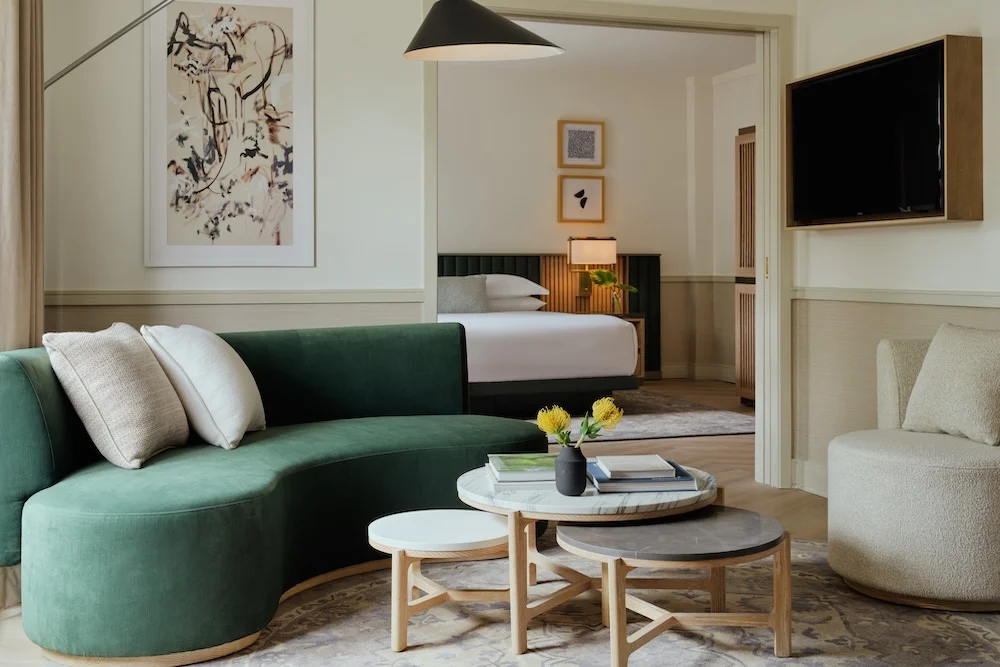
Kimpton Ashbel New York – Park Avenue has officially opened its doors along one of Manhattan’s most storied avenues, marking a significant addition to the luxury hospitality landscape. Part of the IHG Luxury & Lifestyle portfolio, the hotel breathes new life into a historic building originally constructed in 1928 as the Doral Park Avenue Hotel. The property’s restored original limestone-clad façade anchors it in its architectural past, setting the stage for an interior experience that masterfully marries classic Manhattan townhouse charm with contemporary luxury. This unveiling represents a strategic expansion for IHG, aiming to capture a discerning clientele seeking both sophisticated design and an intimate, residential feel in the heart of a global metropolis.
A Residential Vision for Urban Hospitality
The design philosophy behind Kimpton Ashbel New York is deeply rooted in creating a sense of arrival akin to entering a private, impeccably designed home rather than a conventional hotel. Guided by the acclaimed Busta Studio, the property eschews a traditional, grand lobby in favor of a series of interconnected, residential-style spaces. Guests are invited to move fluidly through an elegantly appointed foyer, a welcoming living room, and a comfortable family room. These zones are seamlessly linked by oversized wood portals that artfully frame preserved architectural columns, original staircases, and historic windows, preserving and celebrating the building’s rich heritage. This approach reflects a growing trend in luxury hospitality to foster a more personal and less transactional guest experience, emphasizing comfort, privacy, and a sense of belonging. The aim is to transport guests to an era of refined living, reinterpreted for the modern traveler.
Tailored Guestrooms: Sanctuaries of Style and Comfort
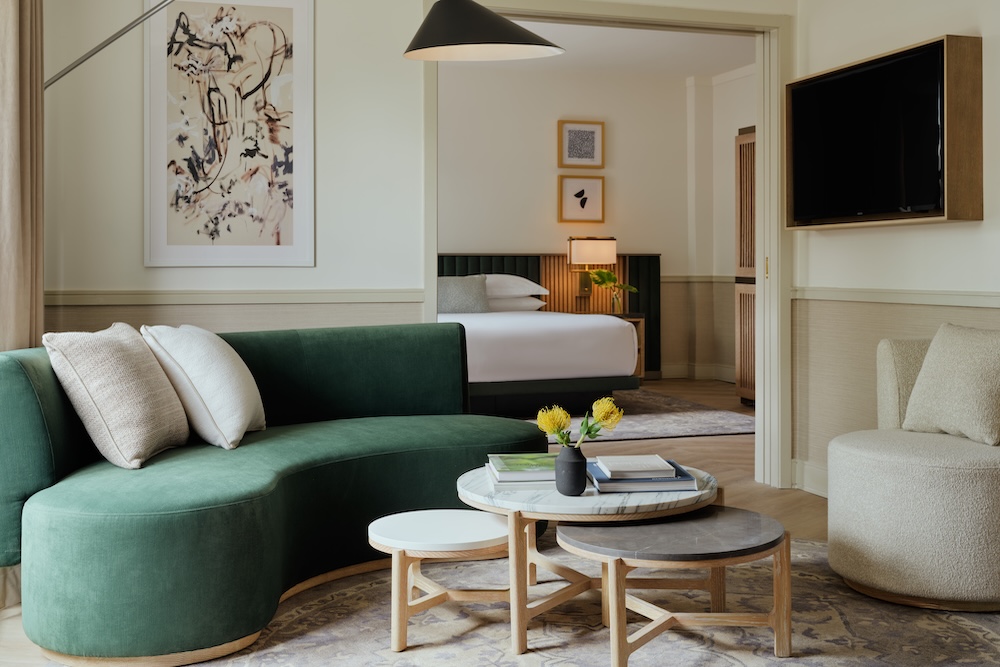
The Kimpton Ashbel New York offers 205 guestrooms, including 14 family-friendly connecting rooms, each meticulously crafted to serve as a calm sanctuary. These accommodations are characterized by their generous proportions and thoughtfully tailored elements. The design palette features warm woods and soft, inviting color schemes, artfully layered with curated gold accents, playful touches of vibrant color, and eclectic, conversation-starting artwork. The furnishings, custom-designed exclusively for the hotel, represent a sophisticated blend of refined metal accents and organic textures, imbuing each space with its own distinct and memorable character. This attention to detail in room design aims to provide a restful and inspiring environment, a counterpoint to the bustling energy of the city outside. The integration of bespoke furniture and unique art pieces elevates the guest experience beyond the standard hotel room, offering a sense of exclusivity and curated living.
Spaces for Connection and Culinary Delights
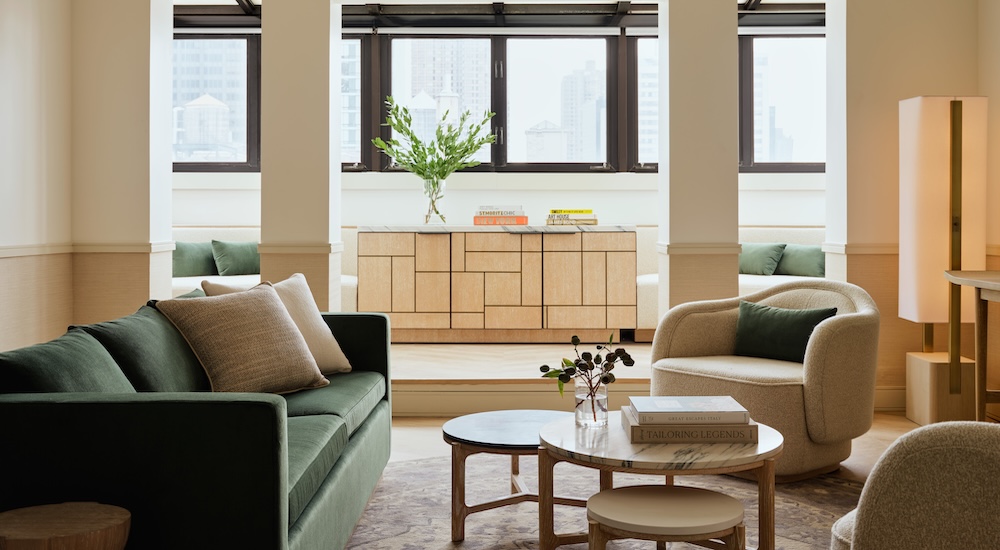
Central to the hotel’s communal areas is the “living room,” conceived as the primary gathering space. It features an inviting floating open-space banquette and an integrated library, encouraging guests to relax, connect, and linger. Adjacent to this convivial hub is Park & Bel, a cozy neighborhood café concept that artfully brings the vibrant energy of Park Avenue indoors. This establishment serves as a welcoming spot for both hotel guests and local residents, fostering a sense of community. The hotel further distinguishes itself through a meticulously curated art program, managed by Soho Art Gallery. This program features commissioned original mixed-media pieces, thoughtfully complemented by an impressive collection of books from esteemed publishers Assouline and Taschen, adding layers of cultural richness and intellectual engagement to the hotel’s ambiance.
Strategic Expansion and Market Positioning
The opening of Kimpton Ashbel New York – Park Avenue is a significant development for IHG Hotels & Resorts, particularly within its IHG Luxury & Lifestyle portfolio. This segment has seen robust growth, driven by evolving consumer preferences for unique, design-led accommodations and personalized service. Park Avenue, a globally recognized address synonymous with prestige and exclusivity, provides an ideal backdrop for this new venture. The hotel’s positioning at 100 East 39th Street places it within close proximity to major attractions, business districts, and cultural landmarks, including Grand Central Terminal, Bryant Park, and the Chrysler Building.
The decision to invest in revitalizing a historic building on Park Avenue underscores a strategic approach to hospitality development. Instead of building from the ground up, IHG has chosen to leverage the inherent character and architectural significance of the Doral Park Avenue building. This approach often resonates well with travelers seeking authentic experiences and a connection to a city’s history. The renovation and rebranding represent a substantial capital investment, signaling IHG’s long-term commitment to the New York City market and its confidence in the enduring appeal of luxury urban tourism.
A Timeline of Transformation
The genesis of Kimpton Ashbel New York – Park Avenue can be traced back to the initial acquisition and planning phases, likely spanning several years. The building, originally constructed in 1928, has undergone extensive renovations. While specific dates for the acquisition and the commencement of the renovation are not publicly detailed in the initial announcement, the architectural style of the original structure suggests it was part of the building boom of the late 1920s, a period characterized by grand architectural statements in New York City. The transformation from the Doral Park Avenue Hotel to the Kimpton Ashbel New York involved meticulous architectural and interior design work, overseen by Busta Studio. The process would have included structural assessments, interior redesign, the integration of modern amenities while respecting historical elements, and the development of the hotel’s unique brand identity. The official opening marks the culmination of this extensive development and refurbishment process, aiming to deliver a fully realized vision to the market.
Supporting Data and Market Context
The luxury hotel market in New York City is highly competitive and resilient. Pre-pandemic, the city consistently ranked among the top global destinations for both leisure and business travel, with a robust demand for high-end accommodations. While the hospitality sector faced unprecedented challenges during the COVID-19 pandemic, recovery has been steady, with a notable return of international and domestic travelers.
Data from industry analysis firms often highlights the strong performance of luxury and lifestyle hotels in major gateway cities like New York. These properties typically command higher average daily rates (ADR) and occupancy rates compared to mid-scale segments, driven by their unique offerings, prime locations, and superior service standards. The Kimpton brand, known for its boutique feel and emphasis on guest experience, is well-positioned to capture a share of this market. The inclusion of Park & Bel as a neighborhood café also taps into the growing trend of hotels serving as community hubs, attracting local patronage and generating additional revenue streams beyond room bookings. The curated art program further enhances the property’s appeal as a cultural destination, aligning with the preferences of sophisticated travelers.
Official Responses and Stakeholder Reactions
While direct quotes from IHG executives or Busta Studio principals are not provided in the initial release, the opening itself serves as a statement of intent and confidence. Typically, such an event would be accompanied by official announcements emphasizing the hotel’s unique selling propositions. IHG’s strategy with the Kimpton brand often focuses on creating "hotels that people love." For Kimpton Ashbel, this would translate to statements highlighting the blend of historic architecture with contemporary design, the residential feel, and the commitment to personalized service.
Busta Studio, known for its innovative interior design work, would likely have communicated their vision for creating an environment that feels both luxurious and intimately familiar. Their approach to preserving architectural details while infusing modern comfort would be a key talking point.
Industry analysts and hospitality consultants would likely view this opening as a positive sign for the New York luxury market. The investment in a historic property on Park Avenue signals a belief in the long-term economic viability and desirability of such prime locations. The focus on a residential concept caters to a demographic seeking more personalized and less formal luxury experiences.
Broader Impact and Implications
The opening of Kimpton Ashbel New York – Park Avenue has several implications for the New York City hospitality scene and the broader luxury travel market. Firstly, it reinforces the trend of adaptive reuse in urban development, transforming historic buildings into contemporary hospitality assets. This approach not only preserves architectural heritage but also contributes to the unique character and appeal of a city.
Secondly, it highlights the evolving expectations of luxury travelers. The demand for experiential travel, characterized by unique design, local immersion, and a sense of authenticity, is growing. Hotels that can successfully blend these elements are poised for success. Kimpton Ashbel’s residential-style design and curated amenities directly address these evolving preferences.
Thirdly, the hotel’s integration into the IHG Luxury & Lifestyle portfolio signifies a strategic move by IHG to strengthen its presence in key global markets. This expansion can lead to increased brand visibility, loyalty program engagement, and a broader range of offerings for IHG’s existing customer base.
Finally, the success of Kimpton Ashbel could inspire further investment in the revitalization of other historic properties in New York City, potentially leading to a wave of thoughtful renovations and redevelopments that honor the city’s architectural legacy while meeting contemporary demands. The hotel’s focus on community engagement through its café concept also sets a precedent for how luxury hotels can become more integrated with their surrounding neighborhoods, fostering a more dynamic and inclusive urban environment. The carefully curated art and book collections further position the hotel as a cultural destination, attracting not only overnight guests but also those seeking enriching experiences within the city. This multifaceted approach to hospitality suggests a forward-thinking strategy designed to ensure relevance and appeal in an ever-changing travel landscape.


 Anjar Salim
 Chandra Hamzah
 Tatiana Tantri Indah Sari
 Budi Mulyono
 Lukman Taruna Persada Ramadan
