
 Dwi Wanna
Nineteen years after experiencing its untouched charm, a seasoned traveler returned to the Thai island of Ko Lipe, only to find a stark and disheartening transformation. What was once a remote haven for intrepid backpackers, characterized by limited electricity, budget-friendly beach bungalows, and a profound sense of isolation, has succumbed to rapid and unsustainable development. This narrative explores the island’s evolution, the consequences of unchecked tourism, and the broader implications for destinations worldwide.
A Nostalgic Return to a Different Island
In 2006, Ko Lipe represented the quintessential off-the-beaten-path paradise. Electricity was a luxury, available only for a few hours daily. Basic beachfront bungalows could be rented for approximately $2 USD, and the concept of a "last boat" for the season underscored the island’s remoteness. The days were a simple, idyllic rhythm of beach lounging, reading, snorkeling, and enjoying the limited offerings of the island’s handful of restaurants and a single beach bar. This unhurried lifestyle fostered deep connections, with many travelers finding themselves extending their stays for weeks, captivated by the island’s allure and the genuine camaraderie it offered. For the traveler, this period on Ko Lipe remains a highlight of their extensive global journeys, marked by friendships forged, local interactions, and an immersion into the aspirational backpacker lifestyle.
The decision to revisit Ko Lipe after nearly two decades was fraught with apprehension. The powerful, almost sacred, memory of the island’s pristine past created a fear of irrevocably damaging that cherished recollection. The concern was that any return would be an exercise in "chasing travel ghosts," an attempt to recapture a magic that had inevitably dissipated with the passage of time and the departure of the people who made it special. Furthermore, the traveler acknowledged the widespread trend of significant development in Thai tourist destinations, anticipating that Ko Lipe, like many others, would have undergone substantial changes, potentially leading to disappointment and sadness.
The Unfolding Narrative of Overdevelopment
Thailand’s tourism model has historically leaned towards rapid expansion, often at the expense of environmental sustainability and local character. Islands, in particular, have frequently followed a trajectory of "build, build, build," leading to an erosion of their natural beauty and original appeal. Ko Lipe, it appears, has not been an exception to this pattern.
The island’s recent transformation is described as a severe case of overdevelopment, mirroring the trajectory of similar destinations like Ko Phi Phi. The once-familiar dirt footpaths have been replaced by concrete thoroughfares, now accommodating cars and construction trucks. Vast tracts of palm trees have been cleared to make way for high-end resorts, complete with swimming pools, a particularly ironic development on an island that, historically, faced water scarcity. The pace of construction for new resorts remains high, indicating a relentless drive for expansion.
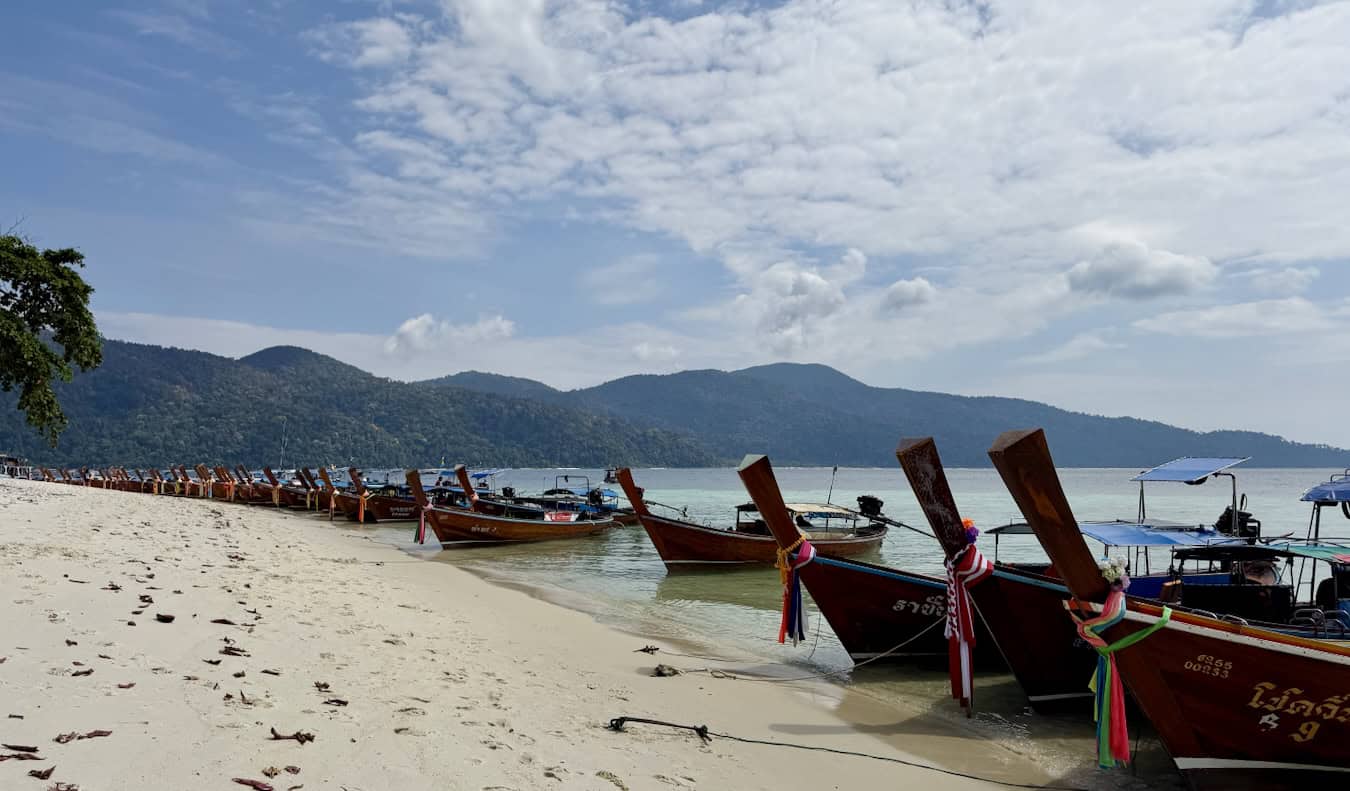
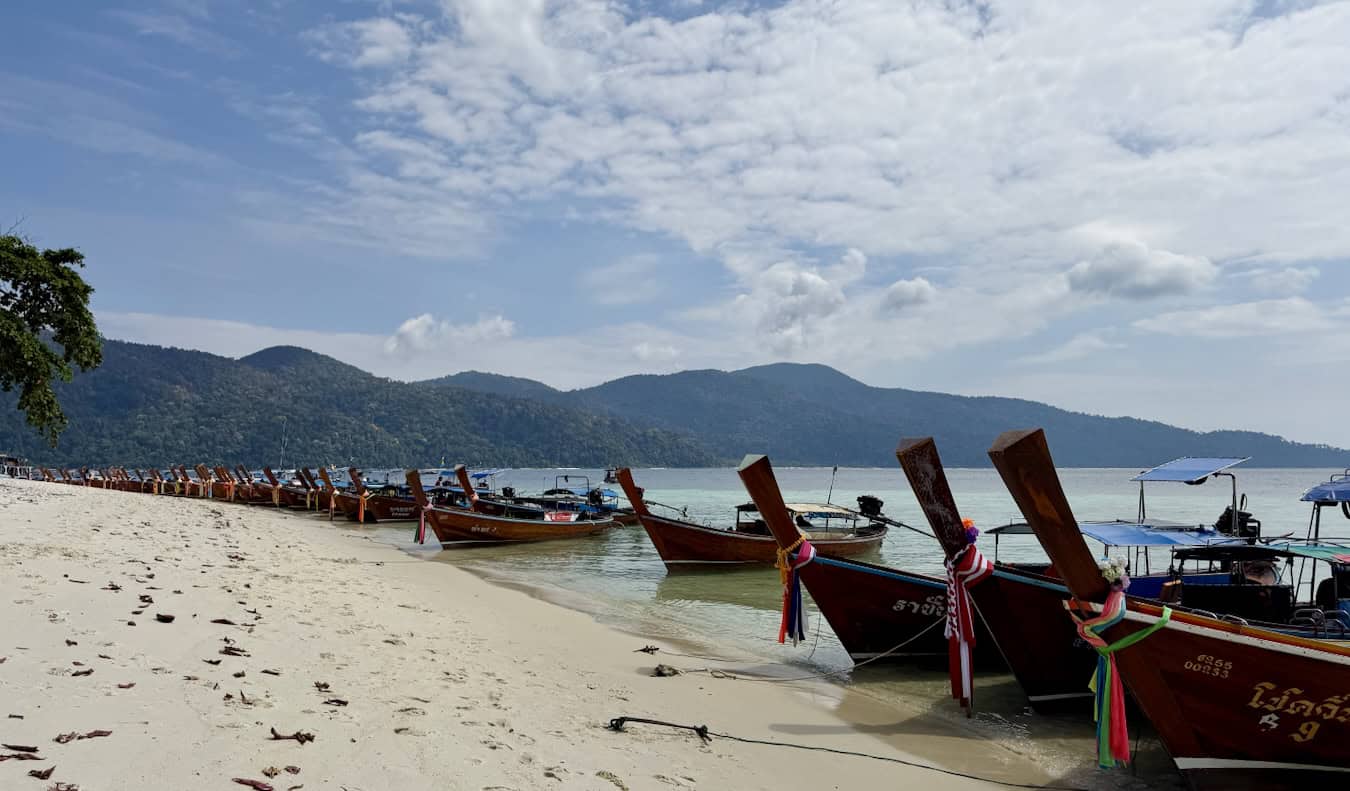
The ecological impact is equally concerning. The coral reefs surrounding the island are reportedly in decline, a direct consequence of increased boat traffic, anchoring, pollution, and overfishing. Beaches are now densely lined with longtail boats, their exhaust fumes contaminating the sea and leaving a visible sheen on the water’s surface. The culinary landscape has also shifted, with an emphasis on catering to tourist preferences for Western dishes rather than celebrating authentic Thai cuisine.
Beyond the environmental degradation, the socio-economic fabric of Ko Lipe has been significantly altered. The island’s boom has led to the displacement of many local residents, who have been compelled to sell their land to mainland developers. Consequently, the workforce on the island is now largely comprised of mainland laborers, who benefit minimally from the tourism revenue generated. This shift represents a loss of local control and a diminished share of the economic advantages for the original inhabitants.
A Double-Edged Sword: The Appeal of the "New" Ko Lipe
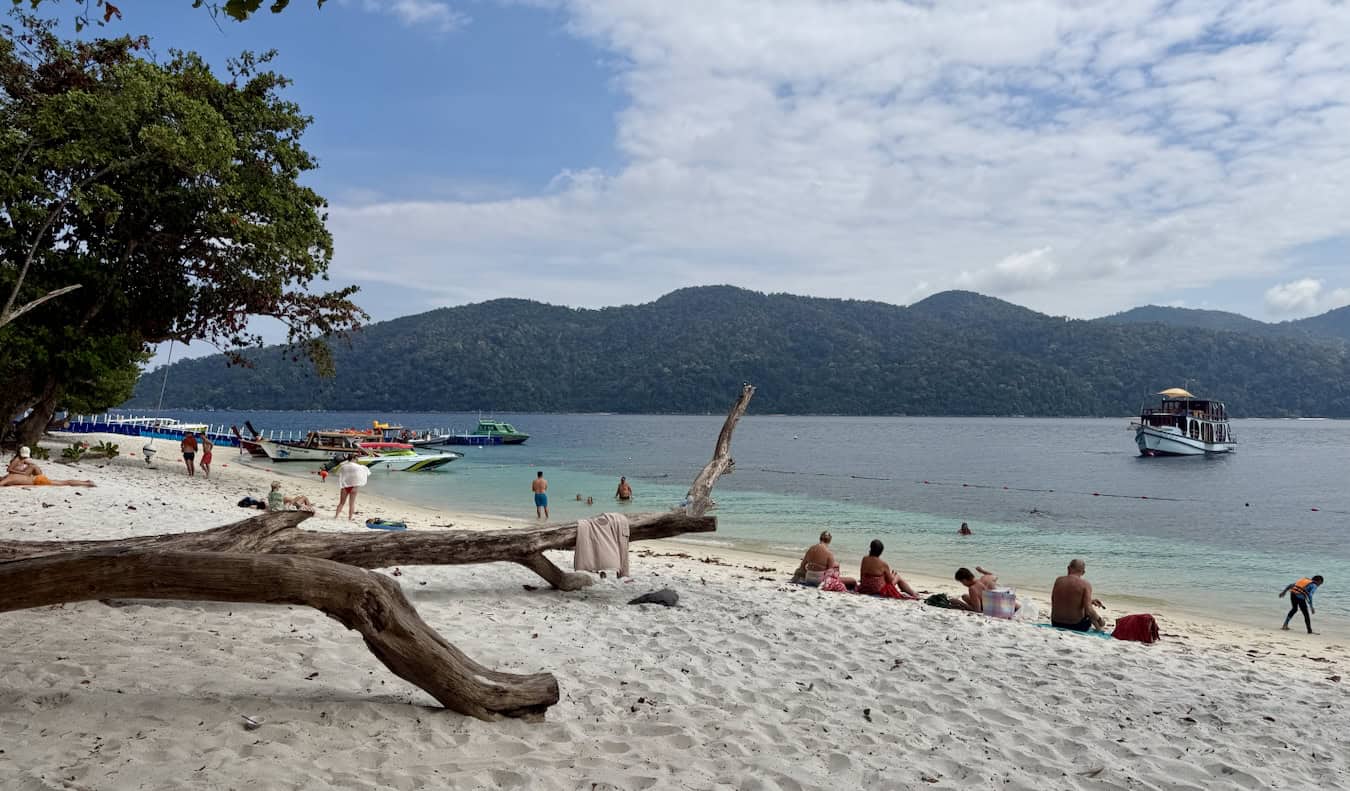
Despite the evident overdevelopment, the island retains a natural beauty that can still captivate first-time visitors. The azure waters, pristine white sands, and the surrounding national park, which facilitates excursions to secluded islands, contribute to a visually stunning environment. For those unfamiliar with Ko Lipe’s past, the current iteration might still evoke a sense of wonder, especially when compared to other heavily developed Thai tourist hubs like Ko Phi Phi, Krabi, or Phuket. The allure of a postcard-perfect setting, coupled with organized tours to nearby natural attractions, can easily impress newcomers.
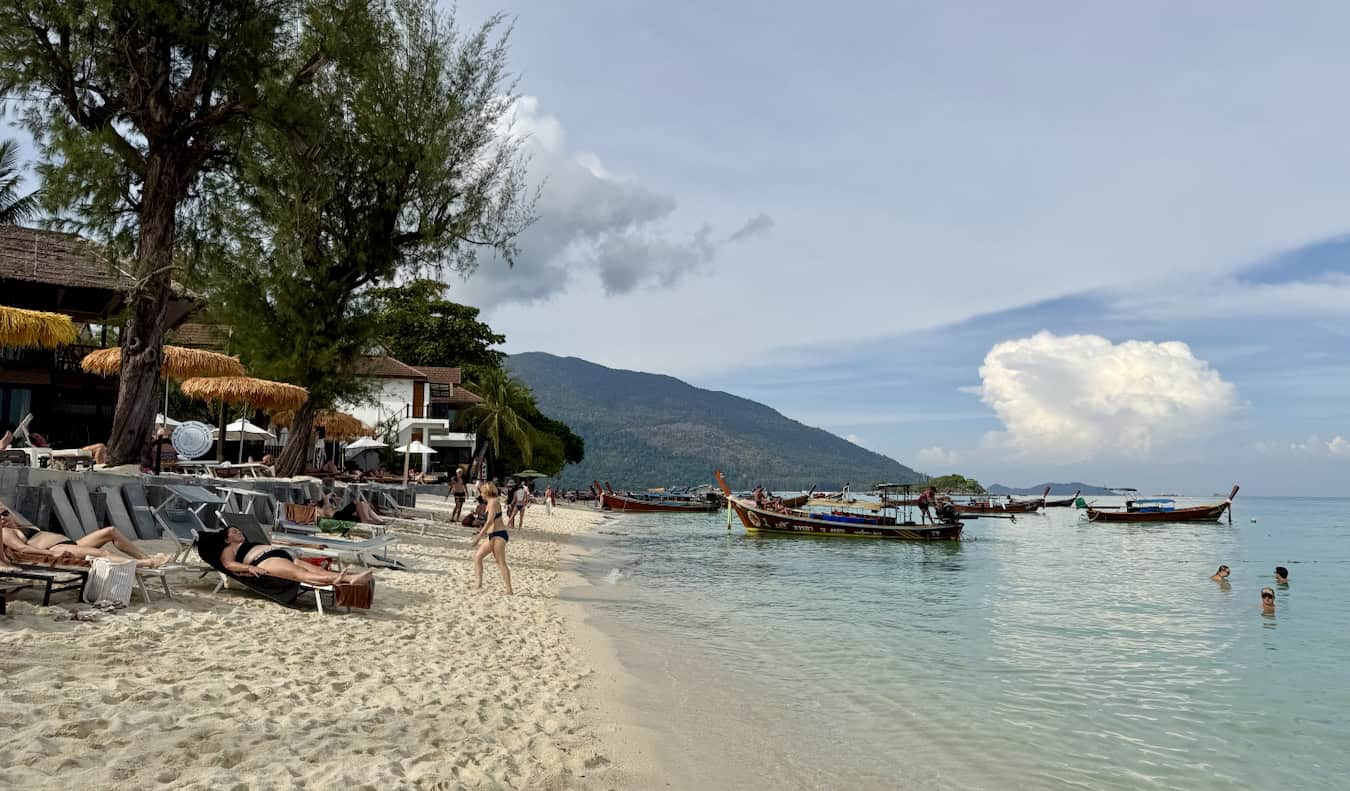
However, for those who remember Ko Lipe’s former glory, the contrast is profound and deeply disappointing. The pervasive development, the environmental damage, and the commercialization of what was once a simple, natural retreat paint a somber picture of a paradise lost.
The Traveler’s Verdict and a Call for Conscious Tourism
The traveler’s conclusion is a stark one: Ko Lipe, in its current state, should be avoided. While acknowledging that growth is inevitable and that locals may not wish to remain impoverished, the nature of Ko Lipe’s development is deemed unsustainable and exploitative. The rapid expansion places an unsustainable strain on the island’s limited resources, and the damage inflicted is, in many ways, irreversible.
The argument is not against development in principle, but against a specific model of unchecked, environmentally destructive, and socially inequitable growth. The traveler posits that with numerous other well-managed islands in the region, such as Ko Lanta, Ko Jum, and Ko Mook, travelers have viable alternatives that do not contribute to the degradation of fragile ecosystems and local communities.
The profound personal impact of the original visit to Ko Lipe makes this condemnation all the more poignant. The island once represented a beautiful place that profoundly influenced the traveler’s life. However, the responsibility of being a "good steward and traveler" necessitates recognizing when enough is enough. The message is clear: choose destinations that are better managed and where travel choices have a positive, rather than negative, impact.
The Power of Consumer Choice in Shaping Tourism
The article emphasizes the significant role of consumer choices in shaping the tourism industry. Historical examples, such as the decline of elephant riding tourism in Thailand due to increased consumer awareness and the rise of eco-lodges driven by conscious travelers, illustrate this point. The discourse around overtourism, now a prominent topic among both travelers and local communities, further underscores the power of collective consumer action.
While the prospect of Ko Lipe reversing its developmental course may seem remote, the article expresses a glimmer of hope that widespread awareness and a shift in traveler behavior could eventually influence change. At the very least, by choosing not to visit Ko Lipe, travelers can avoid contributing to its ongoing problems.

The author concludes by urging readers to consider the impact of their travel decisions. By consciously selecting destinations that prioritize sustainability and responsible tourism, travelers can collectively influence the industry towards more ethical practices. The hope is that such conscious choices will, in time, lead to better-managed destinations and a more sustainable future for tourism worldwide, even if it means saying goodbye to cherished memories of places like the Ko Lipe of yesteryear.




 Anjar Salim
 Chandra Hamzah
 Tatiana Tantri Indah Sari
 Budi Mulyono
 Lukman Taruna Persada Ramadan
