
 Gabriela Annisa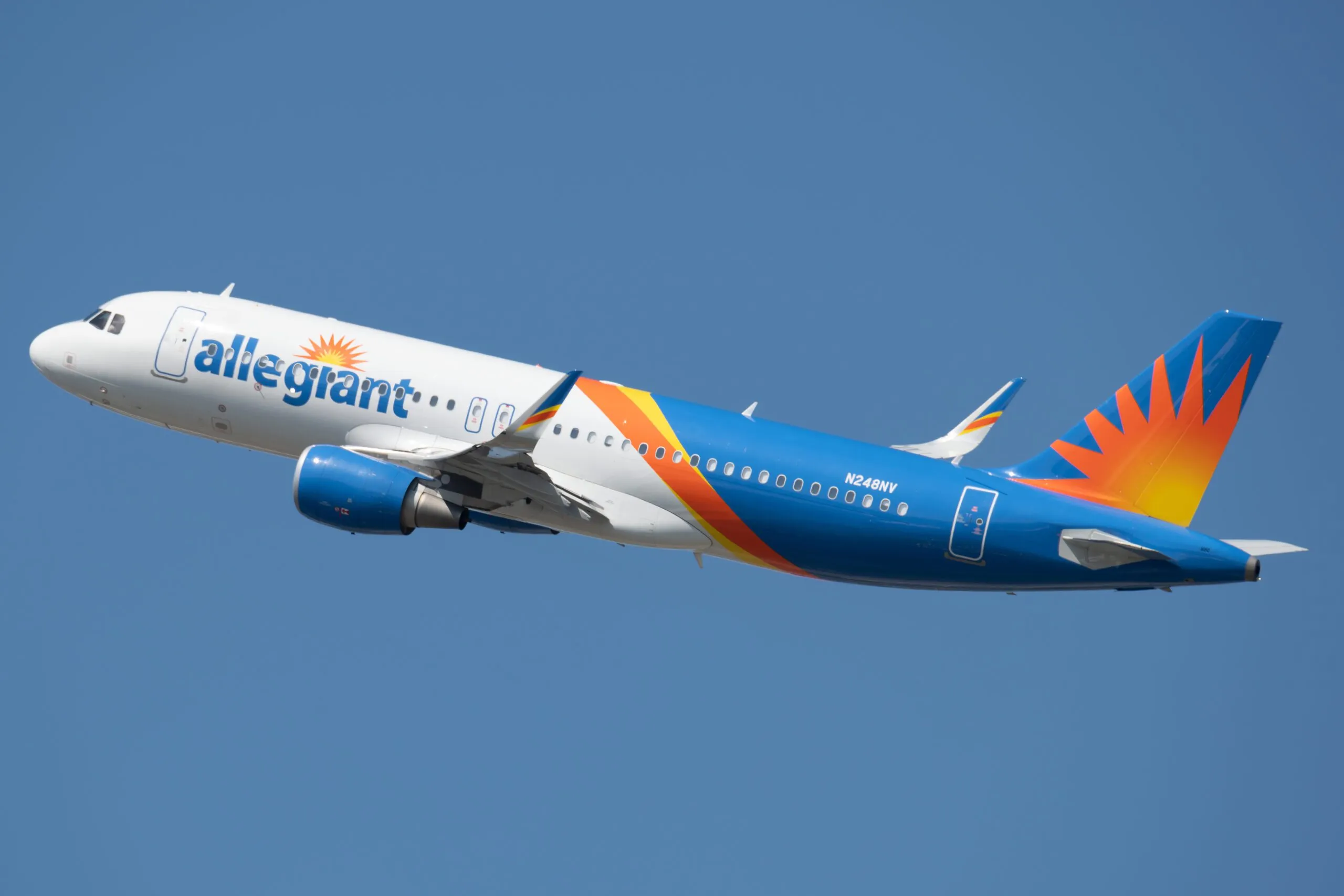
The landscape of air travel in the United States is undergoing a significant transformation, with two prominent California-adjacent leisure destinations, Las Vegas and San Diego, exhibiting starkly divergent trajectories. Once hailed as an "all-star" airline market, Las Vegas is currently grappling with a notable downturn in passenger volumes, while San Diego is experiencing an unprecedented surge in air traffic, fueled by intense airline competition and robust regional economics. This dichotomy reflects broader shifts in traveler preferences, airline strategic priorities, and the intricate interplay of local economic factors.
Las Vegas: The Dip on the Strip
For decades, Las Vegas held an almost mythical status in the airline industry, a "rock star" market that consistently drew massive volumes of travelers. Allegiant Air, headquartered in the city, famously described it as an "all-star" destination due to its immense inbound tourism. However, recent data paints a less vibrant picture. Passenger volumes at Harry Reid International Airport (LAS) were down six percent last year, a trend that has persisted into the current year, with April figures also showing a six percent decline. This sustained dip has prompted industry analysts to question whether this is merely a temporary setback or indicative of more profound, structural changes impacting the Strip.
Key Factors Behind the Decline
Several interconnected factors appear to be contributing to Las Vegas’s diminished vigor, transforming it from a consistent crowd-pleaser into a market characterized by more pronounced peaks and troughs.
The Spirit Airlines Void
A primary and immediate cause for the decline is the substantial reduction in capacity following the withdrawal of Spirit Airlines. As recently as last summer, Spirit was the second busiest airline at LAS, playing a crucial role in providing affordable air service to a city heavily reliant on tourism. Its strategic importance stemmed from its ability to connect Las Vegas to numerous secondary and tertiary markets across the U.S. with low fares, thereby stimulating demand among budget-conscious travelers. The airline’s subsequent network rationalization, driven by broader financial pressures, has left a significant void, particularly for this demographic. The absence of such a major ultra-low-cost carrier inevitably impacts overall passenger numbers and competitive pricing dynamics, making air travel to Las Vegas potentially less accessible for some segments.
Erosion of International Visitor Base
Las Vegas has also experienced a marked decrease in international visitors, a trend exacerbated by post-pandemic shifts and economic realities. The most prominent example is the decline in Canadian tourists, who have historically been a vital source market, particularly during colder months. Factors such as political shifts affecting cross-border travel sentiment, unfavorable exchange rates for the Canadian dollar, and broader global travel trends have contributed to fewer Canadians venturing south. Similarly, there has been a noticeable reduction in visitors from Europe and Asia. While Las Vegas is not a primary international gateway in the same vein as hubs like New York or Los Angeles, it relies on a substantial flow of foreign tourists, many arriving via connecting flights on U.S. carriers. This withering of international traffic represents a significant loss for the city’s tourism-driven economy, as international visitors often have longer stays and higher spending patterns.
Shifting Domestic Airline Focus
The strategic priorities of major U.S. airlines have also played a role in Las Vegas’s evolving market. While Southwest Airlines remains the dominant carrier at LAS and had significantly expanded its presence in the immediate post-2019 recovery period, its growth has recently tapered off. Industry analysts suggest that Southwest and other major U.S. carriers are increasingly reallocating capacity to other, more lucrative markets. For legacy airlines like United, American, and Delta, the post-pandemic recovery has seen a strong pivot towards long-haul international routes and premium domestic markets, where higher yields can be achieved. As Skift analysts Gordon Smith and Jay Shabat highlighted in a recent discussion, Americans are increasingly spending on "airline tickets to go to Paris, France, not the Paris Hotel in Las Vegas," illustrating a broader consumer preference for high-end global travel experiences over traditional domestic leisure. This strategic redirection means that while Las Vegas remains on the network maps of these carriers, it may not receive the same growth investment as destinations offering more substantial premium revenue opportunities.
The "Premium Trap" and Affordability Concerns
Ironically, Las Vegas’s deliberate strategy to move upmarket, transforming from a "dirt cheap" destination to one catering to affluent visitors, may be inadvertently contributing to its airline market struggles. A Wall Street Journal article published shortly after initial analyses of Vegas’s downturn noted that "a trip to this desert city once meant dirt cheap hotel rooms and buffets, all subsidized by gambling revenue. Now visitors organize their trips around big ticket events and pay top dollar for everything else while they’re in town." Data indicates that hotel rates in Vegas have reportedly risen faster than in any other major U.S. market, signifying this upscale pivot.
While this strategy aims to attract higher-spending tourists, it simultaneously alienates the middle-class demographic that historically flocked to the city, making it less accessible for spontaneous, budget-friendly trips. This shift poses a challenge for airlines, as premium leisure air traffic to Vegas, particularly on shorter routes from California or other nearby states, may not generate the same high yields as long-haul international business or luxury travel, leading legacy carriers to prioritize other destinations. The expectation of premium air service may not align with the actual revenue potential for these routes, especially when compared to destinations like Paris or Tokyo.
Increased Competition for Gambling Revenue
Beyond air travel, Las Vegas’s core industry – gambling – faces heightened competition from various sources. The proliferation of online sports gambling apps and prediction markets provides convenient alternatives for betting enthusiasts, reducing the impetus to travel to Vegas solely for gaming. Furthermore, the expansion of regional casinos across the U.S., often in economically distressed areas seeking revitalization, offers local gaming options that divert potential visitors who might otherwise have journeyed to Nevada. This decentralization of gambling opportunities inevitably impacts visitor numbers, regardless of travel mode, chipping away at one of Vegas’s foundational attractions.
Lumpier Demand and Seasonality
The market’s demand profile has also evolved, becoming "lumpier" and more seasonal. While Las Vegas continues to host massive annual events like the Consumer Electronics Show (CES), Formula One races, the Super Bowl, and concerts at venues like The Sphere, the steady, year-round demand that once characterized the city has diminished. Travelers are now more likely to plan trips around specific, high-profile events rather than spontaneous getaways, leading to pronounced peaks and troughs in visitor numbers and, consequently, air traffic. This contrasts with a previous era where Las Vegas maintained a consistent appeal across seasons, even enduring winter snowfalls on the Strip. This increased seasonality presents operational challenges for airlines, requiring more flexible capacity deployment and potentially impacting year-round profitability.
Airline Responses and Future Outlook for Vegas
In this challenging environment, most major carriers are cautious. Allegiant, despite its long association with the market, has reportedly "lost interest in Vegas" and is looking elsewhere for growth opportunities that better align with its ultra-low-cost model. Southwest’s growth has decelerated as it, too, adjusts its network. Only ultra-low-cost carriers like Frontier Airlines and, to some extent, Breeze Airways, appear to be opportunistically adding capacity, attempting to fill the void left by Spirit and capitalize on reduced competition in certain segments. However, industry analysts suggest that the market may simply be correcting itself after a period of oversupply post-pandemic, settling into a new baseline more reflective of current demand dynamics and traveler preferences. Airport officials in Las Vegas are likely engaging with carriers to understand these shifts and strategize on how to stabilize and re-stimulate traffic. The question remains whether this "dip on the Strip" is a temporary correction or a sign of deeper, strategic shifts requiring a re-evaluation of Las Vegas’s tourism model.
San Diego: A Pacific Powerhouse in Aviation Growth
In stark contrast to Las Vegas, San Diego’s aviation market is experiencing a robust period of expansion. Positioned as the number one U.S. airport and third globally for growth among the 100 busiest airports, San Diego International Airport (SAN) is projected to see a remarkable 15 percent increase in total seats for the upcoming third quarter, according to data from Cirium Diio. This surge positions San Diego as a burgeoning powerhouse in the U.S. aviation landscape, defying broader trends seen in other parts of California.
The Alaska-Southwest Capacity War
At the heart of San Diego’s aviation boom is an intense competitive battle, often characterized as a "capacity war," between two major carriers: Alaska Airlines and Southwest Airlines. This rivalry benefits passengers with increased options and competitive fares, while airport management likely welcomes the heightened activity and revenue streams, albeit with an eye on long-term sustainability.
Alaska Airlines’ Aggressive Expansion
Alaska Airlines is making a significant play for market dominance in San Diego, with its seat counts (including Hawaii routes) projected to rise by an impressive 35 percent. San Diego has emerged as Alaska’s fourth-largest market, a critical growth avenue for the carrier. This aggressive expansion is partly driven by growth limitations at its primary hub in Seattle, where physical constraints at Seattle-Tacoma International Airport (SEA) restrict further significant expansion. Previous attempts to grow significantly in Los Angeles and San Francisco, even following the acquisition of Virgin America a decade ago, did not yield the desired results. San Diego, with its affluent population, strong business sector, and robust tourism appeal, offers Alaska a valuable opportunity to expand its network and cater to premium travelers. Alaska believes it holds a distinct advantage in this segment over its low-cost competitors due to its first-class offerings, robust loyalty program, and strategic focus on West Coast connectivity.
Southwest Airlines’ Defensive Growth
Not to be outmaneuvered, Southwest Airlines, the long-time leader in the San Diego market, is vigorously defending its territory. Southwest is projected to increase its seat capacity by 28 percent, directly responding to Alaska’s aggressive moves. San Diego holds considerable importance for Southwest, ranking as its twelfth-largest market within its extensive network. The carrier, known for its strong point-to-point network and consistent customer base, views San Diego as a strategic stronghold and is keen to protect its market share from encroaching competition. While Southwest traditionally caters to a broader market segment, it is also gradually inching towards offering more premium amenities, such as extra legroom seats, and potentially considering airport lounges in key markets like San Diego. This indicates a recognition of evolving traveler demand for enhanced experiences and a strategic adaptation to competitive pressures.
San Diego’s Enduring Market Appeal
San Diego’s attractiveness to airlines stems from several intrinsic strengths that underpin its economic vitality:
Robust Economy and Demographics
As the 18th most populous metropolitan area in the United States, San Diego boasts an exceptionally wealthy and diverse economy. It is a hub for biotechnology, defense, telecommunications, and tourism. Despite a more modest recent population growth compared to some other U.S. cities, it is characterized by significant disposable income, a strong business sector, and a steady stream of inbound tourism. This demographic profile generates substantial demand for both leisure and business travel, including a healthy segment of premium air traffic. The region’s consistent economic performance provides a stable foundation for airline growth.
Strategic Location
Its position in Southern California, just south of Los Angeles and proximate to the Mexican border, makes it a strategic gateway. It serves as a vital connection point for residents and businesses within the region and attracts visitors drawn to its mild climate, extensive beaches, and diverse cultural offerings. The cross-border traffic, particularly to Tijuana International Airport (TIJ) via the Cross Border Xpress (CBX), also adds a unique dimension to San Diego’s air travel ecosystem, further solidifying its regional importance.
Airport Infrastructure and California’s Development Ethos
Despite the robust airline interest, San Diego International Airport faces unique infrastructural challenges. Notably, it is the busiest single-runway airport in the United States. This physical constraint significantly limits future capacity expansion, a common issue in California. Industry observers, including Skift’s Jay Shabat, often point to California’s prevailing "wealth preservation" ethos. In wealthy, established areas like San Diego, the political and social landscape often prioritizes maintaining existing quality of life and property values over aggressive new development, including infrastructure expansion. This "Not In My Backyard" (NIMBY) sentiment means that building new runways or significantly expanding airport facilities faces immense regulatory hurdles and public opposition, even when demand is surging. This contrasts sharply with states in the Sunbelt, like Texas, which often embrace a "wealth creation" mindset, actively promoting development and infrastructure projects.
This situation in San Diego highlights a broader trend affecting California’s major aviation hubs. Los Angeles, for instance, has seen a significant loss of airline capacity over recent years, with carriers like Southwest and American deprioritizing it. This is partly attributable to Los Angeles’s own population decline and the prohibitive cost of living in the state, driving residents to more affordable areas, some even to Las Vegas. While San Diego maintains its economic vigor, its airport’s physical limitations could become a bottleneck for sustained, aggressive growth if the "capacity war" continues indefinitely, potentially forcing airlines to seek alternative growth markets in the long term.
Broader Industry Implications and Future Outlook
The contrasting fortunes of Las Vegas and San Diego offer valuable insights into the dynamic shifts occurring within the U.S. aviation and tourism sectors.
Evolving Leisure Travel Patterns
The shift away from traditional, budget-friendly domestic leisure destinations like Las Vegas towards more premium international or experience-driven travel reflects evolving consumer preferences and discretionary spending patterns in the post-pandemic era. Consumers with disposable income are increasingly prioritizing unique, high-value experiences. Airlines are keenly attuned to these changes, reallocating resources to maximize yields from these new demand centers, which often means prioritizing routes to major international cities or premium domestic leisure spots that align with this trend.
Low-Cost Carrier Vulnerabilities
The significant impact of Spirit Airlines’ departure from Las Vegas underscores the vulnerability of markets heavily reliant on ultra-low-cost carriers. When such carriers retrench or face financial difficulties, their former strongholds can experience significant capacity contractions, impacting both tourism and local economies. This highlights the importance for destinations to cultivate a diverse portfolio of airline partners and market segments to mitigate risks associated with reliance on a single carrier type.
Regional Market Differentiation and Resilience
San Diego’s success demonstrates the resilience of markets with strong underlying economic fundamentals, even amidst broader economic uncertainties. A wealthy population, robust business activity, and consistent tourism appeal can attract intense airline competition and drive significant growth, even within a constrained infrastructure environment. This resilience is often driven by intrinsic economic strengths that are less susceptible to transient travel trends or specific airline network changes.
Airport Planning and Development Challenges
The challenges faced by both airports—Las Vegas’s need to redefine its appeal and San Diego’s infrastructural limitations—highlight critical issues in airport planning and development. Adapting to changing demand patterns, navigating regulatory hurdles for expansion, and strategizing for sustainable growth will be crucial for airports to remain competitive and serve their communities effectively. The "wealth preservation" ethos in regions like California creates a unique environment where demand can outstrip infrastructure capacity, forcing creative solutions or potentially limiting long-term growth.
Ultimately, the diverging paths of Las Vegas and San Diego serve as a compelling case study of how various economic, social, and strategic factors intertwine to shape regional aviation markets. While Las Vegas seeks to rediscover its unique appeal in a transformed travel landscape, San Diego’s aviation sector is riding a wave of growth, fueled by intense competition and a robust local economy, albeit within the confines of its geographical and regulatory realities. The coming years will reveal whether Las Vegas can reignite its "rock star" status or if San Diego will continue its ascent as a dominant force in West Coast air travel. Industry stakeholders will undoubtedly monitor these contrasting trajectories closely as they continue to adapt to the ever-evolving dynamics of air travel.




 Anjar Salim
 Chandra Hamzah
 Tatiana Tantri Indah Sari
 Budi Mulyono
 Lukman Taruna Persada Ramadan
