
 Lukman Taruna Persada Ramadan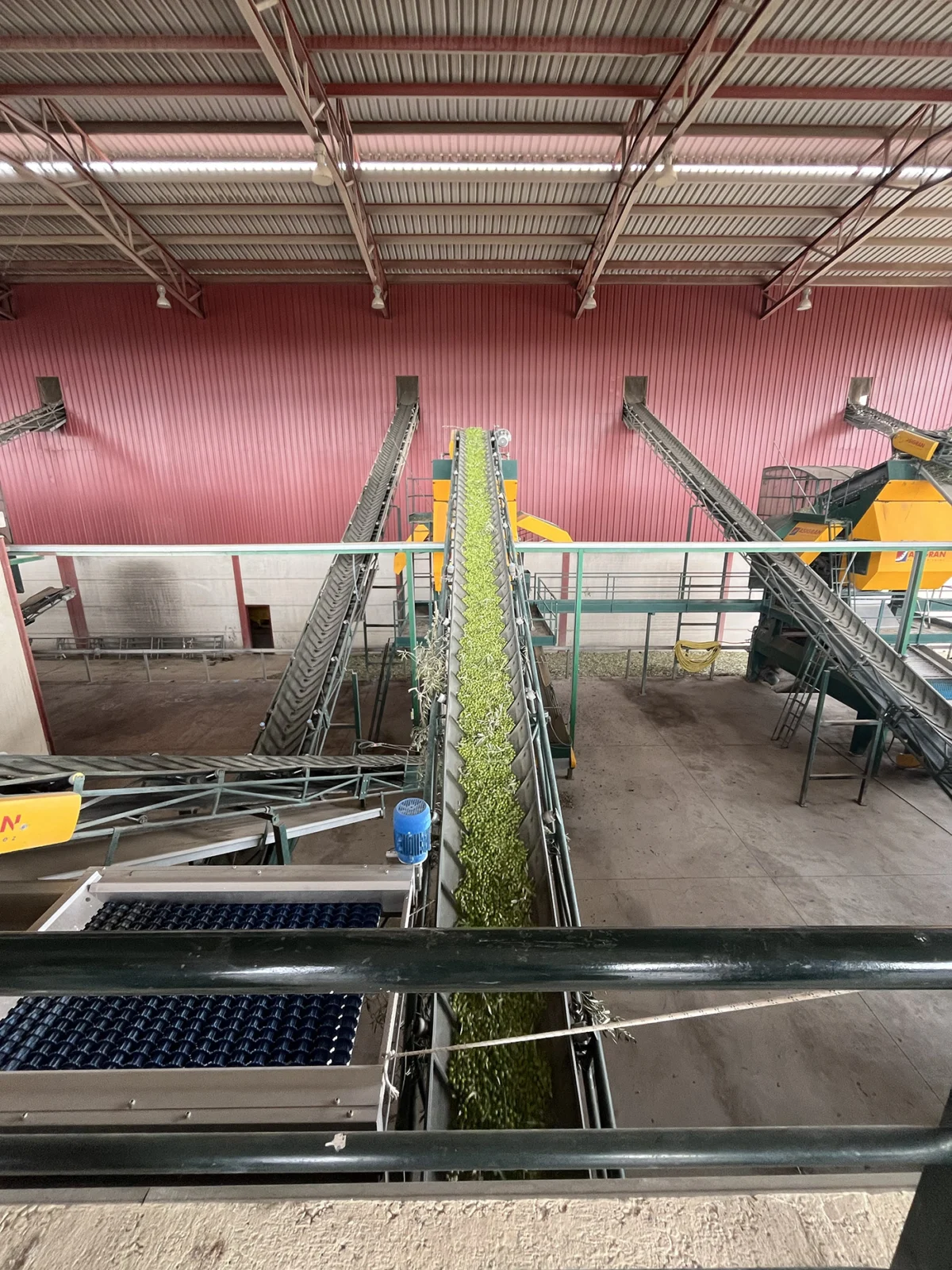
Olive trees are the backbone of Spain, both figuratively and literally, forming an indelible tapestry across its landscape, particularly in the south. Their orderly rows blanket countless hills and valleys, creating a breathtaking vista that transcends mere agricultural scenery. Driving through regions like Andalusia and Castilla-La Mancha is not merely a journey between cities and towns; it is an immersion into Spain’s beating heart, a profound step through centuries of history and tradition. This profound connection to the olive tree underscores Spain’s status as the undisputed global leader in olive oil production, a position earned through millennia of cultivation and an unwavering commitment to quality.
Historical Roots and Cultural Significance
The cultivation of olive trees in the Iberian Peninsula dates back thousands of years, inextricably linking the plant to the region’s historical and cultural identity. Archaeological evidence suggests olive trees were present in Spain as early as the Bronze Age, with systematic cultivation flourishing under Phoenician and Greek influences. However, it was the Romans, recognizing the agricultural potential of Hispania, who significantly expanded olive groves, establishing sophisticated production methods and integrating olive oil into daily life, commerce, and even religious rituals. Following the Roman era, the arrival of the Moors in the 8th century further refined olive cultivation techniques. They introduced new irrigation systems and diversified olive varieties, contributing to the rich olive oil heritage that Spain enjoys today. The very word "aceite" (oil) in Spanish is derived from the Arabic "az-zayt," meaning "olive juice," a testament to this profound historical influence.
For centuries, before olive trees were famously imported to the Americas in the 16th century, olive oil and olives were fundamental staples, sustaining the people of Spain and becoming a cornerstone of the Mediterranean diet. This deep-rooted history has forged an industry where tradition, terroir, and meticulous craftsmanship converge to produce an unparalleled product. Unlike generic olive oils found elsewhere, each Spanish olive oil farm and cooperative meticulously preserves the unique characteristics that distinguish its olives and resulting products. This uniqueness stems from a confluence of factors: the specific soil composition, the microclimate of the region, the precise timing of the harvest, and even the number of times the oil is pressed and filtered. This dedication ensures that authentic Spanish olive oil is not merely a commodity but a liquid gold, a sensory experience that, once savored, elevates one’s appreciation for all subsequent olive oils.
Spain: The Global Powerhouse of Olive Oil

Spain stands as the world’s largest producer of olive oil, accounting for approximately 40-50% of global production, depending on annual harvest yields. Andalusia, in particular, is the epicenter of this industry, contributing over 80% of Spain’s total output. Within Andalusia, Jaén province alone is often referred to as the "World Capital of Olive Oil," boasting more olive trees and producing more olive oil than any other region globally. In 2022/2023, despite challenging drought conditions, Spain produced an estimated 660,000 metric tons of olive oil, a significant portion of the global total. This colossal output supports a vast network of thousands of mills, cooperatives, and family-run estates, driving a substantial segment of Spain’s agricultural economy and providing livelihoods for hundreds of thousands of people.
The economic implications extend beyond domestic consumption. Spain is also the largest exporter of olive oil, sending its prized product to over 150 countries worldwide. Major export markets include Italy, France, the United States, and China, highlighting the global demand for Spanish olive oil. The industry’s contribution to Spain’s Gross Domestic Product (GDP) is substantial, not only through direct sales but also through associated industries such as machinery manufacturing, packaging, and agritourism. The Spanish government and various industry associations, such as the Spanish Interprofessional Olive Oil Organization, actively promote the quality and health benefits of Spanish olive oil on the international stage, investing in campaigns that educate consumers about its superior characteristics and versatility.
A Journey into Authenticity: The Olibaeza Experience
To truly comprehend the reverence for Spanish olive oil, one must witness its creation firsthand. A visit to an olive oil factory, such as the Olibaeza Alcazar Cooperative in Baeza, Jaén, offers a revelatory experience. Initial skepticism regarding the distinctiveness of olive oil quickly dissipates upon observing the meticulous process and tasting the final product. Many consumers, accustomed to mass-produced "olive oil" found in supermarkets, are unaware of the vast chasm separating it from genuine, high-quality extra virgin olive oil. A crucial indicator of authenticity, often overlooked, is the harvest date prominently displayed on the bottle. Its absence is a strong signal that the product may not be true extra virgin olive oil, potentially blended with inferior oils or chemically refined.
Upon arriving at Olibaeza, the sheer scale of the operation becomes immediately apparent. Olive trees stretch endlessly across the rolling hills, a verdant ocean under the Andalusian sun. The harvesting process, often mechanized for efficiency but still requiring careful execution, involves shaking olives from branches or collecting them with nets. Once gathered, the olives are swiftly transported to the facility. Here, the latest batch of freshly harvested olives is dumped into large bins, where a preliminary separation occurs, sifting olives from leaves and small branches. This initial cleaning is crucial to prevent impurities from affecting the oil’s flavor and quality. The olives then ascend a conveyor belt, beginning their transformative journey towards becoming award-winning olive oil.
The air inside the Olibaeza factory is thick with the distinct, earthy aroma of fresh olives and oil, a scent that permeates every corner. In the manufacturing rooms, the olives undergo several stages: washing, crushing into a paste, malaxation (slow churning to allow oil droplets to combine), and then centrifugation to separate the oil from the water and solids. The resulting liquid gold filters into massive basins, where it is carefully monitored for quality. From these basins, the oil is often transferred to another tank for further refinement, ensuring optimal purity and flavor profile before storage. This entire process, from tree to tank, is a testament to precision and care, a blend of traditional knowledge and modern technology.

The Art and Science of Production
Witnessing the production at Olibaeza is akin to observing artists at work, for the careful tweaking and crafting of such a product is an art in itself. Every step, from the moment the olives are picked to the final filtering, impacts the oil’s character. The choice of olive varietal is paramount. Spain cultivates over 200 olive varieties, each imparting distinct flavor notes. The most prominent include:
- Picual: Dominant in Jaén, it yields a robust, peppery oil with notes of tomato and fig leaf, known for its high stability and antioxidant content.
- Arbequina: Smaller and sweeter, producing a delicate, fruity oil with hints of apple and almond, often cultivated in Catalonia and Andalusia.
- Hojiblanca: Common in Córdoba, Seville, and Málaga, offering a balanced oil with notes of fresh grass, almond, and a slightly bitter, peppery finish.
- Cornicabra: Predominant in Castilla-La Mancha, known for its strong, fruity flavor with notes of green apple and a slight bitterness.
The timing of the harvest is equally critical. Early harvest olives, picked when still green, yield less oil but produce a more intense, greener, and often spicier oil with higher levels of polyphenols (antioxidants). Late harvest olives, picked when fully ripe and darker, produce a milder, sweeter oil in larger quantities. Olibaeza, like many premium producers, offers a range of oils, showcasing the diversity achievable through varietal selection and harvest timing.
The culmination of the factory tour often leads to the tasting room, where towering metal tanks hold the precious oil. A table laid out with a variety of Olibaeza’s olive oils—differing in olive types (e.g., Picual and Arbequina) and harvest times—awaits. Olibaeza’s most iconic olive oil, typically an early-harvest Picual, boasts a vibrant, almost luminous green hue, a striking departure from the pale yellow oils many associate with olive oil. For an authentic tasting, slices of fresh bread are intentionally disregarded. The guide encourages tasters to bypass the bread, explaining that it would mask the oil’s essence and full flavor profile.
The proper tasting technique involves warming a small cup of the green oil in one’s hand, releasing its volatile aromas. A small sip is then taken, swished around the mouth to coat the palate, and finally allowed to cascade down the throat. This simple act can be transformative. The initial notes are often complex—nutty, herbaceous, and distinctly fruity, reminiscent of green tomatoes or freshly cut grass. As the oil is swallowed, it leaves a subtle, peppery spiciness in the throat, a characteristic known as "picor," which indicates the presence of beneficial polyphenols and is a hallmark of high-quality extra virgin olive oil. This sensory revelation often leads to a profound appreciation, inspiring consumers to seek out and savor authentic Spanish olive oil, using it sparingly for bread, salads, and as a finishing garnish, just as connoisseurs recommend.
Global Impact and Future Challenges

Spain’s dominance in the olive oil market carries significant global implications. Its consistent supply and high-quality standards largely dictate international prices and market trends. The country’s commitment to research and development in olive cultivation and oil extraction ensures ongoing innovation, from drought-resistant olive varieties to advanced milling technologies. However, the industry faces formidable challenges. Climate change, with its increasing frequency of droughts and extreme temperatures, poses a significant threat to olive harvests. Recent years have seen reduced yields dueating to insufficient rainfall, impacting both production volumes and global prices.
In response, Spanish producers are increasingly investing in sustainable farming practices, including water-efficient irrigation systems, organic cultivation, and biodiversity preservation. Furthermore, the fight against olive oil fraud and mislabeling remains a persistent challenge. The European Union’s Protected Designations of Origin (PDOs) and Protected Geographical Indications (PGIs) are crucial tools in ensuring product authenticity and protecting consumers from inferior or adulterated oils. These certifications guarantee that the olive oil comes from a specific region and adheres to stringent quality standards.
Tourism and Gastronomy: An Immersive Experience
The olive oil industry also serves as a powerful magnet for agritourism in Spain. "Oleotourism" offers visitors the chance to explore olive groves, participate in harvest activities, tour mills, and, of course, indulge in guided tastings. Regions like Andalusia, with its countless olive estates, provide unique opportunities for immersive experiences. For travelers seeking to access Andalusia’s many olive oil producers, flying into major hubs like Madrid (MAD), Málaga (AGP), and Granada (GRX) offers convenient entry points into the countryside. Renting a car is highly recommended to simplify visits to the more inland towns and cities like Jaén and Baeza, allowing for flexible exploration of this verdant heartland. This integration of production and tourism not only boosts local economies but also educates a global audience about the rich heritage and meticulous craftsmanship behind Spanish olive oil.
In essence, a visit to an olive oil facility in Spain, such as Olibaeza, transcends a mere factory tour. It is an educational journey that cultivates a deeper appreciation for Spanish olive oil, often resulting in travelers returning home with more bottles than initially intended, each drop savored and used judiciously. The act of tasting authentic Spanish olive oil becomes a conduit to memory, evoking the serene olive groves of Baeza and imparting a profound sense of peace. This profound connection is perhaps why the olive tree has served as a global symbol of peace and prosperity for centuries, its enduring presence a testament to its invaluable contribution to human civilization. Each bottle carries not just oil, but the essence of Spain’s history, culture, and unwavering commitment to excellence.




 Anjar Salim
 Chandra Hamzah
 Tatiana Tantri Indah Sari
 Budi Mulyono
