
 Budi Mulyono
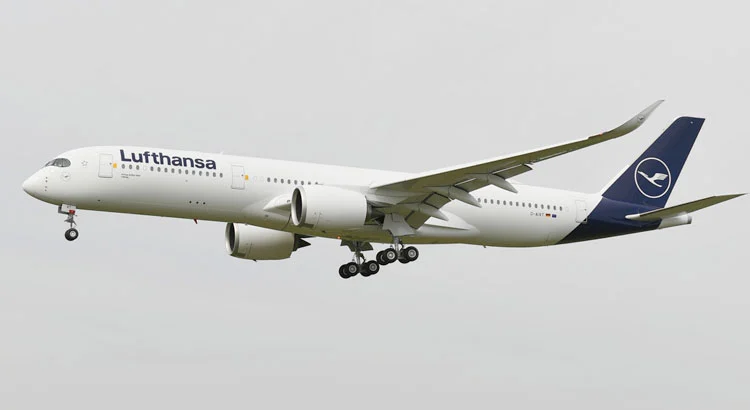
The Lufthansa Group’s frequent flyer program, Miles & More, has officially launched a high-value promotional campaign, offering a 50% bonus on all mileage acquisitions made through its specialized Bundle & Go packages. Running through October 31, this limited-time offer provides an alternative mechanism for members of Europe’s leading frequent flyer program to bolster their account balances at a substantially reduced cost per mile. By packaging miles alongside various lifestyle and digital subscription services, Miles & More has created a structured avenue for travelers to acquire points outside of traditional flight accruals or direct, full-price mileage purchases.
Main Facts of the Promotion
Under the terms of the current promotion, members who purchase any eligible Bundle & Go tier will receive a 50% bonus on top of the base mileage allocation included in the package. The campaign, which remains active until October 31, significantly drives down the effective cost of acquiring Miles & More currency. According to program breakdowns, astute buyers can secure miles for as low as 1.18 Euro cents (approximately 1.4 US cents) per mile when selecting the highest-value packages.
This pricing structure sits well below the typical valuations assigned to Miles & More points by frequent flyer analysts, making the promotion particularly attractive for travelers looking to redeem points for premium cabin long-haul flights on Lufthansa, Swiss, Austrian Airlines, Brussels Airlines, and other Star Alliance partner carriers. Unlike direct mileage purchases, which often carry prohibitive retail rates, the Bundle & Go model leverages bundled digital and retail products to distribute miles at a wholesale discount.
Chronology and Background of Bundle & Go

The introduction and evolution of the Bundle & Go product line represent a strategic shift in how loyalty programs monetize their currency. Traditionally, airline frequent flyer programs restricted mileage acquisitions to direct cash-and-mile purchases, co-branded credit card spend, travel partner bookings, or occasional promotional sales. However, direct purchases have historically suffered from high baseline costs, often discouraging casual or intermediate travelers from topping up their accounts for specific redemptions.
To capture additional ancillary revenue and engage members who fly less frequently, Miles & More introduced the Bundle & Go concept several years ago. The framework pairs variable quantities of reward miles with digital lifestyle products—such as magazine subscriptions, security software, streaming services, or productivity tools. By wrapping the miles inside a consumer product bundle, the airline navigates retail pricing restrictions while offering members a stealth discount on mileage accumulation.
Over successive quarters, Miles & More has refined the frequency and depth of these bonus campaigns. While standard Bundle & Go packages offer a fixed ratio of miles to currency, periodic promotional windows featuring bonuses ranging from 25% to 50% have become a predictable staple of the program’s annual marketing calendar. The current October 31 deadline aligns with the industry’s standard fourth-quarter push, capturing travel planners who are finalizing their holiday schedules and long-range itineraries for the upcoming year.
Supporting Data and Pricing Analysis
A granular review of the current promotion reveals distinct tiers designed to accommodate varying travel aspirations, ranging from minor account top-ups for short-haul European hops to substantial allocations capable of securing round-trip first-class tickets to Asia or North America.
While exact package contents and pricing matrices fluctuate slightly based on regional tax implementations and currency conversions within the Eurozone, the foundational math remains consistent. The threshold for achieving the lowest cost-per-mile metric—1.18 Euro cents or 1.4 US cents—requires purchasing the largest available Bundle & Go tiers. Smaller tiers command a marginally higher cost per mile, though they remain competitive compared to standard direct-purchase rates, which frequently exceed 2.5 to 3 cents per mile.

Financial analysts note that acquiring miles at roughly 1.4 US cents creates an asymmetric value proposition for savvy consumers. When applied to high-value award sweet spots—such as Miles & More’s monthly "Meilenschnäppchen" (Mileage Bargains) or long-haul business class redemptions—the cash equivalent required to book the ticket via the promotion is often a fraction of the standard retail fare. For instance, redeeming miles for a transatlantic business class itinerary that routinely prices out at $4,000 or more can frequently be duplicated through promotional mileage acquisition for less than half that cost in out-of-pocket cash outlay.
Industry and Consumer Implications
The launch of the 50% bonus campaign carries broader implications for the frequent flyer ecosystem, highlighting the ongoing monetization strategies employed by major legacy carriers. Loyalty programs have increasingly transitioned from secondary customer retention tools into high-margin financial assets for parent corporations. By selling miles in bulk through structured channels like Bundle & Go, airline groups generate reliable, high-margin cash flow independent of passenger seat demand.
For consumers, however, promotions of this scale require careful strategic planning. Industry experts consistently advise against speculative mileage accumulation—buying points without an immediate, confirmed redemption goal in mind. Frequent flyer currencies are subject to periodic, unannounced devaluation through revised award charts, increased carrier-imposed surcharges (such as Lufthansa’s notoriously high fuel surcharges on award tickets), and shifting partner availability.
Furthermore, Miles & More imposes strict rules regarding mileage expiration, typically requiring miles to be used within 36 months of accrual unless the member holds elite status or maintains an active co-branded credit card. Consequently, participants purchasing miles through the Bundle & Go promotion are strongly encouraged to verify award space on their desired routes before completing the transaction to ensure they can extract maximum value from their investment before expiration clocks begin ticking.
Official Responses and Program Stance

While airline loyalty executives rarely comment publicly on the internal profit margins of promotional mileage sales, representatives for major frequent flyer programs maintain that such initiatives are designed to enhance member engagement and provide flexible pathways to premium travel. In past communications regarding ancillary revenue streams, Lufthansa Group leadership has emphasized that digital product integration allows members to extract everyday value from their loyalty memberships, even during periods when personal travel frequency fluctuates.
Program guidelines stipulate that miles purchased via Bundle & Go are credited to the member’s account almost immediately following transaction completion, allowing for instantaneous award bookings. The 50% bonus is automatically calculated and applied at checkout, provided the transaction is completed prior to the October 31 expiration deadline.
Broader Outlook for Miles & More Members
As the October 31 deadline approaches, travel forums and frequent flyer communities have active discussions analyzing the utility of the current offering. With global aviation seeing sustained high demand for premium cabins and rising cash ticket prices across international routes, promotions that lower the barrier to award travel continue to command significant attention from global travelers.
For members holding existing Miles & More balances who find themselves just short of a major redemption threshold, or for those willing to calculate the precise arithmetic of award availability, the 50% bonus on Bundle & Go packages presents a timely mechanism to secure travel at a predictable discount. Nevertheless, participants must weigh the immediate financial outlay against the programmatic rules governing award availability and carrier surcharges to ensure the acquisition aligns with their broader travel objectives.



 Diana Nuri Rohmawati

 Gabriela Annisa

 Lukman Taruna Persada Ramadan

 Tatiana Tantri Indah Sari

 Anjar Salim

