
 Budi Mulyono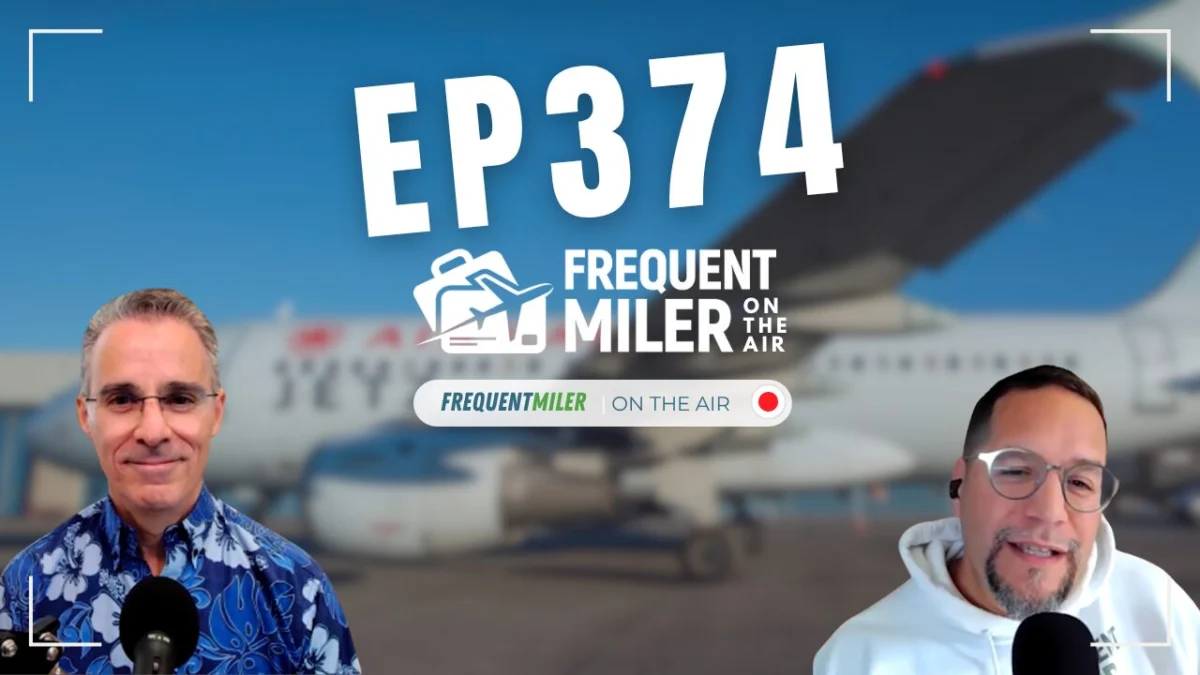
The landscape of travel rewards, airline alliances, and credit card perks is undergoing a seismic shift, highlighted by a major structural realignment in the hotel loyalty sector. Hyatt Hotels Corporation has officially announced the dissolution of its long-standing strategic partnership with American Airlines, marking the end of a cross-program loyalty relationship that allowed elite members from both programs to earn reciprocal points and status-accelerating milestones. Simultaneously, Hyatt revealed a new, multi-faceted collaboration with Delta Air Lines, reshaping the competitive dynamics of airline and hotel loyalty ecosystems.
This monumental transition serves as the centerpiece of a broader wave of industry updates impacting credit card portfolios, transfer partner directories, and travel rewards strategy. Financial institutions and travel brands alike are aggressively adjusting their value propositions in response to shifting consumer behavior, inflation, and increasing competition within the lucrative points and miles space.
The Hyatt and Airline Realignment: From American Airlines to Delta
The termination of the Hyatt-American Airlines partnership brings to a close a popular program that had enabled elite members of World of Hyatt and American Airlines AAdvantage to fast-track their loyalty achievements through dual-earning opportunities. Initially launched to provide seamless travel benefits across air and ground sectors, the breaking of ties forces frequent travelers to reevaluate how they maximize status and mileage earnings. Industry analysts note that cross-program alignments have faced increasing strategic reevaluations as major travel brands seek more exclusive, high-value integrations rather than broad partnerships.
In a swift and strategic counter-maneuver, Hyatt’s newly announced partnership with Delta Air Lines signals a major pivot. While full operational details of the Delta-Hyatt integration continue to roll out, travel industry insiders anticipate a tiered framework similar to previous airline-hotel tie-ups, allowing top-tier frequent flyers to extract enhanced value from both carriers and lodging providers. The move is expected to strengthen Delta’s corporate and premium leisure positioning while offering World of Hyatt members an alternative pipeline for loyalty rewards.
Credit Card Portfolio Shifts: Aeroplan, Amex, and Chase Updates
Beyond hotel and airline loyalty shifts, the credit card sector has experienced a flurry of high-profile refreshes, product announcements, and benefit enhancements. Chief among them is Chase’s newly refreshed Air Canada Aeroplan credit card, which has sparked intense debate among points and miles enthusiasts regarding its long-term value proposition.
The refreshed Aeroplan card features a revised welcome offer alongside adjusted spending multipliers and cardholder perks. However, expert evaluations of the card’s structural changes suggest a mixed bag for consumers. While certain categories receive enhanced earning potential, critics and frequent traveler communities have scrutinized the adjustments to annual fee values and statement credits. The ongoing analysis of the Aeroplan card underscores a broader industry trend where issuers rebalance card portfolios to manage rising costs associated with premium travel rewards.
In addition to the Aeroplan card updates, Chase has announced meaningful enhancements to the DoorDash benefit associated with the Chase Sapphire Reserve card, scheduled to take effect later this year. Premium cardholders will see adjustments to their monthly dining credits and dashPass subscription extensions, reinforcing Chase’s strategy to tie high annual fees to everyday lifestyle and dining utility. Meanwhile, the Chase IHG Hotels & Resorts Premier Business card is slated for a notable enhancement in 2027, with its anniversary free night certificate increasing in value to accommodate properties requiring up to 50,000 points per night.

On the American Express front, anticipation is building around the upcoming rollout of a new Amex Marriott Bonvoy Business card variant, aimed at expanding co-branded offerings for small business owners and frequent Marriott patrons. This development coincides with targeted promotional offers across the Marriott Bonvoy portfolio, such as recent statement credit promotions offering $200 back on $450 in qualifying spend via American Express Offers, offering transient cardholders immediate tactical savings.
Evolving Transfer Partner Networks: Avianca LifeMiles and Copa Airlines
The flexibility of transferable points currencies continues to be the primary engine of modern award travel, and recent updates from financial institutions and reward programs reflect efforts to expand global redemption footprints.
U.S. Bank has officially added Avianca LifeMiles as a transfer partner, expanding the utility of its transferable point ecosystems. LifeMiles remains a favorite among advanced travelers for its favorable award pricing on Star Alliance partner carriers, particularly for premium cabin redemptions between North America, Europe, and South America, without the burden of carrier-imposed fuel surcharges.
Concurrently, the Rove loyalty program has integrated Copa Airlines as a transfer partner. To celebrate the launch, Rove introduced a promotional 40% transfer bonus running through September, providing an aggressive incentive for members to leverage Copa’s extensive network connecting North, Central, and South America via its Hub of the Americas in Panama City.
Personal Finance Milestones and Consumer Protections
As consumers navigate complex rewards structures, practical consumer protections and spending thresholds continue to play a vital role in everyday card management. Recent success stories involving Chase’s return protection policies highlight the tangible value of retaining premium cards for retail purchases, offering financial recourse when merchants refuse returns on eligible items.
Furthermore, high-spend milestones—such as meeting the rigorous $60,000 expenditure threshold on specialized products like the Atmos Summit card—demonstrate the lengths to which heavy spenders and business owners will go to maximize annual loyalty bonuses, elite status milestones, and multiplier returns.
Broader Market Implications
The cumulative impact of these developments points to a rapidly evolving travel rewards ecosystem where complacency is costly for consumers. The dissolution of the Hyatt-American Airlines alliance, contrasted with the birth of the Hyatt-Delta partnership, demonstrates that corporate loyalty alignments are fluid and subject to strategic corporate realignment.
Simultaneously, the continuous tightening and refreshing of co-branded and bank-issued credit cards—exemplified by the debate surrounding Chase’s Aeroplan card refresh and evolving annual fee structures—indicate that issuers are recalibrating rewards to maintain profitability while appealing to post-pandemic travel demand. For travelers, staying informed on transfer partner additions, strategic partnership shifts, and card benefit timelines remains essential to extracting maximum value from every dollar spent.




 Anjar Salim
 Chandra Hamzah
 Tatiana Tantri Indah Sari
 Lukman Taruna Persada Ramadan
