
 Budi Mulyono
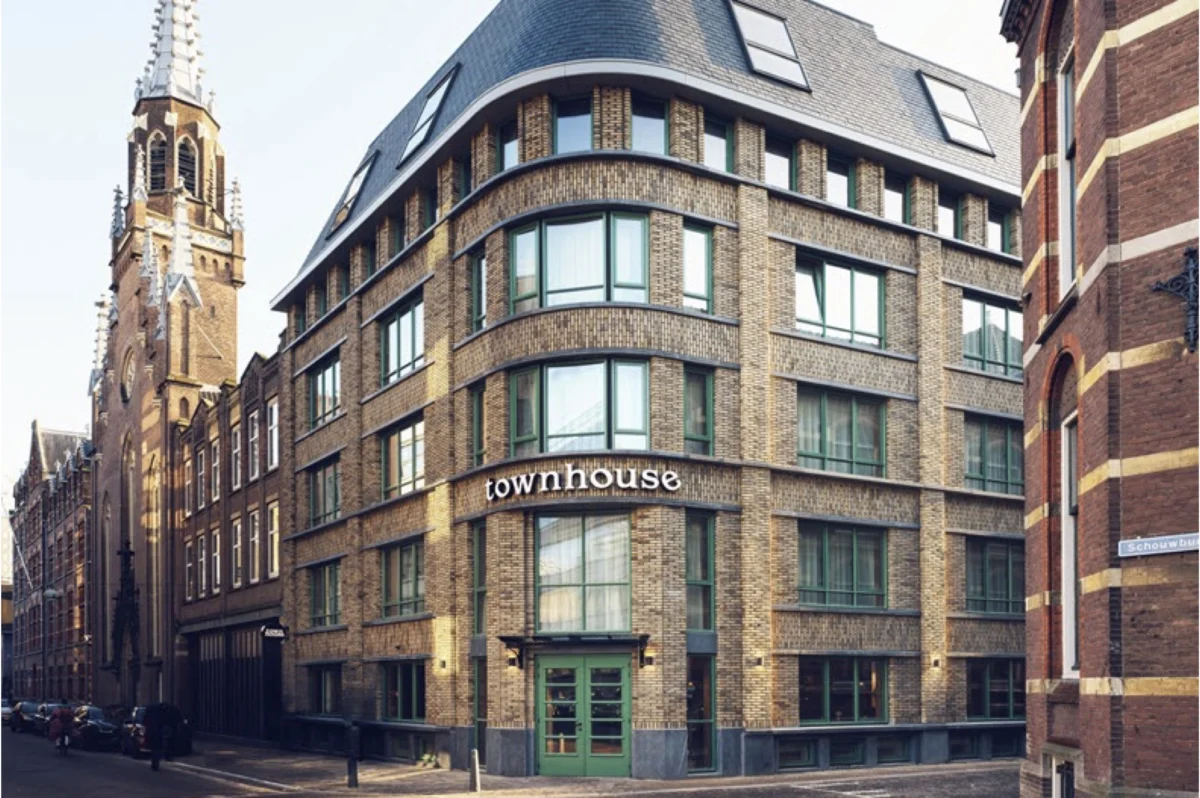
Marriott International has announced a significant expansion of its hospitality portfolio in the Netherlands through a landmark agreement with Townhouse Hotels. The multi-property deal encompasses eight hotels adding over 700 rooms to Marriott’s European ecosystem, marking the introduction of the Series by Marriott brand to the Dutch market alongside strategic growth for the Tribute Portfolio. This development broadens Marriott’s operational footprint across five major Dutch cities: Amsterdam, The Hague, Maastricht, Breda, and Eindhoven. The transaction reflects a growing industry trend among multinational hospitality brands favoring property conversions and strategic alignments with independent regional operators over ground-up construction to accelerate market penetration in high-demand European urban centers.
Main Facts of the Agreement
The newly finalized agreement brings a diverse collection of eight distinct hospitality properties into the Marriott fold. The transaction is structured around two distinct brand initiatives: the formal debut of Series by Marriott in the Netherlands via six properties, and the expansion of the Tribute Portfolio via two unique independent conversions.
The introduction of Series by Marriott accounts for the majority of the additions, featuring six properties designed to cater to both corporate and leisure travelers. In Amsterdam, the 84-room Hotel Qbic WTC Amsterdam will transition into the Townhouse Amsterdam WTC, Series by Marriott. Situated within the Zuidas business district—Amsterdam’s premier financial and commercial hub—the property is positioned to capture high-value corporate travel demand.
Further south and west, the expansion includes the 88-room Townhouse The Hague and a triad of properties in the historic city of Maastricht: the 82-room Townhouse Maastricht, the 55-room Townhouse Mabi Maastricht, and the 79-room Townhouse Kaboom Maastricht. Among these, Townhouse Mabi Maastricht stands out for its architectural heritage, occupying a repurposed former cinema located near the city’s medieval historic center. The sixth property in the Series collection is Townhouse Breda, created through the conversion of the existing Hotel Keyser. With 106 guest rooms, Townhouse Breda will stand as the largest property within the newly established Dutch Series by Marriott portfolio.
Complementing the Series by Marriott additions, two independent properties will join the Tribute Portfolio, a collection curated for travelers seeking independent hotel experiences backed by the loyalty and distribution power of Marriott Bonvoy. The 91-room Ald Hotel The Hague will join the collection, while the 134-room Hotel Mariënhage Eindhoven establishes Marriott’s physical presence in Eindhoven for the first time. Mariënhage is housed within a historically significant former monastery complex, successfully blending centuries-old architectural elements with modern, upscale accommodations.

Chronology and Strategic Development
The announcement in October 2026 represents the culmination of prolonged strategic discussions between Marriott International and European regional operators aiming to capitalize on post-pandemic travel rebounds and shifting urban tourism trends. Throughout 2024 and 2025, major hotel chains increasingly turned to conversion-friendly brands to maintain growth momentum amid rising construction costs, high interest rates, and stringent environmental regulations affecting new real estate developments in Western Europe.
By integrating established local properties such as Hotel Qbic WTC Amsterdam and Hotel Keyser in Breda, Marriott minimizes lead times from agreement to operational integration. The properties are slated for phased rebranding and system integration, with the full roster of eight hotels expected to be fully bookable through Marriott distribution channels over the subsequent 12 to 18 months. This timeline allows ownership groups to smoothly transition their reservation platforms, staff training, and loyalty program integration without experiencing prolonged closures that could disrupt local tourism economies.
Supporting Data and Market Context
Prior to this agreement, Marriott held a robust footprint in the Netherlands. By the close of the second quarter of 2026, the company operated more than 30 properties across 12 distinct brands in the country. This existing portfolio already spanned a wide spectrum of market segments, from select-service and extended-stay properties to luxury and lifestyle brands. Prominent Marriott-affiliated brands active in the Dutch market include Marriott Hotels, W Hotels, Sheraton, Renaissance, Autograph Collection, Tribute Portfolio, Moxy, Residence Inn, Courtyard, Element, Design Hotels, and citizenM.
The addition of over 700 rooms increases Marriott’s Dutch inventory by a substantial margin, reinforcing its competitive standing against other global hospitality giants operating in the Benelux region, such as Accor, Hilton, and IHG. Furthermore, the agreement addresses geographic white spots in Marriott’s domestic network. While Amsterdam and The Hague have traditionally commanded high institutional investment, regional hubs like Eindhoven—a prominent technology and design center often referred to as the Silicon Valley of the Netherlands—and Maastricht, a major cultural and academic tourism destination in the southern tip of the country, offer untapped growth potential. Entering Eindhoven and expanding deeper into Maastricht diversifies Marriott’s regional exposure, buffering it against fluctuations that disproportionately impact capital-city tourism.
Industry Implications and Conversion Strategy

The reliance on conversion-heavy portfolios signals a structural shift in how global hotel operators expand their footprint in mature European markets. Ground-up construction in historical European cities is frequently constrained by strict zoning laws, historic preservation mandates, and a scarcity of vacant urban land. By partnering with established regional operators like Townhouse Hotels, major brands bypass these barriers to entry while simultaneously preserving the distinct local character that modern travelers increasingly demand.
Brands like Series by Marriott and Tribute Portfolio are specifically engineered to bridge the gap between independent boutique hospitality and the massive marketing, distribution, and loyalty infrastructure of a global enterprise. For independent hotel owners, aligning with Marriott provides access to the Marriott Bonvoy loyalty program, which boasts hundreds of millions of members globally, significantly boosting direct bookings and reducing reliance on third-party online travel agencies (OTAs). For Marriott, these agreements enable rapid portfolio scaling without the capital expenditure risks associated with real estate ownership.
Broader Impact on Dutch Tourism and Local Economies
The incorporation of these eight properties into a global distribution network is expected to exert a measurable influence on the regional economies of Amsterdam, The Hague, Maastricht, Breda, and Eindhoven. Improved international visibility through Marriott’s global sales channels could drive increased corporate travel to business-centric zones like Amsterdam’s Zuidas and Eindhoven’s high-tech corridors, while enhancing leisure tourism flows to cultural centers like Maastricht.
Moreover, the adaptive reuse of existing structures—such as transforming a former cinema into Townhouse Mabi Maastricht or a former monastery complex into Hotel Mariënhage Eindhoven—underscores a broader commitment to sustainable urban development. Repurposing historical and commercial buildings significantly reduces the embodied carbon footprint associated with new construction, aligning with both European Union environmental directives and corporate environmental, social, and governance (ESG) reporting standards.
As the hospitality sector continues to navigate economic uncertainties and evolving consumer preferences, Marriott’s latest expansion in the Netherlands serves as a textbook example of how international hotel chains intend to grow: through strategic regional partnerships, conversion-friendly brand architectures, and careful geographic diversification into secondary and tertiary urban markets.



 Gabriela Annisa

 Lukman Taruna Persada Ramadan

 Tatiana Tantri Indah Sari

 Anjar Salim


 Dwi Wanna
