
 Walid Sujud Trenggono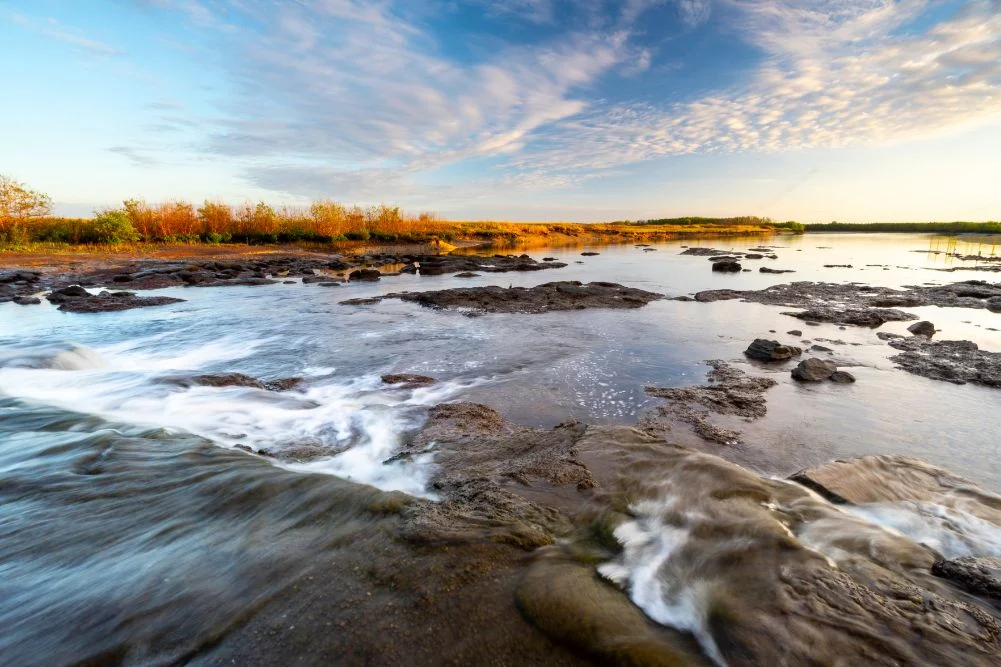
Situated approximately 150 kilometers east of Darwin, the Mary River Wetlands represent one of the most biodiverse and ecologically significant regions in Australia’s Northern Territory. Known for hosting the highest concentration of saltwater crocodiles (Crocodylus porosus) in the world, the Mary River system serves as a critical sanctuary for both apex predators and a vast array of migratory bird species. The region, protected under the Mary River National Park, offers a complex landscape comprising lily-fringed lagoons, expansive floodplains, dense monsoon forests, and tidal reaches. While Darwin serves as the primary urban gateway for Top End tourism, the Mary River Wetlands provide a more primitive and immersive experience, attracting anglers, naturalists, and historians alike.
Ecological Framework and the Shady Camp Infrastructure
The environmental management of the Mary River Wetlands is centered around the preservation of its delicate freshwater habitats. In the late 1980s, the Northern Territory government oversaw the construction of a barrage—a low-walled concrete dam—at Shady Camp. This infrastructure was designed to mitigate the intrusion of saltwater into the upstream freshwater marshes, a phenomenon that threatened the local flora and the breeding grounds of various species.
Despite its primary function as a hydrological barrier, the Shady Camp barrage has become a focal point for ecological observation. It does not act as a total barrier for the region’s "salties" or other resilient aquatic life. Instead, it creates a unique bottleneck where the tidal Arafura Sea meets the freshwater flow of the Mary River. During the transition from the wet season to the dry season, a period known locally as "the run-off," the wetlands purge excess water. This movement carries large quantities of baitfish and barramundi over the barrage, leading to a concentrated feeding frenzy.
For anglers, this site is considered one of the premier barramundi fishing locations in Australia. However, the presence of saltwater crocodiles, which frequently congregate at the base of the barrage to intercept fish, presents a significant safety consideration. Wildlife authorities emphasize that while the area is a public recreational space, the behavior of these apex predators remains a constant variable, requiring visitors to maintain a safe distance from the water’s edge.
Historical Context: The Legacy of John McDouall Stuart
The Mary River Wetlands are not only a site of natural wonder but also a landmark of Australian colonial exploration. Shady Camp derives its name from the 1862 expedition of John McDouall Stuart, a pioneering explorer who successfully led the first European party to cross the Australian continent from south to north and return.
Stuart’s journey covered a staggering 3,540 kilometers, originating in Port Augusta, South Australia. His arrival at the banks of the Mary River marked the final stages of a grueling trek that opened the "mysterious interior" of the continent to future development and communication, including the construction of the Australian Overland Telegraph Line. After resting at what is now Shady Camp, Stuart reached the northern coast at Chambers Bay on July 24, 1862.
Today, the historical significance of this feat is memorialized at Point Stuart. Access to the specific site where Stuart reached the sea is seasonal, dictated by the drying of the floodplains. When conditions allow, the 6-kilometer Stuart’s Tree Memorial Cairn trail provides a historical pilgrimage for visitors, though the route remains impassable for much of the year due to the region’s intense monsoon cycle.
Biodiversity and Avian Populations
The Mary River system is recognized as a vital link in the East Asian-Australasian Flyway. The wetlands provide a seasonal home to millions of birds, making it a critical site for international conservation efforts.
- The "Jesus Bird": The Comb-crested Jacana is a staple of the Mary River lagoons. Its elongated toes allow it to distribute its weight across floating vegetation, such as pink lotus lilies, giving the appearance of walking on water.
- Raptors and Waterbirds: The skies above the wetlands are frequently patrolled by white-bellied sea eagles and whistling kites. On the ground level, the Jabiru (Black-necked Stork) can be seen foraging in the shallows, while magpie geese and whistling ducks form massive, raucous flocks during the dry season.
- Monsoon Forest Residents: Away from the open water, the Jimmy Creek and Brian Creek monsoon forests offer a different ecological profile. These pockets of dense vegetation house the orange-footed scrubfowl, known for constructing massive nesting mounds that can reach several meters in height.
The interplay between these species and their environment is a subject of ongoing study by Northern Territory Parks and Wildlife. The health of the magpie goose population, in particular, is often used as a barometer for the overall health of the Northern Territory’s wetland systems.
Tourism Infrastructure and Economic Impact
The Mary River National Park is a significant contributor to the Northern Territory’s tourism economy. Unlike the highly commercialized tours found closer to Darwin, the Mary River region emphasizes self-guided exploration and low-impact camping.
Current infrastructure includes:
- Shady Camp: Known for its boat ramp and proximity to the barrage, it offers rustic camping facilities focused on the fishing community.
- Couzens Lookout: Situated on a high vantage point overlooking the Mary River, this site is favored for its sunset views and its proximity to the Rockhole Billabong. It provides more modern amenities, including wheelchair-accessible toilets.
- Point Stuart Wilderness Lodge: This private facility serves as a commercial hub for the region, offering a range of accommodations from safari tents to lodge rooms. The lodge operates daily wetland cruises and guided fishing safaris, providing a structured alternative to independent travel.
According to tourism data, the "dry season" (May through September) sees the highest influx of visitors. During this window, temperatures typically range between 20°C and 31°C, and the humidity remains manageable. The economic impact is felt through park entry fees—currently set at $10 per day for adults—and the patronage of local businesses like the Bark Hut Inn and various cruise operators such as Wildlands and Corroboree Billabong Wetland Cruises.
Environmental Management and Challenges
The management of the Mary River Wetlands involves a complex balance of conservation, recreation, and invasive species control. One of the primary challenges faced by park rangers is the management of the saltwater crocodile population. Following the cessation of large-scale culling in the 1970s, crocodile numbers have rebounded significantly. While this is a conservation success story, it necessitates rigorous public education to prevent human-wildlife conflict.
Invasive species also pose a threat to the wetlands’ integrity. Feral buffalo and pigs have historically caused significant damage to the floodplains through overgrazing and soil erosion. Additionally, the spread of invasive weeds like Mimosa pigra requires constant monitoring and chemical intervention to prevent the choking of native waterways.
The Northern Territory government’s "Parks Master Plan" outlines a strategy for the Mary River that emphasizes sustainable growth. This includes upgrading road access to Shady Camp and Point Stuart to extend the tourist season, while simultaneously expanding protected zones to ensure that the increased human presence does not degrade the very landscapes visitors come to see.
Conclusion and Practical Implications for Visitors
The Mary River Wetlands remain a quintessential example of the "Top End" wilderness. For the modern traveler, the region offers a rare opportunity to witness an ecosystem that operates largely on its own ancient rhythms. However, the primitive nature of the site requires high levels of preparedness.
Authorities advise that visitors must be self-sufficient, particularly regarding water and fuel. The presence of mosquitoes, which can carry Ross River virus and Barmah Forest virus, necessitates the use of high-quality repellents and appropriate clothing. Furthermore, the strict adherence to "Crocwise" principles is mandatory; swimming is prohibited in all areas of the Mary River National Park due to the extreme density of estuarine crocodiles.
As the Northern Territory continues to develop its eco-tourism sector, the Mary River Wetlands stand as a testament to the importance of preserving large-scale, functional ecosystems. The blend of colonial history, indigenous significance, and raw biological power ensures that this region remains a vital, if formidable, part of the Australian landscape. Whether through the lens of a camera, the cast of a fishing line, or a walk through a monsoon forest, the Mary River provides a profound insight into the natural heritage of northern Australia.




 Anjar Salim
 Chandra Hamzah
 Tatiana Tantri Indah Sari
 Budi Mulyono
 Lukman Taruna Persada Ramadan
